


 Nederlands
  English (UK)
  Русский
  العربية
  日本語
日本語  한국어
한국어  Magyar
  Türkçe
  Español
  Čeština
  Svenska
  Português
  Ελληνικά
  Suomi
Suomi  Română
  Italiano
  Français
  Polski
  Українська
  Deutsch
  简体中文
简体中文  Slovenčina
 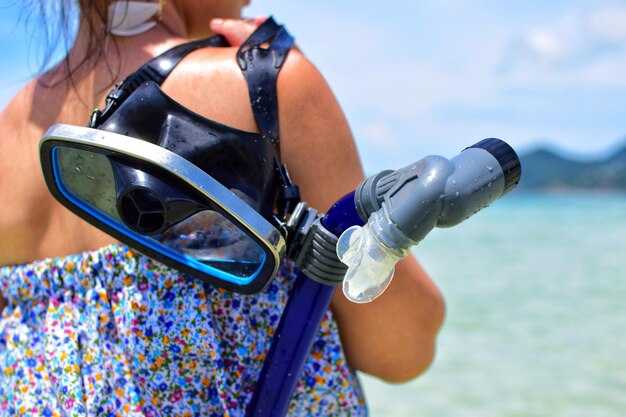 Where to Go Scuba Diving in Mexico – Top Spots">

Choose cozumels as your starting point for SCUBA in Mexico. Morning visibility tends to be excellent, currents are mild near the reef, and the coral around the bottom forms a thriving underwater scene. It feels like an aquarium in motion, with active fish, healthy corals, and accessible sites ideal for beginners and children.
Beyond cozumels, nearby areas along the reef offer a range of sites for different skill levels. In Playa del Carmen and Puerto Morelos, expect mild drift currents that help you cover multiple sites in a single outing without long boat rides from shore. Beaches along these coasts provide shallow options for children and snorkelers, while deeper sections welcome those with SCUBA experience from nearby boats.
On the Pacific side, Cabo Pulmo near La Paz has a healthy reef reserve with calm mornings and clear water. Its bottom features varied shelves and drop-offs that support schooling fish and visible coral. The underwater view at this site resembles a true aquarium, with abundant life throughout the day.
Isla Mujeres, Holbox, and other spots along the coast provide additional options, with healthy reefs and friendly habitats for families. For planning, monitor currents and tides; mornings typically offer the clearest water, and you can coordinate visits to multiple areas on a single trip. By focusing on protected bays and reef flats, you maintain reef health and keep trips accessible for children and less experienced guests.
Throughout these areas, a simple gear-maintenance routine helps protect the reef and your safety. Pack a compact kit and inspect your mask, regulator, and fins before each outing; maintain buoyancy to avoid contact with the bottom and corals. Always respect local rules, stay within marked zones, and enjoy a safe, informative experience with family and friends.
Mexico Scuba Dive Destinations: Quick, Practical Overview
Start with the unesco-listed Revillagigedo Islands off Baja California Sur for an action-packed, wildlife-forward introduction to Mexico’s underwater world. Here, depths range from accessible shallows to deep offshore walls, attracting mantas, dolphins, and schooling fish. An experienced guide can contact local crews, arrange permits, and steer you toward protected zones that prohibit hunting. This option earns top marks for momentum and variety, especially if you travel in november of december when visibility often improves.
Next, Cabo Pulmo National Park near Los Cabos offers a protected reef system that suits both beginners and experienced explorers. The maximum depths here stay within comfortable ranges, and the site features historisch reef growth and clear, nutrient-rich waters. In november en december, conditions are reliable, with many sightings of animal life and occasional dolphins along the outer edge of the reserve. Weve heard from guides that responsible tours emphasize conservation and avoid disturbingly close approaches.
For easy access and striking topography, Cozumel and the Riviera Maya corridor stand out. Cozumel’s terraces rise from the sea floor, creating dramatic profiles and currents that carry feed into wide schools of reef fish. Many sites here are within a short boat ride of shore, making it better for long weekends; you can combine this with cultural stops in historisch towns. In november en december, light winds and calm seas deliver steady visibility, and local shops offer flexible packages you can arrange with a quick contact.
The unesco-listed Socorro archipelago (Islas Revillagigedo) remains a premier pelagic destination, with December departures often filling first. The maximum encounter depth varies by site, but expect mantas, dolphins, and dramatic walls. This route draws many travelers, but booking early ensures a spot and a schedule that minimizes wildlife disturbance. Advice from operators and press materials consistently underline conservation; hunting is prohibited in protected zones, and allende-protected areas reinforce this. Weve found that pairing a few days here with Cabo Pulmo yields a balanced plan and better odds of seeing big schools of fish.
Practical tips: contact multiple operators in advance, compare itineraries, and choose plans with clear conservation commitments. Focus on november of december departures for best conditions, and always follow local guidance. Several options maximize the depths, mantas, and dolphin encounters while keeping hunting out of sight. Weve prepared this quick overview to help you pick destinations that fit your schedule, budget, and comfort level, with maximum enjoyment.
Best times for diving by region: Baja California, Quintana Roo, and Yucatán cenotes
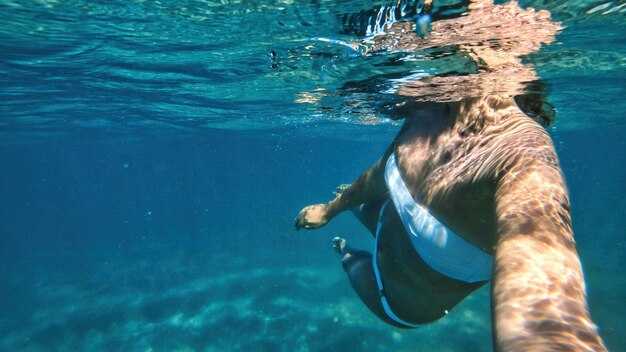
Baja California: plan dives in April–June or October–December when pacific winds ease in baja and visibility commonly reaches 20–30 meters. Water temperatures hover around 18–28°C, so a 3–5 mm suit works in spring and a 5–7 mm for cooler mornings. Protected bahía areas around La Paz and the walls near Espiritu Santo deliver calm currents and extraordinary reef habitats, with Los Islotes offering close encounters with sea lions. If you want extra variety, add a day trip to Marietas for snorkelling before returning to the main baja routes, and enjoy local songs from guides that highlight marine life.
Quintana Roo: the window from November through May delivers the clearest water and maximum visibility around 30–40 meters, with Caribbean warmth keeping temperatures near 25–29°C. Cozumel offers dramatic walls and drift-like currents on select sites, while the Riviera Maya reefs off Playa del Carmen and Cancun provide steady seas and gentle flows suitable for a balanced list of shallow and deeper experiences. Access points include Isla Mujeres, Cozumel, and the base at Chiquila for Holbox excursions. Currents can vary by day, so heed local advice, and many tourists mix this region with country-side stays along vallartas coastlines for additional reef encounters.
Yucatán cenotes: these cavern networks stay accessible year-round, but the dry season (Nov–Apr) yields steadier air and the best light shafts through caverns. Water sits near 24–28°C, and cavern level requires a suited approach–choose guides who match your training. Cenotes are ancient earth-carved passages, offering crystal-clear pockets and dramatic sunbeams; keep to guided groups if you’re new to cavern experiences, and balance comfort with safety as you explore these remarkable earth-formed systems. If you’re seeking a specific, region-focused thrill, cenote caverns provide a unique base for storytelling in the country’s subterranean areas.
Choosing cenotes: visibility, depth, and cave-diving suitability
Gran Cenote stands out today as the best entry point for first-timers who want clear water, easy access, and a relaxed pace. Visibility typically runs 20–40 m, while sunlit water in the shallows lets you observe darting fish against draped limestone shelves. Please budget about an hour to swim, snorkel, and explore the main arches without heavy equipment. The site sits anywhere along the Riviera Maya coast, and a shuttle between hotels often stands ready to collect you; those new to cenotes will appreciate the calmest surface and straightforward routes. For many visitors, this offers an original experience that is easy to access.
For a broader cave exploration, Dos Ojos offers an extensive system with several swim-throughs and long passages. Visibility in the main routes often stays in the 60–100 m range, and depths in the accessible sections are typically under 18 m, which makes a guided exploration feasible for competent scuba, with a certified guide using a line and safety protocol. The topography features wide shelves, tight arches, and caverns; the network of sinkholes connects to other cenotes, so you can plan a day that links those sites. In coastal sections, animal life is often present in small pockets near the entrance, and whitetip reef sharks and nurse sharks may be seen nearby in open water, not inside the cenote itself.
Compared with Dos Ojos, The Pit and Calavera push toward deeper, more demanding zones. Depths exceed 20 m and can reach over 40 m, so those areas suit certified scuba; in the lit, easier caverns near the entrance, depths stay less, which makes a guided experience accessible to a wider audience. The skylight beams create a striking scene that transfers well to photos today. These sites are coasting toward more developed tourism, so arrive early and avoid the busiest windows to keep the experience calmest.
Planning and safety tips: arrive before the crowds, typically 9:00 a.m. or earlier, and allocate an hour or more per cenote when you include entry, gear checks, and a short shuttle ride from the hotel. Hire a licensed guide and follow the line; use a back-up light and a timer for transitions between sections. Never touch formations or aquatic life; keep bubbles calm; and stay between the marked paths to protect topography and avoid silt. If you are staying near the coast and want a focused cenote day, those options along the Riviera Maya are developed for easy access today–today’s schedules make a coast-to-cenote loop practical, and you can combine a morning session with beach time. If your plan involves Cabo, note that cenotes are not accessible there on a day trip; plan a return to the mainland to explore these sinkholes anywhere along the Yucatán peninsula.
Cenote Dreamgate: access, depth, current, and photography tips
Book a local guide and arrive before first light to access Dreamgate via the water-side entry. This timing reveals the sunbeam slicing through the ceiling and lighting the main chamber.
Access and depth: The cenote sits along the Riviera Maya corridor. A short drive brings you to a small dock, then a few wooden steps drop into a calm pool. The main chamber rests around 6–8 m, with tunnel branches reaching 20–22 m in depth. The iconic skylight delivers a distinct beam that you can capture across the clear water and limestone walls. Visibility commonly runs 15–40 m on clean days, and water stays warm at 26–28°C year-round. Follow a local guide and stay on the marked routes to protect the formations and the cleaning stations nearby.
Current and safety: The current is typically mild in the open areas; after heavy rain, deeper passages can show a stronger drift. Maintain proper buoyancy, keep within the guide’s lines, and hold rails at the entry if needed. A calm, controlled pace delivers a more relaxed experience and protects the cave’s delicate features.
Photography tips: The beam often peaks mid-morning, so plan your shots around 10:30–12:00. Use a wide-angle lens (14–24 mm) and a compact strobe or light to bring color back from the limestone. Set ISO 125–400, shutter 1/125–1/200 s, aperture f/8–11, and white balance around 5200–5600 K. Shoot RAW to preserve highlights, and keep movements slow to minimize backscatter. Position yourself to frame the beam across the water and avoid touching stalactites or walls; turtles may appear near the entrance in shallow zones, and you can capture the natural cleaning stations where schooling fish gather.
Wildlife and regional context: Dreamgate showcases a warm, sheltered environment, yet the broader Riviera Maya coast offers distinct chances to see mobula rays and occasional whitetip sharks around coastal coves or in open-water ranges. For a broader itinerary, a coastal extension to Vallarta or the Marietas Islands via ferry adds another layer of iconic wildlife viewing, while still highlighting Mexico’s diverse coastline and cultural history. The whole experience connects you with a historical appreciation for cenote networks and their role in coastal ecosystems.
| Aspect | What to expect | Tips |
|---|---|---|
| Access | Riviera Maya corridor; dock entry; short wooden descent | Arrive early; go with a local guide |
| Depth range | Main chamber ~6–8 m; tunnels down to ~20–22 m | Follow guide lines; stay within indicated depths |
| Huidig | Mild in open areas; stronger after rain in deeper passages | Maintain buoyancy; hold rails near entry |
| Photography | Sunbeam beams; color recovery with light | Wide lens, strobe, RAW, 125–400 ISO, 1/125–1/200 s, f/8–11, 5200–5600 K |
| Wildlife | Turtles near entrance; cleaning stations in shallow zones | Respect distance; avoid touching |
Top offshore dives: wrecks & reefs in Cozumel, Cancun, and Riviera Maya
Begin with Cozumel’s Santa Rosa Wall and the C‑53 wreck – iconic sites that reward certified divers with clear water, a balance of currents, and frequent encounters with rays and giants of the reef. Nights bring observing opportunities as the day quiets and the underwater chorus shifts, sometimes without the crowds you’d expect in busier seasons.
The surrounding UNESCO-listed Mesoamerican Barrier Reef System forms a network that connects reefs from Cozumel to the Riviera Maya. This setting provides a continuous source of knowledge through experienced crews and a reliable framework for responsible exploration, which many operators proudly offer to guests.
- Cozumel, Quintana Roo
- Santa Rosa Wall – typical depths 12–30 m; currents vary, so certified guidance is essential. Observing rays and reef giants is common, and the wall delivers dramatic scenery for photography.
- Palancar Reef (Gardens, Bricks, and Caves) – tops around 6–12 m, with walls down to about 40 m; visibility often 25–30 m; a gentle drift and a wide variety of life make it a reliable favorite with strong ratings.
- Columbia Reef – walls and bommies to 60 m; frequent encounters with schools of fish, turtles, and larger groupers; multiple channels let you tailor the experience through macro and pelagic viewing.
- arcos – arches at 12–20 m; easy entries and a family-friendly option with a constant flow of life in crevices and swim-throughs.
- C‑53 wreck – rests roughly 12–30 m; hull features and interior spaces attract macro life and offer dramatic photo opportunities.
- princesa wreck – part of extended itineraries along the Riviera Maya corridor, depths typically 18–28 m; macro life and historical appeal draw thoughtful photographers.
- Cancún & Isla Mujeres, Quintana Roo
- Manchones Reef – 6–18 m; clear water and lively reef life; rays are common and the MUSA sculptures add a fascinating backdrop for observing underwater life without compromising safety.
- Punta Nizuc – 6–25 m; calm mornings and a mix of reef and small wrecks provide a balanced day for beginners and certified guests alike, with reliable access year-round.
- arcos wreck clusters – several small wrecks near Cancún offer straightforward entries and macro life; ratings favor accessibility, especially for families and newcomers.
- Riviera Maya: Puerto Morelos to Tulum
- Puerto Morelos Reef National Park – 6–25 m; well protected, with clear trails and abundant life; winter conditions tend to be the calmest, making longer observing sessions easier.
- princesa wreck – a Riviera Maya corridor feature included in some itineraries; depths around 18–28 m; macro life thrives around the hull and surrounding arches.
- arcos wreck cluster – a mix of arch formations and sunken vessels at 12–25 m; a thoughtful option for those seeking a balance of macro life and larger pelagics when currents cooperate.
Practical notes:
- Choose a certified operator with a solid safety record and a thoughtful pace, especially in winter when seas can be calmer but visibility varies.
- Look for family‑friendly shops that offer introductory sessions for newcomers and advanced options for experienced divers; these provide a comfortable baseline and foster thoughtful exploration.
- Bring a lightweight wide‑angle lens for reef tops and a macro setup for arches and wreck interiors; a small torch helps during night observing sessions.
- Consider a winter-based plan that includes chiquila as a gateway for Holbox expeditions, allowing you to expand your network of offshore life and experiences.
- Check ratings and reviews from other travelers and operators, and ask about conservation and reef-protection practices to ensure your excursion aligns with responsible travel.
theres a balance between accessibility and adventure across these sites, and the knowledge shared by local crews enhances every exposure. The songs of the reef–visible in the dances of rays, the silhouettes of giants, and the shimmer of schooling fish–remain unforgettable long after you surface. peeled foam on the surface can hint at stronger conditions, so always respect current cues and follow your guide’s instructions. Whether you’re a family with first-timers or a seasoned diver seeking a deeper look at wrecks like princesa and the arcos systems, this network of offshore options from arcos to chiquila keeps your winter season productive and memorable.
Gear, guides, permits, and safety: planning a Mexico dive trip
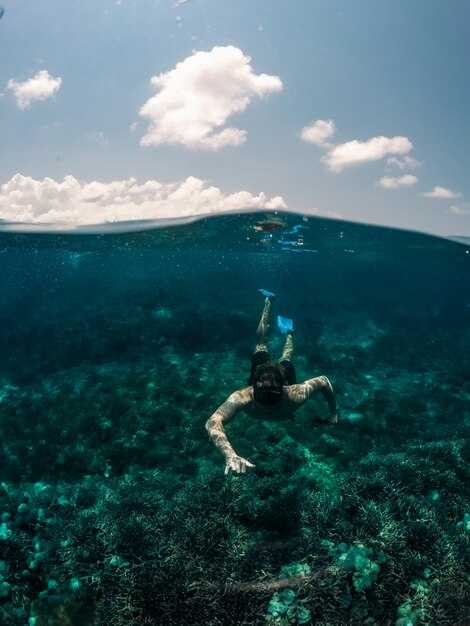
Hire a certified local guide who includes permits and a clear safety plan for your underwater excursion.
Pack a compact, reliable kit: a well-fitting BCD and wing, a redundant regulator, a scuba computer, a spare mask, and a surface signaling device. Include a reel and line for navigation, a slate for notes, and spare O-rings. For macro life and cavern sites, carry a small primary light and a back-up. If your trip lands in november, bring a light insulating layer for cooler mornings on the surface. The reef sits 8–20 meters deep in many spots, so tailor your load to stay within your plan and avoid over-burdening the boat.
Operators in marine parks include permits in their packages; verify the operator holds valid permits for the sites you plan to visit and that you receive a written plan for the day.
Safety rests on buddy checks, buoyancy control, and awareness of currents. Maintain visual contact with your partner, monitor your buoy line, and surface calmly if conditions shift. When you drift over outer reef walls or cavern entrances, keep a safe distance and follow the guide’s signals. Use a surface marker buoy at crossings to keep your location visible to boats.
Choose sites across the region with beginner-friendly options, such as sheltered lagoons near island groups and the shallows around Isla Partida. For more experience, explore outer reef walls off Baja or cavern sections in cenotes inland near Yucatán; your guide should tailor the route to your experience and environment.
Expect macro life like shrimp and nudibranchs; watch for ojos on reef fish and observe groupers from a respectful distance. A memorable moment often comes when you drift over walls and along a cavern edge.
Respect the environment: avoid touching coral, keep a safe distance from nests, and never remove material from walls. Your guide should brief you on local regulations and wildlife IDs, including species like groupers and macro critters.
On boat days, verify amenities: a hot-water boiler for after-surface intervals and a reliable radio. The captain should maintain the engines and safety gear across the voyage, and you should carry a first-aid kit and a backup flashlight.