


 Nederlands
  English (UK)
  Русский
  العربية
  日本語
日本語  한국어
한국어  Magyar
  Türkçe
  Español
  Čeština
  Svenska
  Português
  Ελληνικά
  Suomi
Suomi  Română
  Italiano
  Français
  Polski
  Українська
  Deutsch
  简体中文
简体中文  Slovenčina
 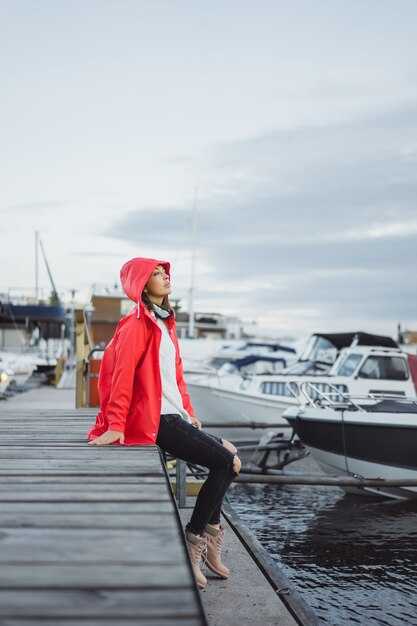 Water Safety – Top Tips for Boating in Winter">

Today, put on a Coast Guard–approved life jacket and dry, non-slip boots before you cast off. This simple step reduces immersion risk and helps you stay steady when decks are slick. Throughout the trip, keep the PFD accessible and check straps for a snug fit to prevent ride-up in rough water.
Boaters should check today’s forecast, waterways advisories, and tide times before departing. Common winter hazards include blown spray, gusty winds, and moisture on deck, all of which change handling quickly. Offer a complete plan and share it with a friend on shore.
Carry a complete emergency kit: waterproof VHF radio, whistle, spare batteries, a first-aid kit, and oil-filled lanterns as a backup light source. Place the kit in a dry, easily reachable location and practice one- and two-person drills so you can respond fast if a fall or capsize occurs.
Dress in moisture-wicking base layers, an insulating middle layer, and a windproof outer shell; finish with insulated boots and gloves for grip. Layering keeps your core warm, reduces cold water shock, and buys you precious seconds to react if immersion happens.
Stay hydrated with water as your primary drink on board and consider a hot non-alcoholic beverage for warmth on longer trips. Hydration throughout the voyage supports alertness and better decision-making behind the wheel.
Respect ice and edge conditions around waterways: avoid areas where ice thickness is uncertain and never rely on appearance. In years of winter boating, dangerous conditions can form quickly when wind shifts, spray blown across open water, or visibility drops; preparation and calm execution make the difference.
Winter Boating Safety Guide
Wear a PFD at all times when on deck, and keeping it snug and accessible under winter layers protects the chance of staying afloat if you fall in. Use quick-drying gloves to keep hands dry, maintaining grip on the helm and rails even in crisp, cold wind.
Before departure, run a thorough check of boat systems: battery condition, bilge pump, navigation lights, and horn. Start the engine and operate the throttle to confirm responsive control. Deploy fenders along the hull for docking against a seaway, and keep lines ready in case of sudden drift or wind shift. For inland trips with limited cell service, a broadband data unit or satellite communicator helps you stay connected with shore support.
Weather and deck conditions drive risk on a winter run. In crisp air, visibility can drop quickly, so monitor forecasts and plan bailout routes. Dress in layered, moisture-wicking fabrics and a windproof outer layer. Use non-slip footwear, inspect the deck for ice, and treat slick spots with grit or melt if safe. Keep handrails dry and maintain grip; a short misstep can cause a slide into a hatch or the water. Keep speed low and running time short to reduce exposure in gusts.
Know your route and maintain communication. Our crew keeps a crisp briefing and uses marked points along inland routes to stay on track; this reduces risk when weather shifts. If something unsettles you, switch to an alternate harbor along the seaway. Slippery decks can cause a loss of grip, so operate the throttle smoothly and avoid sudden changes. Fenders stay in place to manage contact with docks or other vessels, and confirm the engine and electrical systems are stable before leaving the dock.
Keep a short safety checklist: PFDs, spare dry clothing, whistle, flashlight, portable radio, and a plan for what to do if someone falls overboard. In a capsize or immersion, stay calm, float on your back, call for help, and preserve core warmth. Ours training and routines should focus on preparation that lets you act quickly and keep control of the vessel.
Pre-Trip Boat Checklists for Winter Conditions
Check the battery lead connections and fuel system before every winter trip. Inspect the marine battery for corrosion, clean the terminals, and perform a load test; confirm fuel is fresh and there are no leaks in lines or filters. Keep a spare battery fitted and securely stowed in a dry compartment above deck. If you bought a portable charger for backups, test it now and bring the lead along with your tools.
Heavy winter conditions demand a tight, practical checklist. Look over the engine start circuit and fuel system, verify the alternator belt, and confirm wiring is protected from moisture. For most checks, readings should stay stable; test the bilge pump switch, and verify the cabin heater’s safe use. If a delay gets longer, have a plan to idle the boat with power preserved and the cabin partially closed to limit heat loss. Though winter brings more risk, a concise checklist keeps things smooth.
Clear drains and compartments to avoid ice blockages. Inspect all drains for ice and clear any buildup; test the bilge pump by simulating water in the bilge and confirming it evacuates quickly. Direct any discharge over the side rather than into compartments. Check the canvas and hatch seals; ensure the deck drains flow overboard, not into the hull. Look for loose fittings in the hull and secure small things in the compartment to prevent shifting in chop. Place a lightweight mattress pad in the sleeping area to keep you warm on longer cold nights.
Store essentials in clearly labeled bins and keep cuddies, cushions, and a mattress pad in a dry, ventilated compartment to avoid dampness. Theres a simple rule: store every item in a labeled bin and inform crew where to find it. Do not leave unattended electronics or fuel components; keep a simple solution ready for a winter-specific issue. With this setup, the trip stays enjoyable and safe.
Essentials for winter boating include life jackets, a reliable VHF radio, a fire extinguisher, a first-aid kit, a weather-appropriate layer system, a headlamp, spare batteries, waterproof bags, and a compact mattress or sleeping pad for warmth. Maintain a printed, easy-to-follow checklist and keep it in a dry, accessible place. Rinse and dry gear after trips to prevent corrosion and rot, especially gear kept in canvas bags and lockers. That way the trip remains enjoyable and safe, even when temperatures drop and visibility fall.
Dressing for Cold Water: Layering and PFD Use
Wear a moisture-wicking base layer next to the skin, then add a mid-layer and a waterproof outer shell for reliable warmth on cold-water trips. Base layers of merino wool or synthetic fibers 100-200 g/m2 stay warm when damp and dry quickly; avoid cotton. Check each piece before you depart: a worn base layer loses its insulating value and should be replaced. Pack spare gloves, socks, and a hat in a dry bag and keep them nearby on deck for quick changes.
Choose a properly fitted PFD and wear it at all times on deck. A USCG-approved vest or jacket with secure straps stays buoyant even if you are seated near the hull or leaning over. Adjust the straps so the PFD hugs the torso without restricting breathing. Try on the PFD with your layers to ensure comfort; a bulky layer underneath can make the vest ride up, so pay attention to fit and movement.
Layering by conditions: base layer plus insulating mid-layer and a breathable waterproof shell works best as temperatures hover near freezing. In wind-blown spray, opt for a shell with a hood and taped seams to prevent cold gusts from driving heat loss. Use waterproof footwear and neoprene socks to protect feet, and seal cuffs and zippers to keep water out. When you notice frost on exposed metal or frozen condensation forming, adjust layers promptly to maintain warmth and mobility, because warmth loss accelerates once the wind picks up. Keep the hull area clear of spray and check that all fastenings stay secure during waiting periods near the marina.
After a trip, dry gear indoors to prevent mold: hang layers on a rack, use a dehumidifier or a heater to speed drying, and avoid direct contact with heat sources. If you stay overnight on a winter leg, a warm cabin and good ventilation help you enjoy nights aboard without damp odors. Maintain plenty of dry fabrics ready for immediate use, and refresh the PFD and base layers regularly to stay prepared in cold, wet conditions. If you share gear, a relative or fellow crew member can help verify fit and safety, especially when multiple people wear the same size. Remember to keep an eye on water exposure and to recheck gear before every trip, because consistent care reduces risk when spray or spray from wells splashes the deck.
| Layer | Materials / Features | Tips |
|---|---|---|
| Base layer | Merino wool or synthetic 100-200 g/m2; moisture-wicking | Avoid cotton; checked for wear and thinning before departure |
| Insulating layer | Fleece or synthetic insulated 200-400 g/m2 | Choose a trim fit to prevent bulk under the outer shell |
| Outer shell | Waterproof, windproof with taped seams | Ensure waterproof zippers and cuffs seal against spray; blown wind increases need for seal integrity |
| PFD | USCG-approved life jacket; snug with adjustable straps | Wear at all times on deck; check foam integrity and buoyancy |
| Accessories | Hat, gloves, socks; spare items in a dry bag | Keep plenty of options ready for quick changes |
Winter Deck Safety: Traction, Ice Management, and Slippery Surfaces
Put on slip-resistant boots and place traction mats at every entry point; today’s conditions demand a proactive approach to winter deck safety.
Follow a three-point contact rule on deck, keep one hand on a rail, and use a light in the pilothouse to monitor footing as plans change. If you’re waiting for a safer window, stay inside and let the vessel’s systems reduce risk.
- Wear boots with deep tread; if you bought a new pair, confirm the soles stay grippy when wet and cold.
- Keep deck surfaces dry by wiping spills and removing ice immediately; use a non-slip mat or grit near hatch edges and walks.
- Inspect anti-slip systems or non-skid coatings on stairs and cockpit entries before each trip.
- Stow a compact traction kit in the bayliner, pilothouse pocket, or on the vessel so waiting times don’t slow your plans.
IJsmanagement vereist vooruitdenken en snel handelen:
- Gebruik grit, zand of antislip tape om grip te creëren op gevaarlijke plekken; vermijd metalen gereedschap dat de dekken kan bekrassen.
- Schep en veeg opgehoopte sneeuw weg om ijsvorming te voorkomen; verwijder oppervlaktewaterijs wanneer het vaartuig is afgemeerd of voor anker ligt, niet terwijl de boot in beweging is.
- Gebruik geen chemische ontdooimiddelen op elektronische oppervlakken of navigatieschermen; gebruik producten met een maritiem label en spoel na blootstelling aan zoutnevel.
- Controleer de meest blootgestelde looppaden langs de Bayliners en andere boten in uw vloot; een klein ijsstukje kan leiden tot een val door verlies van grip.
Gladde oppervlakken vereisen stevige gewoontes:
- Installeer antislipband op de randen van de traptreden; houd luiken gesloten om gladde randen door opspattend water te verminderen; zorg ervoor dat de vloermatten in de stuurhut op hun plaats blijven liggen tijdens het bewegen.
- Droog uw zolen af voordat u aan dek stapt of de stuurhut betreedt; neem een lamp of hoofdlamp mee om verraderlijke plekken in de schemering of bij zonsopgang te verlichten.
- Houd relingen en grijppunten gereed; vertrouw nooit op één enkel punt wanneer het schip beweegt en coördineer met anderen om het evenwicht te bewaren tijdens overstappen.
- Voor boten in voorspelde ijslanen, pas snelheid en route aan om ruwe oppervlakken te vermijden; veiliger manoeuvreren vermindert de kans op een overboord incident.
Praktische veiligheidsmentaliteit voor varen in de winter:
- Zorg voor een duidelijk plan en deel het met de bemanning; wijs een mobiele uitkijk aan en benoem één MOB-verantwoordelijke, zodat je snel kunt reageren als iemand overboord slaat.
- Beperk de tijd op het dek tot essentiële taken; gebruik een lichte, geplande volgorde om te bewegen en vermijd gehaaste stappen die uitglijders veroorzaken.
- Houd een valstoplijn of -lijn vastgemaakt aan de havenklaar in de buurt van de stuurhut; oefen de reddingssequentie als onderdeel van het seizoenstraining.
- Vergelijk de voorspelling van je maritieme app met lokale weerberichten in de pers voordat je vertrekt.
- Bewaar een compacte basisset aan boord van elk vaartuig en controleer deze vandaag nog om ervoor te zorgen dat je een reservebatterij, een kleine borstel, grit en een droge doek hebt voordat je vertrekt.
Met deze gewoontes blijft varen zelfs in de vrieskou plezierig; deze hulp komt voort uit oefening en simpelweg herhaalde routines, waardoor een uitdaging verandert in verwondering tijdens winterse tochten. Deze tips gelden voor onze schepen en boten, en je geeft het goede voorbeeld, waarbij ervaring kalmte en controle opbouwt voor lentetochten.
Hypothermie voorkomen en snelle reddingsstappen
Haal de persoon binnen enkele minuten uit het water en in droge, isolerende kleding. Verwijder natte kledingstukken en vervang ze door een droge laag, een warme muts, handschoenen en sokken. Bedek met een deken om de kern warm te houden en houd reserve droge kleding klaar voor snel gebruik. Als u thuis bent of in de club, houd dan extra lagen klaar en gebruik een windscherm om de blootstelling te verminderen. Sluit de ramen van de cabine om de gevoelstemperatuur te verlagen en de ruimte fris en warm te houden.
Gebruik passieve opwarming: bedek hoofd, nek en borst met dekens; houd ze droog. Als de persoon bij bewustzijn is en kan slikken, bied dan warme, niet-alcoholische dranken aan om te helpen met interne opwarming, maar geef geen voedsel als er sprake is van verwarring of bewusteloosheid. Vermijd krachtig wrijven van ledematen; let op tekenen van verbetering en controleer de ademhaling. Breng de persoon bij winderige omstandigheden zo snel mogelijk naar binnen in een warme ruimte. Blijf in normale omstandigheden kalm terwijl u deze stappen in volgorde uitvoert.
Houd bij redding de volgende maatregelen in acht: probeer eerst met een stok te reiken of een drijfmiddel te gooien, ga dan pas zelf als je getraind en uitgerust bent. Gebruik een werplijn, touw of boothaak om de persoon in veiligheid te brengen, en zorg ervoor dat je stevig staat om uitglijden te voorkomen. Zodra de persoon aan boord of aan land is, verwijder je natte kleding en begin je met opwarmen zoals hierboven beschreven, waarbij je ze volledig warm houdt met droge lagen en een deken. Controleer na de redding de ademhaling en het bewustzijnsniveau en roep medische hulp in als de symptomen aanhouden of verergeren.
Om herhaling en verdere schade te voorkomen, oefen deze stappen als onderdeel van onze veiligheidsroutine in de club. Draag geschikte lagen kleding, bewaar extra droge spullen in een drybag en voer minstens om de paar weken een snelle oefening uit. Een beetje extra aandacht voor de voorbereiding vermindert het risico, dus deze maatregelen moeten klaar zijn tegen de tijd dat je vertrekt. Dit protocol is ons veiligheidsprotocol voor wintervaren, en het zou je bemanning duidelijke, herhaalbare stappen moeten geven. Houd de middelen thuis gereed, sluit ramen bij winderig weer om blootstelling te beperken en een frisse cabineomgeving te behouden. Deze maatregelen verminderen het risico en helpen ons voorbereid te blijven, zelfs als minuten en inspanning zich optellen. Dit geeft een reden om je bemanning te vertrouwen.
Noodcommunicatie en Veiligheidskits aan Boord voor de Winter
Upgrade uw veiligheid in de winter: installeer een verbeterde noodcommunicatiekit en een af fabriek ingebouwde VHF-radio met DSC, plus een GPS-handheld back-up en een satellietmessenger voor offshore trajecten. Bewaar reservebatterijen in een droge, toegankelijke koffer en test het systeem voordat u koudere wateren opzoekt.
Blijf betrouwbaar signaleren: EPIRB of PLB, waterdichte vuurpijlen en een reserve waterdichte handheld radio met verse batterijen. Stel een eenvoudige procedure voor noodoproepen op en noteer uw koers, positie en intentie. Bekijk weerswaarschuwingen bij elke wacht en deel het plan met de thuisbemanningsleden.
Inhoud veiligheidskit aan boord: EHBO-kit, thermische dekens, water, niet-bederfelijk voedsel en een compacte kombuiskit met koffie en eenvoudige warme dranken. Inclusief met olie gevulde handwarmers, een kleine zaklamp, multitool en reservezekeringen. Bewaar alles in een dry bag in een afsluitbare locker.
Weerbestendige uitrusting: waterdichte tassen voor elektronica, een winddichte jas, extra handschoenen en een poncho. Voeg een compact ankerlicht, fluitje en reflecterende deken toe. Zorg ervoor dat uw bilgepomp werkt en houd een draagbare powerbank bij voor het opladen tijdens lange wintertrajecten. Controleer voor pontonboten of de in de fabriek gemonteerde veiligheidsuitrusting toegankelijk is vanaf het dek, zelfs bij winderige omstandigheden.
Oefeningen en training: voer snelle, realistische oefeningen uit voor man overboord, noodoproep en het terughalen van uitrusting. Oefen het opnieuw aan boord klimmen vanuit het water in een gecontroleerde, koude omgeving, en repeteer om kalm te blijven terwijl je de kombuis gebruikt om alert te blijven – koffie klaar, ogen op de horizon, benen stevig in de golfslag. Als rust nodig is, gebruik dan een veilige slaappauze in een warme hut en word wakker met een snelle controle van radio's en signalen.
Inspecteer en ververs veiligheidsitems minstens één keer per jaar.
Bron en budget: vervang verouderde items jaarlijks en kies goede, weerbestendige opties met solide garanties. Vergelijk prijzen op eBay om upgrades te vinden tegen betere prijzen, maar verifieer de authenticiteit en controleer de houdbaarheidsdata op verbruiksartikelen zoals batterijen en fakkels. Bouw je veiligheidsroutine in als een simpele, dagelijkse gewoonte zodat kalmte de norm wordt, niet de uitzondering.