


 Nederlands
  English (UK)
  Русский
  العربية
  日本語
日本語  한국어
한국어  Magyar
  Türkçe
  Español
  Čeština
  Svenska
  Português
  Ελληνικά
  Suomi
Suomi  Română
  Italiano
  Français
  Polski
  Українська
  Deutsch
  简体中文
简体中文  Slovenčina
 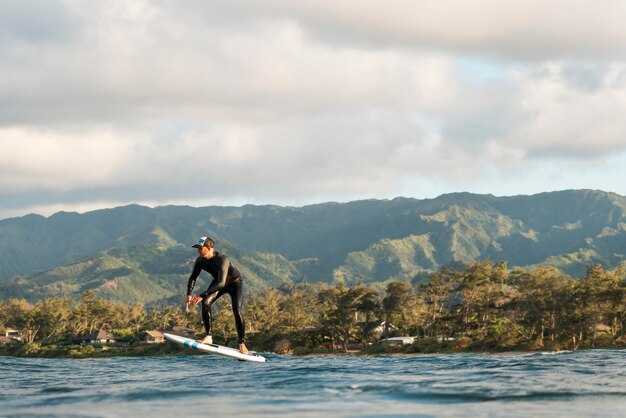 Wakeboarden en Wakesurfen op Lake Tahoe – Ultieme Gids & Top Plekken">

Boek vroeg voor het hoogseizoen om motorboten te reserveren en vertragingen te voorkomen. Het netwerk van jachthavens van Lake Tahoe bevindt zich rond de zuidelijke en noordelijke oevers, met lanceerplaatsen in South Lake Tahoe, Incline Village en Tahoe City. Sessies duren twee tot drie uur voor wakeboarden of wakesurfen, plus tijd voor het wisselen van uitrusting. Jassen en reddingsvesten zijn aanwezig, dus je eerste rit begint snel na een veiligheidsbriefing.
De meeste sessies vertrekken vanaf de South Shore of de North Shore, met beschutte baaien nabij Zephyr Cove, Kings Beach en Sand Harbor. Emerald Bay levert een dramatisch landschap terwijl het water kalm blijft voor makkelijkere starts. Operators bieden meestal boards, vesten en instructies, en je kunt wakeboarden en wakesurfen combineren in één trip.
Arbeidskosten en upgrade van de uitrusting beïnvloeden de waarde, dus vergelijk pakketten voordat je boekt. Introductiepakketten bevatten meestal boards, vesten en coaching, met tubing-add-ons die bij veel aanbieders verkrijgbaar zijn. Na een sessie bieden de barbecues in nabijgelegen parken een handige optie voor een snelle maaltijd. De reistijden vanuit Reno of Sacramento variëren; de meeste gasten rijden ongeveer 40-60 minuten naar de South Shore of 30-50 minuten naar de North Shore.
Beschikbare uren lopen van laat in de lente tot vroeg in de herfst, met de grootste drukte in het hoogseizoen van de zomer langs de oevers van Tahoe. Een meerdaags plan ontgrendelt meer plekken, waardoor uw crew om de beurt achter speedboten kan zitten en kan genieten van ongerepte waterachtergronden. Bevestig bij het boeken de beschikbaarheid van de uitrusting en of jassen, vesten en boards beschikbaar zijn voor elke persoon in uw groep; sommige aanbieders bieden kortingen voor groepen van vijf of meer personen.
Praktische Wake Sport Gids voor Lake Tahoe
Recommendation: Huur een motorboot met een ballasttank en boek een wakeboardsessie van 2 uur met een lokale gids om te zorgen voor soepele starts en een veilige lijnopstelling. Tijdens je bezoek aan Tahoe wil je een snelle veiligheidsbriefing; vraag naar bobby in de winkel om de sleephoogte en snelheid aan te passen, zodat je eerste runs gemakkelijk en vol vertrouwen aanvoelen, zelfs als je nieuw bent in de wateren van Tahoe. Het team zal je helpen make haal het meeste uit je dag en zet veiligheid voorop.
Uitrusting en setup: Start with a 18-21 m lijn, zet de boot op 29-35 km/u en kies een brede hekgolf om basissnedes en overgangen te oefenen. Gebruik een wakeboard met passende bindingen; veel verhuurders bieden een reddingsvest en een korte veiligheidsbriefing. Controleer ook de service inclusief coaching op het water en een reserve touw voor het geval het rafelt. Als je je eigen spullen hebt, neem die mee; dat helpt. value door u uw stand en kantcontrole te laten instellen. Sommige winkels bieden eenvoudige materiaalcontroles en snelle demo's om te helpen person Nieuw in de sport.
Waar te rijden: Hotspots aan de noordkant rond Incline Village en Kings Beach bieden lange, schone runs nabij jachthavens; Sand Harbor Beach biedt zachte starts op rustigere ochtenden. Gebieden in South Lake Tahoe nabij Zephyr Cove en Meeks Bay bieden langere stukken water wanneer de wind draait. Denk eraan om de no-wake zones in de buurt van havens te respecteren en de lokale richtlijnen te volgen. Voor sommige plaatsen is een vergunning vereist voor het slepen; controleer dit voordat u de stad in en uit rijdt. Sommige boten stonden klaar bij de docks met kant-en-klare lijnopstellingen om het wachten te verkorten.
Verhuur en instructie: De meeste aanbieders bieden complete pakketten aan met motorboten, ballasttanks en wakeboards, plus optionele lessen. Neem een geldig legitimatiebewijs mee als je naar de helling rijdt en je knowledge van veiligheidsregels; je team op het water blijft gecoördineerd. Je coach zou oefeningen afstemmen op jouw niveau, deliver duidelijke feedback, en je helpen snel vooruitgang te boeken. Voor value, vergelijk twee winkels: de ene focust op snelle lanceringen en de andere biedt uitgebreide coaching en gear demo's. Als je wilt easy toegang hebt, kies dan een plek die je huur, bootvoorbereiding en sleepkabel regelt, zodat je snel het water op en terug de frisse lucht van het meer in kunt.
Beste seizoensgebonden omstandigheden, watertemperaturen en windpatronen op Tahoe
Boek ochtendsessies zolang de wind nog licht is voor een strakke lijn en kalmer water.
De lente (maart–mei) brengt koud water en variabele wind. Het oppervlaktewater is ongeveer 4–13°C en de lucht warmt op van ongeveer 4°C tot 15-20°C. De wind verschuift van meestal kalm naar lichte westenwinden in de middag; begin vroeg met wakeboarden, wakesurfen of tuben en draag laagjes en een wetsuit. Verwacht af en toe storingen die de helderheid van het water verminderen en rukwinden met zich meebrengen; heb altijd een plan om dicht bij de kust te blijven als de omstandigheden verslechteren.
De zomer (juni–augustus) levert het warmste water voor Tahoe. Oppervlaktewater is meestal 16–24°C, met uitschieters tot midden 20°C op warme dagen. De luchttemperatuur varieert van ongeveer 21–29°C. De meeste dagen beginnen met weinig of geen wind, waarna de wind 's middags vanuit het westen aantrekt tot 24–40 km/u, met rukwinden dichter bij de kust hoger in blootgestelde baaien. Voor de meeste sessies kun je het beste mikken op 9:00–11:30 uur of 16:00–18:30 uur om in de rustigste gebieden te varen. Als je ballasttanks gebruikt op een wakeboardboot, kun je meer golf creëren voor wakesurfen; gebruik de uitrusting effectief om consistente golven achter de boot te creëren. Een ballasttank op de wakeboardboot helpt bij het instellen van de golfgrootte.
De herfst (september–november) koelt snel af: het water is ongeveer 10–18°C en de lucht komt in de buurt van 10–15°C. De wind wordt wisselvalliger, met 's ochtends vaak kalmere omstandigheden en 's middags meer kans op windstoten als er fronten overtrekken. Deze periode is geschikt voor kortere sessies of beschutte baaien als je je richt op techniek en timing, en je zult minder drukte aantreffen op populaire openwaterlocaties.
Windpatronen en strategische tips: Het bassin van Tahoe versterkt 's middags de west-zuidwestenwinden, dus plan je dag rond de dagelijkse cyclus. Op de meeste dagen blijft het open water 's ochtends beheersbaar, maar varen of gidsen over het meer vereist aandacht voor windstoten en lijnbeheer. Over het algemeen blijft de noordelijke oever 's ochtends laat gladder, terwijl de zuidelijke oever eerder op de dag choppy kan worden. Controleer uurlijkse voorspellingen en pas je plan aan om zware chop te vermijden en om je veiligheidsmarges te behouden voor lijnopstellingen, pontonbediening en materiaalcontroles.
Spots, uitrusting en clinics: Voor langdurige oefeningen op open water ga je naar plekken aan de noordelijke oever zoals Kings Beach en de omgeving van Tahoe City; locaties aan de zuidelijke oever rond Sand Harbor en Zephyr Cove zijn geschikt zodra de wind afneemt. Een ponton met ballasttank biedt een stabiel platform om te leren en te tuben, en de meeste verhuur omvat lijnen, reddingsvesten, boards en basiscoaching. Sommige gidsen organiseren clinics met oefeningen op open water; vraag vandaag nog naar de tarieven en opties per uur. Neem ook contact op met lokale gidsen zoals Bobby en een sessie met decker-achtige tips voor lijnbehandeling; Ook kunnen oefeningen op open water met jongens in de groep je controle vandaag verbeteren. Informeer vandaag ook naar verhuur per uur en coaching.
Top Wakeboardplekken rond North Lake Tahoe
Boek ochtendcharters vanuit Incline Village om het helderste water, de meest consistente wind en een open stuk te ontgrendelen voor een wakeboardsessie voor beginners. Deze opzet gaf je team vertrouwen en een vlotte start van de dag.
Rondom North Lake Tahoe bevinden zich diverse toplocaties voor verschillende niveaus: de baaien van Incline voor beginners, Kings Beach voor stabiele runs voor gevorderden en de westoever van Tahoe City voor langere afstanden. Speedboten van lokale aanbieders zorgen voor een vlotte start en voorspelbare slip, terwijl charters en gidsen de runs afstemmen op de ervaring van uw groep. Er is een breed scala aan opties en de tarieven variëren per bootgrootte en duur.
Voor gezinnen zijn sessies bij zonsopgang in de buurt van Kings Beach en Carnelian Bay rustiger; voor ervaren riders bieden de langere pulls voor Tahoe City en Meeks Bay grotere wakes en snellere overgangen. Wakeskaten is populair op dagen met weinig wind, en veel crews boden speciale wakeskate-sessies aan. Als je het plant, check dan de crewpagina van Bobby voor een vertrouwde lokale gids; hij geeft korte tune-ups en tips om je vooruitgang te versnellen. Je kunt ook bundels vinden op onze pagina met materiaalverhuur en servicebundels.
Opmerkingen over de uitrusting: boten hebben een brandstoftank die groot genoeg is voor opeenvolgende sessies; de meeste opties werken op benzine, maar een paar verkopers bespreken propaangedreven opties voor lagere emissies.
| Spot | Best For | Access | Opmerkingen |
|---|---|---|---|
| Incline Village / Crystal Bay | Familie, Beginners | Incline Village Marina, Brockway-helling | Stille ochtenden, open water; ideaal voor eerste halen |
| Kings Beach / Brockway Channel | Intermediate | Kings Beach-helling voor boten | Brede kielzogzones; gestroomlijnd verkeersmanagement |
| Carnelian Bay / Moon Dunes | Wakeskaten, Tricks | Carnelian Bay openbare helling | Vlak water vroeg; goed zicht en toegankelijke kustlijn |
| Tahoe City / West Shore | Experienced | Tahoe City Marina | Lange kabels, grotere golven; geweldig voor progressief varen |
| Meeks Bay | Schilderachtige routes, Familie | Meeks Bay Boat Ramp | Rustige baai, beschutting tegen de wind in de late namiddag |
Top wakesurfplekken rond South Lake Tahoe
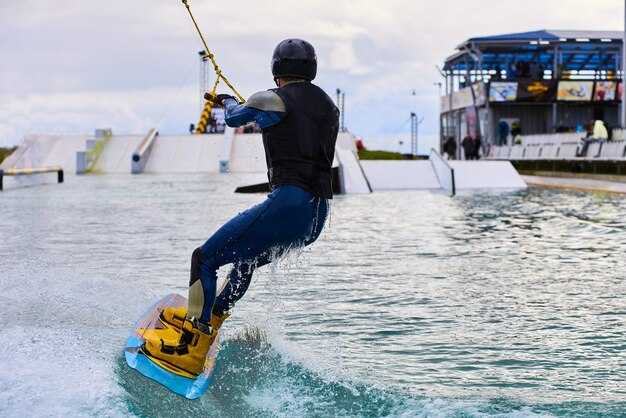
Zephyr Cove is de beste eerste stop vandaag voor voorspelbaar wakesurfen rond South Lake Tahoe. Open water net buiten het kanaal biedt schone, lange stukken achter motorboten, en de meeste charters leveren ballasttank-opstellingen om een solide wake te creëren. Boek een begeleide sessie of een privéboot; de prijzen variëren per aanbieder, maar je krijgt doorgaans instructie, materiaal en een speciale baan om te oefenen. Als je een gevarieerde dag wilt, omvatten veel trips ook tubing of tubes om snel tussen sporten te wisselen.
-
Zephyr Cove / Round Hill Corridor
Begin hier voor een stabiel, openwatergevoel met een brede, hapklare hekgolf. De baai biedt rustigere ochtenden en snelle toegang tot het belangrijkste wakeboardkanaal. De meeste boten hebben een tank om de hekgolf te tunen en een coach die je runs begeleidt. Het is een populaire plek voor beginners bij waterski- of wakesurflessen, dus verwacht dat je de plek met andere boten deelt. Prijs en beschikbaarheid variëren, maar je kunt rekenen op goede service van lokale aanbieders met uitrusting zoals reddingsvesten en gebruikelijke veiligheidsuitrusting.
-
Pope Beach / South Shore Calm Zone
Richt je hier op de rustigere plekken om zelfvertrouwen op te bouwen voordat je verder weg gaat. Het open water achter de grotere boten blijft relatief kalm op dagen met weinig wind, waardoor het een goede keuze is voor beginners en families. Operators organiseren vaak privétochten of sessies in kleine groepen, met instructeurs die het tempo aanpassen. De uitrusting omvat ballasttanks en optionele tubes voor plezier na de sessie.
-
Meeks Bay naar Emerald Bay Corridor
Deze sectie levert langere, ononderbroken golven als de wind meewerkt. Het is ideaal om je techniek te verbeteren en strakke lijnen te carven. Verwacht af en toe verkeer van rondvaartboten, dus plan je runs rond de piekuren. Lokale scholen en gidsen bieden stapsgewijze coaching, met boten die zijn uitgerust om stabiele wakes en veilige toegang tot het tanksysteem te bieden. Als je zin hebt in een langere dag, breiden veel trips zich uit naar nabijgelegen baaien voor de lunch en een snelle duik.
-
King's Beach / Brockwaygebied
De toegang tot de North Shore biedt een breed meer met frequente openwaterbanen. Het is populair bij meer ervaren riders die hogere snelheden nastreven en langere ritten maken. Coaches benadrukken hier techniekverfijning en cadans, en gebruiken ballastaanpassingen om de hekgolf aan te passen. Je vindt er een verscheidenheid aan boten met tubes en andere uitrusting voor een gemengde sessie, plus opties om wakesurfen te combineren met waterskiën of tubing.
Planning en boeken helpen je om je tijd op het water te maximaliseren. De meeste aanbieders bieden een coach, basisuitrusting en een drijfveiligheidskit, waarbij de tochten variëren van een halve dag tot een hele dag. Als je een flexibel schema wilt, informeer dan naar een privégids die een plan op maat kan leveren en zich kan aanpassen aan de omstandigheden. Voor families of groepen bieden arrangementen met tubing-uitrusting en extra tubes waarde en gemak. Zorg ervoor dat je de wind- en meeromstandigheden van vandaag controleert; als er harde wind opsteekt, ga dan naar rustigere baaien zoals Pope Beach of schakel over naar de buitenrand van Meeks Bay voor een soepelere tocht.
Brandstof, boten en stroom op het water: Huren versus je eigen uitrusting meenemen
Huur spullen voor een kort bezoek aan Tahoe; neem je eigen mee als je wekelijks vaart. Als je serieus bent over wakesurfen, maakt het hebben van je eigen board, vest en sleeplijn elke sessie voorspelbaarder en het leven op het water comfortabeler.
Verhuuropties vereenvoudigen de logistiek: de meeste uitrusting en tubes zijn inbegrepen, en u kunt een chauffeur toevoegen aan charters voor een hoog serviceniveau. U vindt pakketten die wakesurfboards, wakeboards, vesten en sleeplijnen dekken, plus optionele tubes en veiligheidsuitrusting.
Je eigen uitrusting meenemen: je hebt meer controle over de grootte van het wakeboard, bindingen en een wakesurfboard dat is afgestemd op je gewicht, en elke sessie voelt op maat gemaakt aan. Dit is ideaal als je een vast schema hebt en de voorkeur geeft aan een consistente setup tijdens verschillende trips.
Brandstof, tanks en vermogen: boten op Lake Tahoe vertrouwen op een brandstoftank met benzine; u kunt tanken bij de pompen in de jachthaven, en charters zijn vaak inclusief een volle tank bij vertrek. Als u huurt, bevestig dan of de brandstof is inbegrepen of dat u bij de pomp moet betalen.
Waar te beslissen: winkels aan de zuidkust bieden een verscheidenheid aan opties op verschillende plekken, van beginnerslessen bij wakeboardscholen tot high-performance charters met een chauffeur. Bekijk de pagina van elke winkel om de inbegrepen uitrusting, lijnlengte-opties en het inbegrepen serviceniveau te vergelijken. Veel plaatsen verzorgen ook wakesurflessen en -apparatuur voor beginners en professionals.
Praktische tips: let op het tankniveau en de actieradius van de boot en neem extra water en snacks mee voor een lange dag op het water. Sommige dokken hebben grills voor maaltijden aan het water, dus plan een korte pauze tussen de sessies. Als je met een instructeur wilt leren, vraag dan naar een schoolprogramma; een coach kan de voortgang versnellen en de veiligheid verhogen.
Inbegrepen uitrusting en waterspeelgoed: boards, touwen, reddingsvesten, sleepspullen
Open gear pakketten bevatten een wakeboard of wakesurfboard, een 18-23 meter lange sleepkabel, twee door de USCG goedgekeurde reddingsvesten, en een pontonboot aangedreven door propaan.
Charterbedrijven rondom Tahoe leveren dergelijke uitrusting in open verpakkingen, met flexibele trips en de mogelijkheid om apparatuur naar uw boot te brengen.
Begin voor het leren en de progressie met de meest stabiele opstelling: een kneeboard of wakesurf board voor beginners, een touw van 18-23 meter en twee goed passende zwemvesten. Coaching ter plekke van Bobby, die de boot bestuurt, zorgt voor soepele pulls en helpt je omhoog te blijven. Gegarandeerd plezier en een boost voor je zelfvertrouwen, de opstelling minimaliseert inspanning en houdt de veiligheid in het oog.
Towables voegen een sociale dimensie toe: tubes, drijvers en kleine opblaasboten gaan gepaard met de gecontroleerde kracht van je boot. Bovendien omvatten de meeste Tahoe-trips sessies die direct op elkaar volgen, waarbij gezinnen overdag een paar opties uitproberen.
Educatie en maatvoering: reddingsvesten moeten goedgekeurd zijn door de USCG en de juiste maat hebben voor elke persoon. De kennispagina op de charterwebsite helpt je bij het kiezen van boards en touwen op basis van vaardigheid, gewicht en ervaring.
Boek van tevoren via de charterpagina; veel charterbedrijven rond Tahoe bieden kant-en-klare uitrusting met open uitrusting, zodat u snel het water op kunt. Ze leveren de uitrusting vaak bij u ter plaatse in de jachthaven en hebben een eenvoudige incheckprocedure om vertragingen te voorkomen.
Propaan op het ponton drijft verwarmingen en grills aan na een dag op het water; de brandstof wordt voor uitstapjes gecontroleerd en veilig opgeslagen. Of je nu een korte sessie of een hele dag nodig hebt, charters kunnen flexibele plannen aanpassen en een vlotte ervaring leveren.