


 Nederlands
  English (UK)
  Русский
  العربية
  日本語
日本語  한국어
한국어  Magyar
  Türkçe
  Español
  Čeština
  Svenska
  Português
  Ελληνικά
  Suomi
Suomi  Română
  Italiano
  Français
  Polski
  Українська
  Deutsch
  简体中文
简体中文  Slovenčina
  Ho Chi Minh City Strengthens Tourism Ties with Denmark Through New Air Route">

Vietnam Opens New Horizons for International Tourism
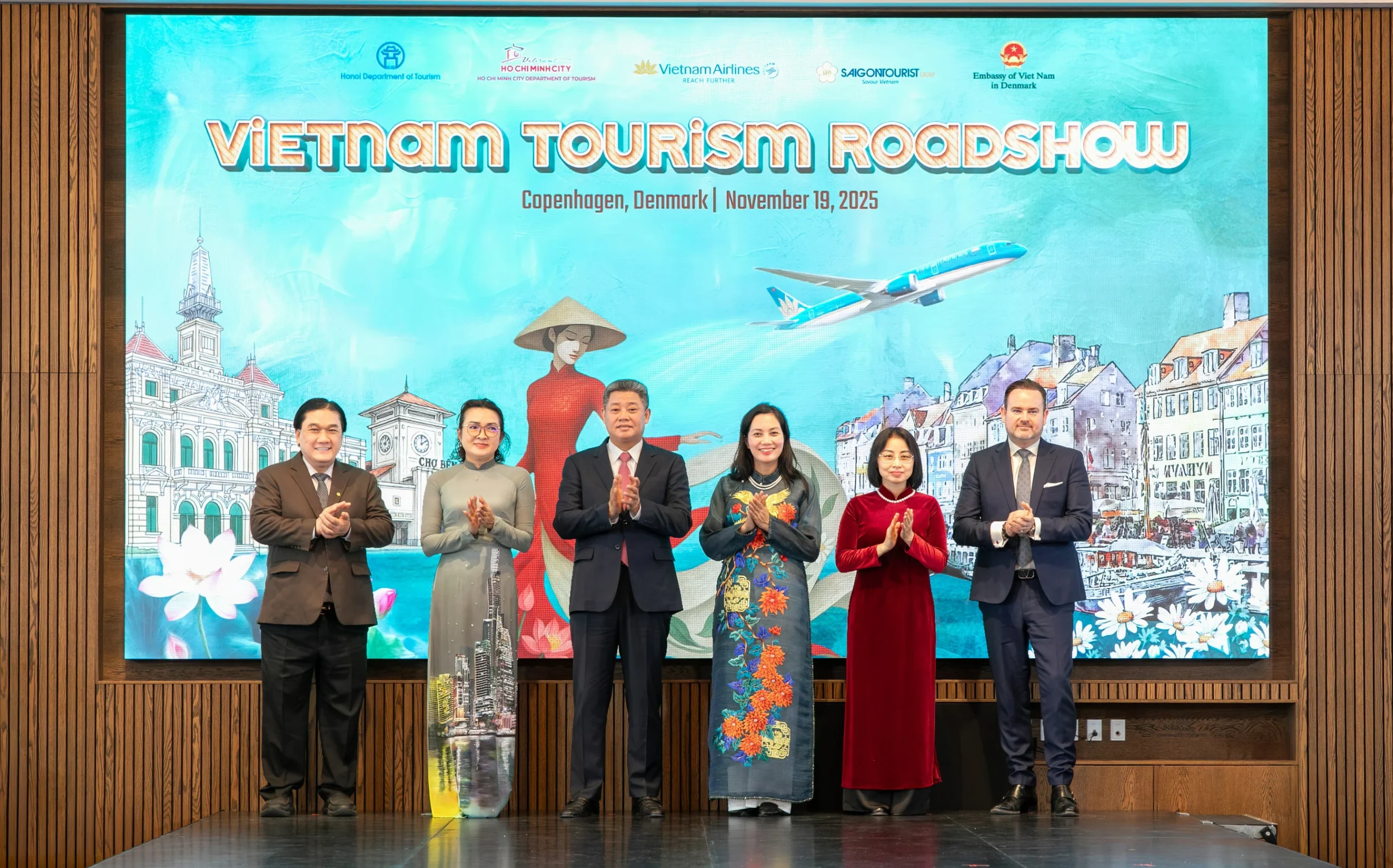
Efforts to entice high-spending travelers recently culminated in a prominent tourism promotion by the Ho Chi Minh City Department of Tourism in Copenhagen. This event, timed with the launch of the inaugural direct air connection between Ho Chi Minh City and Copenhagen, marked a significant step in drawing Danish and Northern European visitors to Vietnam.
The collaboration with Vietnam Airlines has highlighted Vietnam as an engaging destination known for its vibrant culture, stunning landscapes, and warm hospitality. This new route not only eases travel between the countries but also opens a gateway for enhanced cooperation in tourism, trade, and cultural exchange.
A Milestone in Connectivity
The establishment of the first non-stop flight service connecting Vietnam and Denmark symbolizes more than just increased convenience. It serves as an avenue for boosting economic ties, broadening cultural awareness, and encouraging tourism growth on both sides.
This milestone aligns well with Vietnam’s broader goal to position itself as a leading travel destination that offers a blend of tradition and modernity set against breathtaking natural backdrops.
Roadshow Promotion: Showcasing New Ho Chi Minh City
Alongside the new flight announcement, a vibrant tourism roadshow traveled through Copenhagen, spearheaded by the Ho Chi Minh City Department of Tourism, Vietnam Airlines, Hanoi Department of Tourism, and Saigontourist Group. The initiative highlighted unique travel experiences and signature products of the New Ho Chi Minh City, framing it as an innovative and globally connected destination.
The city’s appeal lies in its dynamic urban vibe combined with rich historic and cultural elements, all crafted around three main pillars: economic innovation, cultural heritage, and an inviting environment for business and leisure travelers.
Vietnam: A Journey from History to Modern Tourism
Vietnam’s history is rich and complex, deeply influencing its present-day tourism appeal. From ancient empires and colonial struggles to rapid modernization, the country has matured into a must-visit locale full of diverse cultural sites, natural wonders, and beach resorts.
The cities of Hanoi, Hue, and Ho Chi Minh City stand as cultural beacons, representing the vibrant past and bustling present that attract millions every year. The scenic coastal areas, including world-famous bays and fishing villages, also contribute substantially to the nation’s tourist appeal.
Historical Tourism Foundations
- Hanoi, the capital, offers ancient temples, colonial architecture, and revolutionary museums.
- Hue is known for its imperial citadel, royal tombs, and pagodas, drawing history enthusiasts.
- Ho Chi Minh City is a commercial and cultural hub with a lively ambiance, French-influenced architecture, and innovative urban attractions.
In addition to urban tourism, Vietnam’s natural beauty—from lush forests and majestic mountains to famed bays dotted with limestone islands—provides ample opportunity for adventurous travelers and ecotourism.
Expanding Horizons in International Tourism
The emergence of direct flights like the Ho Chi Minh City-Copenhagen route underscores the growing interconnectivity between Vietnam and global markets. It signals increasing openness and readiness to welcome tourists worldwide, including from Northern Europe where passion for rich cultural and exotic travel experiences continues to grow.
As transportation infrastructures improve and international collaborations thrive, Vietnam’s tourism sector is poised to flourish, offering diverse activities ranging from cultural explorations and heritage tours to seaside relaxation and boating adventures.
Looking Ahead: Implications for Marine Tourism and Beyond
Though this development may primarily highlight air travel and cultural tourism, its ripple effect can extend into the marine and sailing sectors. Vietnam’s coastal geography, abundant natural harbors, and beautiful water routes make it a potential hotspot for yacht charters, sailing tours, and marine recreation.
As more international visitors arrive via the new routes, demand for boat rentals, beachside resorts, and water activities is expected to increase. This creates opportunities for expansion in yachting and related leisure activities, serving both seasoned sailors and casual boating tourists.
Key Benefits to Nautical Tourism
- Enhanced access for sailing enthusiasts from Northern Europe to Vietnam’s waters.
- Growth in marine-related services such as yacht charters and guided fishing tours.
- Development of marinas and waterfront infrastructure to support increased boating traffic.
With these growing connections, Vietnam is positioned not just as a cultural and beach destination but also as an emerging yachting and boating hub where international visitors can indulge in the pleasures of sea travel and ocean adventures.
Summary and Conclusion
The launch of the first direct flight between Ho Chi Minh City and Copenhagen marks a critical step in linking Vietnam with Northern Europe, enhancing tourism, trade, and cultural ties. The accompanying roadshow and promotional events underline the vibrant, innovative character of Ho Chi Minh City and the country’s broad appeal.
Vietnam’s historical depth combined with natural beauty offers varied attractions for travelers, and evolving infrastructure ensures these experiences will only become more accessible. For marine tourism especially, increased visitor arrivals will likely drive interest in yacht charters, boating excursions, and coastal recreation.
For those interested in exploring Vietnam’s waters, beaches, and cultural destinations, GetBoat.com serves as an international marketplace for renting sailing boats and yachts, providing tailored options to suit diverse tastes and budgets. This platform emphasizes the country’s growing appeal as a yachting destination, complementing its expanding air travel connections and vibrant coastal activities.