


 Nederlands
  English (UK)
  Русский
  العربية
  日本語
日本語  한국어
한국어  Magyar
  Türkçe
  Español
  Čeština
  Svenska
  Português
  Ελληνικά
  Suomi
Suomi  Română
  Italiano
  Français
  Polski
  Українська
  Deutsch
  简体中文
简体中文  Slovenčina
 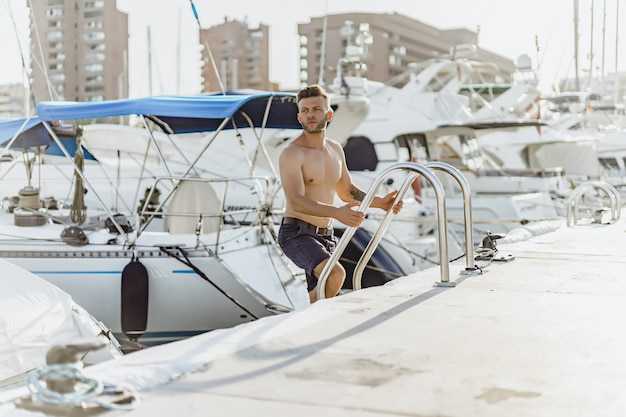 Types of Boat Covers – How to Choose the Right Fit for Every Vessel">

Choose a tailored cover that matches your boat’s profile to prevent sagging and protect the interior for the long-term commitment. A precise fit reduces wind stress, keeps cushions in the original finish, and yields better water shedding. When you measure, keep in mind length overall, beam, freeboard, cockpit layout, and engine hatch geometry, then select a fabric that is resistant to UV, salt spray, and mildew.
There are several common types for different vessels: full-boat covers that shield the entire profile, cockpit covers for open boats, bow covers for spray protection, and transom covers for stern areas. For trailerable boats, choose lighter-weight fabrics and secure edges with snaps or straps; for moored boats, a heavier fabric and reinforced seams resist wind. When you’re looking for a fit, favor a tailored shape that aligns with rails, cleats, and hardware to reduce movement and wear.
Material choice matters: pick marine-grade fabrics with a dense weave and high resistance to sun, moisture, and salt. A breathable layer helps prevent condensation, and a tight weave tends to resist tearing. For storm-ready use, select weather-sealed seams and edge protectors to extend the life of the cover and preserve the finish.
Fit and securing methods make the difference between a cover that lasts and one doesnt. Use snaps, adjustable straps, and tight hems to maintain a snug profile. Before you buy, check that the design accommodates hardware such as leaning posts, antennas, and swim platforms; a cover that doesnt fit around these features will rub, crack, or sag.
Maintenance matters: regularly inspect the cover for signs of wear, tears, or fabric thinning; replace worn panels before leaks form. weve learned that storing covers dry and out of direct sun preserves color and flexibility. For a middle-ground option, pick a fabric with moderate weight that resists fading yet remains flexible in cold weather, reducing stiffness and making it easier to achieve a good finish each season.
Voor een clear choice, record measurements in inches and compare them to a size chart; if you’re between sizes, go with the larger option and rely on a tailored cut to avoid movement. If you own a floating deck or pontoon, ensure the cover has drainage features and a slight bow to promote runoff; this creates less standing water and extends the life of the fabric.
Boat Covers: Types, Fit, and Damage Checks
Choose a zippered vinyl cover with a snug, tailor-made fit for your boat, and add a wind strap to resist flapping during storms. This setup protects rails, console, and decks without rubbing and loosening in gusts.
Fit matters most. Measure length from bow to stern, note the width at the rails, and map any protrusions such as cleats or grab handles. For british boats with low freeboard, pick a cover labeled for a precise fit and trim to the exact length so that the corners stay taut rather than sagging. These steps meet needs for a secure, long-lasting fit that saves you from chasing adjustments after every trip.
Materials offer different balances. Vinyl provides waterproofing and lasting resistance, while marine-grade polyester resists fading and dries faster after rain. For long trips in sun, choose UV-stabilized fabric that keeps color and strength. If you have a console or rails, a form-fitting design that hugs the console and rails reduces movement and noise, giving you a great, quiet ride.
Damage checks keep costs down. After each season or a long voyage, inspect seams for fray, zipper tracks for kinks, and buckles for wear. Look for soft spots that indicate water intrusion or fabric breakdown; address these fast to avoid a bigger break later. Crawling moisture in seams can signal hidden damage, so run a quick visual and a smooth test of the zipper to catch issues before they become costly repairs.
Maintenance and care. Rinse with fresh water, then soap and a soft brush to remove salt and grime. Avoid harsh cleaners or bleach that can deteriorate fiber; dry the cover completely before storage to save its life. Store in a cool, shaded area to keep color from fading and stitching from cracking. This adds to a unique, long-lasting cover and reminds you to mind the fabric’s flexibility rather than letting it stiffen over time.
| Type | Fit Tips | Pros | Care |
|---|---|---|---|
| Zippered vinyl cover | Snug around console and rails; include straps to resist wind | Ultimate water resistance; great durability | Soap and water; air dry to preserve elasticity |
| Elasticated marine-poly cover | Stretch fabric for easy install; space around rails | Lightweight; good breathability | Rinse after use; occasional fabric-safe cleaner |
| Custom-tailored marine fabric | Measured LOA and beam; trim to length | Unique fit for odd hulls; reduces movement | Clean gently; avoid bleach |
| British-market universal | Designed for british boats with low freeboard | Value option; widely available | Verify length and secure with straps |
These options let you choose the ultimate cover that fits your vessel’s needs today. Commit to regular damage checks, and you give your craft reliable protection that withstands crawling weather, long journeys, and routine use while saving time and money in the process.
Measure the Hull: Step-by-Step Size and Fit Checklist
Step 1: Gather tools and set a baseline. Use a quality, flexible tape measure (3 m–6 m), a lightweight notebook, and a water-repellent marker. Check dock conditions and record details for tomorrowour reference, especially when planning long-term storage or weekend maintenance.
Step 2: Measure hull length along the waterline. On calm water, place the start of the tape at the bow tip, run it along the gunwale to the stern tip, following the waterline. Record length along the waterline (LWL). For many vessels, LWL is the best guide to the cover length; add 2–3 inches (5–8 cm) for tolerance so the cover holds without binding.
Step 3: Record widest beam and deck clearance. Measure the beam at the hull’s widest point, typically amidships, and note the distance between the widest points of the hull. Add 2–4 inches (5–10 cm) to include under-rails clearance and any hardware. This helps you choose a cover with sufficient width so no edge chafes or flapping occurs in wind.
Step 4: Check freeboard and vertical clearance. Measure freeboard at bow, midships, and stern by placing the tape vertically from waterline to the highest point of hull near those stations. Record the maximum height; add 6–12 inches (15–30 cm) for a cover that drapes well and can hold rain without sagging. Note under-deck protrusions or fittings that affect the cover fit, such as cleats, rails, or a folded-down bimini.
Step 5: Note hull curvature and station spacing. Take readings at three or more stations across the hull (bow, midship, stern). If the hull widens quickly near the bow or stern, plan a slightly wider cover in those zones. Write down the widest measurement and the station location to guide how the cover will cradle the hull, avoiding tight spots that cause wear.
Step 6: Account for hardware, add-ons, and overhangs. Include rub rails, outboard brackets, swim platforms, and other hardware in your length, width, and height planning. If you have an overhang, measure its projection and include extra length. This step helps you avoid a cover that sits too tight or cannot reach the stern corners.
Step 7: Translate measurements into a size plan. For a practical fit, use these rules: cover length = waterline length + 6–12 inches (15–30 cm) to allow forward and aft overhang; cover width = widest beam + 3–6 inches (7–15 cm) for edge clearance; cover height = max freeboard + 6–12 inches (15–30 cm) for a snug but easy-to-remove fit. These concepts help you anticipate how the fabric sits on the hull, avoiding tight spots.
Step 8: Pick the fabric and style for long-term use. Choose water-repellent, breathable fabric to shed rain while allowing moisture to escape, reducing mold risk. For weekend storage or long-term needs, lightweight options that resist UV and abrasion stay pliable in cool mornings. Seams and hems hold shape, and breathable fabrics help the cover hold its fit, while avoiding unnecessary weight that can accelerate wear at tie points.
Step 9: Final check and documentation. Do a light test fit on the dock; edges sit under rails, straps reach anchor points, and corners stay smooth with a breeze. If something binds, revise the margin by 1–2 inches and recheck. If you arent sure about the margin, adjust again and re-test. Also capture photos for tomorrowour reference and log any adjustments needed for long-term storage or the next weekend.
Fabric Options: Canvas, Polyester, PVC, and Their Uses
For most boat covers, marine-grade PVC-coated polyester is the best match. It delivers rainproof protection, easy cleaning, and a long total life, making it a solid investment for many owners. When choosing length and fit, rely on a dealer or skilled craftsman to ensure a snug wrap that guards hardware and cockpit space. This kind fabric keeps weight manageable and fits a broad range of boat lengths.
PVC-coated fabrics excel in humid conditions, resisting water intrusion and salt spray. They suppress mold growth and limit condensation buildup when used with breathable venting and proper underlayers. Their abrasion resistance and straightforward cleaning help keep costs down, supporting a longer total lifespan with minimal upkeep.
Polyester with a marine-grade coating offers strong UV resistance, color stability, and lighter weight. It tends to dry quickly after rain and is easier to handle during installation, a practical advantage for many shopping trips or dealer visits. When kept in good condition, these fabrics prolong the time between replacements and remain a reliable option for every kind of craft.
Other fabrics include vinyl-backed blends and specialized hybrids designed for high-heat or tropical environments. These choices can be cheaper up front but may need more frequent care to prevent cracking or stiffness in cold weather. Always check marine-grade labels, confirm warranty terms, and compare total cost of ownership before committing, because an informed choice saves money over multiple seasons.
Maintenance tips: keep condensation under control by keeping covers dry and vented; remove bird droppings promptly to avoid staining and damage. Store the boat properly and keep tracks and seams clean to prolong fabric life. These habits help every purchase stay on budget and protect your investment.
Attachment Systems by Boat Type: Bungee Cords, Straps, and Hardware
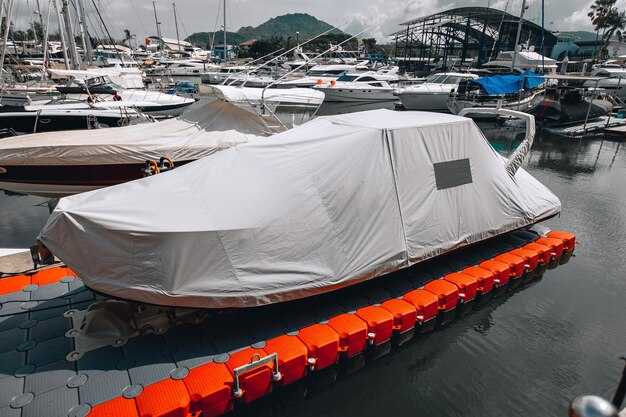
There, for trailerable boats, equip a three-part system: marine-grade hardware at reinforced anchor points, high-strength polyester straps, and a UV-stable bungee backup. This combination can give secure cover retention while resisting high winds, moisture, and debris, and it remains practical in typical marina spaces. This combination makes setup quick and repeatable, helping budget-conscious owners.
Bungeekoorden bieden een snelle installatie voor lichte bescherming van kleinere vaartuigen. Gebruik uitsluitend UV-bestendige koorden van maritieme kwaliteit met versterkte uiteinden. Ze absorberen beweging en verminderen de spanning op de afdekking; houd ze uit de buurt van scherpe randen en extreme hitte. Als u rek van meer dan 20-25% ziet, vervang ze dan om de waterbestendige prestaties te behouden en om het binnendringen van vocht en vuil te minimaliseren.
Riemen Zorg voor verstelbare, hoge spanning beveiliging voor grotere boten. Gebruik polyester banden van 3,8–5 cm breed met roestbestendige gespen en een ratel- of klemmechanisme. Ze zijn beter bestand tegen vocht en slijtage dan nylon, en hun kenmerken omvatten eenvoudige ontgrendeling voor onderhoud. Voor prijsbewuste kopers bieden 5 cm polyester banden met versterkte stiksels de beste balans tussen kosten en betrouwbaarheid; dit is een solide investering voor meerdere seizoenen.
Hardware Omvat roestvrijstalen ringen, snelsluitingen en versterkte bevestigingspunten. Kies beslag van marinekwaliteit dat bestand is tegen zout, vocht en temperatuurschommelingen. Versteviging op belaste punten voorkomt buigen en vermindert slijtage aan afdekkingen en ventilatieopeningen. Professionele installateurs waarderen hardware die de installatie versnelt zonder aan kracht in te boeten. Lokale leveranciers en gerenommeerde merken (waaronder tomorrowour line) bieden geteste producten en service-opties, wat u helpt een nette, betrouwbare installatie te behouden.
Boottypespecifieke kenmerken zijn belangrijk: boten die getrailerd worden hebben baat bij snelle, zichtbare bevestiging nabij boegogen en spiegels; zeilboten en centerconsoles profiteren van extra versteviging rond mastvoeten en spatwaterzones; opblaasbare vaartuigen vereisen zachtere riemen om lekken te voorkomen en corrosiebestendige bevestigingsmiddelen. Gebruik afdekkingen met ventilatieopeningen om vocht en luchtstroom tijdens opslag te reguleren, en kies een systeem dat past bij het lokale klimaat en de typische hoeveelheid vuil.
Onderhoud houdt het systeem sterk: inspecteer op corrosie, reinig en droog componenten, verwijder vuil uit riemkanalen en test de spanning na transport. Een investering in de juiste opslag en zorg loont morgen, waardoor boten beschermd blijven en afdekkingen seizoen na seizoen schoon blijven.
Weerbescherming: UV-bescherming, waterdicht maken en seizoensonderhoud
Kies een lichtgewicht, gepatenteerde stoffen hoes met UV-remmers en ademende panelen om de zon te blokkeren, terwijl vocht kan ontsnappen.
Voor lange vaarseizoenen kiest u een op maat gemaakte hoes die nauwsluitend over de romp en rond de relingen past, waardoor blootstelling aan de zon op de lak wordt voorkomen en de slijtage aan de breedte wordt verminderd. We hebben vastgesteld dat ademende panelen de binnenlucht in beweging houden en condensatie op het oppervlak tegengaan, terwijl ze bolders en fittingen beschermen.
- UV-bescherming: kies een hoes met een gepatenteerde UV-werende laag en een reflecterende buitenkant om het oppervlak en de lak te beschermen, terwijl een ademende binnenkant de warmteopbouw minimaliseert.
- Pasvorm en positionering: lijn de hoes uit met de middenlijn om overmatige spanning nabij de rails en blootgestelde randgebieden te voorkomen, wat het risico op scheuren vermindert en de levensduur verlengt.
- Kleur en ventilatie: kies voor een lichte buitenkant om zonlicht te weerkaatsen; zorg voor luchtstroom rond die blootgestelde zones om schimmelvorming binnenin de achterkant en rondom fittingen te voorkomen.
Waterdichting en langdurige bescherming vereisen gerichte stappen die passen in een seizoensgebonden routine. Volg deze tips om maximale bescherming te bereiken zonder in te boeten aan bruikbaarheid.
- Voorbereiding: reinig het oppervlak met milde zeep en water, spoel grondig na en droog volledig voordat u de hoes installeert, vooral rondom de kikkers en de middenlijn waar water zich vaak ophoopt.
- Naden en sluitingen: vertrouw op dubbel gestikte of getapete naden en een waterdichte rand om water buiten te houden; controleer na elk seizoen op slijtage aan de achterhoeken en rond de rails.
- Bevestiging en opslag: zet de aanhangerkabelboom en spanbanden gelijkmatig vast, vermijd overmatig aandraaien om scheuren te voorkomen, en bewaar de afdekking op een droge plaats wanneer deze niet in gebruik is om de elasticiteit en kleur te behouden.
Een seizoensgebonden onderhoudsroutine helpt het uiterlijk en de prestaties te behouden. Gebruik deze praktische stappen om zeer goed uitziende uitrusting en rompschildering door de seizoenen heen te beschermen.
- Lentecheck: inspecteer oppervlak op schaafwonden, test rondom kikkers en balkverbindingen, en vervang versleten delen; zoek naar vervaagde verf of blootliggende stof die aandacht nodig heeft.
- Zomeronderhoud: matige reiniging van de buitenkant om zout en vuil te verwijderen, en vervolgens opnieuw naadkit aanbrengen rond blootliggende naden voor voortdurende waterdichtheid.
- Herfst en winter: verwijder vuil, maak grondig schoon en laat de afdekking volledig drogen voordat u deze opbergt; overweeg een ademende hoes die in het midden past en toch compact blijft in de trailer.
Het volgen van deze richtlijnen helpt u schade te voorkomen, de levensduur te maximaliseren en de afdekking het hele seizoen als nieuw te laten presteren. Die routines vertalen zich in een veiliger en beter beheersbaar onderkomen voor de boot, en beschermen het oppervlak waar u op vertrouwt als u terug naar de kust vaart.
Schadecontrole: Controleer hoezen op scheuren, verkleuring en slijtage van hardware
Begin na elk vaarseizoen met een praktische schadecontrole: Let op scheuren langs naden, vervaging op panelen die aan de zon zijn blootgesteld, en slijtage van hardware bij riembevestigingen of ritsen. We hebben gezien dat losse stof en gerafelde stiksels aangeven dat een reparatie of vervanging nodig is. Eigenaars die hun vaartuig traileren, moeten inspecteren rond de trailerhardware en langs de randen waar wrijving optreedt, en letten op losse onderdelen die na verloop van tijd kunnen verergeren.
Materiaalkeuze is belangrijk: vinylhoezen zijn water- en schimmelwerend, maar kunnen sneller verbleken in fel zonlicht; polyester mengsels blijven langer zacht en zijn bestand tegen krimpen, maar randen kunnen slijten bij intensief gebruik. Let op verstevigde naden en dubbele lagen op belangrijke stresspunten; zachte panelen rond ventilatieopeningen verminderen schuren en verlengen de levensduur van de hoes.
Hardwarestatus: advice: inspecteer zeilringen, ritsen, gespen, riemen en sluitingen; draai losse onderdelen vast en vervang gecorrodeerde onderdelen onmiddellijk; controleer de draden in verstevigde gebieden waar bevestigingsmiddelen door randen gaan; houd deze onderdelen roestvrij door ze na blootstelling aan zout af te spoelen.
Reparatie en onderhoud: breng bij kleine scheurtjes een verstevigde patch van binnenuit aan of gebruik naadtape; overweeg bij verkleuring een kleurbehoudende behandeling voor vinyl; wanneer er sprake is van wijdverspreide slijtage, zorgt geautoriseerde service of een volledig nieuwe hoes voor langdurige bescherming. Regelmatige controles ondersteunen uw commitment om uw uitrusting in topconditie te houden.
Klimaat en kosten: Californische zon en zilte lucht versnellen slijtage; houd gegevens bij van controles om trends te volgen. Of u het vaartuig nu in zout water of zoet water bewaart, een goed passende hoes vertraagt de achteruitgang en beschermt uw investering. Als u moet vervangen, vergelijk dan opties binnen vinyl- en polyesterlijnen; goedkopere keuzes kunnen eerder defect raken, terwijl een betere versterkte optie langdurige bescherming biedt, waardoor dure vervangingen worden verminderd.