Het Kanaal bevaren: Een historische vaarroute
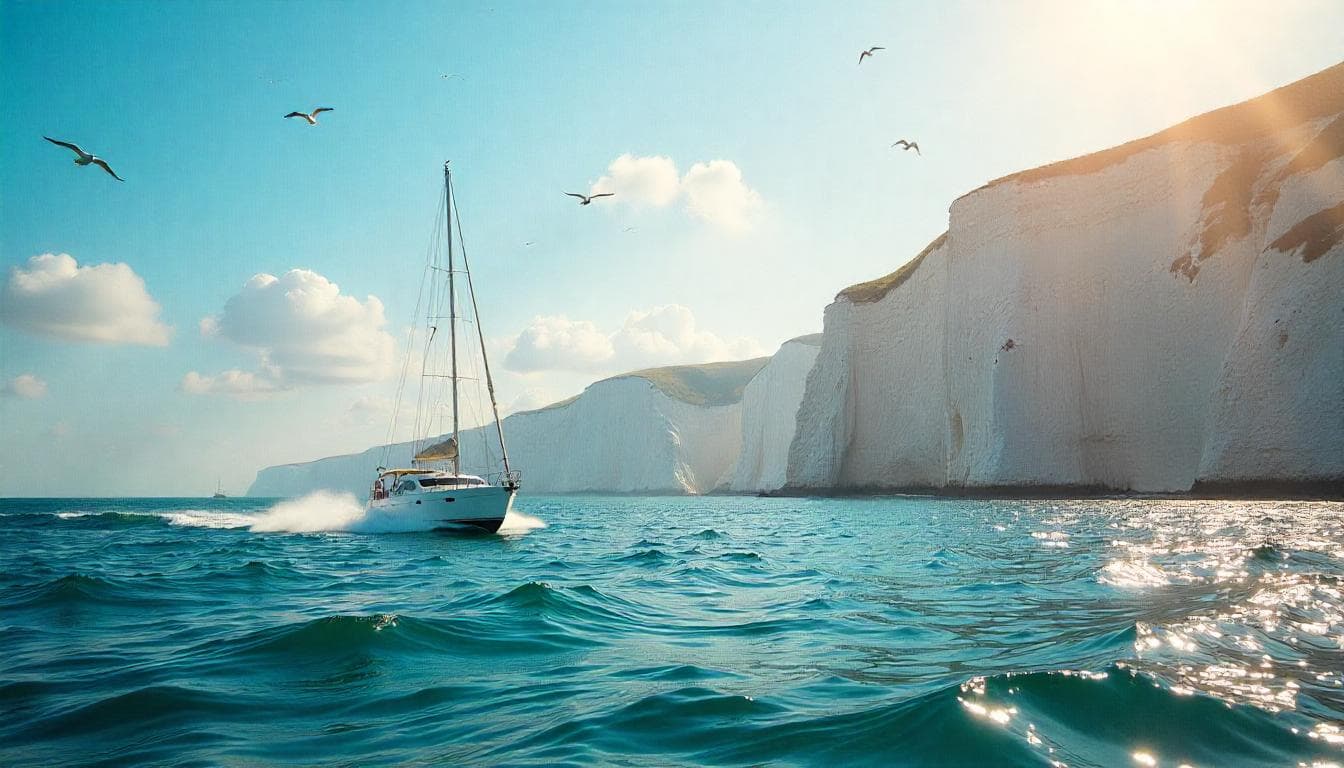
The English Channel remains one of the most direct routes for anyone sailing between southern England and northern France. Its waters have carried traders, invaders, and leisure sailors for centuries, and the same stretch still attracts modern yachts looking for a mix of short passages and interesting ports on both sides.
Why sailors still cross the Channel
Many charterers choose the route because it links two countries with plenty of accessible harbours within a day’s sail of each other. From the English side you can reach several French ports in five to eight hours under reasonable conditions, and the reverse trip is equally straightforward. The short distances make it practical for crews who want to spend nights ashore rather than at sea for days on end.
Another draw is the variety of harbours. Larger commercial ports sit alongside smaller fishing towns and historic marinas, so the same trip can include both a quick fuel stop and a longer stay to walk around old streets or visit local markets.
📚 You may also like
Historical points of interest along the route
The Channel has seen Roman legions, medieval fleets, and the large naval operations of the twentieth century. Visible reminders remain on both coasts. The White Cliffs of Dover mark the approach to one of the busiest English ports, while the Normandy beaches lie within easy reach of several French harbours. Dover Castle and various coastal museums give crews a chance to step ashore and learn more without leaving the general sailing area.
These sites are not the main reason most people sail the route, but they add context once you are already moving between ports.
Weather and sea conditions to expect
The Channel is known for changeable weather and strong tidal streams. Winds can rise quickly, especially in the western approaches, and the combination of tide against wind often produces steep, uncomfortable waves. Summer months usually bring milder conditions and longer daylight, which is why most leisure passages happen between May and September. Even then, forecasts should be checked daily because local effects near headlands can differ from the general outlook.
Tidal ranges are large in many harbours, so entry and exit times need to be planned around the tide tables rather than the clock.
Traffic and navigation practicalities
The waterway carries a high volume of commercial shipping, ferries, and fishing vessels. Yachts must keep clear of the main traffic lanes and use recognised crossing points where possible. Automatic identification systems and up-to-date paper charts remain useful even when electronic plotters are on board. VHF watch on the appropriate channels helps with early awareness of larger ships altering course.
Many harbours require advance booking in peak season, and some have restrictions on anchoring inside the breakwater. Checking port websites or calling ahead avoids last-minute surprises.
Preparing a yacht for the crossing
Charter companies usually supply boats already equipped for coastal work, but crews should still confirm the inventory. Extra fuel, spare lines, and a full set of paper charts for the area are worth having. Lifejackets with harnesses and tethers become more important once you leave sheltered waters. A reliable engine and a tested bilge-pump system give extra margin if weather deteriorates.
Insurance documents and the boat’s registration papers should be easily accessible for any harbour officials who ask to see them.
Frequently Asked Questions
How long does a typical crossing take?
Most direct passages between popular English and French ports take between five and ten hours, depending on the exact start and finish points and the strength of the tide. Shorter hops along one coast can be done in a single day with time to explore ashore.
Do I need special training or certificates?
Competent crew and day-skipper qualifications are usually sufficient for the route in settled weather. Skippers should be comfortable with tidal navigation and busy shipping lanes. Some charter companies ask for evidence of previous Channel experience before allowing a bareboat handover.
Can I charter a yacht for this route through GetBoat?
Yes. Several operators listed on the site offer boats based in Dover, Poole, Cherbourg and nearby harbours that are suitable for Channel passages. Checking availability and comparing equipment lists in advance helps match the boat to the planned itinerary.