De beste plaatsen om te duiken vanaf een jacht
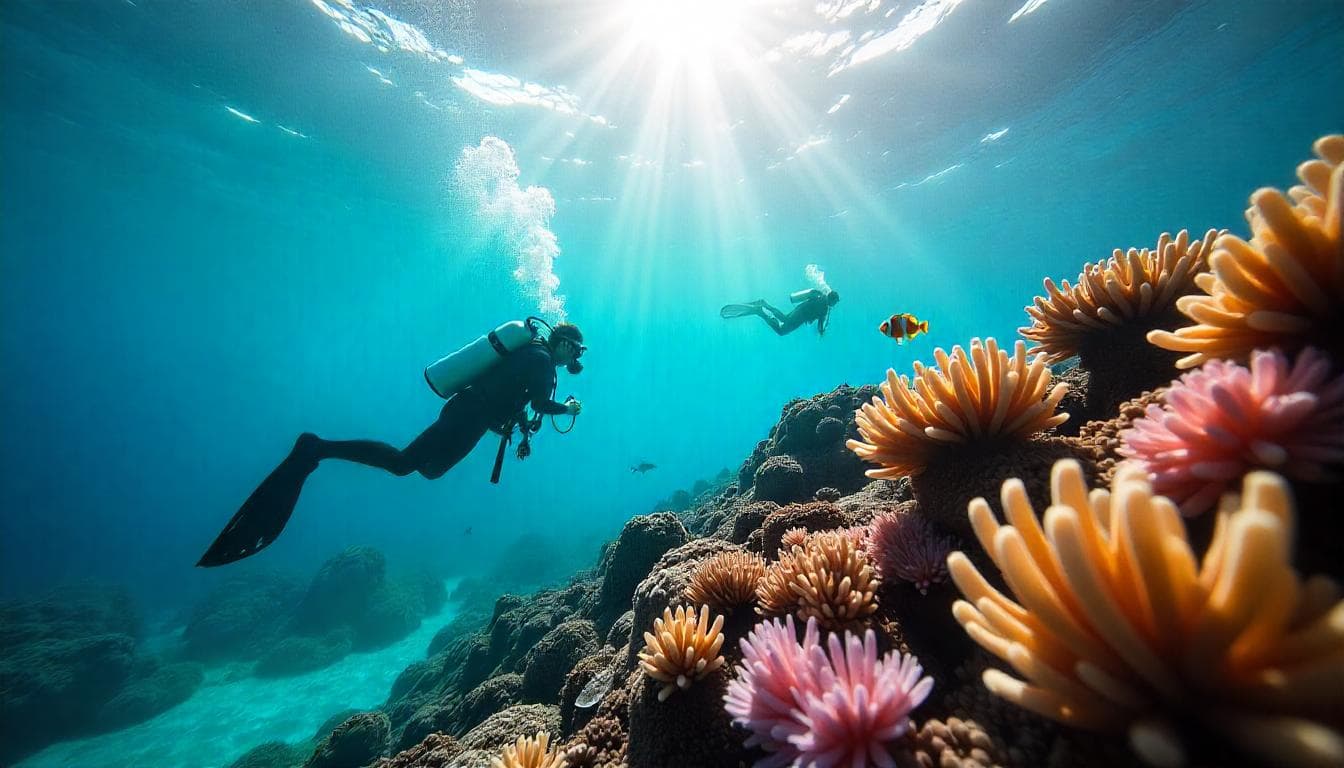
Diving from a yacht lets you reach sites that day boats often skip. You set your own schedule, avoid crowds at popular entry points, and keep all your gear in one place. The approach works best in regions where reefs or wrecks sit within a short swim of safe anchorages and where local rules permit private vessels to moor near the dive area.
Why yacht access changes the experience
Most dive sites near shore fill up by mid-morning. A yacht can arrive early, stay through changing tides, or move to a second spot the same day. Because the vessel serves as both transport and base, divers can make a second dive after a surface interval without returning to a marina. This flexibility matters when weather windows are short or when you want to dive at first light when visibility is often clearest.
Space on board also lets you carry larger camera rigs or spare tanks without the weight limits imposed by small dive boats. The trade-off is that you handle your own surface support and must follow local anchoring rules, which vary by country and marine park.
📚 You may also like
Great Barrier Reef
The outer reefs of the Great Barrier Reef remain popular for yacht-based diving because many coral bommies and walls lie within a few hundred metres of charted anchorages. Depths on the outer edge commonly range from 10 to 30 metres, and the coral structures create natural swim-throughs and overhangs. Water temperature stays warm enough for a 3 mm wetsuit most of the year, though cooler months can drop visibility when plankton blooms occur.
Operators usually recommend checking seasonal closures and permit requirements before anchoring. Some sections limit the number of vessels or require a mooring buoy rather than setting the hook on coral. A yacht gives you the option to wait for better conditions or to relocate if one mooring is occupied.
Red Sea wrecks and reefs
The Red Sea offers a different profile: steep drop-offs and several well-known wrecks that sit in 15 to 30 metres of water. Many of these sites lie within a few kilometres of sheltered bays where yachts can anchor on sand. The combination of clear water and relatively short distances between anchorages makes it practical to dive one wreck in the morning and a nearby reef in the afternoon.
Stronger currents appear near some headlands, so planning dives around slack water is common. Local dive guides can advise on the safest entry points from a private vessel. Because the coastline is long, many yachts move between northern and southern sectors depending on wind direction and season.
Practical steps before you go
Start by confirming that the yacht you plan to use has adequate deck space for tanks and a stable swim platform or ladder rated for scuba gear. Check local marine regulations for each area you intend to visit; some parks require advance notice or a licensed guide even on private boats. Carry a reliable tender in case you need to ferry divers or deal with an equipment issue away from the main vessel.
Weather and sea state change quickly in open water. Daily forecasts and up-to-date charts help you decide whether to stay put or move to a more protected anchorage. Many divers also carry a portable compressor or extra cylinders so they can make repeated dives without returning to shore for fills.
If you are arranging the yacht through a charter platform, compare models that list dive-friendly features such as compressor storage, large tenders, and experienced crew familiar with the local sites. You can compare options and read recent reviews on GetBoat before booking.
Frequently Asked Questions
Do I need a diving certification to join a yacht trip?
Yes. Most charter companies and marine parks require at least an open-water certification for any scuba activity. Some regions also ask for proof of recent dives or insurance that covers decompression illness treatment.
How much extra gear should I bring on a yacht?
Pack at least one full set of personal equipment plus a backup mask and snorkel. Extra weight belts, a surface marker buoy, and a dive computer with a backup are useful because you may not have immediate access to a dive shop if something fails.
Can I dive every day while living on the yacht?
Most divers limit themselves to two dives per day to manage nitrogen loading and fatigue. Surface intervals on the yacht are comfortable, but you still need to watch your repetitive dive limits and plan a safety stop on every ascent.