Accessible Yachting: Solutions for Travelers with Disabilities
Alexandra
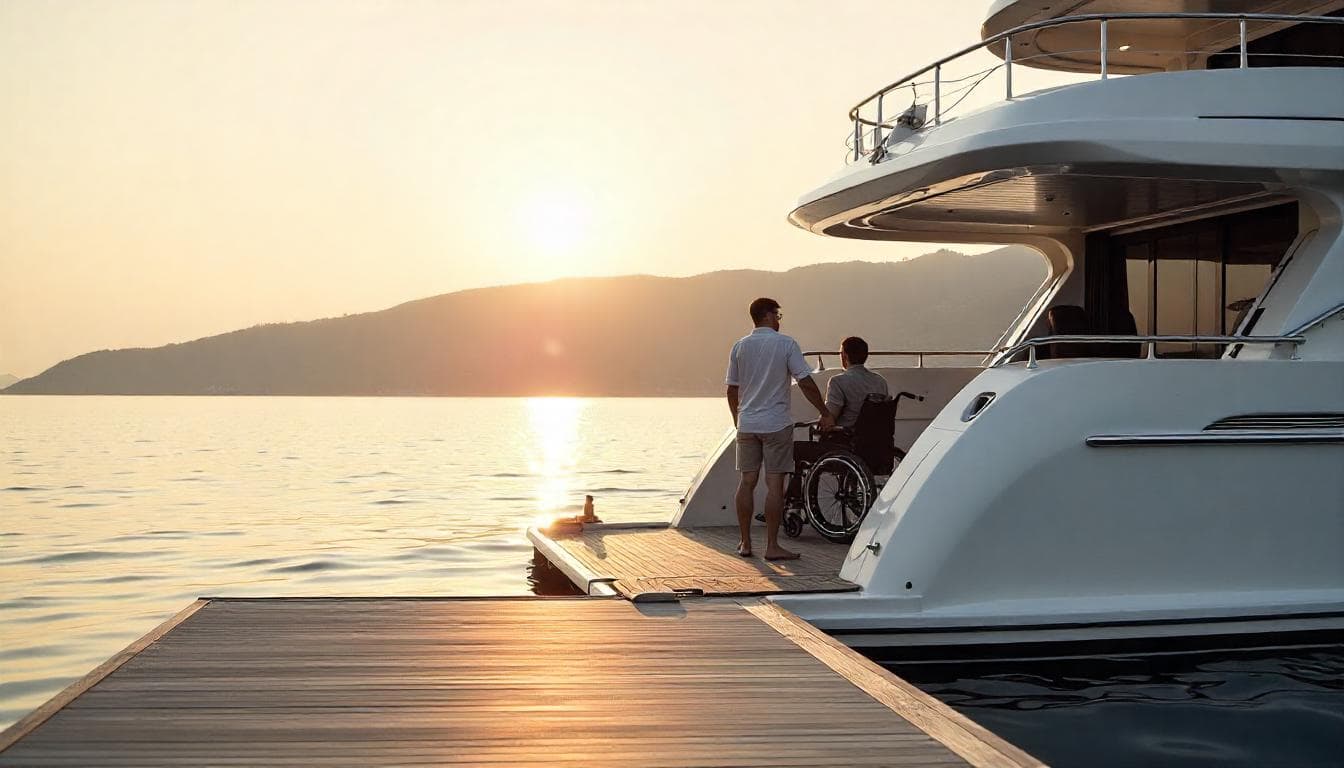
Accessible yachting lets people with mobility, vision, or hearing limitations enjoy time on the water. Many charter operators now adapt vessels and services so guests can board, move around, and participate in the same activities as anyone else. The focus is on practical changes rather than dramatic overhauls.
What Makes a Yacht Charter Accessible
Access starts with the boat itself. Look for wide companionway doors, fold-out or hydraulic boarding ramps, and decks finished with non-slip surfaces. Cabins often include extra floor space so a wheelchair can turn, and bathrooms may have roll-in showers or removable shower seats. Some yachts add extra handrails along corridors and raised edges on countertops to prevent items from sliding off in a light swell.
These modifications vary by vessel. Smaller motor yachts sometimes need more creative solutions than larger ones, but both can work when the operator has experience with accessibility requests. It helps to ask for photos or a video walkthrough before booking so you know exactly what to expect.
📚 You may also like
Working with the Crew
A well-prepared crew makes the biggest difference. Staff should know how to secure mobility aids during passages, guide guests who have limited sight, and use basic sign language or written notes for those who are deaf or hard of hearing. They also handle transfers between wheelchair and bed or between the boat and a tender.
Before the trip, share a short list of needs: how much assistance is required for transfers, any dietary restrictions tied to medication, and preferred communication methods. Good operators keep this information on file and brief the entire crew in advance.
Safety Considerations on Board
Safety equipment needs to suit every passenger. Life jackets come in different sizes and styles, including those designed for use with wheelchairs or limited mobility. Audible and visual alarms cover both hearing and vision needs. Grab bars in heads and along decks reduce the chance of slips when the boat moves.
Emergency drills should include everyone. Ask how the crew plans to evacuate guests who cannot use standard ladders or who move more slowly. Reputable operators run these drills at the start of every charter and adjust the plan based on the guests on board.
Planning and Booking an Accessible Trip
Start early. Contact several operators and describe your requirements in clear terms. Confirm that the specific yacht has the features you need rather than assuming every boat in their fleet is the same. Mention any medical equipment that must stay powered so the boat’s generator and inverter capacity can be checked.
Timing matters. Shoulder seasons often bring calmer seas and fewer crowds at docks, which simplifies boarding. If you use a mobility device, ask about dock heights and whether a marina has a working lift or ramp. Some travelers also request a short familiarization period on the boat before departure so they can learn the layout while still tied to the dock.
When you are ready to compare options, charter through GetBoat to see which yachts list accessibility features and read recent guest feedback on how well those features worked in practice.
Destinations That Tend to Work Well
Regions with protected waters and modern marinas usually present fewer obstacles. The Mediterranean offers many calm anchorages and ports that have invested in accessible quays. The Florida Keys and parts of the Caribbean have shallow, warm water that makes swimming and tender transfers easier for people who need extra support. In each case, the key is choosing a base with good dock infrastructure rather than relying on remote or undeveloped anchorages.
Frequently Asked Questions
How far in advance should I book an accessible yacht?
Most operators recommend at least three to four months, especially if the yacht requires specific modifications or if you need a particular cabin layout. Popular boats and peak-season dates fill faster.
Can I bring my own mobility equipment?
Yes. Most charters allow guests to bring wheelchairs, walkers, or scooters. Confirm the weight limits on boarding ramps and the amount of storage space available. Some operators can arrange equipment rental at the departure marina if traveling with large items is difficult.
Are there extra costs for accessibility features?
Some yachts already have the modifications built in, so there is no surcharge. Others may charge for added equipment such as portable ramps or specialized life jackets. Ask for a clear breakdown when you receive the quote so there are no surprises.