Tugboat Engines – Types, Functions, and Uses Explained
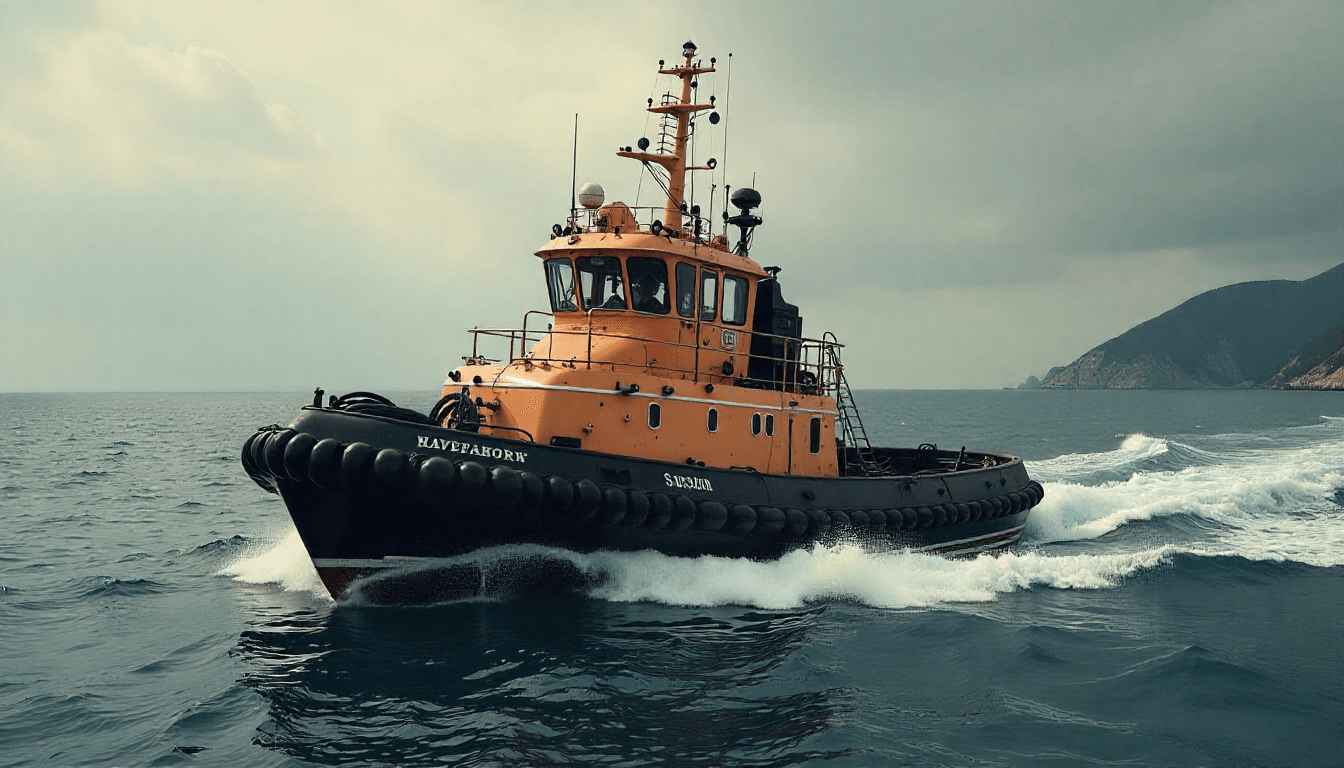
Tugboat engines play a crucial role in maritime operations, delivering exceptional power and precision to maneuver large vessels in confined waters. Without these specialized engines, the use of tug would be impossible in many ports and harbors where massive ships require assistance to dock or navigate safely. Understanding how tug boat engines work, their types, and their various uses provides insight into the engineering marvels that keep global shipping running smoothly.
What Are Tugboat Engines?
Tugboat engines are powerful propulsion systems designed to deliver immense thrust at low speeds. Unlike conventional boat engines, tug boat engines prioritize torque and control rather than top speed. This unique combination allows tugboats to move massive vessels like cargo ships and oil tankers with remarkable precision.
Tug boat engines come in different configurations, but they all share one fundamental characteristic: reliability under extreme conditions. These engines must perform consistently during every operation, whether in calm waters or rough seas.
📚 You may also like
The Importance of Tugboat Engines in Maritime Operations
The use of tugboats is essential for the global shipping industry. Large vessels cannot maneuver independently in narrow spaces, and this is where tug boat engines demonstrate their true capability. By providing controlled movements, they ensure safety during docking, undocking, and navigating congested waterways.
Another key aspect of tugboat engines is their contribution to efficiency. A well-designed propulsion system not only moves heavy vessels but also reduces fuel consumption and emissions. This makes modern tug boat engines more environmentally friendly while maintaining power and precision.
Types of Tugboat Engines
Modern tug boat engines fall into several categories based on design, fuel type, and propulsion systems. Each type offers unique advantages for specific maritime tasks.
1. Diesel Engines
The most common type of engine used in tugboats is the diesel engine. Diesel-powered systems offer excellent torque, reliability, and fuel efficiency. Their ability to generate continuous power for extended periods makes them ideal for heavy-duty operations.
2. Hybrid Engines
With growing concerns about emissions, hybrid tug boat engines have gained popularity. These systems combine traditional diesel engines with electric motors, reducing fuel consumption and noise levels. The result is a cleaner, more sustainable option that also reduces operational costs.
3. LNG-Powered Engines
Liquefied Natural Gas (LNG) engines represent another step toward greener maritime operations. Although less common, LNG-powered tugboats are increasingly adopted in major ports to meet environmental regulations. These engines lower emissions significantly, making them a forward-thinking solution.
4. Fully Electric Engines
While still emerging, electric propulsion systems for tugboats offer zero emissions and lower noise levels. However, they require advanced battery systems and charging infrastructure, which limits their current widespread use.
How Tugboat Engines Work
Tug boat engines operate differently from standard boat engines because their main purpose is to provide thrust rather than speed. This is achieved through high-torque diesel engines paired with advanced propulsion systems such as azimuth thrusters or Voith Schneider propellers.
Key Features of Tugboat Propulsion Systems:
- High Torque Output: Allows tugboats to move large vessels with minimal speed.
- 360-Degree Maneuverability: Modern tugboats often use azimuth thrusters, enabling movement in any direction without turning the hull.
- Durability and Reliability: Engines are built to withstand heavy loads and continuous operation.
The propulsion system is designed to deliver bollard pull—a measure of how much force the tugboat can exert while stationary. This metric is critical for determining a tugboat’s towing capacity.
Functions and Uses of Tugboat Engines
The primary function of tugboat engines is to provide towing power for assisting large vessels. However, their uses go beyond basic towing.
Common Uses Include:
- Docking and Undocking: Tug boats guide massive ships into ports safely.
- Escort Operations: Tugboats accompany vessels in challenging waters to prevent accidents.
- Emergency Assistance: In case of engine failure or adverse weather, tugboats ensure the safety of ships.
- Salvage Operations: Tugboats help in recovering stranded or damaged vessels.
The use of tug boats ensures maritime operations run smoothly in ports worldwide, highlighting their indispensable role.
Power and Precision – The Hallmarks of Tugboat Engines
When discussing tugboat engines, the phrase power and precision perfectly captures their essence. These engines must provide enormous pulling force while allowing delicate maneuvering in confined spaces. This dual capability makes tugboats unique among maritime vessels.
Modern tug boat engines not only deliver raw power but also incorporate sophisticated control systems, allowing operators to perform tasks with accuracy and safety.
Advantages of Modern Tugboat Engines
- Efficiency: Advanced engines reduce fuel consumption and emissions.
- Reliability: Designed to operate under harsh conditions with minimal downtime.
- Flexibility: Capable of performing a wide range of tasks beyond towing.
- Eco-Friendliness: Hybrid and LNG-powered engines lower environmental impact.
Challenges and Future Trends
While tugboat engines are highly advanced, they face challenges related to environmental regulations, fuel costs, and maintenance requirements. To address these issues, manufacturers are focusing on:
- Hybrid and Electric Propulsion: To reduce emissions and fuel costs.
- Automation: Systems that allow semi-autonomous operations for improved safety.
- Digital Monitoring: Real-time diagnostics to enhance engine efficiency and longevity.
As the shipping industry evolves, tugboat engines will continue to adapt, offering more sustainable and efficient solutions without compromising on performance.
Conclusion
Tugboat engines are the backbone of maritime operations, enabling massive vessels to navigate safely and efficiently. From diesel engines to hybrid and electric propulsion systems, these engines embody power and precision while adapting to modern environmental demands. Understanding their types, functions, and uses gives a clearer picture of why tugboats—and the engines that drive them—remain indispensable in global trade.