Best Electric Inboard Motors for Sailboats: Buyer's Guide
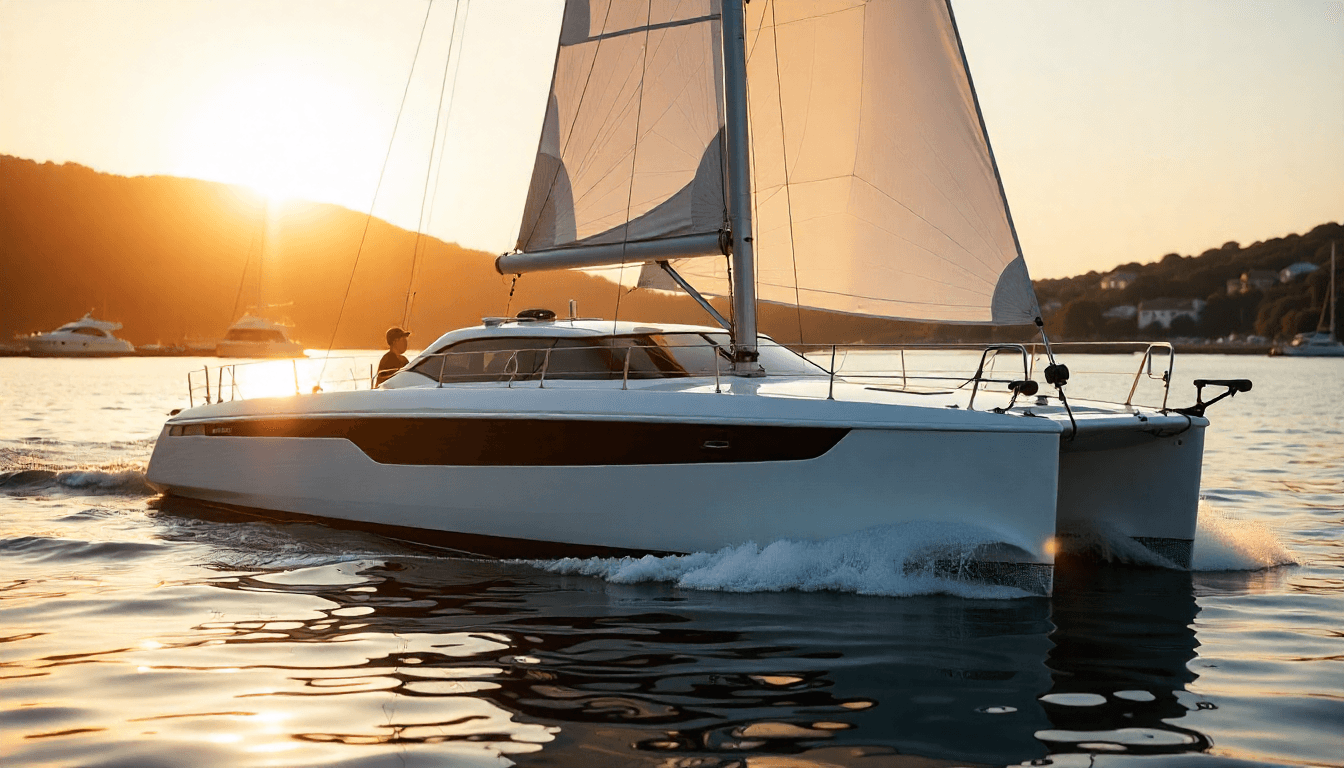
Electric inboard motors have moved from niche experiment to a mainstream option for sailboat owners who want quiet, clean, low-maintenance propulsion. This guide explains how electric inboard systems work, the specifications that actually matter, the established manufacturers, and the trade-offs to weigh before repowering your sailboat.
Why Sailors Are Switching to Electric Inboards
A sailboat is the natural home for electric propulsion: you mostly move under sail and use the engine for harbours, calms and charging. An electric inboard runs near-silently and vibration-free, has far fewer moving parts than a diesel (no oil changes, fuel filters or winterising the same way), and many systems regenerate — the freewheeling propeller turns the motor into a generator under sail, topping up the battery. The trade-offs are up-front cost and range under power, which is why matching the system to your real motoring needs is everything.
Key Specifications to Compare
- Power output (kW). Electric motors are rated in kilowatts; a rough rule of thumb is that 1 kW ≈ 1.3–1.5 hp for displacement sailboats. Typical sailboat systems range from ~3–6 kW for small cruisers to 10–20 kW+ for heavier yachts.
- Battery capacity (kWh) and voltage. Usable kWh, not motor size, sets your motoring range. Modern systems use lithium (often LiFePO₄) packs at 48 V on smaller boats up to high-voltage banks on larger ones; higher voltage means lower current and thinner cabling for the same power.
- Regeneration. The ability to harvest energy from the spinning prop under sail — a defining advantage of inboard electric over outboard on a cruising sailboat.
- Cooling. Higher-power systems are water-cooled to sustain output on longer motoring legs; air-cooled units suit lighter duty.
- Integration. Look for clear battery monitoring, throttle feel and compatibility with solar/wind charging and your house bank.
Established Manufacturers
The mature names in sailboat electric inboards include Oceanvolt (saildrive and shaft systems with strong regeneration), Torqeedo (the Deep Blue inboard line and Cruise range), ePropulsion (rapidly expanding inboard and pod options), and Bellmarine / Lynch (drop-in inboard motors popular for diesel repowers in Europe). Each pairs its motor with recommended battery and controller packages, so compare the complete system rather than a motor in isolation.
📚 You may also like
Is It Right for Your Boat?
Electric inboard makes the most sense for coastal and day-sailing cruisers, lake boats and sailors who motor in short bursts and value silence and low maintenance. If you regularly make long passages under power or cross oceans relying on the engine, weigh range carefully — a generator/hybrid setup or a larger battery bank may be needed. Budget for the battery as the dominant cost, and size the bank to your honest motoring profile rather than a best case.
Frequently Asked Questions
How powerful an electric inboard motor does a sailboat need?
As a guide, displacement sailboats need roughly 1.3–1.5 hp equivalent per 1 kW, and many cruisers are well served by a 3–10 kW electric inboard — comparable to the modest diesels they replace. The motor rating matters less than usable battery capacity (kWh), which determines how far and how long you can motor before needing to sail or recharge.
Can electric inboard motors recharge while sailing?
Yes — this is a defining advantage of inboard electric on a sailboat. When you're under sail, water flowing past the freewheeling propeller spins the motor as a generator (regeneration), feeding charge back into the battery. Combined with solar and wind, regeneration can keep many coastal cruisers' banks topped up without shore power.
Which companies make electric inboard motors for sailboats?
The established manufacturers include Oceanvolt, Torqeedo (Deep Blue and Cruise lines), ePropulsion, and Bellmarine/Lynch, the latter popular for diesel-to-electric repowers. Each sells the motor as part of a system with matched batteries and controllers, so compare complete packages — and their regeneration and cooling specs — rather than motor power alone.
Are electric inboard motors worth it compared to diesel?
For coastal cruisers, day sailors and owners who motor in short bursts, yes: near-silent operation, no fuel system or oil changes, and regeneration under sail offset the higher purchase price over time. For sailors who rely heavily on the engine for long passages, range is the limiting factor and a hybrid or larger battery bank may be needed to match diesel's endurance.