


 Nederlands
  English (UK)
  Русский
  العربية
  日本語
日本語  한국어
한국어  Magyar
  Türkçe
  Español
  Čeština
  Svenska
  Português
  Ελληνικά
  Suomi
Suomi  Română
  Italiano
  Français
  Polski
  Українська
  Deutsch
  简体中文
简体中文  Slovenčina
 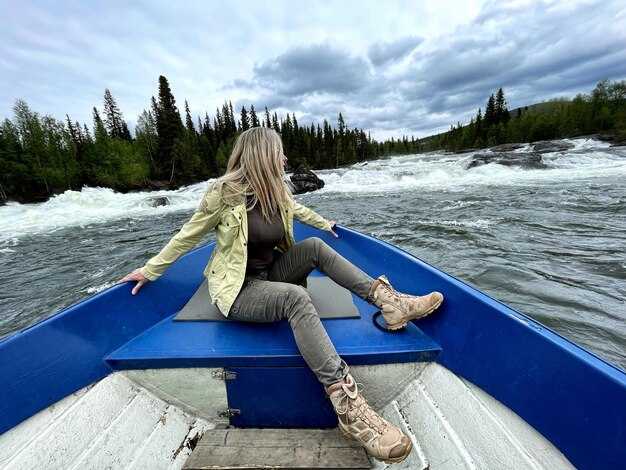 Top Jet Boating Bestemmingen voor Wildlife Watching">

Begin with the Everglades jet-boat run for wildlife watching in the everglades. The shallow sawgrass habitat shelters manatees, American crocodiles in some pockets, and a chorus of wading birds, so you can definitely observe animal behavior from a jet boat within a 2–3 hour window. Opt for a small-boat operator who knows that course and the locals, and respects habitat guidelines.
On the galapagos, a modern, small-boat approach can guarantee quality wildlife viewing. Choose operators with limited passenger loads (6–8 people) to minimize crowding near nesting sites. A well-planned route targets sheltered bays and channels that maximize sightings of lava lizards, penguins, sea lions, and birds while protecting habitat. Go in seasons with calmer seas and clearer light, and bring a compact telephoto lens to capture endemic animal life without disturbance; locals can share the best lookout points that avoid crowds near shorelines. You can jump between bays as light shifts to catch different behavior.
In romanias, the Danube Delta region offers reed-bed habitat and shallow channels where jet boats glide with minimal disturbance. Locals share routes that let you observe flamingos, spoonbills, and endemic fish species, turning a day into a ramble with tarcu charm, and you can pair the outing with a short biking detour along levees for a broader wildlife context.
In each destination, the jet-boat setup merges speed with proximity to action, letting you observe animal behavior up-close while protecting fragile habitats. Pair each ride with a short ramble along shorelines to meet locals and add birdwatching context to the day’s beauty.
Jet Boating Routes for Wildlife Watching: Practical Destinations and Two South Africa Marine Conservation Projects
Book a dawn jet-boat ride on the Knysna Estuary to start your wildlife-watching odyssey; early light concentrates birds along reed beds and riverbanks, and the motor hum blends with the splash as you thread among sheltered coves and mangrove channels. Youll read the shore and marshes in sharp detail, with canyon-like banks opening up to broad views that invite a slow follow of animal activity along the shoreline.
Two South Africa marine conservation projects anchor this route. At the Dyer Island Conservation Trust near Gansbaai, scientists track penguin and seabird populations, tag marine life, and guide visitors through safaris that minimize disturbance while maximizing learning and observable behavior. Youll see how data informs protection decisions and how local communities participate in conservation efforts, creating responsible visit experiences that support ongoing monitoring.
Further east, the Sea Change Project blends fieldwork with storytelling to document coastal biodiversity and seasonal migrations. Expert researchers explain trends in the pelagic zone while you remain immersed in field sites along the coast, from kelp forests to open-water feeding grounds. The journey is an odyssey of discovery, where you can spot species from classic to technicolour, and last-minute changes in weather become part of the learning curve.
Practical jet boating routes in SA include the Sundays River estuary near Port Elizabeth–an accessible entry with shallow canyons and sandbanks perfect for safe, low-speed rides. Continue along the Garden Route to Plettenberg Bay and Knysna, following marine corridors that host dolphins and a variety of birdlife, offering frequent spotting opportunities and scenic views. For a broader adventure, pair these water routes with overland safaris that move you around wildlife-rich landscapes and, if conditions permit, include a cross-border okavango route that connects inland river routes with coastal habitats. Hopping between ecosystems broadens your safaris offering youll a more complete outdoors experience around elephants, buffalo, and other species.
Before you ride, select operators who emphasize safety and have an expert on board to interpret animal behavior in real time. Bring a compact first-aid kit, sun protection, and a dry bag for electronics; keep cameras secured and tides in mind for peak wildlife activity windows. With careful planning, these routes deliver a classic, memorable exposure to SA’s diverse wild places and two conservation projects that share the goal of protecting habitats for future generations.
Coastal hotspots for dolphins, seals, and seabirds along the Western Cape suitable for jet boat viewing
Book a dawn jet boat from Hout Bay to skim the Atlantic, hang on as pods of bottlenose dolphins arc around the bow wake, seals pop up on rocky ledges, and seabirds circle overhead–this is your best shot at a close, engaging sighting along the Western Cape.
From Hout Bay, mount a circuit along the False Bay coast toward Muizenberg and Simon’s Town, where sheltered coves host resident pods and a bustling seabird roost. Expect regular spotting of common dolphins, and more sightings as you steer toward Cape Point; keep an eye on the surface for rays skimming and seals on rocky ledges. The route climbs into pristine headlands, and trekking along coastal tracks in calmer weather lets you roam and spot more endemic birds, with the penguin colonies near Cape Point offering a memorable contrast to open water.
Next, Kleinbaai/Gansbaai launches to Dyer Island and Geyser Rock, where the large African penguin colony roams close to the shore and a bustling seal haul-out anchors the wildlife watch. Jet boats here gurgle past the rock shelves, making snorkel options feasible in protected coves if conditions allow. Conservationists on board explain habitat protection, and the experience serves as a compact, heritage-rich outing that signals responsible viewing without crowding the birds into silence.
Northward, Langebaan and the Dassen Island archipelago deliver pristine seabird spectacles, including gannets and terns, with dolphins cruising near the edge and rays occasionally breaking the surface. A jet boat circuit balances coastal bluff sections with open-water pockets, and you can float along shallow flats or hop off for light snorkeling close to seal roosts, and you may spot snakes basking along dune tracks as you walk the shoreline on sheltered days.
Winter months boost whale watching along the cape, adding a second set of highlights while you enjoy the same boat-based format. You will likely see southern right whales from vantage points near the shore and maybe even a breaching pod if the window aligns with your trips. This coastal itinerary remains flexible, with conservationists guiding safe viewing and ensuring the wilderness coastline is protected for future trips and guests.
For readers craving far-flung vibes, this coastline offers a local analogue to amazon and namibia trekking, with ghanas rhythms, italys rugged cliff backdrops, and abruzzo-like silhouettes along the headlands. The gili paradise on the Western Cape keeps sightings intimate, while nile-like currents thread past rock shelves. Plan several trips with a conservationist-guided operator, enjoy the wildlife, and help preserve the heritage and wilderness you experience.
Seasonal and tidal windows to maximize sightings while minimizing disturbance
Plan dawn and dusk sessions during neap tides and operate a quiet boat with minimal wake; keep at least 50 meters from wildlife; have a trained pilot head the boat and enforce slow, steady speeds that avoid chasing animals. This approach yields amazing views while minimizing disturbance for ecosystems and for people enjoying the adventures, including animals in the area.
In lanka, target the dry-season window from November to April along the coastal parks and rainforests, where dolphins, sea turtles and rays frequent feeding grounds. Start sessions before 09:00 and wrap before the sun climbs high; steer along planned routes to avoid seagrass meadows and nesting areas. In india, similar opportunities arise on the Konkan and Andaman coasts during the cooler dry months (roughly October to March). Keep a respectful distance and let the pilot guide toward open water, away from serpent habitats on reef edges. Adopting these practices helps maintaining good views while protecting habitats. These windows help them stay responsive without feeling crowded.
During each outing, limit engine noise and avoid circling feeding zones; implement a short search pattern to spot wildlife and other animals with minimal impact; speak softly to minimize disturbance to birds and mammals; avoid bright lights on roosting sites; choose slack-water slots to reduce wake and make viewing smoother. This is only possible when you respect distance and stay within planned zones.
After boat sessions, consider guided walks through parks and rainforests, with speaking guides who explain about ecosystems and conservation needs to people and tourist groups. For a deeper odyssey, arrange camps near coastal jungles in india of lanka; hosts can share stories about the sea and land, including kubah locations and reef protection measures. For those seeking variety, add cycling tours along coastal trails to experience habitats from shore. These experiences bring new views and help local communities while protecting habitats.
Jet boat safety, propulsion handling, and wildlife-aware navigation guidelines
Put on a properly fitted life jacket and attach the engine kill switch lanyard before stepping aboard. Do a quick pre-ride check: verify the jet intake is clear, throttle responds smoothly, and crew knows the plan. Keep hands away from the intake and wear closed-toe shoes on the deck.
Propulsion handling requires smooth throttle changes, steady steering, and anticipation of shallow sections. Avoid abrupt bursts near banks or submerged obstacles, which can create dangerous jet wash and spook wildlife. In open water, hold a consistent speed that lets you react to animals and maintain a safe distance.
Wildlife-aware navigation means slowing before crossings, reducing speed when you see swans, birds, or other animals. Maintain a respectful distance to prevent stress or displacement. If wildebeest cross a river, choose a wide, calm approach and avoid cutting across their path. Use lookout points and maps to identify hotspots where animals gather, then time passages to minimize disturbance. Carry a whistle and a VHF radio to coordinate with others and call for support if you see distress or an animal in trouble.
At Yukon routes or canyon trails, plan for changing conditions and cooler evenings; camp or rent a shelter and book hotels for rest. Consult experts for a safety briefing and wildlife cues; their insights help you stay clear of predator activity and risky zones. These trips offer opportunities to combine jet boating with bird watching and stargaze sessions, with incredible close-up shots of swans and other species. Local guides located along riverine routes can share migratory patterns and habitat stewardship, including perspectives from ghana-based crews.
Keep a personal safety kit aboard, plan clear exit routes, and follow operator rules to protect wildlife habitats. When camping, use low-impact practices, store food securely, and respect local guidelines. If you need help, contact your outfitter’s support network; there is always nearby assistance and common sense guidelines to ensure a great, safe experience for you and the wildlife you encounter.
Dyer Island Conservation Trust: conservation goals, current initiatives, and how tours support penguin and seabird protection
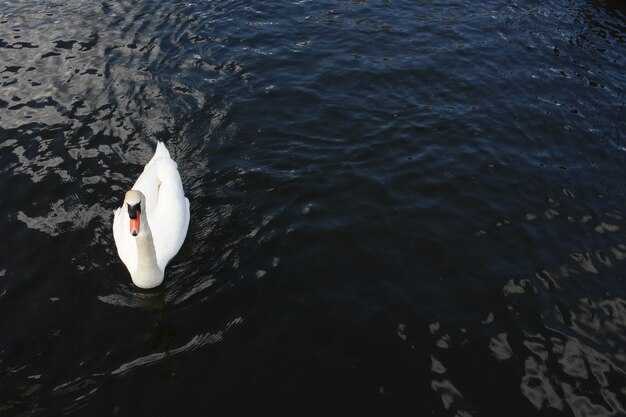
Book a responsible, DICT-supported coastal safari from Kleinbaai to directly support penguin and seabird protection. Youve spent time enjoying close observations from a guide-led boat, located off the coast in Walker Bay, while your spend funds field research, rehabilitation, and community projects. A variety of viewing options–sailboat, smaller boats, or land-based platforms–prioritize safety for birds and people alike.
- Conservation goals
- Protect African penguin populations and key seabird colonies by safeguarding breeding sites around Dyer Island and nearby islets.
- Maintain healthy foraging corridors and reduce disturbance during chick-rearing periods to boost long-term survival.
- Restore dune and coastal vegetation to stabilize nesting habitats, increase chick success, and support dense colony dynamics.
- Empower local communities through sustainable livelihoods that align with conservation outcomes and long-term stewardship.
- Current initiatives
- Monitoring program: regular counts across multiple colonies, with data shared with national and international partners to guide decisions.
- Rehabilitation and release: a dedicated care network for injured penguins and seabirds, improving post-release outcomes.
- Pollution response: rapid cleanup and rescue actions for oil spills and marine debris in Walker Bay and adjacent coastal zones.
- Education and outreach: school programs, community workshops, and training for volunteers to build local capacity.
- Low-impact ecotourism guidelines: trained local guides, small vessels, and strict viewing rules to minimize disturbance.
- Partnerships: collaborations with universities, NGOs, and fisheries to apply evidence-based practices and scale impact.
- How tours support penguin and seabird protection
- Direct funding: tour fees fund the rehabilitation center, field research, and staff salaries, providing an amount that sustains daily operations.
- Impact verification: operators publish conservation impact reports, guaranteeing transparency on fund use and outcomes.
- Education through experience: guides explain behavior, nesting cycles, and safety protocols, enabling learning without disrupting colonies.
- Citizen science: visitors participate in simple data collection–counts of seen penguins, chicks, and seabirds–to assist researchers.
- Responsible viewing: smaller boats and land-based viewpoints reduce disturbance; rules include no flash photography and maintaining distance.
- Economic benefits: local rangers, boat crews, and hospitality staff gain stable work, supporting fishing communities and diversifying income.
- Related itineraries: you can pair this with kayak or sailboat experiences, or with overland safaris for a broader wildlife weekend.
- Practical planning tips
- Best season for viewing: align with penguin breeding and seabird activity for dense colony sightings; mornings usually offer calmer seas and better light for photography.
- Booking musts: choose operators with a conservation pledge, trained guides, and clear policies to minimize wildlife disturbance.
- What to bring: a telephoto lens, waterproof footwear, layered clothing, and a quiet camera for killer photography moments.
- Access options: options include overland trips, day trips by sailboat, and land-based platforms to limit vessel traffic near roosts.
- Safety: follow guide instructions, wear life jackets on boats, and avoid approaching nests or chicks too closely.
- Nearby experiences: you can jump into a short kayak excursion after a land visit or combine with a night coastal walk for different light and tides.
Across Africa, a variety of wildlife experiences exist, but this route offers one of the most concentrated penguin and seabird encounters along paradise beaches. If youre planning a broader itinerary, youve options to pair this with other iconic experiences in india or fraser island, creating a multi-destination trip that showcases dense coastal ecosystems and rugged shorelines. In other African parks you may encounter herds, giraffes, and even gorillas, offering a broader context for conservation-minded travel while you support protection on Dyer Island.
Sea Change Project: whale research and sardine ecosystem studies, and ways travelers can contribute
Join the Sea Change Project as a volunteer and log whale sightings and sardine schools during your travels; this direct contribution fuels research, supports conservation, and keeps life on the ocean healthier.
Researchers partner with teams across the earth, including collaborators in zimbabwe and uganda, to connect field observations with regional patterns that affect the marine food web.
Travelers can contribute in practical ways: join guided field hikes or biking routes along the Cape coast with local guides; observe whales, sardine schools, and coastal birds; flamingos along estuaries, iguanas, and monkeys on the edge of scrub while you roam among shorelines and waterfalls. theyre often the best moments for learning and photography.
Document sightings with date, time, coordinates, weather, and behavior; upload photos to the project portal; your data helps refine sardine-ecosystem maps and whale-migration patterns, supporting a clearer picture of life beneath the waves.
Support communities by choosing classic coastal operators that hire local guides and respect wildlife etiquette; this paradise coast experience sustains life for fish, birds, and land animals, while keeping operations transparent and responsible.
Practical tips: keep distance, do not chase or feed animals, stay on marked trails during hikes, carry a small notebook to record observations, bring water and a light shell; choose tours that include real field work rather than sightseeing alone.
Extending a trip to nearby reserves can reveal game and leopard sightings, plus troop-monkeys; if you see them, give space and follow guides’ instructions, ensuring safety for both wildlife and travelers.
The odyssey of marine science grows when travelers roam, ramble, and hang out in respectful ways; each observation adds to the network that supports earth and life for future generations.
Ready to contribute? Contact your operator or the Sea Change Project portal and make your trip part of a broader conservation effort that connects wild coastlines, communities, and science.