


 Nederlands
  English (UK)
  Русский
  العربية
  日本語
日本語  한국어
한국어  Magyar
  Türkçe
  Español
  Čeština
  Svenska
  Português
  Ελληνικά
  Suomi
Suomi  Română
  Italiano
  Français
  Polski
  Українська
  Deutsch
  简体中文
简体中文  Slovenčina
  Tips to Become a Better Boater – Essential Boating Skills">

Begin with a quick, practical pre-trip checklist: verify fuel, test bilge pumps, secure loose gear, and put on life jackets. Practice a 10-second man-overboard drill while the boat is moving at idle so you can respond if someone goes overboard. This direct action helps you connect safety habits to real conditions and builds confidence for all your runs on the water.
Adopt a simple, repeatable set of tips for each voyage: keep velocity steady in chop, anticipate wind shifts, and choose a heading that avoids crowded channels. For powerboats, tune trim and ballast to the load and fuel. When reading charts, compare distances to landmarks and read radar returns to verify the route, especially when operating under reduced visibility. Always consider backup options before you depart.
Develop muscle memory for docking by practicing short slips in calm water, then move to longer sessions in variable wind. This builds the nodig for precise lines, fender placement, and rope handling. Keep an emergency gear bag ready. operating in rough conditions requires breathing calmly, which keeps your crew engaged and your decisions sharp. The habit of reviewing weather forecasts often will keep you out of trouble before it starts.
Becoming a more capable boater means systems you can trust. Build a routine that connect engine gauges, steering feel, and lookout practice into every trip. When trouble seems near, you can switch from routine to task-specific actions; that clarity saves time and keeps your crew safer, faster than you expect. By treating safety as a daily discipline rather than a checkbox, you turn the water into a reliable classroom where every movement matters.
Tips to Become a Better Boater: 9 Learn Advanced Maneuvering Techniques

Begin with a hands-on docking drill in calm water to connect your control inputs with the boat’s response. Wear a life jacket, practice securing lines early, and keep crew clear of the stem and propeller.
Master slow-speed maneuvering by coordinating rudder and throttle; keep inputs deliberate to pivot around a fixed point. This advice helps most berthing tasks and builds confidence for every boater.
Practice controlled turns in tight spaces using small, sequential rudder taps and throttle adjustments to avoid propeller wash.
Propeller safety and securing lines: keep hands clear of the running area, shut down when securing lines, and verify everyone stays back.
Wind and current: adjust heading into the wind or current by 5–15 degrees, then hold a steady course with smooth trim and weight distribution.
Backing and pivoting: in reverse, apply gentle throttle and steer with the rudder to minimize bow rise and avoid prop-wash surprises.
Rivers and coast planning: plot routes through central channels, note eddies, and select safe launch and recovery points along the coast.
Systems and checks: run a marine pre-departure checklist covering safety gear, VHF, and engine gauges; involving everyone keeps risk minimal.
Events and ongoing practice: enroll in hands-on clinics led by professional instructors, make practice enjoyable, and dedicate time to master these maneuvers. heres a practical approach: practice with a friend, repeat the same drill, and record results to track progress.
Focused on practical on-water skills for frequent use
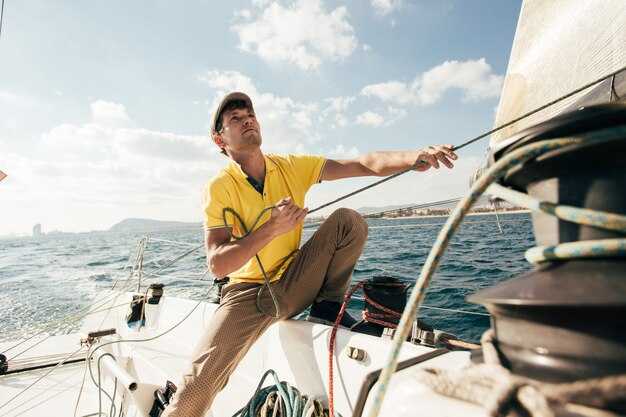
Practice controlled, low-speed boating and backward maneuvers in a sheltered florida cove to build muscle memory before tackling heavier traffic. They help you stay composed when conditions shift and keep your vessel stable as you learn to respond to minor changes in wind or current.
Document the basics with a dedicated page that outlines step-by-step drills. Master the basics of steering, trim, and throttle, then link each drill to specific vessels you operate. This approach covers core controls in a steady sequence while you explore different routes and handling scenarios.
Enrich practice with activities that mimic on-water tasks: docking in light wind, keeping a steady line of sight, and performing controlled stops. The program covers these skills and provides feedback you can apply during boating sessions with family or friends.
When emergencies arise, they rely on calm, practiced responses. Run through a checklist: keep to a stable speed, switch to appropriate routes, and use your controls to regain control. Practicing in calm water builds muscle memory you can apply in bigger seas or during crowded florida harbors.
Keep exploring new activities, but do so in a controlled sequence: try a backward approach, then a forward approach, then a stop, then a slow turn. This step-by-step cadence helps you master the timing of throttle, rudder, and trim. If you ride with other boats, discuss your plan and consider their perspectives to boost safety and enjoyment.
Boating cadence should include a routine you repeat on every trip: review routes, inspect gear, and keep the page of drills fresh in memory. By keeping these habits, you enjoy smoother outings and boost confidence every time you head out on florida waters.
Pre-trip safety checks and gear readiness
Do a full pre-trip safety check before you cast off today. Create a simple, repeatable checklist of procedures and assign one person to verify each item, so your boating crew stays focused as you depart and you enjoy a good, smooth ride.
Stock the safety components: PFDs for all riders, a throwable flotation device, a fire extinguisher, a first-aid kit, a horn or whistle, and a bright flashlight with spare batteries. Keep navigation devices powered and within reach, and verify the VHF radio or backup messaging is ready. Add a Columbia rain jacket or other weather gear for crew comfort, and ensure a dry bag keeps charts and a spare phone dry. This boost readiness and helps connect the crew to the plan.
Inspect the engine and hull: check fuel level, oil level, and coolant; ensure battery terminals are clean and tight; test the bilge pump and float switch. Look for hull damage and remove any lines or debris from the propeller shaft. Address loose hardware and inspect steering and throttle controls for smooth, controlled operation.
Plan the trip with tide and weather in mind. Check a reliable forecast, note wind and waves, and pick a safe, controlled speed. Review channel markers and marina procedures and choose a familiar route for your first legs. This approach reduces the chance of accidents and keeps everyone clear of hazards.
After checks, log the results and share them with your boating community. Keep a copy in the center and refer to it before every trip. This practice helps lead the crew, boosts confidence, and connects with fellow boaters in Florida and beyond–whether you’re on the west coast or a local bay.
Slow-speed maneuvering near docks and in tight spaces
Begin your approach at 2-3 knots, then ease to 1-2 knots as you reach the slip; keep the hull moving with a steady rudder and brief power adjustments to counter wind and current. Use shallow arcs, small steering inputs, and a plan for what to do if a gust shifts the boat toward pilings. This controlled tempo reduces the risk of contact and keeps you in control while maneuvering near docks.
Preparation is essential: theres a simple check you run before any close-quarters move. Ensure you have the right equipment: fenders positioned to protect the hull, spring lines and regular lines ready, chafing gear in place, and your engine, steering, and throttle controls tested. Determine your needs for the dock type, tide, and wind, and confirm that your crew understands duties. Ensuring fenders are positioned and lines managed reduces risk.
There are three common types of slow-speed maneuvers near docks: parallel docking along the edge of a pier and then turning to align with the slip; backing into a slip with a controlled reverse; and stern-first pivoting to rotate in place when space is tight. Practice each type at a calm harbor and use a deliberate sequence: look, plan, move, adjust, and maintain spacing from other boats and pilings. A deliberate approach lets you master the timing without rushing.
Wind and current management: assess wind direction relative to the dock and water depth. If wind is pushing toward pilings, use a short inbound path with a controlled arc and keep your moving momentum steady to avoid sudden turns. Tie a bow line and stern line to relieve pressure, and be ready to switch to backing a few feet to re-center. Knowledge of wind shifts helps you avoid contact and enjoy cruising with confidence. Observe and communicate with crew, and adjust pressure gradually rather than snapping the controls.
If you have doubts, rely on knowledge of the basics and seek tips from an experienced captain. Build dedication by repeating the same steps in different docks and conditions. Ask what details you need, check what types of docking you’ll face, and tailor your approach. Like any skill, slow-speed handling improves with deliberate practice and a plan you can repeat. With time you become a master of slow-speed handling and can adapt to most docks and conditions.
Leaving the dock safely starts with a plan and a clear line of sight. Before you depart, verify that fenders are stored or moved, lines are ready, and crew know where to stand. Maintain a moving but controlled motion while turning away, and keep watch for pedestrians, swimmers, or retrieving lines. If someone falls overboard, stop engine, throw a flotation device, and maintain visual contact until the person is rescued. After clearing the dock, recheck speed and steerage as you begin cruising away, gradually increasing distance from the slip while maintaining readiness to stop if needed. This routine protects crew and boat as you transition from dock to cruising.
Steering-throttle coordination for smooth turns and stops
Begin with a pre-launch check of controls and systems: verify current RPM range, ensure steering responds to light inputs, and inspect wear on linkages. This setup stays aligned with the boat’s standards and supports smooth maneuvers you’ll make today. If you need to adjust, this check helps reduce doubts about response. It doesnt rely on guesswork and uses measured inputs. This approach is designed to stay stable through turning and stopping.
Turning: approach the bend with awareness of nearby traffic and moving vessels, then execute a smooth helm-throttle sequence. Choose a small steering input first, then gradually add throttle to maintain the arc. For planing hulls, aim for 3–6 degrees of helm and a 5–15% throttle ramp through the first second of the turn. For displacement hulls, keep inputs gentler and extend the arc. If the boat starts to yaw, ease the throttle and adjust with the wheel; this keeps you in control through the current and wind.
Stoppen: verminder geleidelijk de gashendel naar stationair terwijl u een licht stuur vasthoudt om de boot recht te houden. Als u in de buurt van een steiger stopt of in een dwarsstroom, overweeg dan een korte achteruit om de afstand te beveiligen, en ga dan neutraal wanneer u erin vaart. Deze methode vermindert abrupte veranderingen en houdt het schip uitgelijnd met het naderingspad. Controleer altijd of de bemanning reddingsvesten draagt tijdens nabije operaties en blijf bewust van obstakels die vanuit nabijgelegen sectoren naderen.
Aanloop en vastmaken: beslis vooraf over een plan en bevestig de pre-launch controles. Bij het naderen van een ligplaats, verminder de snelheid vroeg, pas kleine stuurcorrecties aan en zorg ervoor dat de lijnen klaar zijn om vast te maken. Houd het team op de hoogte en blijf gefocust op de huidige omstandigheden om de veiligheid en controle te verbeteren.
| Situatie | Stuurinvoer | Throttle actie | Opmerkingen |
|---|---|---|---|
| Low-speed turning | 3–8° | 0–15% | Houd een constante boog aan en houd nabijgelegen schepen in de gaten. |
| Nadering dok in stroming | 2–5° tegengesteld aan de drift | -10% to idle | Wees voorbereid om terug te draaien indien nodig |
| Stoppen in open water | 0–5° | Verminder soepel tot stationair | Houd de trim stevig vast om te voorkomen dat het schommelen optreedt. |
Handling in wind, current, en ruw water
Doe dit nu: beveilig een strakke boei lijn met een geschikte knoop met behulp van belangrijk aanbinden en oefen aan de steiger aanpassingen om correct te kunnen lezen en snel te kunnen reageren naarmate de omstandigheden veranderen.
- Pre-departure planning
- Lees de voorspelling en controleer de regelgeving voor uw gebied; bevestig dat u de veiligheidsrichtlijnen van de club volgt en een route volgt die de blootstelling aan windvlagen minimaliseert; identificeer wat u kunt verwachten en een vluchtroute; inspecteer lijnen, fenders en reddingsvesten; dit plan omvat stappen die u voorbereid houden.
- Wind-gedreven handling
- Houd een stabiele koers aan door middel van bewuste bediening, waarbij u gashendel en roer aanpast om windvlagen te compenseren; houd de boot op de juiste trim om weerkap te verminderen; indien u moet draaien, voer dan een vloeiende, langzame boog uit en vermijd plotselinge zwenken; bescherm uw bemanning tegen losse uitrusting en zet lijnen vast.
- Stroom- en wervelbeheer
- Als de Columbia Current sterk stroomt, lees het water vooruit en kies een lijn die je in diepere kanalen houdt; verminder de snelheid om stabiliteit te behouden en te voorkomen dat de boeg ploegt; gebruik de motor om drift te compenseren, pas vervolgens de besturing aan om een stabiele koers te behouden; deze aanpak verhoogt de controle en veiligheid.
- Ruwe water technieken
- Benader golven in een lichte hoek (ongeveer 45 graden) en houd het gewicht gecentreerd; zet je vast tegen de stoel en gebruik handvaten; beveel lijnen en reageer niet overdreven op elke golf; pas trim en ballast aan om rollen te minimaliseren; blijf gefocust op de horizon om de volgende deining te lezen.
- Vaardigheidsopbouw en veiligheidsmaatregelen
- Sluit je aan bij een lokale club om deel te nemen aan gestructureerde drills op het water; deze aanbiedingen helpen je bij het oefenen van het afmeren, lijnbeheer en manoeuvres in ruw water; oefen regelmatig belangrijk knopen en lijnbeheer om je reactietijd en zelfvertrouwen te verbeteren; leren versterkt je uiteindelijke veiligheidsbewustzijn.
Conclusie: Deze laatste nadruk op het 'lezen' van het water, het oefenen van gerichte bediening en het handhaven van waakzaamheid tegen verlies van uitrusting zal de vrijheid om te genieten van het varen vergroten, zelfs wanneer wind, stroming en ruw water u uitdagen.
Noodprocedures, signalering en communicatie-oefeningen voor de bemanning
Begin elke reis met een 5-minuten durende noodtraining die signalering, verzamelen en de rolverdeling van de bemanning behandelt. Wijs een centrale signaalverantwoordelijke aan en loop door wat elke persoon moet doen als er iets misgaat. De training omvat een snelle controle van PFD's, brandblussers en werpuitrusting voordat je de haven verlaat. Je weet wie er roept en wie de uitrusting in handen heeft.
Signaleringsoefeningen maken gebruik van audio- en visuele signalen. Oefen met hoorngeluiden voor 'man overboord', noodsignalen en terugkeersignalen naar de haven, plus flares opgeborgen in een veilige hoes nabij het stuur. Houd een signalisatiekit bij de hand die een hoorn, fluitje, spiegel en flares bevat; test deze in wateren met verschillende wind- en getijdenomstandigheden.
Crew communicatiedrills wijzen rollen toe: Kapitein, Boeg, Steven, Motor en Uitkijk. Gebruik duidelijke aanwijzingen, herhaal berichten en bevestig met een snelle bekrachtiging. Oefen recht-van-voorrang beslissingen op rustige meren en wanneer het verkeer toeneemt in de buurt van steigers. Tieners kunnen onder toezicht oefenritten maken; roteer rollen om zelfvertrouwen op te bouwen. Deze aanpak maakt crewcommunicatie beter in stressvolle momenten.
Voer een praktische controle van apparatuur en systemen uit voordat u op reis gaat. Controleer de brandstofniveaus, het dekzeil en de motoruitschakelprocedures. Controleer of de navigatielichten en geluidssignaalapparaten werken bij zonsopgang, zonsondergang en bij weinig zicht. Oefen met het hanteren van lijnen, fenderplaatsing en het vastzetten van items om losliggende apparatuur te voorkomen bij veranderingen in snelheid of bij het manoeuvreren in de buurt van dokken.
Eenvoudige oefeningen zijn geschikt voor boten van alle groottes. Voor tieners en nieuwe bemanning, houd taken simpel: uitkijk, radio-operator, lijnbeheerder. Gebruik een gestaag tempo en duidelijke taal, en wissel dan van rol om het zelfvertrouwen op te bouwen. Deel aantekeningen met uw lokale raad en de merenvereniging om de praktijken over boten uit te lijnen en de veiligheid op het water te verbeteren.
Na elke sessie, lees de aantekeningen en update de briefing voor de bemanning. Noteer wat goed werkte, wat twijfels veroorzaakte en wat verduidelijking behoeft. Voor gevorderde bemanningen, voeg gesimuleerde radioverkeersdrukte en getimede reacties toe om de drukbestendigheid te testen, terwijl je binnen het centrale veiligheidsplan blijft. Deze routine helpt je paraat te blijven, nooit overbevoorraad met uitrusting, en klaar om snel te reageren in echt water.