


 Nederlands
  English (UK)
  Русский
  العربية
  日本語
日本語  한국어
한국어  Magyar
  Türkçe
  Español
  Čeština
  Svenska
  Português
  Ελληνικά
  Suomi
Suomi  Română
  Italiano
  Français
  Polski
  Українська
  Deutsch
  简体中文
简体中文  Slovenčina
  The 9 Best Kayaks for Beginners in 2025 | Top Picks & Buying Guide">

Start with a foldable kayak with wide hulls for stability and easy control, so you can build confidence fast. For needing a predictable platform, the ideal beginner model balances buoyancy, step-in comfort, and straightforward setup, letting you focus on paddling rather than adjusting to the boat. A foldable design keeps weight manageable and can be taken apart for transport after a weekend on calm water.
When choosing among models, evaluate where you’ll paddle most–calm lakes, sheltered wilderness areas, or mixed river sections–and how much gear you’ll carry. Testing at a local shop or on a rental day helps you compare stability and tracking. Test side by side here to feel the difference in edging and paddling rhythm; if a model is taken by other beginners, that often signals reliable handling. prices vary with features; expect entry-level models to range from roughly $350 to $900, with foldable or inflatable options landing on the lower end and rugged rotomolded plastics toward the middle.
Look for hulls that maximize stability without sacrificing maneuverability. A rounded hull with a buoyant profile echoes a zeppelin in shape, providing steady tracking yet forgiving turns for new paddlers. For paddling comfort, choose models with adjustable seating and foot supports, and imagine day trips where you keep koelers within reach and still have space for a dry bag.
Different materials influence weight and stiffness, which translates to how you handle gusts. here is a practical split: rotomolded plastic kayaks stay affordable and take rugged use in wilderness areas, while foldable and inflatable models save space but may carry higher setup times. The significant factor is how easily you can repair or replace parts after minor dings, so read warranty terms before buying. If you paddle in different climates, consider models with a dry hatch or built‑in cooler storage.
During your first season, keep the setup simple: a basic PFD, a dry bag, and a compact cooler can be enough for short trips. When deciding, factor in total cost of ownership, including docks, racks, and occasional repairs; a significant portion of the budget goes to safety gear and proper fitting. If you’ll explore multiple areas, a mid-weight, stable model with decent glide will serve you best, and you can upgrade later if your needs grow. yet start with one model and verify it handles well in calm water before expanding to more challenging conditions.
The 9 Best Kayaks for Beginners in 2025 Top Picks & Buying Guide; – Is a sit-on or sit-in kayak better for beginners
Aanbeveling voor beginners: Chose a sit-on-top kayak for beginners. These kayaks offer more stability, are budget-friendly, and provide easier exits, helping you avoid complex rescues and ensuring safety when you are a beginner learning calm-water strokes. These outcomes are seen by many beginners as reliable starting points around them on crowded launches.
Compared to sit-inside models, sit-ons shine in warm, calm water and reduce the chance of getting trapped behind a skirt or inside a hull when you are learning. Sit-inside offer warmth and a dry interior only when you commit to a spray skirt and bulkheads, but a capsize can push water behind the cockpit and inside, which increases risk for a learner.
To decide, test multiple kayaks side by side and match length to your height and reach. Chose a budget-friendly option that offers stability and safety, with bulkheads to keep gear organized and a large cockpit or accessible inside space for easier entry. Ensure you test in calm water, and if you plan longer trips, check how much space is behind the seat for your back and legs, while confirming the hull design suits your needs. When learning a new stroke, keep your knees bent and lean down to lower your center of gravity.
andrew notes from our tester crew that for most beginner paddlers a sit-on-top with a large, forgiving cockpit offers exceptional learning momentum, as seen in our tests. It offers more confidence when you are loaded with gear, and an eagle-eyed check on form reduces risk. Even with luxurious comfort, the hull should stay stable and easy to control, so start with shorter trips and build strength gradually.
Bottom line: for a beginner, a sit-on-top typically delivers less effort, less risk, and more room to learn. If you need warmth or better tracking in rough water, a sit-in with bulkheads and a spray deck remains an option, but you must be ready to handle the spray skirt and the extra back-and-forth. Test a few kayaks to see which length and layout match your need for comfort and control. This ever-present need for practice increases confidence and keeps you on the water rather than leaving early.
Tailored Buying Guide for First-Timers: Sit-On-Top vs Sit-In for Beginners
Recommendation: Sit-On-Top is the best entry-point for most first-timers. It delivers full stability, easy reboarding, and a forgiving feel afloat in warm, calm water. A wide, ample deck keeps your balance while you learn, and you can reach gear and move freely without worrying about dipping into a confined cockpit. Sit-On-Top often yields more forgiving handling for new paddlers. For safety, pick models with watertight compartments and accessible safety aids, and verify a robust stitch on the hull seam for highly durable long-term reliability. Try a home test on a calm lake before you commit.
what to know when choosing between Sit-On-Top and Sit-In. Sit-On-Top stays afloat easily with an open deck, and its wide space makes reboarding and moving gear simple. Sit-In keeps water out of your legs and offers a more efficient paddling profile, especially with a rigid hull. Inside the cockpit, your foot braces adjust for a secure stance, and you can add a spray skirt if you venture into spray and rougher water. If you picked a Sit-In, you’ll need more balance early on, but tracking and control become clearer once you’re looking still comfortable with your strokes. In gentle conditions, Sit-In can feel more responsive, while Sit-On-Top remains reassuring when you’re mastering the basics.
Practical tips to guide the pick: look for models with wide beam and ample seat support, plus a variety of storage options under the deck. For home use around calm lakes, a Sit-On-Top with a larger cockpit offers more options for beginners. If you are aiming for longer paddling sessions, consider a Sit-In with a comfortable inside cockpit and adjustable foot braces. Choose a rigid hull rather than inflatable when you want better tracking and safety; this often translates to steadier paddling, especially under windy conditions. Inspect the hull under the deck for a solid seam and a full, uniform stitch. For growth, if you picked a model that allows an upgrade to add dry storage and compatibility with safety aids, you’ll stay prepared. If you like kona layouts, choose a platform with a wide, stable profile, and add argo accessories like a paddle leash to stay ready and safe with them.
Looking for a simple rule? Most buyers pick a platform that balances safety aids with room to grow. If you are looking to swap to a different craft later, choose a hull that can be upgraded with larger storage or extra backup safety aids. A Sit-On-Top with ample space remains forgiving for friends paddling along, while a Sit-In stays the choice for longer paddling sessions when wind shifts. Test in a calm, low-traffic environment to confirm how you feel on the water before committing to a model that fits your budget.
Stability-driven features: width, hull form, and weight capacity
Choose a kayak with a width around 32 inches, a hull form that favors stability, and a weight capacity of at least 300 pounds to reliably support an adult in shallow waters. This setup is a perfect starting point for an informed buyer and helps you feel confident from the first paddle stroke.
Width matters most for initial stability. A wider width (beam) gives a more confident feel when you sit still, reach for a paddle, or adjust your stance. For beginners, target a beam in the 31–34 inch range. This width lets you stay upright in gusts and chop and reduces the perception of tipping, which speeds up your learning curve and experience. The trade-off is extra drag and a bit more required power to accelerate, so choose a model that suits your typical trips rather than chasing the fastest option on the list.
Hull form influences how the kayak behaves as you move and lean. A forgiving multi-chine or flat-bottom hull yields higher primary stability, while a soft V or shallow-V hull boosts secondary stability during edging. For versatility across ponds, lakes, and slow rivers, a flat-bottom/multi-chine design is usually the most forgiving for an adult just getting started. Drawbacks include slightly lower speed and reduced efficiency in chop, compared with a long, narrow hull. An informed choice balances stability with the pace you want to keep on waters you plan to explore.
Weight capacity keeps your load within safe limits and preserves trim. For solo use, look for 275–350 pounds as a comfortable sweet spot; for larger paddlers or gear-heavy days, aim 350–450 pounds. Staying within 80–90% of the max capacity improves floor stiffness and overall stability, especially when you add dry gear in compartments. If you carry kids or a partner, consider a model with a higher rating to avoid compromising balance or depth in the hull. This approach helps you get a steadier ride than you’d get with a marginally rated boat.
Portability and floor construction combine to boost stability on the go. Inflatable options with a drop-stitch floor can feel fully rigid when inflated and still fold into a portable package for car trips or overnight getaways in the Carolina region. Look for models with well-sealed compartments for dry storage, robust floor stiffness, and a layout that keeps heavier items toward the center to preserve trim. A good floor design reduces water intrusion and makes it easier for an inexperienced paddler to recover from a wobble without extra effort.
Safety and comfort: when to choose a sit-on-top for easy exits and quick drying
Go with a sit-on-top if you want easy exits and quick drying. A flat deck and simple construction give you an open platform that makes getting on and off straightforward, giving you confidence and keeping everything within reach, like many beginners who start with sit-on-tops. This arrangement is extremely friendly for new paddlers, and you gain ample visibility to the shore and nearby boats. If you should capsize, you’ll stay afloat and easily re-board.
Before you buy, compare bulkheads and storage options. Only some models offer bulkheads; others do not. Sit-on-top kayak layouts typically give ample open space but rely on waterproof bags to keep gear dry. This flexibility is especially useful for fishing trips, where you may need to reach equipment quickly without rummaging through compartments. Some models also use tubes under the deck to boost buoyancy, keeping the kayak highly stable and afloat in calm water. Compared with many sit-inside fishing kayaks, the open layout reduces entanglement and supports faster exits.
For safety and comfort, choose a model with a light hull and straight-line tracking in calm water. The open deck lets you reach gear quickly, and drainage holes ensure quick drying after splashes. If you fish from your kayak, the simplicity helps when you need to reel in a line or adjust gear without wrestling with a cockpit. Highly regarded options include dagger, perception, and iida, alongside other fishing-oriented sit-on-top models that balance simple design and quality construction. Should you face a light chop, the wide footprint improves keeping balance and helps perception of stability improve as you gain experience.
| Aspect | Impact on Safety and Comfort |
|---|---|
| Exits | Extreme ease to step off and re-board, reducing fall risk |
| Drying | Open deck and occasional scuppers promote fast drying |
| Storage | Fewer bulkheads; use dry bags for keeping everything dry and accessible |
| Portability | Light models are easier to carry; simple construction aids handling |
| Versatility | Good for fishing and casual paddling; ample space for gear |
Performance basics: track, initial stability, and paddling ease for newcomers
Instead of chasing speed, choose a beginner-friendly kayak that tracks steadily and provides enough stability. Whether you train near a stadium launch or on a quiet lake, tracking performance matters more than flashy features. Budget options exist, but premium models often pay off over weeks on the water. For those who want value, sizes and fits matter–inside cockpit dimensions and hull widths influence how comfortable you are while paddling, and you should verify the cockpit fits you before buying. Never rely on hype.
Track depends on hull bottom geometry and keel lines. A long, flat or shallow-vee bottom with hard chines helps you stay on course, reducing corrections. Look for enclosed storage compartments that stay dry when the spray deck is on, and a skirt for added protection when exposed water or wind arrives. For extra gear, check external pockets and inside storage bays; many boats can keep a loaded daypack or water bottle secure without tipping.
Paddling ease comes from technique and gear fit. Use a relaxed grip, rotate your torso, and let the hips drive the stroke to reduce arm fatigue, which makes water feel more like swimming than grueling work. Aids such as a comfortable seat, adjustable backrest, and foot braces help you handle longer sessions. When choosing a boat, follow tips from armitage and other guides to evaluate stability under different loads and to confirm the cockpit fits your sizes. Begin with a light carry of only essentials, mind your form, and keep those thoughts calm while you gain confidence.
Test day checklist: take boats to calm water, then try a gentle course across a line of pegs to check true tracking; observe how each hull responds where wind or current pushes you from the exposed side. If you are loaded with gear, note how the boat handles weight distribution and responds to quick corrections. A well-chosen model reduces effort and helps you enjoy every stroke, making paddling feel natural rather than daunting.
Fit and transport: space, weight, and ease of loading for different bodies and cars
Choose a 10–11 ft solo recreational kayak weighing 25–40 lb for most beginners. This size balances on-car stability, manageable weight, and easy loading by one person, while still offering enough buoyancy for a full day of recreation. If your trips involve extra gear or you often paddle with a partner, prefer a 12–14 ft model that stays under 60 lb and includes bulkheads for dry storage and buoyancy.
These guidelines help when you have different bodies and cars:
- Weight and handling: Solo recreational hulls in the 9–11 ft class typically weigh 25–40 lb (11–18 kg); longer 12–14 ft touring shapes push 40–60 lb (18–27 kg). Lighter hulls are easier to load solo and reduce fatigue during a long day of doing water sport in a tributary or lake.
- Space and fit: A 9–11 ft kayak fits most sedans and compact SUVs on a roof rack with standard crossbars. For larger cars or trucks, a 12–14 ft model can be loaded on the roof or in the bed with a long-bed strap kit. Ensure the bow and stern overhang does not block the road; if necessary, use a ladder or ramp to slide it up. Bulkheads inside the hull keep gear separated and add buoyancy if you capsize, which is helpful for fishing setups and long-distance trips.
- Loading aids and loading: Use a ramp, rollers, or a cart to move the kayak from the driveway to the roof. Two handles on the hull help lift, plus a strap to secure the boat to the crossbars. For solo loading, first position the kayak stern-down or bow-down per model instructions; when you get the feel, you would handle this easily.
- Gear and paddles: Paddles separate from the hull, usually around 1.5–3 lb each, but some models include adjustable ferrules making breakdown easier. Keep them in deck pockets or a paddle clip to avoid losing them on the road. Fishing setups may require additional gear, but bulkheads and dry storage keep it organized and safe, plus making quick re-entries easier.
- Trip planning and perception: Remember that different bodies and vehicles change perception of space. What feels easy in a showroom may be awkward in a tight garage or on a windy day; test-loading at least once before a long trip to build confidence and avoid last-minute stress. Doing a dry run at home or in a lot helps you see how the boat feels when lifting and loading onto your car; this small practice reduces heavy thinking on the day you head to your favorite tributary or lake.
Starter package considerations: warranty, accessories, and value bundles
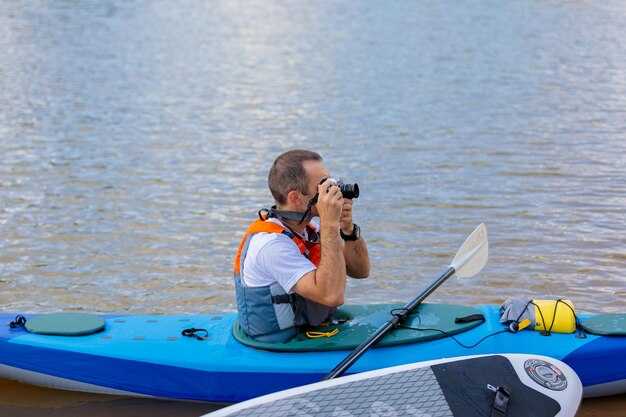
Choose a starter package with at least a 2-year warranty that covers hull integrity and workmanship, and pair it with a full accessory pack including a hand pump, spare parts, repair kit, an adjustable paddle, a dry bag, and seating. This setup gets you on the water fast, minimizes downtime, and makes learning enjoyable for the paddler.
Shop value bundles from pelican, malibu, tahoe, and other brands. These packs bundle the kayak with essential equipment, paddler-friendly seating, and space-saving storage. Expect discounts of roughly 10-25% compared with buying items separately, depending on retailer and current promotions.
To maximize your learning, plan for a package that boosts manoeuvrability and confidence: a stable hull helps casual sessions, while a crossoverour design balances tracking and speed for growth. If youre new, a basic compass option adds reliability on open water and makes it easier to set a point and stay on course as you plan your progression.
Keep in mind space at home for gear, check the weight of the full pack, and ensure the warranty and access to spare parts meet your needs. A premium equipment bundle often includes a pump, repair kit, spare parts, and seat adjustments, while entry options keep the upfront price down and provide strong value for first-time paddlers.