


 Nederlands
  English (UK)
  Русский
  العربية
  日本語
日本語  한국어
한국어  Magyar
  Türkçe
  Español
  Čeština
  Svenska
  Português
  Ελληνικά
  Suomi
Suomi  Română
  Italiano
  Français
  Polski
  Українська
  Deutsch
  简体中文
简体中文  Slovenčina
 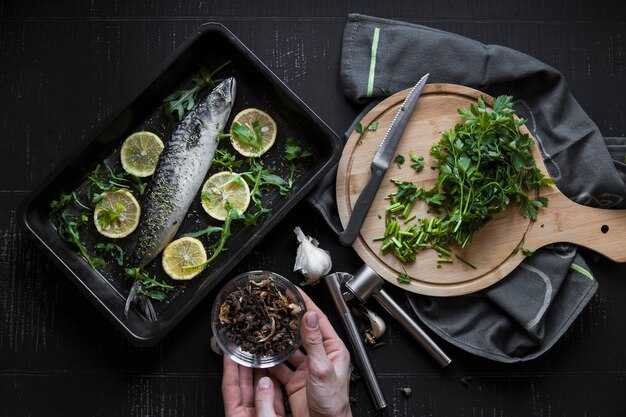 Sustainable Eats – 9 Essential Tips for Making Sustainable Seafood Choices">

Choose mahi labelled from a reputable fishmonger or grocery store today. This simple choice reveals where and how the fish was caught and signals the ethical standards behind the chain.
Here are nine ways to navigate a complex seafood landscape and safeguard the future of oceans across decades, turning fish into a true powerhouse for health, communities, and climate resilience.
To compare options, look for labelled halibut or mahi linked to a transparent chain of custody, and ask your fishmonger or grocery for the origin, catching method, and the rights en equity standards behind the catch. When possible, prefer harvest from the oregon coast or other well-regarded regions that publish stock assessments and catch quotas, and seek information on the responsible commercial fleets involved.
Here are practical checks you can do in-store: compare stock status for popular species, note which fisheries are certified by trusted bodies, and choose options that come from smaller, more transparent fleets rather than distant, commercial-heavy operations. Apply the same criteria to all species you buy.
If youre shopping for seafood for a family, aim for versatile choices like mahi, halibut, or sardines that fit multiple meals, while keeping an eye on ethical supply and equity for workers. Ask your fishmonger or supplier about seasonal availability and how quickly stock rotates to maintain freshness.
Decisions you make now shape the future by supporting sustainable fisheries that recover stocks over decades and strengthen the resilience of coastal communities.
Sustainable Eats: Practical Tips for Making Sustainable Seafood Choices
Here is a concrete recommendation: choose seafood with traceable origin from low-impact stock, and rely on commercial labels that publish accessible comparisons of fishing or farming methods.
Build a simple list of trusted producers and options. For example, select species with stable stock and prefer labels that are free from bycatch-heavy methods; between regions like the south Atlantic and the Pacific, look for line-caught choices that carry traceability and oceanmind endorsements; this approach helps explore options and choose the least risky, most responsible plate.
Traceability and collaborative networks enable comparisons across brands; here you can verify origin, gear type, stock status, and the involvement of processors to see how supply chains align with your values.
| Tip | Action | Impact |
|---|---|---|
| Traceable supply | Check labels and traceability data before purchase | Confidence rises; risk lowers |
| Low-impact stock | Choose species with low bycatch and habitat impact | Ecosystems stay healthier; stock remains available |
| Collaborative networks | Support programs with producers and processors | Drives improvements and scale |
| Regional context | Compare between regions; favor south zones with robust data | Better long-term supply |
Ready to prepare? Plan meals around a few dependable producers and processors who practice low-impact fishing or farming, and note the highlights of these programs to guide future shopping sessions.
Look for Labels: Certifications and Trademarks to Guide Seafood Picks

Choose products bearing credible certifications and marks on the label to guide your seafood picks. Seek the mark that denotes the program, which signals responsible practices. This opportunity comes from third‑party reviews that verify methods, which helps protect oceans and keeps flavor thriving within trusted standards.
Identify the marks and verify the program. Look for seals from recognized bodies such as MSC or ASC, and confirm the label’s code matches the issuer. University research and industry reviews show a strong link between recognized marks and lower environmental impact, so utilize the official program lists and the product’s origin data to assess risk.
To act today, first compare options using the list of credible marks. Choose products with the strongest, independently audited certifications, and avoid vague or missing labeling. If a label carries a verified mark, you can trust that the supplier follows a defined ethical program that protects habitats. Turn insights into action today.
Utilizing labels supports socially responsible markets and encourages action by brands under customer pressure. Believers in sustainable seafood will see the opportunity to influence change by choosing identified products from brands that clearly disclose their supply chains. Additional steps include maintaining a personal list of marks you trust and reviewing content from reputable sources–просмотр контента today–so you can compare marks efficiently, which helps you protect biodiversity and keep seafood thriving for future generations. Believe that clear labeling strengthens community trust and motivates action.
Identify Trusted Certifications: MSC, ASC, and Other Credible Labels
Choose seafood with credible certifications as your default when shopping or dining out. Look for the MSC or ASC marks, and verify them in the certifier databases. The label signals independent audits of stock status, harvest method, and chain-of-custody, according to program standards. Transparent labeling lets you compare products across brands and markets, reducing the risk of greenwashing and helping you make a right choice.
Next, read the label details on the package or menu. The MSC blue tick or the ASC label should appear with a certificate or reference number. Confirm the harvest area and gear type when possible, and look for disclosure about stock status and processing, with clear notes on whether the fishery is wild or farmed. A fully transparent supply chain supports confidence from coast to plate, and the label should mean something you can check and trust.
Beyond MSC and ASC, credible labels like Friend of the Sea or independent regional programs can help, but verify the scope and audit status. Watch for third-party verification instead of marketing slogans. In the west coast market, whether west coast or east, check the label’s public database and look up the fishery’s status. For mussels and crab, confirm whether the product is farmed or wild and how bycatch is managed. Some programs publish annual disclosures and performance metrics. This is the story you are watching unfold, not a marketing claim. Credible labels are accelerating reform by requiring transparent data and regular audits.
When you dine at restaurants, ask staff for the origin and certification status of seafood on the menu. If a label is not shown, request the alternative: provide the supplier, harvest method, and certificate numbers. dont rely on guesswork; clear disclosures help you decide. For mussels or crab dishes, seek products with traceable origin and a known certification, and consider choosing a fishery label to support sustainable practices. If concerns arise, ask for origin data, bycatch metrics, and third-party audit reports.
At the market, compare product notes side by side, noting the first label and any additional marks. If you see a product described with a credible label but lacking public disclosure, skip it and move to another brand. Join meetings or supporting groups that share credible labeling information, including resources in Bahasa that explain fisheries data in clear terms. When you spend, choose products that meet verification tests for full transparency, and consider the entire chain–from harvest to distributor to restaurant–to ensure together that your choices align with values about the ocean and communities that rely on species like mussels and crab.
Read Label Details: Origin, Harvest Method, and Catch Documentation
Take a moment to read the label and confirm origin, harvest method, and catch documentation before you buy. This practice keeps you informed and supports sourcing within coastal communities and the broader industry.
Origin tells where the fish was caught or raised. Look for a country of origin, a port of landing, or a fishing zone; a label that notes coastal grounds within a national framework often signals a shorter, traceable chain.
Harvest method shows how the catch was taken. Prefer details such as pole-and-line, handline, longline, or selective traps over broad-net methods, since these choices influence bycatch and habitat impact. Clear method information boosts transparency and aligns with conventions used by governments and university researchers.
The global seafood industry is worth a billion dollars, and label transparency helps protect workers and coastal economies.
Catch documentation creates a verifiable trail. Expect lot numbers, vessel IDs, date of catch, and export or import certificates; look for recognized conventions and credible reports to trace the product from marine source to your plate.
If a label lacks details, ask your fishmonger for the full report or a digital copy. Governments, industry groups, and independent auditors publish reporting standards, and credible logs support rights for workers and sustainable sourcing across the supply chain.
Step 1: verify origin on the label. Step 2: confirm harvest method. Step 3: review catch documentation. Step 4: request the report or a digital link. Step 5: compare with certified programs (MSC, ASC) and align with your sourcing goals. Step 6: choose products from fisheries that clearly meet these standards.
By applying these checks, you contribute to a more transparent industry and help protect coastal livelihoods within your state and beyond. Your eats become part of a broader effort to improve practices across fisheries and support the rights of workers and sustainable change.
Spot Misleading Claims: What “Sustainably Sourced” Really Means
Verify sustainability claims with independent certifications such as the Marine Stewardship Council (MSC) or Aquaculture Stewardship Council (ASC) and demand chain-of-custody reporting. If a label lacks verifiable proof, skip it and choose products with clear documentation. To make quick comparisons, create a simple checklist: certification status, origin, fishing method, and transparency of auditing results.
“Sustainably sourced” represents a stock kept at higher biomass on a scale that supports sustainable yields and harvested under standardized rules that limit bycatch and habitat impact. oceanic fisheries and sectors across commercial supply chains rely on regular stock assessments, quota adjustments, and updated labeling to reflect real conditions.
Labels vary; many carry varying degrees of detail. Look for a list of data points: geographic origin, fishery name, year, gear type, bycatch controls, and reported bycatch rates. When labels are vague, being precise about origin and gear matters, and if details are unavailable, compare with third-party reporting from independent assessments.
For families choosing hake or oysters, prioritize products with documented origin and method. Ask whether hake comes from a well-managed stock and whether oysters come from oceanic farms with low-impact practices. Prefer locally sourced options where the supply chain is short and transparent, reducing the risk of mislabeling. Look at flavor and quality as clues that the product came from healthy stocks rather than heavily fished, because taste can reflect fish condition and freshness.
Farmed options, including fishfarming, can be part of sustainable eating when producers follow stringent, standardized standards and publish regular reporting. Low-impact aquaculture uses practices that minimize feed use, habitat disruption, and chemical inputs; compare farms on this basis and consider a broader oceanic context that spans many sectors.
Build a practical list of trusted sources by talking to retailers, seafood counters, and suppliers. For each product, record the stock status, origin, and certification. This process helps families make higher-quality decisions and reinforces markets that reward responsible fishing and farming. By combining clear labels, solid reporting, and a commitment to locally sourced options, you create a reliable guide to sustainable flavors while protecting ecosystems for future harvests.
Assess Fishing Method and Bycatch Risk
Choose seafood from fleets that use low-impact gear and publish bycatch data. When you shop, spend a few minutes checking which method was used and the bycatch figures published for the year.
- Gear and method: Identify the primary gear used for the catch (e.g., longline, gillnet, bottom trawl, midwater trawl, purse seine, traps/pots). In general, traps/pots and pole-and-line sets offer lower bycatch risk, while bottom trawls and uncontrolled longlines show higher non-target catches. According to published assessments, gear choice drives the majority of bycatch across world fisheries.
- Mitigation and equipment: Look for gear modifications that reduce bycatch, such as circle hooks on longlines, turtle excluder devices (TEDs) on trawls, BRDs on nets, or selective seining practices. These measures light the path to waste reduction and better ecosystems.
- Data quality and standardization: Favor fisheries and brands that publish standardized bycatch data by gear and year. This makes comparisons across producers and chains more reliable and helps gatekeepers enforce best practices.
- Species and bycatch issues: Check which non-target species are affected and whether the data show declines or rebounds in those groups. This transparency helps protect vulnerable populations locally and globally.
- Supply chain and provenance: Ask whether the product comes from a commercial fishery with published risk assessments or from a small-scale producer with verifiable gear details. dont rely on marketing alone; look for a clear, published record across the chain.
- Localization and accessibility: Prefer sources with bahasa-language reports or regional summaries, so issues are visible to local consumers. This approach strengthens locally informed decisions and influences local markets.
- Consumer influence and action: Your choices can influence which fisheries get investment. By supporting fleets that publish data and invest in low-impact gear, you help shorten supply chains and protect ecosystems.
Some reports are published in bahasa to improve local access for communities.
Verify Traceability: Lot Codes, Product Numbers, and Online Resources

Always check the lot code and product number on every package before purchase; this quick step helps prepare you for a confident choice, protects rights, and makes sustainable choices easy. Even in routine shopping, these checks stay powerful. Add these checks into your routine to stay consistent.
Decode the codes by focusing on three items: the lot code, the product number, and the brand’s online lookup. Lot codes typically encode harvest date, source facility, and a batch identifier; the product number links to the exact item in the company’s system. If interpretation isn’t clear, contact the retailer with the label details and keep the packaging until you receive confirmation. This approach is fundamental for trust across sectors.
Visit the brand’s official site and use a product lookup or traceability tool. Enter the product number or lot code to see origin, species, processing method, and the certs that apply. Look for clear flags like origin country, whether the harvest is wild or land-based, and the standards the company adheres to. For a straightforward, easy path, compare data across sources and rely on GS1 standards as a baseline; consult university resources or government portals for extra context on credibility. Prefer options that are sustainably sourced.
When online data varies, follow a simple workflow: document the differences, reach out to the company for clarification, and prefer seafoods with transparent, verifiable records. Keeping packaging, receipts, and code screenshots helps you build a personal file for trusted choices. Local options offer direct connecting with the producer, making the trail easier to trace. In land-based operations, this approach supports quality and helps shifting toward responsible choices. Compare a variety of items to choose better matches than single options.
Across sectors, turning traceability into routine strengthens development of standards and protects workers’ rights. For seafoods and other products, a quick check at the point of sale followed by an official online lookup helps verify origin and handling. When you choose local or land-based seafoods, you gain fresher information, easier updates, and the opportunity to compare options varying by season. This habit fights mislabeling, supports sustainable production, and keeps the focus on quality while connecting with the person behind the product.