


 Nederlands
  English (UK)
  Русский
  العربية
  日本語
日本語  한국어
한국어  Magyar
  Türkçe
  Español
  Čeština
  Svenska
  Português
  Ελληνικά
  Suomi
Suomi  Română
  Italiano
  Français
  Polski
  Українська
  Deutsch
  简体中文
简体中文  Slovenčina
 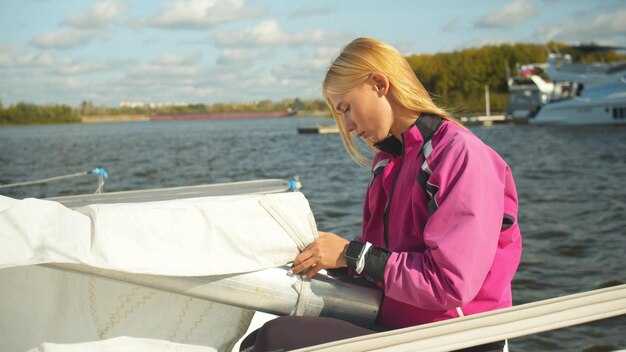 Speed Boat Basics – Your Quick Guide to Thrilling and Safe Rides">

Begin every ride with a simple checklist: strap your life jacket, attach the kill switchen verify fuel and battery. Under bright sun or on a shaded deck, these steps keep you fully prepared for what comes next. If you’re with a crew, theyre ready to handle tasks so you can focus on control and reaction time. These things were designed for speed and safety.
Speed and handling depend on conditions. Set speed to the water and wind: in calm water, you can accelerate progressively; in moderate chop, stay under 40 km/h (25 mph) to keep the hull flat and avoid spray. Keep a safe distance from other boats and swimmers, and look ahead for rocks, buoys, or shallow shoals along the side of the channel. Do this with care; this approach keeps that balance between speed and control.
Gear and habits prevent dangerous situations. For activities on the water, wear a life jacket that fits snugly, carry a whistle, and bring a waterproof radio or phone in a dry bag. Use a kill switch lanyard and test it before launch. Keep hands and feet inside the cockpit to avoid the propeller and dangerous spray; if you must move, do it slowly and with support from a stable hand. Additionally, include a spare fuse and basic tools.
Traditional boating practices help teams stay coordinated. Assign one person at the helm and another to watch the side for obstacles, making communication clear with simple signals. Include a quick abort plan for wind shifts or entering restricted wake zones to ensure signals are understood. Have a spare fuel can and a charged flashlight for night trips.
If you are looking for thrilling rides, keep the ride safe and make it truly thrilling that you stay within your boat’s power, checking forecasts, and avoiding reckless moves. This balance will keep you thrilled and safe. Look out for sudden gusts and avoid dangerous maneuvers near shorelines. Another tip: practice in calm water first, then progressively push speed as you become fully confident and in control.
Choosing Your First Speed Boat: What to Look For
Think quickly about stability, safety gear, and easy handling when you pick your first speed boat. Start with five checks: stability, hull integrity, engine reliability, safety equipment, and simple controls. Look for a model with a comfortable beam, predictable throttle, and space for riders. Test it with a light load first, then add more riders to see how it behaves there.
According to advisors, the fastest option is not always the best first pick; theyre not ideal for beginners due to abrupt throttle and reduced stability. Ensure your safety kit includes a fire extinguisher, life jackets for five passengers or more, and a ready rescue throw rope. Also verify storage that keeps items and gear secure, so you can keep the ship tidy during trips.
Five-Item Quick Check
Below is a concise list you can reference during a test ride: five items to verify: hull stability, throttle response quality, engine hours and maintenance records, safety gear readiness, and ease of accessibility for essentials. Regularly walk through this checklist with the dealer and you will boost confidence and make a smarter choice.
Through hands-on practice, you gain understanding of how it will perform through chop and at speed. Check the below electrical and safety features: kill switch works, bilge pump operates, wiring is secure, and the extinguisher is mounted and reachable. While the thrill pulls you forward, these checks prevent problems and shorten the learning curve for longer, safer rides.
Advice from riders who have tested dozens of boats: start with a model that balances speed with stability, and choose a plan that fits your budget. Regular maintenance practices protect your investment and prevent costly downtime. With the right setup, you can think about how quickly you can take your friends there and how much fun you can have while keeping safety top of mind.
Hull Types and Suitability: V-Hull, Flat, and Catamaran
Recommendation: For thrill‑driven riding with safe, predictable handling, choose a Catamaran hull. Known for stability, it keeps passengers comfortable when you are looking ahead to the next turn and when you travel to fishing spots. Catamarans typically burn fuel more efficiently, which lowers burn per mile at cruising speeds, and their dual hulls offer generous deck space for gear, keeping you in control during lively driving and when you push the propeller into acceleration. For growing enthusiasts who want a balanced experience, the Catamaran delivers a smooth ride, less roll, and clear sightlines, giving you confidence on the road to more adventures.
V‑Hull: Best when you want crisp response through chop and quick planing. The sharp keel meets waves head‑on, helping keep the bow down and steering predictable as you drive at speed. The trade‑off is a stiffer ride in rough water and more spray in heavy chop, so check the boat size, weight, and seat layout before you buy. For fishing and enthusiasts who probe coves, a robust outboard and a propeller with good bite deliver confident planning and strong acceleration, especially when you are on the water for a full day of adventure.
Flat hull: The flat bottom provides great initial stability on calm water and makes loading, fishing, and docking easier, with a lower center of gravity and a comfortable platform at rest. In chop or crosswinds the ride can feel busier, and the tracking stance loosens as speed climbs, so this hull suits shallow, protected waters and short trips. When you size a Flat hull, check beam width and weight rating, and pair it with an appropriate outboard so you do not burn extra fuel or cause excessive spray. This option is popular for enthusiasts on tight budgets who want straightforward maintenance and plenty of hands‑on learning.
Catamaran specifics: Two slim hulls spread the load, delivering more comfort per person and a more stable feel when you travel with a full crew or gear. They lower roll and provide generous deck space, which helps with fishing rods, coolers, and passengers looking for space to move. Size and beam matter: bigger boats offer more room but require careful handling and a larger outboard rating to avoid overloading the propeller. Before you spend, test balance in light turns and confirm the engine’s response, trim, and steering feel. Ways to learn what works for you include a sea trial, a wobble test at various speeds, and listening for cavitation or spray patterns. Never skip the safety checklist, and keep responsibilities clear: life jackets, fire extinguisher, and weather awareness before every run.
Safety Gear, Checks, and Quick Pre-ride Routines
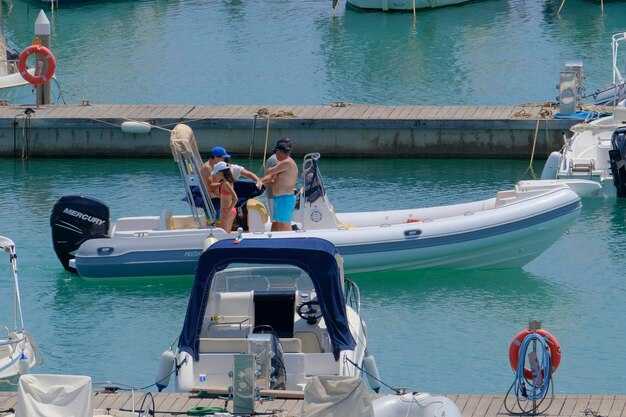
Begin with a snug, USCG-approved life jacket for every rider. For beginner and lifelong riders, Type III PFDs provide mobility and buoyancy; choose bright colors for near-surface visibility. Verify fit with a quick tug, then adjust straps and zippers. Add a water-sports helmet rated for impact, with chin strap secured. Attach the kill switch lanyard to the driver and clip it to your life jacket when starting; this prevents runaway power and lets you quickly stop if a rider falls during wakeboarding on a small bowrider, a common setup in the sports world. Include a whistle and a compact waterproof signaling device, and keep a dry bag with a phone and a simple navigation aid. These items prevent injuries and let the crew participate with confidence during first sessions and lifelong boating activities. Review them before every ride–the only checks you need to start safely.
Gear Essentials
Within easy reach: a throwable flotation device (Type IV), a sturdy throw rope, a marine-rated fire extinguisher, a first-aid kit, a small flashlight or headlamp, and spare batteries. Add a signaling mirror or flare kit for dusk conditions. Keep a waterproof pouch with a fully charged phone or radio, plus a compact GPS or map app. For wakeboarding and bowriders, have a spare tow rope and a helmet on hand if riding with many participants; dealers and experienced buddies can advise on recommended brands and sizes. Distress signaling devices should be inspected before every ride and kept ready near the cockpit for swift response.
Hands-on Pre-ride Checks
Do quick, hands-on checks before starting: inspect the hull for cracks or loose fittings, verify drain plugs are in place, and scan the propeller or V-bottom drive for weeds or damage. Test the battery and fuel level, confirm the oil level, and ensure the bilge pump works. Inspect hoses and clamps, verify steering and throttle controls move smoothly, and confirm the kill switch is connected. Check navigation gear: GPS, charts, and nearby buoys or markers. Confirm all passengers wear PFDs, and practice starting in neutral, then move to forward at a controlled pace to verify handling. Keep near other boats in sight and use a spotter when needed; this approach lets you handle routine tweaks safely and builds lifelong habits for you and your crew.
Throttle, Steering, and Turning: Core Handling Tips
Set throttle to 50% on calm water to establish stable planing. youll feel the hull respond within seconds, giving you the chance to adjust before increasing speed. As asked by readers in the past, this simple baseline helps sports enthusiasts build knowledge of operations and stay committed to safe travel. For a v-bottom vessel, smooth inputs and steady trim yield the cleanest start and the most predictable turns. If you sail other vessels or plan different trips, these basics transfer well.
- Throttling and trim: Start at 50%, then add 5–10% every 1–2 seconds while you monitor engine rpm and bow rise. If you hear cavitation or see excessive spray, back off a notch and trim a touch down. In planing mode, maintain a steady rise angle by keeping speed in a narrow range. This approach helps you find a comfortable pace for long sessions and reduces fatigue.
- Steering control: Maintain a firm two-handed grip at 9 and 3 o’clock. Look ahead to your target path, not just the wake behind. Use smooth, small inputs; large steering at high speed can cause oversteer on a v-bottom hull. Let the boat tell you when to tighten or widen the turn radius by adjusting rudder angle gradually.
- Turning technique: Before a turn, reduce throttle to 20–40% to stay planted; initiate the turn with a light rudder and steady steering input. As you pass the apex, increase throttle gradually to regain speed without breaking plan. On slower, tight corners, use wider arcs and avoid abrupt power bursts that cause spray or loss of grip.
- Load, fuel, and conditions: Heavier loads shift trim toward the stern; check weight distribution and adjust ballast if needed. Monitor gallons on the fuel gauge and plan for the trip length. Wind, swell, and traffic require calmer inputs; in rough conditions, shorten your turn radii and slow earlier to maintain control. Having this knowledge helps you travel with confidence and safety.
- Practice and growth: Regular sessions build master of handling techniques. From past testing, you know that consistent cadence–throttle, steady steering, and measured turns–reduces mistakes. Build a checklist for each ride: pre-check, baseline throttle, turn plan, and post-run review. This commitment supports growing confidence as you master handling of powered vessels. Include throttle, steering, and turning cycles in your practice.
On-Water Rules, Licensing, and Local Regulations
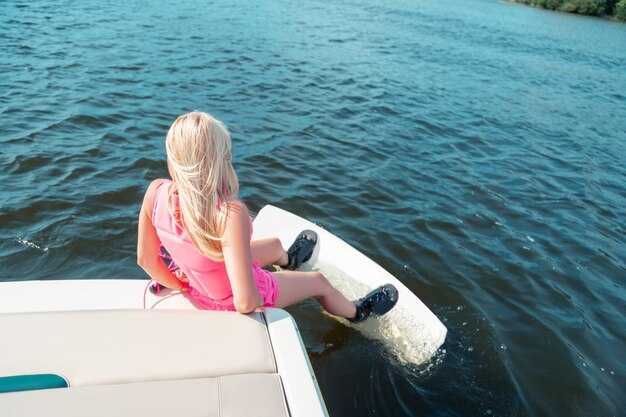
Get the license before you operate a high-speed craft. This fully covers your responsibilities and prevents fines, and it lets you launch at marinas with confidence. Never operate without the proper license. Always wear a life jacket and keep a throwable device within reach; this simple habit reduces emergencies on the water.
weve found that hands-on training with outboards builds experience and helps you react calmly under pressure. Know the basics of operating under local rules, check equipment inspections, and respect the rights of other water users on busy waterways.
Types of permits vary by region, but at least a safety course and proof of enrollment, plus vessel registration, are commonly required. Lets you enjoy high-speed rides responsibly and avoids penalties due to non-compliance. If thats new to you, start with a safety course and verify local requirements before you head out to sea or lake coastlines.
Key practices: stay within posted speeds, avoid aggressive maneuvers near marinas, yield to larger vessels, wear PFDs at all times, and connect the kill switch when operating. The means to stay compliant also includes following no-wake zones, disposing of waste properly, and keeping a proper lookout for emergencies on the water.
| Type | Who Needs It | What It Covers | Where This Applies |
|---|---|---|---|
| Operator License | All high-speed boat operators | Knowledge test, navigation rules, safety checks | State or provincial waters |
| Safety Certification | New operators and renters | Personal flotation devices, emergency procedures, capsize drills | Marinas and public launches |
| Vessel Registration | Boat owners | Proof of ownership, id numbers, inspections | Coastlines and inland waterways |
| Harbor/Marina Permit | Commercial or seasonal users | Harbor rules, mooring, waste management | Specific marinas and harbors |
Remember: never skip safety checks, respect posted rules, and treat the water as a shared space. If you have doubts, contact the local harbor master or marina staff for region-specific guidance and to identify less congested launch sites, so you can love the sport with peace of mind.