


 Nederlands
  English (UK)
  Русский
  العربية
  日本語
日本語  한국어
한국어  Magyar
  Türkçe
  Español
  Čeština
  Svenska
  Português
  Ελληνικά
  Suomi
Suomi  Română
  Italiano
  Français
  Polski
  Українська
  Deutsch
  简体中文
简体中文  Slovenčina
  Snorkeling Antigua – The Best Snorkelling Spots in Antigua">

Begin met een rustige, begeleide snorkeltocht bij Cades Bay Reef om ervoor te zorgen optimal zichtbaarheid en zachte stromingen. Voor reizigers die in de buurt van de kust verblijven, plan de duik wanneer het water still en het zand rondom het rif is glad, waardoor je makkelijker kunt staan en clean zichtlijnen. Als je met je gezin naar Antigua reist, is deze plek een zachte inleiding tot snorkelen en een kans om het rifleven van dichtbij te bekijken.
Galley Bay Marine Reserve biedt schoon water en een beschutte corridor waar onderwatertuinen een grote verscheidenheid aan rifleven aantrekken. Zoek naar een ondiep kanaal dat fungeert als een poort naar dieper rif; dicht bij de wand blijven zal levendige koralen onthullen en foto's die je wilt delen.
Langs de noordwestkust bieden Long Bay en nabijgelegen baaien gematigde stromingen en rustige zandplekken waar beginners van kunnen genieten. Een lokale operator geeft praktische tips over stromingen en rifetiquette, zodat duikers en snorkelaars veilig blijven. Met een peddel bij de hand kun je meer afstand afleggen zonder moe te worden. Je ziet vaak een visser in de buurt van de kust die hints deelt over getijdenwisselingen, wat je dag extra praktisch maakt.
Als je een gezonken schip of een verzonken poortformatie tegenkomt, nader dan langzaam en houd je aan de gemarkeerde boeien; deze objecten vormen gemakkelijke herkenningspunten voor navigatie en moedigen aan om foto's van hoge kwaliteit te maken. Een korte snorkel hier kan het hoogtepunt van je reis zijn, vooral als het water helder is en de zichtbaarheid waarschijnlijk uitstekend is op kalme ochtenden.
Neem een waterdichte camera mee om het moment vast te leggen; zo blijven foto's helder en heb je je handen vrij om de apparatuur te verzorgen. Het ochtendlicht filtert door het schone water, waardoor kleuren extra uitkomen en blijvende herinneringen ontstaan. Voor verblijven en bezoeken bieden deze locaties kwaliteitservaringen met veilige routes en vriendelijke gidsen die weten waar je rifdieren kunt zien in de buurt van een schip of de rand van het rif.
Snorkelen in Antigua: De beste snorkelplekken in Antigua; Mijn top 5 & beste snorkeltours in Antigua
Begin met een 3-uur durende snorkeltrip naar Carlisle Bay vanuit de haven van St. John's; deze korte excursie brengt je naar kalm, ondiep water, een paar scheepswrakken en veel tropische vissen in ongerepte helderheid.
Cades Reef ligt aan de noordwestkust van Antigua, waar helder water en gezonde koralen papegaaivissen, lipvissen en af en toe roggen aantrekken; de diepte varieert van 5m tot 15m, en hier kun je een rifzwem combineren met mangroven landinwaarts, een plek waar een vogel tussen de takken verblijft; voor wie op zoek is naar een avontuurlijke uitdaging biedt deze locatie meer diepte en wildlife.
Five Islands Bay herbergt een rif, lagunes en verschillende kleine eilanden; hier krijg je vergezichten op turquoise water, ondiepe baaien en diepere kanalen voor wie variatie zoekt; veel tours combineren snorkelen op deze bestemmingen met een snelle rondvaart om het eiland.
Darkwood Beach biedt een beschutte snorkelplek voor gezinnen en beginners; de ondiepe platen herbergen zeesterren en neonjuffertjes, terwijl de buitenste riffen tot ongeveer 12 meter diep worden; wie voor het eerst snorkelt, vindt het er gemakkelijk, en een middagsessie eindigt met een gedenkwaardige zonsondergang boven het water.
Het gebied van English Harbour, nabij Nelson's Dockyard, beschikt over een rifwand en een gemakkelijke toegang vanaf de kust; de diepte varieert van 3-10 meter, met zeewaaiers, scholen doktersvissen en af en toe schildpadden; het is een praktische aanvulling op een rondvaart of een langere dag op het water, waardoor je lijst met bestemmingen verder wordt uitgebreid.
Voor de beste snorkeltours in Antigua kies je opties die bij jouw tempo passen: of het nu gaat om ontmoetingen in St. John's, ophaalservices vanuit de haven, privébootcharters of excursies in kleine groepen; en of je nu een sessie van 3 uur wilt of een langere dag die verschillende bestemmingen combineert in één enkele rondvaart. Deze tours zijn flexibel, bedienen verschillende interesses en eindigen met een korte rit terug naar je hotel.
Plan voor het evalueren van de beste snorkelplekken en tours in Antigua
Kies een snorkeltocht in een kleine groep (6–8 gasten) met een lokale gids, een veiligheidsbriefing en goed onderhouden uitrusting; hierdoor kun je comfortabel verkennen, je veilig voelen en meer van de riffen van Antigua zien.
Maak een beknopte evaluatie voor elke optie, aan de hand van vijf criteria: onderscheidend vermogen van het rif, onderwaterleven, helderheid van het water, kennis van de gids en logistiek.
Noteer voor elke locatie de zichtbaarheid (doorgaans 15–25 m op kalme ochtenden), stromingen (licht tot matig), en waarnemingen (adelaarsroggen, geelstaartsnappers, papegaaivissen). Noteer de toegankelijkheid (toegang via dok vs toegang via strand) en of de boot voor anker gaat voor de kust.
Cades Reef is groot en opvallend, met een brede wand en levendige scholen; Galley Bay biedt een beschutte, ondiepe optie die ideaal is voor beginners; hier omvat de briefing van Galley Bay het controleren van de uitrusting en de veiligheid.
Logistieke check: bevestig de vertrekhaven (St. John's of English Harbour), het type boot, de kwaliteit van de uitrusting, en opties voor slecht weer; vraag operators om een korte veiligheidsgids voor het snorkelen te plaatsen en om een snelle snapshot na de trip te delen.
Opties kiezen: hier zijn twee keuzes die vaak aan de eisen voldoen: Cades Reef Classic en Galley Bay Calm Snorkel; beide bieden stabiele omstandigheden in de Caraïben en een waarschijnlijke mix van adelaarsroggen en geelvinstaartsnappers.
Beste maanden voor zichtbaarheid, helder water en een kalme zee
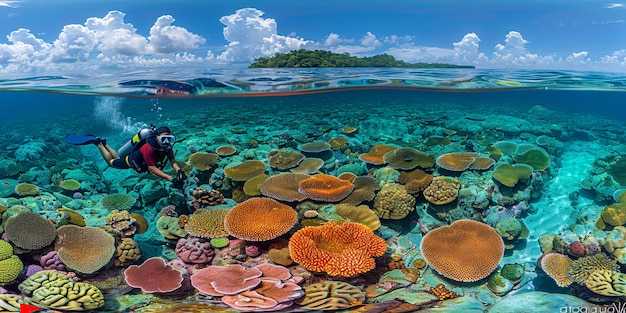
Van februari tot april biedt de oceaan rond Antigua het helderste water, het beste zicht en de rustigste zee om te snorkelen. Deze periode biedt mogelijkheden voor een ontspannen, gemakkelijke duik; kreeften en zeebaarzen worden gespot rond pilaren langs rifwanden, en het zicht reikt vaak tot 20-30 meter op kalme ochtenden. In de hoofdafbeelding omlijst turquoise water het rif, waardoor de zwemtocht onvergetelijk wordt.
hayes merkt op dat er privacy is in beschutte baaien en gemakkelijke toegang vanaf de kust, met verschillende opties die toegankelijk zijn vanaf het land en waarvoor geen boot nodig is. Vooruit plannen helpt je om uitstapjes te timen voor het beste licht, en als een locatie druk is, is er een andere optie elders langs de kust. Het Caribische water blijft het hele jaar door warm.
Buiten februari–april kunnen de omstandigheden variëren, maar je kunt nog steeds heldere plekken en kalme momenten vinden door je te richten op beschutte randen en ondiepe riffen. Wanneer je een mix van kust- en korte boottripjes plant, vergroot je de kans op een onvergetelijke ervaring met buren van het rif en volop privacy in rustige baaien.
| Period | Visibility | Water clarity | Zee kalmte | Opmerkingen |
|---|---|---|---|---|
| Feb–Apr | 20–30 m | Excellent | Kalm tot lichte bries | Beste algemene omstandigheden; gemakkelijk voor beginners; hoofdafbeeldingreferentie |
| Mei–Jul | 15–25 m | Heel goed | Matige wind | Toegankelijke locaties; planning voor hitte |
| Aug–Oct | 15–25 m | Good | Woeliger water na buien | Caribisch gebied buiten het seizoen; kreeften gespot |
| Nov–Jan | 18–28 m | Good | Winderiger, af en toe buien | Heerlijke privacy in baaien; tijd voor bezienswaardigheden zonder boten |
Plattegrond per locatie: toegang, toegangspunten en veiligheidsoverwegingen
Begin bij de Harbour Entry voor de meest betrouwbare toegang en de snelste route naar vier belangrijke snorkelplekken rond Antigua. De meeste ervaringen verlopen het beste op kalme ochtenden, wanneer zwemmen gemakkelijk is en het zicht goed; als je een tijdslot hebt gekozen, begin dan bij zonsopgang om het helderste licht te vangen. Vanaf dit punt kun je met vertrouwen bezoeken aan alle locaties plannen.
Haveninvaart Toegang vanuit de hoofdhaven, met een duidelijk gemarkeerde snorkelzone, een ondiepe helling en een veiligheidsboei. Het zicht is meestal het beste van zonsopgang tot halverwege de ochtend en de stroming blijft beheersbaar nabij de rand van het rif; de scheepswrakken liggen net buiten de beschutte zone. Anker op de aangewezen plekken om de scheepswrakken en de zeebodem te beschermen. Ga na het snorkelen naar een nabijgelegen restaurant om bij te tanken. Blijf altijd binnen het afgezette gebied, snorkel met een buddy en controleer de adviezen van de источник van veiligheidsupdates.
Toegang tot City Beach Een tweede toegangspunt nabij de waterkant van de stad biedt gemakkelijke toegang voor zowel inwoners als bezoekers. Kom binnen via een beschutte baai met een zachte helling, waar verschillende soorten rifleven de kustlijn bevolken, wat variatie toevoegt voor de meeste snorkelaars. Het bereik varieert van 5 tot 12 meter voordat de helling dieper wordt; let op de bootroutes langs de haveningangen. Beide calm mornings en zonnige namiddagen zorgen voor goede zichtbaarheid, maar ochtenden zijn het meest betrouwbaar. Vermijd ankeren in de buurt van zandbanken en blijf binnen de gemarkeerde vaargeulen. Haal na de sessie een koffie bij een lokaal café en overweeg een snelle snack in een nabijgelegen restaurant.
Vier scheepswrakkenlocatie Een korte zwemtocht vanaf de rand van het rif onthult vier scheepswrakken die in ondiep water liggen. De plek biedt ongelooflijke mogelijkheden om vissen en koraal rond de rompen te observeren; het toevoegen van een oppervlakteboe helpt de drift onder controle te houden. Ga het water in via een gemarkeerd kanaal, blijf uit de buurt van dichte kielsecties en raak nooit artefacten aan. Ankeren is hier verboden om wrakken en sedimenten te beschermen.
Eagle Point en Reis rond de Wereld Bereiken Het buitenste rif rond Eagle Point biedt een natuurlijke route voor een lichte rondvaart langs de kust. De adelaarsvormige rotsmarkering wijst je de weg, en de locatie is verbonden met andere zones langs de Antilliaanse kust. Het zicht varieert met de stroming, dus plan voor kalmere omstandigheden in de late ochtend. Dit gebied is geschikt voor wie op zoek is naar een echte natuurbeleving, waar de natuur floreert in Caribische wateren. Overweeg na het snorkelen een korte wandeling langs de kust terug naar de stad en de haven.
Wat je op elke plek zult zien: riffen, schildpadden en tropische vissen
Begin bij Nelson Harbour Outer Reef voor een veiligere, rustige kennismaking met de onderwaterpracht van Antigua. Glijd langs de rand terwijl zonlicht het water vult en je papegaaivissen, lipvissen en koraal spot die veranderen met het getij. Het zicht is optimaal op kalme ochtenden en soms zie je scholen die het rif volgen. Dit gebied belooft ontmoetingen van dichtbij zonder te haasten en is een solide start om te verkennen, te snorkelen en op zoek te gaan naar de eerste bezienswaardigheden.
Drijf vervolgens richting de mangroven van Nelson Harbour, waar beschutte kanalen gevlekte schildpadden en een overvloed aan tropische vissen aantrekken. Proberen stil te blijven, stelt je in staat te zoeken naar de kleine, nerveuze scholen rond de wortels. De mangroven creëren een toevluchtsoord met kalmere stromingen, veiligere omstandigheden om te snorkelen en een periode van rustige observatie. Je kunt ananas-kleurige koralen langs de randen en een verscheidenheid aan rifvissen die in en uit de mangrovewortels schieten, opmerken.
Scheepswrakken liggen langs het buitenste rif en bieden een extreem contrast met het heldere rif. Vier opmerkelijke wrakken liggen op vijf tot twaalf meter diepte en bieden structuur voor koralen en hongerige tropische vissen zoals maanvissen, papegaaivissen en snappers. Je ziet er vaak schildpadden door de rompplaten en over het dek zwemmen. Het kostte even om rond de boeg te manoeuvreren, maar het glijden is soepel en de bezienswaardigheden zijn onvergetelijk. De periode na een stroomverschuiving levert helderder water en betere fotomomenten op.
Terug richting de kust voltooien andere riffen in de buurt van de haven de lus. Zoek naar nog eens vier kleurrijke plekken, elk met een eigen lijst van bewoners: gele zeilvinders, doktersvissen en juffertjes – plus af en toe een adelaarsrog. Deze lus is de moeite waard om te herhalen, want je zult bij elk bezoek nieuwe dingen ontdekken. Als je met je gezin op verkenning gaat, kunnen ze gratis snorkelen aan beschutte randen terwijl ze in het zicht blijven. Deel na het zwemmen een ananas en denk na over de schoonheid van dit toevluchtsoord en de herinneringen die je hebt meegenomen.
Rondleidingen met gids vs. zelfstandige rondleidingen: budget, flexibiliteit en planning
Kies voor rondleidingen met gids voor een voorspelbaar budget, soepel vervoer en een betrouwbare planning.
Budgetoverzicht
- Begeleid: De meeste groepssnorkeltours van een halve dag kosten ongeveer 60–100 USD per persoon en zijn inclusief veiligheidsinstructie, snorkeluitrusting, drijfmiddelen, een boottocht vanuit de haven en vervoer van en naar uw hotel (indien aangeboden door de touroperator). Voor een privébootcharter voor 4–6 personen kunt u rekenen op ongeveer 350–600 USD voor een hele dag, oplopend met autotransfers en aangepaste routes. Deze riffen met helder water, een juweel van Antigua's oceaan, een natuurlijk toevluchtsoord voor levende wezens, maken de ervaring zeer toegankelijk en het overwegen waard als u gemak belangrijk vindt.
- Zelfstandig: Huur van uitrusting kost meestal 15–25 USD per set, met mogelijke extra kosten voor vinnen of een full-face masker. U kunt besparen door uw eigen uitrusting mee te nemen; overweeg een eenvoudige route langs de kust vanaf een strandtoegangspunt om de kosten laag te houden, maar houd rekening met parkeer- of vervoerskosten naar de haven als u verder gaat dan die plekken. Vanuit budgettair oogpunt blijven de totale uitgaven haalbaar als u het vervoer en de toegang tot de locaties zorgvuldig plant; anders moet u mogelijk betalen voor taxi's of huurauto's.
Planning en flexibiliteit
- Rondleidingen vinden plaats op vaste tijdstippen, meestal in de ochtend (8:00–11:00) of in de middag (13:00–16:00). U profiteert van een lokale gids die levend koraal, riffen voorbij de kustlijn en het oceaanleven aanwijst, terwijl hij de bootnavigatie en veiligheid verzorgt. Wanneer deze tijdsblokken in uw planning passen, verspilt u geen uren aan logistiek, wat een echte tijdsbesparing is voor beginners.
- Met zelfstandige plannen bepaal je zelf het tempo en de timing. Je kunt langer blijven op een plek die je geweldig vindt, of plaatsen overslaan die je niet aantrekkelijk vindt. Vervoer vanaf de haven of je accommodatie is aan jou, wat je controle geeft, maar ook risico's met zich meebrengt als een locatie druk wordt of het weer omslaat. Als je voor deze optie zou kiezen, zou je een route kunnen uitstippelen en lokale bezienswaardigheden opzoeken om je tijd op het water te maximaliseren en anders online bronnen raadplegen voor alternatieven.
Tips om verstandig te kiezen
- Lees deze notities voordat je boekt: controleer de mogelijkheden voor ophalen in de haven, weet wat er is inbegrepen (uitrusting, boot, vergunningen), en bevestig de regels voor toegang tot het rif, aangezien sommige locaties seizoensgebonden sluitingen hebben. Deze tips helpen je binnen je budget te blijven en je reisschema flexibel te houden.
- Overweeg het juweel onder Antigua's snorkelplekken: sommige zeer beschutte locaties bieden kalm water en levende, natuurlijke riffen. Als je voor een begeleide optie bent gegaan, kan je gids een route samenstellen die meerdere plekken bestrijkt, terwijl de veiligheidsinstructies actueel blijven.
- Als je geen behoefte hebt aan een vast schema, kan een zelfstandige dag optimaal zijn: stippel een route langs de kustlijn uit en lees vervolgens over de plekken die je wilt bezoeken om de tijd op het water te maximaliseren.
- Tip: kies een tour inclusief vervoer vanaf je haven of hotel, dan hoef je je geen zorgen te maken over de logistiek, vooral als je met kinderen reist of in een jaar met veel drukte.
- Extra tip: plan een back-upplan voor het weer; zelfs de meest schilderachtige stukken kunnen ruw worden, wat een factor is waar je geen controle over hebt.
- Als je benieuwd bent naar andere opties, deze tours zijn vorig jaar live gegaan en zijn sindsdien verfijnd op basis van feedback van klanten.
- Houd deze tips in gedachten om ze snel te vergelijken en te beslissen welke optie het beste past bij jouw levensstijl en plannen.
Checklist uitrusting en veiligheidstips voor gezinnen en beginners
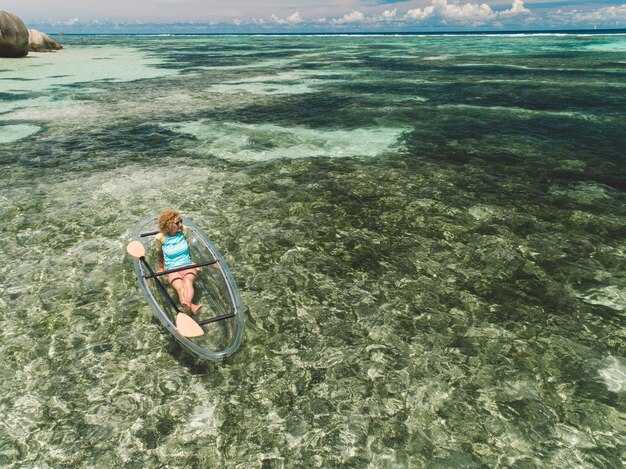
Begin met een serene, eenvoudige opstelling in de kalme baaien van Antigua langs de Antilliaanse kust. Kies een masker met een stevige afdichting, een snorkel en vinnen op maat voor elke zwemmer om gemakkelijke toegang en comfortabel onderwaterzicht rechtstreeks vanaf de kust te garanderen.
Pak voor het hele gezin, inclusief een lichtgewicht rash guard, rif-veilige zonnebrandcrème, waterschoenen, een dry bag, handdoek, hoed, fluitje, en een kleine waterdichte camera of telefoonhoes.
Ga altijd snorkelen met een buddy; keer nooit je rug naar de oceaan; stel een maximale diepte in op basis van het comfort van je kinderen; controleer het weer en de getijden voordat je gaat; ken je grenzen en houd rekening met hun tempo; als je met kinderen het water in gaat, begin dan ondiep en blijf binnen handbereik.
Respecteer het onderwaterleven: houd veilige afstand van pijlstaartroggen en baracuda's; beweeg langzaam als je ze tegenkomt; jaag nooit op zeegras of koraal; als je een pijlstaartrog ziet, trek je langzaam terug en vermijd plotselinge bewegingen.
Voor gezinnen, kies ondiepe, beschermde baaien vlakbij een hotel of een georganiseerde aanbieder; Hayes kan je wijzen op gezinsvriendelijke opties, inclusief een veiligheidsbriefing en materiaalcontrole voordat je het water ingaat.
Uitrusting die je eventueel kunt huren of meenemen omvat een masker met purge, snorkel, vinnen, snorkelvest of drijfhulpmiddel voor kinderen, rash guard, rifvriendelijke zonnebrandcrème en waterschoenen. Plan voor gemakkelijke toegang tot rustplaatsen en schaduw na de sessies.
Wanneer je een jacht chartert of in een hotel verblijft, neem dan een kleine tas met spullen mee en overweeg een korte scooterrit naar een nabijgelegen rustige baai voor een ontspannen sessie.
Toegang tot rustige, kalme plekken is essentieel: zoek naar baaien waar de zeebodem zanderig en ondiep is in de eerste meters; waar het water helder blijft, kun je je ademhaling oefenen en genieten van moeiteloos zicht onder water.
Spoel je uitrusting na het snorkelen af met zoet water, droog ze in de schaduw en bewaar ze in een droge tas; controleer maskers en vinnen op slijtage; je eigen uitrusting niet meegebracht? Veel hotels of winkels verhuren ter plaatse uitrusting, dus vraag het bij de receptie.
Het onderwaterleven van Antigua floreert in unieke, soms ongerepte ecosystemen; blijf op afstand van koraal en vermijd aanraking; een goede planning helpt je om de juiste plekken te vinden en alles sereen te houden terwijl je ontspant en geniet van de ervaring.