


 Nederlands
  English (UK)
  Русский
  العربية
  日本語
日本語  한국어
한국어  Magyar
  Türkçe
  Español
  Čeština
  Svenska
  Português
  Ελληνικά
  Suomi
Suomi  Română
  Italiano
  Français
  Polski
  Українська
  Deutsch
  简体中文
简体中文  Slovenčina
 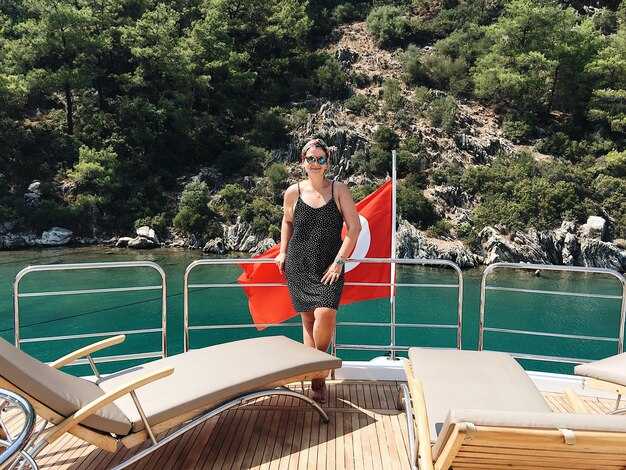 Sailing in Italy – Your Ultimate Guide to Exploring the Coast">

Rent a well-equipped sailboat with a certified skipper along the Amalfi coast to ensure safe days at sea and provisioning from day one for them.
Plan by season: May–October brings warm days and reliable winds, with more marina choices along the north coast from Cinque Terre to La Spezia. Always check weather forecasts and marina schedules, and tailor the day’s plan to your crew’s needs and the choices you make, whether youre chasing a lively sunset or a quiet morning approach at anchor.
Begin with Cinque Terre, Amalfi, Capri, or Ischia, then hop between nearby coves for lunches on deck. The coast offers immaculate anchorages and famous marinas that welcome sailors. The montecristo nature reserve sits off the Tuscan archipelago, so check landing rules and permits before you approach, and plan to respect protected zones from sea.
In the north you’ll find practical provisioning and lively markets, while the south offers bright wines and coastal specialties. For provisioning, balance local markets and perishables; in Tuscany and Sardinia you’ll find renowned wines and fresh seafood. Note each crew member’s needs and keep a running comment on substitutions, whether youre rotating dinners or sustaining a steady rhythm for long hops.
Maintain compliant safety gear: life jackets, a VHF radio on channel 16, and a current buoyage chart. Keep an account of fuel, water, and waste, and use a simple check-list at every port call to avoid surprises. With thoughtful planning, Italy’s coastline offers warm, smooth hops that reward careful provisioning and smart routing.
Practical insights for sailors navigating the Italian shoreline
Check the latest forecast; however, anchor near the mainland for the first night, having a safe plan, then proceed to giglio or egadi if light winds hold. Without a plan, you risk delays and missed opportunities.
Use a compact planning process to keep the voyage efficient and safe: set a daily target of an anchor, match distance to your speed in knots, and finish each day before dusk to avoid crowded harbors and high marina fees.
- Weather and routing: Read a 48-hour forecast, note wind in knots, and identify strait passages; adjust course to avoid strong currents; plan short hops if seas rise or winds exceed 25 knots; seeking calm water whenever possible.
- Anchorage and safety: Prioritize sheltered anchorage with a good bottom; aim for 7:1 scope; beware strong currents along rocky pockets; having a spare line and fenders helps manage heavy seas; unwind after a long day in a protected bay.
- Provisioning and markets: In coastal towns, markets offer fresh produce and bread; buy supplies before long legs; be aware of marina fees and consider free anchorage where permitted; if you found a market missed or closed, seek alternative markets along the coast, and keep a small cash reserve for port services; porto towns along the mainland often provide fuel, water, and repair services.
- Route highlights: The untamed coast near giglio and the egadi islands offers history and fabulous scenery; for sailors seeking quiet bays, stop at smaller harbors to enjoy the local cuisine and unwind before continuing; match your sails to the wind instead of fighting it to optimize speed, safety, and comfort.
- Skills and procedures: Practice handle and recovery for lines, set up a routine for engine checks, and maintain your safety gear; practicing man-overboard drills during daylight hours pays off when conditions stiffen; keeping the crew calm helps everyone finish with confidence.
June conditions provide long daylight hours and plenty of provisioning opportunities along the mainland and islands. If seeking a flexible schedule, plan a couple of optional stops and adjust based on conditions; this process becomes smoother with a simple two-day plan and a one-day backup. That approach reduces the risk of missed opportunities and keeps your voyage on track.
Best sailing routes along the Italian coast

Begin with these three routes for a balanced mix of rugged coastlines, sheltered anchorage options, and mouthwatering markets. Starting from the mainland, caprera islands through La Maddalena offer a classic northern Sardinia arc, featuring three standout anchorages and reliable sea breeze in summer.
Route one: Caprera to La Maddalena. From the mainland, head north to caprera and the La Maddalena islands, where water stays crystal clear and coves provide easy anchorages for peaceful nights. This arc spans three anchorages in protected bays, with calm conditions most mornings. Mooring fees are generally modest outside peak season, but peak months push up rates in larger harbors. Be mindful of restricted zones around certain islets and check notices before entering inner bays.
Route two: Amalfi Coast. Start near Naples and trace the mainland south toward Sorrento, Positano, and Amalfi, with the island of Capri often shaping the horizon. The views from cliff towns are dramatic, and you can anchor in small coves or use marinas to sample mouthwatering seafood and local markets. When winds shift to a northwest passage, these waters can become challenging, especially near Li Galli and the Capri approaches. Some areas are restricted during busy periods, so verify regulations and marina fees before tying up.
Route three: Tuscan Archipelago. Starting from Livorno or Piombino, reach Elba, Capraia, Giannutri, and Pianosa. The water deepens and the coast stays rugged, offering long, open vistas and quiet anchorages for relaxing days. These three islands provide a mix of hiking, beaches, and tucked-away ports, with normal mooring fees in Elba towns during the season. Check protected area rules for restricted zones around the larger islands, and plan weather windows because prevailing winds can be amplified by the chain of headlands.
Discover hidden coves, adjust your plan to the wind, and keep a flexible timetable to enjoy these routes. As a sailor, you will appreciate the rhythm of long sails and short hops, and the chance to explore markets, sample regional cuisine, and soak in views along the coast. These itineraries offer long days on water, three distinct vibes, and the splendour of the Italian coast from Caprera to the mainland and beyond.
Seasonal winds and best windows for coastal hops
Choose May or September for a week window, when steady Maestrale or Grecale keeps the waters manageable and the cost of moorings friendly; youll find fabulous, sheltered places along the side of the coast to anchor.
Match each leg to the forecast. In spring along the central Tyrrhenian, Maestrale and Grecale bring 15–22 knot breezes most days, with a few gusts above 25 that favour sheltered coves. In late summer Libeccio and Scirocco rise, making longer hops less reliable; however, sheltered bays with lee offer safer short hops. If you love rugged, dramatic coastlines, plan dawn departures to catch clean waters and avoid cross seas. Target 3–5 day legs to stay within comfortable limits and avoid days with cross seas.
For epic clusters, plan routes between budelli and marsala to experience varied coastlines. Anchor around budelli for a night in the Maddalena archipelago, then head south toward the western Sicily coast and marsala for a wine-tasting pause. Such options allow you to visit many fabulous places, yet keep the cost in check and make the most of calmer seas.
To maximize safety, rely on thorough forecasts and local assistance. Tap into centre resources, talk with harbour masters, and enlist support from a reputable charter operator. Use practical methods: check wind direction a day ahead, monitor sea state each morning, and carry fenders and a spring line for quick moorings; this keeps you prepared through sudden gusts and keeps your crew comfortable.
Options range from self-contained hops to guided itineraries. choose routes that balance side trips, cost, and fantastic memories. youll enjoy dramatic coastlines, match your pace to the forecast, and making the most of each stop. Either way, youll discover many fabulous places and a flexible rhythm that keeps your itinerary fresh.
Charter choices: bareboat vs crewed and how to pick
For families planning a coastline escape, choose a crewed charter for personalized planning, onboard service, and absolute confidence on every passage.
Als je de voorkeur geeft aan controle en een slanker budget, dan biedt een bareboat met een schipper of een kleine bemanning je de mogelijkheid om routes en stranden in je eigen tempo te selecteren. Elke groep heeft zijn eigen tempo, dus kies de opstelling die past bij je behoeften.
Bemande charters zijn geschikt voor enthousiastelingen die soepele dagen langs de kustlijn willen, met een kapitein en bemanning aan boord die maestrale patronen lezen en ruwe ankerplaatsen vermijden. Ze geven betrouwbare weersinformatie en ondersteuning ter plaatse, en zijn populair bij gezinnen vanwege de veiligheid, lokale kennis en aan boord hulp in plaatsen zoals Giglio, Palmarola en de Toscaanse kust, waar de ochtenden stralen van licht en het landschap verandert met de wind.
Bareboat opties schitteren wanneer u een langere reis langs de Toscaanse kust of richting het zuiden wilt maken, waarbij u stranden en ankerplaatsen nabij Giglio en Palmarola bezoekt. U verzorgt de bevoorrading, routebeslissingen en havenbezoeken, en u dient de veiligheidsuitrusting en licenties met het charterbedrijf te bevestigen voordat u vertrekt.
Klaar om te vergelijken? Gebruik de snelle tabel hieronder om verschillen in één oogopslag te zien.
| Aspect | Bareboat | Bemanning |
|---|---|---|
| Voor wie het is | Skippers met sterke zeilvaardigheden, of groepen met een duidelijk plan | Families, enthousiastelingen die gemak en lokale kennis zoeken |
| What you get | Boot, navigatieapparatuur; schipper of bemanning optioneel in sommige gevallen | Kapitein, gastheer, bevoorrading, routeplanning |
| Costs | Lager basis tarief; brandstof, catering en havenkosten extra | Hoger basisloon, all-inclusive of gebundelde opties |
| Flexibiliteit | Volledige controle over route en tijden | Kapitein begeleidt route, voert weerscontroles uit |
| Best routes | Kustreizen naar Toscane, nabij de zuidkust, met veilige ankerplaatsen | Gebalanceerde routes langs de Toscaanse kust, Giglio, Palmarola |
Welke optie je ook kiest, charters in Toscane en het zuiden bieden overvloedige ankerplaatsen, met een verscheidenheid aan plaatsen om te ontdekken nabij Giglio, Palmarola en andere populaire haltes langs de kust. De keuze hangt af van of je vrijheid of ondersteuning zoekt, en hoeveel tijd je wilt besteden aan zeilen versus het bekijken van bezienswaardigheden.
Aankoppelen, jachthavens, kosten en praktische etiquette
Reserveer een ligplaats in de haven van Positano minstens zes weken van tevoren tijdens het hoogseizoen, en bevestig de grootte van de ligplaats en de 50-ampère stroomvoorziening indien nodig.
Voor een ervaren schipper kan het onderhandelen over een langer verblijf een betere prijs en voorspelbare logistiek opleveren. De kosten variëren per locatie en seizoen; in de drukste zuidelijke resorts kan een motorjacht van 12–15 m ongeveer 180–350 EUR per nacht betalen. Kleinere jachthavens of boeimooringen zijn goedkoper, terwijl plaatsen zoals Bonifacio in Corsica hogere tarieven eisen vanwege de populariteit. Vraag altijd wat inbegrepen is: water, elektriciteit, liggende assistentie en beveiliging. Voor langere verblijven, onderhandel over een pakket voor aaneengesloten nachten of een wekelijks tarief om te besparen.
De kustlijn van Positano noordwaarts naar de noordelijke steden langs de kust biedt een mix van chique resorts en ongerepte ankerplaatsen. Plan etappes die passen bij uw grootte en snelheid, en boek ankerplaatsen nabij eilanden zoals Capri of Elba wanneer mogelijk om de zeiltijd tussen stops te minimaliseren.
Afdok etiquette
- Benader langzaam, houd de snelheid onder 3–4 knopen in havens; coördineer met de havenmeester en gebruik een spotter op de steiger.
- Houd de mooringlijnen klaar: twee boegenlijnen en twee heklijnen, plus een reserve; plaats fenders op contactpunten ter bescherming van rompen en aangrenzende boten.
- Gebruik VHF-kanaal 16 om te communiceren met de havencontrole en uw ligplaats of boei-toewijzing en uw geschatte aankomsttijd (ETA) te bevestigen om vertragingen te voorkomen.
- Respecteer de ligplaatsdiscipline: overbelast de elektrische voorziening niet, vermijd het 's nachts generatoren draaien in de buurt van hutten, en houd de muziek op een bescheiden niveau om respect te tonen voor anderen.
- Afvalbeheer: maak gebruik van lozingsfaciliteiten indien beschikbaar; zo niet, dan afvalstort aan wal; loos nooit afvalwater of brandstof in de haven en meld eventuele lekken aan het personeel indien nodig.
- Lokale cultuur: begroet personeel met een vriendelijke “Buongiorno” of “Bonjour” indien passend, geef discreet fooi waar toegestaan en volg de havenregels wanneer u in steden of op eilanden bent.
Lessons learned from sailing the Italian coast: pitfalls and tips
Kies een geschikte ankerplaats ruim vóór zonsondergang en baseer je plan op actuele voorspellingen en lokale aantekeningen.
Het weer kan snel omslaan langs de kust; controleer de voorspellingen voor kaap en landtongen in de buurt van capo en punta, bewaak windrichtingsveranderingen van zeebries naar buien, en noteer de aflezingen van uw instrumenten om koers aan te passen.
Vermijd het aanlopen van drukke havens 's nachts. Als de omstandigheden verslechteren, kies dan een haven met een betrouwbare ankerplaats en goede bescherming, en houd afstand van ondiepe slikken die vlak buiten de gemarkeerde vaarroutes liggen.
Beginnende zeilers hebben baat bij het oefenen van bedieningsvaardigheden in kalm water, het controleren van de motorstatus en het klaar hebben van een reserve stootwil en lijn. Zoek snelle tips van mensen in nabijgelegen steden en luister naar anderen die vergelijkbare routes langs de kust varen.
Plan routes that include Sardinië en andere steden met dramatische kustlijnen en adembenemende uitzichten. Zoek naar opties waarbij milde winden dagelijkse sprongen bevorderen en je in staat stellen om capes, punta-punten en afgelegen baaien zonder stress te verkennen. Overweeg om een paar ankerplaatsen te kiezen met goede toegang tot beschutting en betrouwbare ligplaatsen.
Bij elke stop, neem tijd voor culinaire stops en lokale markten. Porto-steden bieden verse zeevruchten en regionale gerechten die de moraal van de bemanning verhogen; praat met de lokale bevolking om veilige meerpunten, havenregels en seizoensgebonden stromingen te leren. Mensen met ervaring langs de Sardijnse kust kunnen routes en plekken delen die ruw water vermijden wanneer anderen te ver noord of zuid duwen.
summary: deze lessen helpen je slimmer te varen, geschikte kustgedeeltes te kiezen en veilig te blijven terwijl je de kustcharme verkent, van bruisende steden tot rustige havens.