


 Nederlands
  English (UK)
  Русский
  العربية
  日本語
日本語  한국어
한국어  Magyar
  Türkçe
  Español
  Čeština
  Svenska
  Português
  Ελληνικά
  Suomi
Suomi  Română
  Italiano
  Français
  Polski
  Українська
  Deutsch
  简体中文
简体中文  Slovenčina
 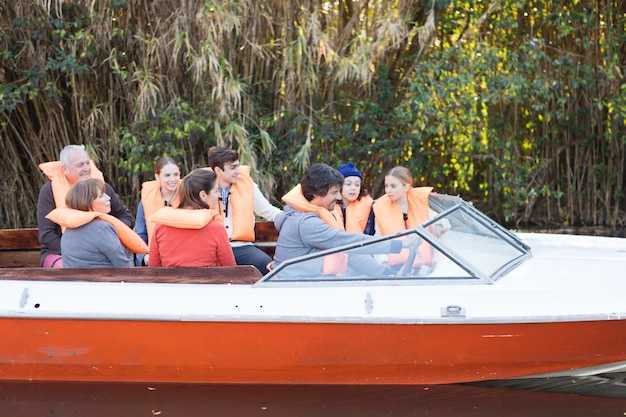 Rent the Boat, Own the Moment – Ultimate Guide to Boat Rentals">

Rent the boat today to lock in the best options and begin your trip with confidence. Modern booking systems connect you with trusted operators, making pricing, availability, and safety records transparent. Choose a wooden hull for classic charm or a high-performance fiberglass design for efficiency; both should come with behoud-minded maintenance logs so you know the craft stays reliable.
Know what you plan to do on the water–sailing, cruising, or fishing–and collect input from fellow boaters to fine-tune your choice, whether you plan a day trip or a weekend cruise. Look for vessels with strong wind handling, intuitive controls, and clear operation manuals. Even on breezy days, a well-balanced hull helps you move smoothly and safely. If you’ll move between coves or channels, confirm mooring options and check that the on-board systems include a reliable GPS and safety gear.
Safety and upkeep demand a practical approach: keep fuel and safety gear in check, verify insurance coverage, and review the skipper requirements. Preservation of the hull and rigging matters, and keeping the craft dry and clean prevents corrosion. Be aware of restrictions on animals aboard in some harbors; tiny creatures on shore can prompt different rules, so plan ahead because some marinas require quiet hours and leash rules.
To rent without stress, confirm a flexible cancellation policy and a detailed equipment list. Use filters to pick hull type, engine power, and cancellation terms. using reviews and direct operator responses help you compare handling, stability, and your needs for solo or family trips, which gets you through tight schedules.
With the right choice, you own the moment: step aboard, feel the wind, and set your pace for a memorable outing that respects your time and budget. The process keeps you aware today of options, and lets you share the experience with friends who ride along.
Practical Roadmap for Boat Rentals and Eco-friendly Charters
Book a reef-safe charter with a published waste policy and a clear commitment to preservation; this simple move reduces cigarette litter on board and protects on-water beauty.
If you travel with a group, define your group size and trip style, then rent a vessel that fits your needs and minimizes environmental impact; prefer more sustainable options such as electric or hybrid engines, and verify engine efficiency and waste handling during the charter.
Look for operators who are committed to transparency and acknowledge local culture and regulations; a short responsibility agreement helps ensure everyone understands rules and waste practices.
Move slowly near reefs, use established moorings instead of dragging anchors, and keep noise and wake to a minimum; reef-safe cleaning products on board reduce chemical runoff and protect habitats.
Plan provisioning to be sustainable, including farmed seafood from reputable sources, local produce, and packaging-free items; bring reusable water bottles and bags; discourage cigarette litter and single-use plastics.
After the trip, acknowledge results with the operator and share feedback; this will assist operators in improving ships and services, supporting a culture of responsible chartering and helping communities and reefs.
| Step | Action | Outcome |
|---|---|---|
| 1 | Define group size and boat type | Better fit, reduced wake, same comfort |
| 2 | Verify reef-safe policy and waste plan | Lower environmental risk |
| 3 | Pre-trip responsibility agreement | Clear expectations and responsibility |
| 4 | On-water practices | Preservation of reefs and habitats |
| 5 | Provisioning and waste strategies | More sustainable meals, reduced packaging |
Choosing the Right Boat Type for Your Trip
Choose a pontoon for travel with a group of 6–10 to enjoy stable lounging and easy boarding near bays. The wide deck, shaded seating, and forgiving handling make holidays comfortable for families and first-time skippers. Look for models with a sunshade, cooler space, and enough seating to avoid crowding; map your route to sheltered spots and follow buoys for safe navigation. As an example, plan a loop that stops at two or three bays for swimming and seafood tastings, keeping the pace relaxed and enjoyable.
If your plan centers on watersports, select a center-console or deck boat with a wide beam and a sturdy swim platform. These boats handle wake well, store wetsuits and gear neatly, and let you split time between tubing, snorkeling, and shore visits. If you believe in shared fun, try a watersport side by side with a friend. Leave a comment with your favorite spots and tips for beginners; sharing helps travel groups learn faster.
For overnight trips, a cabin cruiser or roomy sailboat lets you sleep aboard, cook meals, and ride out variable climate. These craft provide protection from wind and spray, ideal for holidays that stretch into multiple days. They also honor coastal heritage by letting you anchor near historic ports, and they support green practices on board–use reusables, avoid plastics, and pick up litter to protect the shoreline.
For fishing and coastal exploration, a sportsfisher or robust center-console with rod holders and ample deck space stays close to shore and helps you reach productive spots early. This option gives an absolute edge for anglers and explorers alike and pairs well with calm bays, scenic views, and the chance to sample seafood at a harbor restaurant.
To choose confidently, confirm the boat size, fuel type, and capacity before you sign. Check the weather and plan around climate and wind patterns; ensure safety gear is on board and accessible. Watch for lies in ads about speed or capacity; verify specs in the contract. Keep plastics off the deck, pick up litter, and treat the coast with care. Think about something practical you can do today to protect the coast, and you will be enjoying every moment of your holidays and travel, creating an excellent memory while honoring green practices and the environment.
Understanding Rates, Deposits, and Budgeting for Boat Rentals
Set a budget cap of 20% above the base daily rate to cover deposits, taxes, electricity, mooring, and holidays surcharges. This clear rule will help you compare options and stay in control as you book your sailboat adventure.
- Rates components: Base rate varies by sailboat type and size; for a sailboat under 35 ft, expect roughly $180–$450/day, while larger or premium models can reach $500–$900/day during holidays on popular routes to islands. Taxes and service fees usually add 6–12% depending on location.
- Crew and equipment: If you hire a skipper or crew, plan $150–$350/day on top of the base rate. Some fleets include safety gear and life jackets, while others charge separately for upgraded equipment.
- Mooring and marina: Mooring or marina fees run about $20–$60 per night in many destinations; in high-demand areas near busy islands, expect $70–$100 per night.
- Electricity and fuel: If charged separately, electricity can be $15–$60/day, and fuel for the auxiliary engine varies with itinerary. Some fleets bundle limited electricity into the base rate, which saves surprises.
- Provisioning and delivery: Provisioning services can be $50–$200, and delivery to an island or remote mooring may add $100–$300 depending on distance and timing.
- Deposits and payments: Most operators request a refundable security deposit of $500–$2,500, held as a card pre-authorization or cash; the amount depends on boat size and safety history. Payment terms commonly require 20–50% upfront, with the balance due before departure; confirm the exact schedule in the contract.
- Cancellation and refunds: Expect a tiered policy–full refund 30–60 days before departure, 50% refund 14–29 days, and limited refund within 14 days; some operators offer weather-related or force majeure waivers, but read the terms carefully.
- Hidden costs to watch: check for additional charges like dockage during special events, fuel surcharges, mandatory safety briefings, and kids’ safety gear rentals, which can affect the total budget.
- Define your scope: choose the general size of the sailboat and the route, then estimate the base rate and days of your trip.
- Forecast extras: add mooring, electricity, fuel, skipper if needed, provisioning, and any holiday surcharges tied to your dates.
- Sum and compare: include taxes, insurance or waivers, and the refundable deposit; compare itemized quotes from local operators to keep the footprint small and support the surrounding community.
- Plan ahead: if you can, lock in shoulder seasons to keep rates stable and there there is more flexibility in scheduling holidays and next trips.
Daar, met een helder plan, kun je waarde en ervaring in evenwicht brengen. Wanneer je kiest voor een lokale operator, verbind je je met de omliggende cultuur en de oudste vloten, wat vaak betekent: soepelere controles en betere kennis van eilanden, aanlegplaatsen en algemene veiligheid. Deze aanpak helpt je om je behoeften centraal te stellen, het tempo met je groep bij te houden en met vertrouwen vooruit te gaan terwijl je vergelijkt wat bij je budget past en wat een memorabele, half-gestructureerde reisroute voor je vakantie oplevert.
Veiligheid, verzekering en wettelijke vereisten voor bareboat- en zeilcharters met bemanning
Voor bareboat charters is een gecertificeerde kapitein vereist, evenals een schriftelijke polis waarin uw charter als verzekerd wordt genoemd, met dekking voor de romp en aansprakelijkheid, plus milieu-aansprakelijkheid en een gedocumenteerd reddingsplan. Controleer of de polis de motor en systemen dekt, en sleephulp omvat mocht het weer omslaan. Houd het certificaat gereed bij het inchecken en bespreek het met de lokale exploitant om af te stemmen op de regels van het marinepark en de regelgeving voor het rif.
Veiligheidsuitrusting en procedures: zorg voor reddingsvesten voor elke gast, een VHF-radio, een werkende EPIRB, een brandblusser, een EHBO-kit en een camera om rifvriendelijke praktijken vast te leggen. Voer vóór vertrek een controle uit van de motor, de bilgepompen, de navigatieapparatuur en de veiligheidssystemen om verrassingen tijdens de vaart te voorkomen.
Bemande charters: zorg ervoor dat de bemanning geldige vergunningen heeft en duidelijke taken; bevestig dat de kapitein ervaren is in het gebied en bekend is met uw route. Bekijk de rusturen, veiligheidsoefeningen aan boord en onderhoudslogboeken voor de motor en de brandstofsystemen. Informeer naar regelingen voor reservebrandstof en een plan voor het tanken binnen bereik om vertragingen te voorkomen.
Juridische vereisten: verifieer de registratie van het vaartuig en eventuele vereiste chartervergunningen; controleer de lokale regelgeving voor het betreden van mariene parken en het naleven van de bescherming van riffen. Eis een compliance check vóór vertrek en houd een eenvoudig logboek bij van routes, tijden en incidenten om op één lijn te blijven met de autoriteiten en uw verzekeraar.
Risicobeheer en kosten: onderhandel over voorwaarden die medische evacuatie en aansprakelijkheid jegens derden dekken; bevestig limieten en uitsluitingen, en zorg ervoor dat de dekking ook milieu-incidenten omvat. Gebruik een praktisch bemanningsprogramma voor noodsituaties, weersveranderingen en een veilige terugkeer naar de haven. Stel een budget op voor brandstof en plan brandstoffen om de motor en systemen in evenwicht te houden.
Praktische tips voor erfgoed en verantwoordelijk varen: respecteer het erfgoed van zeilgemeenschappen en kies voor operators die de nadruk leggen op rif-veilige ankers, meerboeien en het vermijden van koraal. Zoek naar lokale programma's die mariene bescherming ondersteunen, herbruikbare bekers gebruiken en afval minimaliseren. Breng tijd door in lokale parken of havens om contact te leggen met de bemanning en gasten, terwijl je verbruikte brandstoffen onder controle houdt en het tanken plant om het rif te beschermen voor het zeeleven en voor gasten om hun charter voor altijd te herinneren.
Eco-vriendelijke charteraccreditaties: Waarop te letten
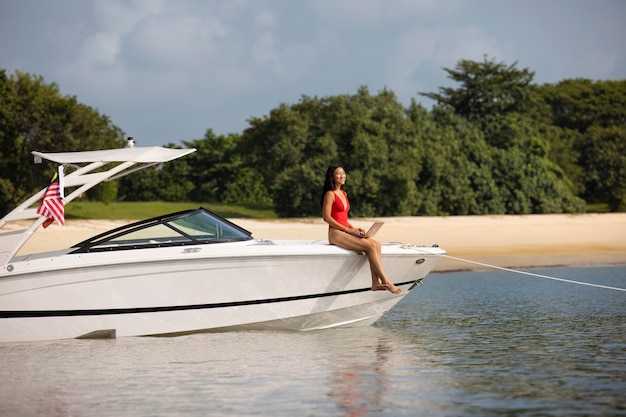
Kies een charter dat een transparant milieubeleid publiceert met meetbare doelstellingen en verificatie door derden, ter bescherming van oceanen en kustlijnen.
Wat te inspecteren: afvalverwerking, energiegebruik en aanmeeretiquette die parken en rifhabitats beschermen; documenteer hoe exploitanten morsen en plasticgebruik minimaliseren en hoe bemanningen worden opgeleid om noodsituaties aan te pakken.
Vraag om het aantal gastdagen en een uitsplitsing per schip in de vloot, plus een dashboard met brandstofefficiëntie, voortstuwingskeuzes en patronen van afgelegen routes.
Bekijk de systemen aan boord om er zeker van te zijn dat afval veilig wordt opgeslagen, emissies worden geminimaliseerd en grijs water naar goedgekeurde verwerking wordt geleid; zoek naar motoren met lage emissie, hybride opties en walstroomaansluitingen in havens om het gebruik van generatoren te verminderen.
Voorraden moeten afkomstig zijn van duurzame bronnen; producten die aan boord worden gebruikt, moeten afkomstig zijn van verantwoord beheerde toeleveringsketens, met waar mogelijk lokaal geteelde ingrediënten om erfgoed en kleine economieën te ondersteunen.
De bemanning omarmt ecologische praktijken, van geen ankers in gevoelige zeebodems tot verantwoorde vangsten, en de ervaringen en verhalen die met watersporters worden gedeeld om resultaten en geleerde lessen te illustreren.
Je vakantie voorbereiden vereist dat je vóór het boeken navraagt: wat de bemanning zou veranderen, hoe ze feedback verzamelen en welke stappen je kunt ondernemen om afval te minimaliseren en habitats te beschermen.
Droom je van milieuvriendelijke vakanties? Een voorbeeldreisplan laat zien hoe de bemanning duurzame praktijken omarmt, walstroom op afstand gebruikt en verhalen vertelt over het beschermen van habitats terwijl jij herinneringen verzamelt.
Aan boord ervaring: Inpakken, Etiquette en Voorzieningen

Pak een compacte dagrugzak in met essential items alleen: een setje kleding, reef-safe sunscreen, een breedgerande hoed, sunglasses, een droogzak, een lichtgewicht regenjasen een herbruikbare waterfles. Een klein tasje voor toiletartikelen en een compacte handdoek houden veel ruimte vrij voor uitrusting. Deze minimale opzet laat je verken tussen dekken en water, met zo min mogelijk afval.
Controleer voor vertrek de number of travelers en de bootindeling met je gastheer/gastvrouw aan boatsetter; deze duidelijke controle voorkomt verrassingen en versnelt de reisplanning. Als u meeneemt watersports spullen mee, bewaar ze in een aparte tas om rommel te voorkomen; je kunt ze eventueel aan boord huren, indien beschikbaar.
De etiquette aan boord draait om veiligheid en hoffelijkheid. Move weinig op trappen en terrassen; houd moderate na zonsondergang; voeten vegen voor het betreden van de hutten; veiligheidsuitrusting terugbrengen naar de plaats waar het hoort. waste alleen in de daarvoor bestemde bakken werpen en recyclebaar materiaal comprimeren om het volume te verminderen. Als u een comment voor de crew, zeg het beleefd en in realtime; whether Of je nu alleen reist of met een groep, een kalme toon verzacht de trip.
Voorzieningen en systems: de meeste boten bieden schaduwrijke zitplaatsen, een compacte kombuis, zoetwatertanks en basisnavigatie systems, USB-poorten en een eenvoudige koelruimte. Zoek naar opties voor zonne- of windenergie om extend bereik zonder fuel gebruik. In Pinksteren waters, controleren op protected zones en leefregels om koraal en wilde dieren te beschermen. Voor watersports, regel de opslag en trek reddingsvesten aan voor elke activiteit; verplaats de spullen in één keer om de ruimte op het dek te behouden minimal. Cook with local produce when possible and keep plastics to a minimum to respect earth by avoiding waste.
Trip planning tips: pack light, plan meals that reuse ingredients, and share gear among tourists to reduce clutter. Pack different layers for changing conditions and water temperatures; a small towel and a compact rain layer can make a big difference on a windy day. On a trip rental through boatsetter, read reviews to gauge how crews handle education during trips and whether amenities meet your needs. Pack confidence, respect, and a sense of adventure; produce memories together while you travel, verken, and learn.
Itinerary Planning, Weather, and Seasonal Tips for Rentals
We recommend booking a 3-day rental with one weather day built in to adjust plans if conditions shift.
- Plan duration and routing
- Choose a classic loop that covers 2–3 anchor ports; keep daily legs under 4 hours to preserve energy and allow time for tiny coves and wildlife watching.
- For renters with children, design shorter hops and frequent shore breaks to stay comfortable and engaged.
- Include an authentic stop to explore local culture; spread activities to avoid fatigue and keep evenings free.
- Once weather catches you off guard, rely on a built-in weather day to rework the schedule and stay safe.
- Routes are based on tidal windows and marina schedules, with flexibility to swap ports if needed; ensure metal fittings and safety gear are in good order before departure.
- Weather and forecasts
- Check a trusted источник for forecasts and wind outlooks; dependable alerts from harbor offices add a layer of safety.
- Carry a compact weather kit and a dimmable light for early departures in low-visibility mornings.
- Monitor sea state, especially when planning wildlife sightings; adjust plans to avoid rough patches.
- Seasonal tips and safety
- Spring: lighter winds and longer days create excellent conditions for exploring various bays; wear layers and pack sunscreen.
- Summer: book ahead at popular coves; depart early and return before peak heat; hydrate and shade aboard.
- Autumn: winds shift to stronger gusts; favor sheltered routes and larger harbors for safer stops.
- Winter: decks stay slick when wet; maintain traction and warm clothing; enforce no cigarette smoking on board and store litter properly.