


 Nederlands
  English (UK)
  Русский
  العربية
  日本語
日本語  한국어
한국어  Magyar
  Türkçe
  Español
  Čeština
  Svenska
  Português
  Ελληνικά
  Suomi
Suomi  Română
  Italiano
  Français
  Polski
  Українська
  Deutsch
  简体中文
简体中文  Slovenčina
  Portorosa Sicily Sailing Itinerary – The Ultimate Guide to Western Sicily Cruising">

Base Portorosa for this suggested western Sicily sailing vacation. Use it as your hub for a flexible loop toward Filicudi and Lipari, with reliable shelter, easy provisioning, and calm mornings before you head into open water today.
From Portorosa you ride the winding lanes of the Tyrrhenian coast, with the wind behind you and the sea ahead. Plan an early start to reach Filicudi before the heat of noon, and leave yourself time for a splash or a reef pass if the weather has changed during the night.
Filicudi rewards careful planning with sheltered bays, crystal-clear water, and sea caves accessible by dinghy. Anchor near Pecorini or along the western shore to explore a tonnarella ruin and watch the last light fade over dramatic cliffs; a quick swim is especially refreshing.
Next, sail to Lipari for markets, harbor life, and volcanic scenery. The lanes around the quay bustle with locals selling olives, citrus, and fresh seafood; stay long enough to sample shellfish and then refill freshwater at the marina. If Lipari seems crowded, Salina offers calmer anchorages and views that are nicer than you expect, with basil and tomatoes that taste sweeter than on the mainland, and evening strolls along the waterfront.
On the last leg back toward Milazzo or Capo d’Orlando, summon a taxi for provisioning in town and a quick walk along the old fortifications. For a 5–7 day plan, allocate four anchorages, stay flexible as winds shift, and let the sailors decide which hidden bays offer the finest things to do at sunset away from the crowds.
Practical Breakdown for a Portorosa to Western Sicily Cruise
Book an early-morning start from Portorosa to catch calm seas and a quiet harbor; in the wake of dawn you reach Favignana for a warm swim at spiaggia Cala Rossa and an authentic dip before the winds pick up.
Travelers should follow this best-practiced pattern: sail mornings, anchor by early afternoon, and spend cool hours ashore. This keeps you refreshed for night moorings and avoids crowded harbors.
kate will remind you to stay flexible: keep your berths booked, but stay ready to swap stops if a favored cove looks better at first light. Armstrong, a seasoned sailor, adds that checking the forecast twice daily and keeping a simple plan will cut stress and make the days spent on deck more fantastic.
Anchorage strategy centers on lee shores with good holding and easy stern lines. Only bring the essentials to the boat to maintain deck space for swimming gear and spare lines. Springs should be rigged so you can adjust the boat to rolling seas without waking the crew in rough weather. Sailors who plan the night in sheltered bays report warmer evenings and less motion, which helps visitors sleep and wake ready for another day of exploring.
| Stop | Distance (nm) | Typical Time (h) @ 6–7 kn | Anchorage Tips | Opmerkingen |
|---|---|---|---|---|
| Favignana (from Portorosa) | 28–34 | 5–6 | Sheltered south coast near Cala Rossa; choose a calm night if possible | Excellent swimming; plan an evening wake to enjoy sunset silhouettes; visitors will love the first taste of Western Sicily |
| Levanzo | 10–16 | 2–3 | Quiet coves along the west shore; use stern springs for steadying | Short hop, great for a relaxed afternoon swim and a warm meal ashore |
| Marettimo | 16–22 | 3–4 | Sheltered bays on the north coast; protect from sirocco with an exposed reef nearby | Fantastic snorkeling; second-largest anchorage option in the archipelago gives a comfortable night if winds shift |
| Trapani | 28–40 | 5–7 | Harbor within easy reach of provisioning; consider a quick road run to the fish market | Gate to western Sicily cuisine; best for a longer stop with a city night |
| Palermo | 90–110 | 16–20 | Palermo port or nearby Cala Marina; verify pilot charts and harbor regulations | Huge culinary scene for travelers; book ahead if you plan a city day ashore |
Leaving Favignana and beyond, plan two clear overnight legs and reserve a day for the best beaches and quiet coves. Mount a quick dinghy ride for a sunrise swim, and always check shore access rules at each stop so you stay respectful to locals and staying boats. The route is filled with authentic coastal landscapes, and you’ll find warm waters and fantastic dining along the way.
Your crew gains momentum with each harbor, and the itinerary can bend to conditions and your group’s mood. By staying flexible and packing light, you’ll discover why this coast remains a favorite for visitors and sailors alike, with sunlit days that linger into night and a rhythm that invites you to spend more time on deck.
Day-by-Day Leg Planning: Distances, Timing, and Overnight Stops
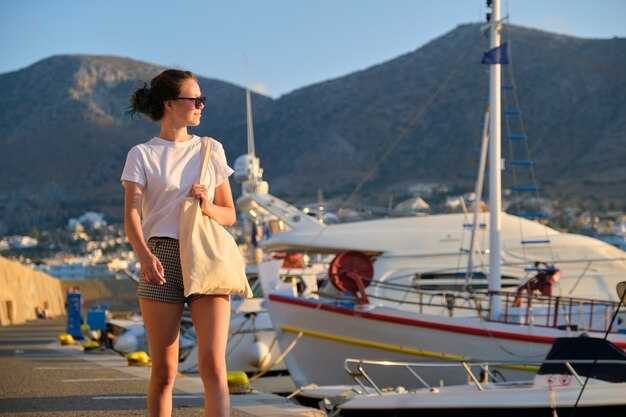
Begin Day 1 with a 38–40 NM hop from Portorosa to Castellammare del Golfo, targeting 6–7 hours of sailing at a steady pace. The refreshing breeze tends to rise mid-morning, letting you head in with daylight remaining. Overnight in Castellammare del Golfo harbor, where a wonderful evening stroll along the waterfront leads to peppers on a seafood-focused menu at a local star restaurant. This base leg is listed as the recommended start in the itinerary.
Day 2 takes you Castellammare del Golfo to Trapani–roughly 28–34 NM, about 4–6 hours depending on wind. Start after breakfast and weave along the coast, keeping a steady course to the west. Dock near Trapani’s old town to enjoy a beautiful sunset over the salt pans and the tuna market. Evening events or a casual aperitif in the marina are easy to arrange. Overnight in Trapani; use a central base to ease morning departure for Day 3.
Day 3 covers Trapani to Favignana–about 18–25 NM, 3–5 hours. Depart after a hearty breakfast and reach Favignana by midday. Spend the afternoon snorkelling at Cala Rossa or Cala Azzurra, then take a short hill hike to a vantage point above the town. The island’s form and coastline weave a brilliant backdrop for island wandering. Stay in Favignana’s marina; two nights here help you savor the next leg of the itinerary.
Day 4 ferries Favignana to Levanzo–8–12 NM, 2–4 hours. Morning breeze makes for an easy hop to Levanzo. Anchor near the village or in a sheltered cove, then spend the afternoon snorkelling in crystal-clear water and exploring hillside trails with a gentle hill climb for views over the channel. An evening on the quiet pier offers a refreshing contrast to busier ports, with peppers showing up in a simple, seafood-forward dinner by the water.
Day 5 routes Levanzo to Marsala–25–35 NM, 4–6 hours. Set a course along the western coast, arriving mid-afternoon. Base in Marsala to wander the historic center, visit a cantina to sample the local wine, and enjoy a sunset walk along the waterfront. The dining options include a star restaurant that highlights fresh seafood and local produce; a brilliant memory forms as you savor a glass of Marsala with the sea breeze. If time allows, a brief snorkelling session in the shallow bays completes the day; there are often events listed in the marina bulletins.
Optional detour for rinella: If you extend to the Aeolian Islands, stop at rinella on Salina for a sheltered night. The next morning, a short hop to Lipari yields a full island loop before returning toward Portorosa along the coast, weaving together a complete program with hikes and snorkelling opportunities. This extension adds a refreshing twist to the itinerary and can be planned for next time on the water.
Anchorage, Mooring, and Docking Options in Salina, Lipari, and Stromboli
Start with Rinella, Salina, for a dependable, consistent anchorage that keeps your crew calm before you sail to Lipari and Stromboli.
Salina offers two practical options: Rinella’s sheltered waters near the main harbor, ideal when winds shift from the north, and Pollara, a little bay with a stunning setting that works well in calm seas. If you need mooring buoys, check with the local fishermen’s association ahead of time, and always verify bottom quality and depth with the harbor master. You can enjoy a delicious lunch ashore at an agriturismo near the hill towns, then return to the boat with fresh provisions and a brilliant sunset to cap the day–everything feels easy when the wind cooperates.
In Lipari, choose Marina Corta for proximity to the old town, fuel and water, and easy access to provisioning. If you prefer more buoy space, Marina di Lipari (the larger harbor on the east side) offers longer berths and better protection from sirocco, though it can be busier. Both harbors handle bareboat charters well, and you’ll often find crews ashore sampling vibrant seafood dishes and Neapolitan-inspired pizzas after a day on the water. Make sure you’re listed with the harbor master to secure a slip or buoy, especially in peak season; otherwise you’ll be left circling with the plots of crowded yachts and advertisement boards overhead.
Stromboli presents a different rhythm: Porto di Stromboli handles limited berths, so many sailors alternate between the protected harbor and a land-based option in the little isla of Ginostra or Cala di Ficogrande. If you plan to anchor off Stromboli, prefer Cala di Stromboli or the area near Punta Lazzaro when winds are favorable, and land using a dinghy for landings. Because of the volcano, currents and sudden gusts can surprise you, so always check the latest notices and keep a spare anchor as a backup. Youre best off booking ahead during high season and coordinating with the local coast guard for safe entry paths and docking options near the volcanic coast.
Practical planning tips: during the pandemic era, some harbors require pre-arrival confirmations and health declarations; always call ahead to confirm mooring availability and any limits on guest numbers. For bareboat crews, carry updated charts, a robust anchor kit, and a reliable VHF channel to contact the harbor master. On all three islands, consider a staggered schedule to avoid peak times and enjoy consistent access to services, fresh seafood, and friendly help from Sonia and other local skippers who know the best anchorage angles, the little details of tides, and where to drop lines without disturbing nearby reefs.
Food and stay options enrich the cruise: on Salina, pick an agriturismo with garden-fresh produce and delicious regional dishes; on Lipari, sample fantastic local dishes–including Neapolitan-inspired touches–at waterfront eateries that love to showcase fresh fish. The largest harbors on Lipari make it easy to resupply and plot future legs, while Stromboli’s volcanic backdrop adds a brilliant, ever-present soundtrack to every sail. If you need a compact itinerary, you could sail Rinella → Lipari (Corta or Lipari) → Stromboli, then adjust for weather and currents. This route keeps the experience consistent and enjoyable, avoiding crowded spots and keeping you close to reliable services, whether you’re a seasoned bareboat captain or a first-timers’ crew looking to savor the islands’ iconic foods and volcanic scenery.
Waypoints and Scenic Highlights: Salina to Panarea and Stromboli
Anchor at Santa Maria, Salina, for a refreshing swim in clear acqua and a first briefing on the route ahead. Tie a short stern-to near Pollara’s shore and enjoy the fine light over the vented coast as Monte Fossa delle Felci rises inland. This Leg sets a desirable pace for a solo cruise or a relaxed family voyage today, with straightforward moorings and a solid plan.
- Salina (Santa Maria to Pollara) – a 5–7 nm hop. Stop for a solo swim in sheltered waters, then explore Pollara’s hidden crater bay. The coastline shows the deposito of ancient eruptions and a calm, easy approach into the lee. A brief walk to the lookout over the island’s Monte Fossa delle Felci adds culture and a clear perspective before you depart.
- Panarea (San Pietro, Cala Junco) – about 5–7 nm from Salina. Drop anchor off San Pietro or Cala Junco, where the water stays fine and the waterline reveals white (bianca) houses along a refined shore. Visit a small island museum if time allows, and check in with a local guide to learn their history and craft. The hidden coves near Cala Junco reward a dinghy excursion, and the long, smooth coast invites a relaxed stroll along the quay while you plan the next leg.
- Stromboli (Sciara del Fuoco view, Scari or Ginostra) – a longer leg, roughly 10–12 nm depending on wind. Approach Stromboli’s north coast to keep seas gentle, then anchor near Scari or Ginostra for shore access. In the late afternoon or after dark, the yellow glow from the crater offers a dramatic scene you won’t forget. Optional sunset walk to vantage points above Sciara del Fuoco provides a practical, unforgettable finale; later, a short tender ride back to the boat seals the experience. A quick visit to a small museum on the island deepens your understanding of local culture and volcanic activity.
Praktische tips: plan een grondige controle van het weer en de stroming vóór de lange overtocht naar Stromboli, en houd een aanbetaling achter voor ligplaatsen in Panarea als u van plan bent te overnachten. De eilanden liggen dicht bij elkaar, wat betere beschutting biedt als u zich richt op een langer, rustiger stuk water en de drukke haven bewaart voor de laatste dag. De route van vandaag biedt een evenwicht tussen helder water, culturele stops en de mogelijkheid om te zwemmen langs verborgen baaien, waardoor dit stuk een echt hoogtepunt is van uw Salina–Panarea–Stromboli-route.
Weervensters, stromingen en overwegingen voor een veilige zeegang
Plan je tochten van Portorosa naar het westen van Sicilië in mei of september om te profiteren van betrouwbare ochtenden, lichte tot matige westenwinden en gunstige zeecondities langs de kust. Deze periode is geschikt om Filicudi, Canna, Vulcano en de andere mooie plekken van de Italiaanse westkust in een ontspannen tempo te verkennen.
Weervensters
- Kernvensters: Mei-juni en september-oktober leveren winden van overwegend 8-18 knopen uit west tot noordwest en een zeeconditie van 0-1,5 m langs de kust op.
- Dagelijkse timing: start na zonsopgang; verwacht een middagzeewind die geleidelijk opbouwt tot 12–20 knopen, waardoor je trajecten kunt kiezen die meegaan met de wind tussen Portorosa en Favignana of Filicudi.
- Weersvoorspelling discipline: check ARPA Sicilia en de zeevoorspellingen op Windguru of Meteo.it voor de komende 48 uur; bel de havenautoriteit voor updates; Kate raadt aan om een kleine buffer in je schema te houden.
- Logistiek: coördineer bootboekingen vroegtijdig; verzeker ligplaatsen en aanbetalingen in havens van tevoren; plan een back-up plan voor een tussenstop aan wal als de omstandigheden veranderen.
Currents
- Egadi-archipel: bij kalm weer zijn de stromingen rond Favignana en Levanzo zwak (0,5-1,5 knopen); bij winderiger omstandigheden kunnen ze 2-3 knopen bereiken langs de noordkust, dus plan oversteken om optimaal te profiteren van de vloed bij oostelijke koers.
- Aeolische overtochten (Filicudi, Canna, Vulcano): stromingen zijn variabeler; typisch 1-2 knopen, met uitschieters tot 3-4 knopen wanneer de wind zich uitlijnt met de kanalen; plan overtochten tussen eilanden overdag en monitor lokale rapporten om veilig te blijven.
- Lokale draaikolken en afzettingen: let op kenmerken nabij zotta en andere landtongen; ze kunnen een etappe vertragen als je bochten afsnijdt en dicht bij de kust blijft.
- Tips: gebruik de stroming in je voordeel bij langere tochten, maar houd je aan beschutte routes als de wind richting de vulkanen of andere rotsachtige kustlijnen draait.
Veilige zeegangcondities
- Weerdrempels: openwater-trajecten beperken tot zeegang 0-3; vermijd het oversteken van open kanalen bij zeegang 4+ of wanneer windstoten hoger zijn dan 25 knopen; sirocco-dagen kunnen de zee langs de westkust en rond de vulkanen tot 2-3 m opstuwen.
- Materiaal en bemanning: zorg ervoor dat reddingsvesten worden gedragen tijdens het varen; maak dekuitrusting vast; voer een grondige briefing voor vertrek uit voor de flottielje; een therapeutisch ritueel van het controleren van de uitrusting helpt de bemanning kalm te blijven.
- Navigatieve voorzichtigheid geboden: geef de voorkeur aan overtochten overdag door blootgestelde kanalen; let op deining en stromingen; heb een noodplan om de dichtstbijzijnde haven aan te lopen als de omstandigheden verslechteren.
- Havenoperaties en kosten: controleer borgvereisten voor ligplaatsen, vooral in kleine havens zoals die in de buurt van Filicudi of Zotta; boek via Boatbookings om last-minute stress te vermijden; plan dagen aan wal om te ontspannen.
Tussen de westkust en de Eolische eilanden zorgt een gunstig tijdvenster ervoor dat het zeilen echt plezierig blijft, met verfrissende uitzichten en mogelijkheden om de kust te verkennen. De westkust van Italië biedt een reeks beschutte baaien en ankerplaatsen om van te genieten, van Cala del Porto tot de kusten nabij Zotta; deze route is ontworpen voor een ontspannen flottieljetempo, waarbij je kunt genieten van de bella scena van de eilanden en de bemanning betrokken houdt bij het verkennen en zeilen. Een grondige voorbereiding, een flexibel plan en een stevige aanvraag bij de haven vooraf maken de reis Bello.
Proviand, veiligheidsuitrusting en lokale regelgeving voor de route
Sla drie dagen aan proviand en goede voorraden in te Portorosa voor vertrek; een blije bemanning begint uitgerust en goed gevoed.
Proviandering: bouw een behendig plot voor een zomerroute in Sicilië, gericht op niet-bederfelijke waren plus verse accenten van markten in het noordoosten. Houd een grote koelbox gevuld met pasta, olijven, kaas, tomaten in blik, brood en fruit, plus ruimte voor een caponata of twee om van te genieten tijdens strandpauzes. Pak een compact kooktoestel of grill in, een voorraad wegwerpbestek en een paar blikken tonijn of sardines voor snelle maaltijden wanneer de zee onstuimig is. Neem een paar energiegevende snacks, een klein flesje olijfolie en een betrouwbare koffiezetapparaat mee om de stemming erin te houden tijdens lange tochten tussen havens. Mix voor lange tochten lichte, gemakkelijke opties door elkaar, zodat de maaltijden evenwichtig en smakelijk blijven, en plan een paar vleesloze avonden om de balans in het plot te bewaren.
Veiligheidsuitrusting: elke persoon aan boord draagt een PFD tijdens het varen; houd een reservejas klaar in de cockpit. Voorzie twee brandblussers die geschikt zijn voor elektrische en kombuisbranden, een drijfhulpmiddel om te gooien, een EHBO-kit en een goed gevulde messenset. Zorg voor een functionerende VHF-radio met DSC en een back-up handheld unit, plus actuele zeekaarten en een kompas. Neem vuurpijlen of pyrotechniek mee in een droge koffer en een EPIRB of PLB voor langere tochten langs de noordoostkust. Denk aan een bilgepomp, een handmatige handpomp en een paar stootwillen om boten te beschermen bij het afmeren. Neem voor snorkelsessies een masker, snorkel, vinnen en een reserve set mee voor de bemanning om ervoor te zorgen dat iedereen kan genieten van verborgen baaien en rifzakken in rustige zomerse omstandigheden.
Lokale voorschriften: geldige bootdocumenten, verzekering en eigendomsbewijs aan boord hebben; kopieën toegankelijk bewaren voor inspectie in de buurt van havens zoals Portorosa en Capo d’Orlando. De schipper dient in het bezit te zijn van een erkende kwalificatie voor kustzeilen; bij gebruik van VHF of DSC, de lokale licentievereisten of bedieningsvoorschriften naleven. Sommige beschermde zones vereisen vergunningen of speciale mededelingen alvorens te ankeren in de buurt van spiaggia of bij opmerkelijke faraglione-formaties; informeer bij de havenautoriteiten of havenpersoneel naar de actuele richtlijnen. Houd u aan de kustsnelheidslimieten, respecteer de fauna en flora en broedplaatsen, en vermijd ankeren in beschermde zeebodems. Marina kantoren in het noordoosten kunnen actuele adviezen geven over waar aan te meren, wat te observeren en eventuele seizoenssluitingen die van invloed zijn op uw reisroute.
Route-highlight: het noordoostelijke deel van Sicilië biedt schitterende kustlijnen, verborgen baaien en pareltjes zoals dramatische rotsformaties en nabijgelegen stranden. In de zomer onthult het eerste licht boven het blauwe water uitzichten op faraglioni-rotsen en rustige baaien waar een snorkelmoment het hoogtepunt van uw dag kan worden. Plan stops waar u lokale vissers aan het werk kunt zien, caponata kunt proeven in een taverne met uitzicht op zee en zorg dat de bemanning aan boord een gestaag tempo aanhoudt dat zowel het weer als de lokale regels respecteert. Het aanschouwen van deze taferelen vanaf een goed uitgeruste boot, met de juiste uitrusting en de juiste vergunningen, garandeert een veilige, plezierige reis voor de hele bemanning van de boten, bijeengehouden door een gedeelde liefde voor de zee.