


 Nederlands
  English (UK)
  Русский
  العربية
  日本語
日本語  한국어
한국어  Magyar
  Türkçe
  Español
  Čeština
  Svenska
  Português
  Ελληνικά
  Suomi
Suomi  Română
  Italiano
  Français
  Polski
  Українська
  Deutsch
  简体中文
简体中文  Slovenčina
 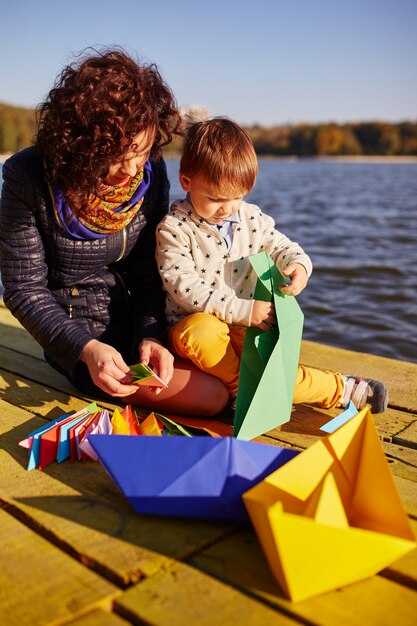 Planning Your First Big Sailing Trip with Kids – A Practical Guide">

Begin met een concreet plan: kies een test-etappe van 2 tot 4 dagen in beschut water, idealiter rond een eiland. Kies een betrouwbare zeilboot met een comfortabele kajuit, en stippel een dagelijks ritme uit dat een korte pauze voor snacks en rust omvat, en een reservebuffer voor het weer.
Maak een gedeelde takenlijst aan: taken zoals veiligheidscontroles, proviandering, routeplanning, wachtdiensten en weermonitoring. Voor mezelf houd ik een geprinte checklist bij en een digitale kopie die we samen kunnen bewerken, en wijs ik een ander familielid een roulerende rol toe om bij te dragen, zodat het werk verdeeld is.
Veiligheid eerst: kinderen vastgemaakt in PFD's van de juiste maat, met vanglijnen wanneer ze zich boven het dek bevinden, en duidelijke regels over waar te staan op een zeilboot. Oefen kalm te blijven tijdens manoeuvres en vermijd riskante acties; betrek iedereen bij veiligheidsoefeningen om de sfeer rustig en gefocust te houden, zodat degenen aan dek zich zelfverzekerd voelen.
Logistiek en uitrusting: pak licht, gebruik compacte keukenbenodigdheden en plan maaltijden die makkelijk te bereiden zijn op een klein kooktoestel. Houd de tussenstops op de eilanden kort, zodat het reizen behapbaar aanvoelt voor degenen die nog niet zeker zijn van hun zaak op het water.
Mentaliteit en ervaring: denk na over hoe je zult beslissen wanneer je een etappe inkort en zorg ervoor dat de betrokkenen aan boord blijven. Leg uit tijdens het zeilen voortdurend de weersomstandigheden en noteer wat goed werkt voor degenen aan boord, zodat je de benodigdheden niet vergeet de volgende keer dat je een planning maakt.
Volgende stappen: plan een vervolgproef met nog een traject van 2 dagen, waarbij je de afstand geleidelijk vergroot naarmate de ervaring toeneemt. Documenteer de bijdrage van elk kind, pas de werkverdeling aan en blijf het zelfvertrouwen opbouwen bij elke pauze en elk anker.
Praktische planning voor een zeilavontuur met het gezin en kinderen
Aanbeveling: Pak een compacte veiligheidsset in en test reddingsvesten aan boord voor vertrek, en leg dan een korte eerste etappe af om vertrouwen op te bouwen en iedereen gefocust te houden op de horizon.
Reden: Een realistisch plan met kindvriendelijke mijlpalen vermindert stress, houdt de zeiluren beheersbaar en creëert meer tijd voor verkenning aan land. Plan zeiltochten van twee tot vier uur per dag in, met af en toe een bezoek aan land om energie en nieuwsgierigheid te herstellen.
Betrek vervolgens iedereen bij de planning. Geef kinderen elke dag een kleine taak, zoals het controleren van de windrichting, het uitzetten van een eenvoudige route op een kaart, of het noteren van boeimarkeringen. Dit houdt ze betrokken, verbetert het waarnemen van de kust en de lucht, en helpt ze de reis zich eigen te maken zonder angst.
Ga vooruit, meet de overtochten af en kies beschutte baaien of beschermde kanalen op kalmere dagen. Vermijd lange overtochten totdat het vertrouwen groeit en de tolerantie voor zeeziekte toeneemt, en streef naar landingen bij daglicht, zodat de ouders het volgende waypoint in de gaten kunnen houden en iedereen kalm blijft aan dek.
Verschillende behoeften vereisen flexibele planning. Voor kruipende peuters en energieke kinderen, bouw speelmomenten aan dek in de routine in, stem dutjes af op rustigere zeeën, pak korte, voedzame maaltijden in en houd snacks binnen handbereik. Door te plannen rond tijd en eetlust, heb je meer controle en blijft iedereen vrolijker tijdens urenlang zeilen.
Boek slimme keuzes: reserveer jachthavenplekken of stops langs de kust vooraf, vooral in het hoogseizoen; bevestig kindvriendelijke faciliteiten en veilige ankerplaatsen. Neem meerdere reddingsvesten in de juiste maten mee en controleer de pasvorm nogmaals met een snelle test aan dek. Controleer voor vertrek de weervensters en pas het plan aan als de voorspellingen veranderen, want voorbereiding nu maakt de reis later soepeler.
| Item | Why it matters | Te ondernemen actie |
|---|---|---|
| Veiligheidskit + reddingsvesten | Beschermt iedereen en maakt snelle reactie mogelijk | Maten controleren, pasvorm testen, bij de hand houden |
| Tweedaags zeilplan | Realistische pacing voor kinderen en verminderde vermoeidheid | Maak de poten kort, zorg voor tussenstops op het land. |
| Kinderklussen | Verhoogt de betrokkenheid en het zicht op de horizon | Wijs windcontroles, kaarten en logboeken toe. |
| Havenboekingen | Voorkomt last-minute stress in drukke havens | Reserveer vooraf; controleer of er kindvriendelijke faciliteiten zijn |
Inpakbenodigdheden voor kinderen: Wat mee te nemen per leeftijd en reisperiode
Wijs een toe kwartiermeester zodat elk kind een gelabelde tas met essentiële spullen kan beheren. Pak een weerbestendige suit (gelaagdheid), een zonnehoed, een compacte regenjas en een extra set kleding per kind; label de spullen en houd een snelle-verschoonkit in de buurt van de bemanningsruimte, zodat je klaar bent om je aan te passen tijdens een kustreis.
0-3 jaar – Voor vertrek: Pak 2-3 dagen aan outfits in, een slaapzak, luiers of luierbroekjes, doekjes, zalf tegen huiduitslag en een kleine tas met toiletartikelen. Voeg een vertrouwde deken of knuffel toe om ze te helpen onderweg te slapen; voeg fruit toe voor snelle energie en een compact nachtlampje. Bewaar een setje kleding in een gemakkelijk toegankelijke zak en een kleine kaart met noodnummers voor ouders en de crew.
0–3 jaar – Tijdens de reis: Gebruik een gelabelde zak voor luiers, doekjes, een reserve-outfit, fopspeen of bijtring, een klein speeltje en een waterfles. Bewaar een kalme houding terwijl de boot schommelt, terwijl jij en de bemanning schema's aanpassen. Denk eraan essentiële items binnen handbereik te houden; je kunt niet op één enkele tas vertrouwen voor alles.
4–7 jaar – Voor vertrek: Creëer een korte avonturenkit: een kleine rugzak voor avontuurlijke activiteiten, een compacte zaklamp, een notitieboekje, een waterfles, zonnebrandcrème en een hoed. Voeg kleding voor 2-3 dagen toe, extra sokken en een paar stuks fruit of snacks. Gebruik duurzame, machinewasbare stoffen; betrek het kind bij het kiezen van items zodat de ouders en het kind de verantwoordelijkheid delen. Een korte checklist helpt om spullen snel te vinden en vermindert rommel.
4–7 jaar – Tijdens de reis: Houd een simpele routine aan; stop schone kleren in de cabinezak en een klein activiteitenpakket – kleurspullen, stickers of een kaart. Een hoofdlamp die aan hun shirt is geklikt helpt bij het bewegen 's nachts aan dek; bewaar opties voor stille tijd om overstimulatie te voorkomen. Als er een ander gezin in de buurt is, kun je ideeën uitwisselen voor maaltijden en snacks; dit houdt je bemanning tevreden en in beweging gedurende de dag.
8–12 jaar – Voor vertrek: Stimuleer zelfstandigheid: pak verantwoordelijkheid in met een persoonlijke verzorgingskit, een mini-EHBO-kit (pleisters, antiseptische doekjes) en een klein regelskaartje. Voeg een leesboek, etui, gezonde snacks en een selectie fruit toe. Laat oudere kinderen zelf spullen kiezen voor hun eigen tas om eigenaarschap te versterken; dit helpt ervoor te zorgen dat ze snel vinden wat ze nodig hebben.
8–12 jaar – Tijdens de reis: Zorg voor een kindvriendelijke checklist en een klein tasje voor dagelijkse benodigdheden; een hoofdlamp of compacte zaklamp, fruit snacks, een reisdagboek en een camera (indien toegestaan). Houd toiletartikelen reisformaat en leer ze om te gaan met afval en de was; herinner ze eraan om hun stem te laten zakken op het dek zodat je andere gasten of de bemanning niet stoort.
13+ jaar – Voor vertrek: Encourage older kids and adventurous teens to pack their own kit, including a lightweight device, charger, headphones, and a privacy bag. They should carry a personal water bottle, sunscreen, and a compact sleeping kit; use a simple laundry rule to wash items on board; label cargo clearly and keep a spare set in a shared bag. Youre ready to handle the next phase with confidence and live stories from the voyage as memories.
13+ years – During voyage: Set expectations: teens can manage checklists, locate items quickly, and contribute to the maintenance. If they need to sleep in a different space, a small headlamp helps orientation. Keep a calm dialogue with the crew, and use the chance to understand their comfort and privacy needs; finding solutions strengthens confidence on the journey.
Charter Prep: Clothing, Footwear, and Layering for Sea Conditions
Start with a three-layer system: a base layer to stay dry, a mid-layer for warmth, and a waterproof outer shell to protect against spray. Pack a compact spare rope in a dry bag at the cockpit locker so hands stay free when you move between lines and rails. This setup helps the whole group stay comfortable from dawn to dusk.
Base layers should be moisture-wicking and quick-drying. Choose merino wool or high-quality synthetics rather than cotton. For summer days, aim for 150–180 g/m2; in cooler stretches, 200–260 g/m2 provides reliable warmth while drying quickly after rinses or spray. If you began the day with sun, a lightweight long-sleeve option can protect arms without overheating.
Mid-layers offer adaptable warmth. A 200–300 g fleece or a light synthetic puff balances loft and breathability, so you can easily adjust as breeze shifts. Simply zip in and out without fuss, and keep a couple of solid options so both adults and kids stay comfortable as the forecast changes. A sublayer that moves with you saves effort on deck when trimming sails or tying moorings.
Outer shells should be waterproof and breathable with sealed seams. Look for 10,000–20,000 mm hydrostatic head and a MVTR of 10,000–15,000 g/m2/24h for dependable rain and spray protection without overheating. Choose jackets with adjustable hoods, cuffs, and a vented back panel for airflow. An attractive, well-fitted shell makes a big difference in staying active and dry while you anchor, reef, or maneuver around tight spaces with rope arcs and halyards.
Footwear matters as much as any layer. Pick deck shoes or sandals with non-marking, grippy soles and closed toes for safety. In rough seas, a short pair of waterproof boots adds traction and keeps feet warm. For hot summer days, breathable water shoes can work, as long as they stay securely on during heel-toe movements on a pitching deck. Stock two pairs per person: one dry pair and one wet pair, and add moisture-wicking socks (synthetic or merino) to prevent blisters and keep feet comfortable on long passages. Brand options like mahina or arcona offer reliable grip and fit for sailors who value performance on deck.
Accessories round out the system. A sun-safe hat and sunglasses stay in place on a windy day, while thin, windproof gloves help when handling lines or fenders. If you’re chartering a small crew and plan to sail in cooler mornings, include a lightweight beanie that fits under a hood. For the boat’s setup, keep a few spare caps or bands labeled with clear colors, so kids can identify their gear quickly and stay engaged with the voyage–seeing everyone move confidently with their own kit boosts morale.
For kids and the group dynamic, plan ahead to reduce stress. Assign a color-coded set of layers for each person, and keep a couple of extra outfits in a dry bag near the helm. Names on bags, like agnes and adamastor, help little sailors stay with their gear. When a crew member feels happy and prepared, they contribute more to the day’s tasks and decisions. A steady, thoughtful approach makes the optimist-fleet feel safer, and both adults and children reach the end of the day with clear, comfortable outfitting that supports movement and alertness.
Finally, rehearse the routine before departure. Check the forecast, decide who wears what, and practice quick changes in the cockpit or salon so you don’t waste travel time. Remember to store a light, packable layer for summer heat and a warmer option for chilly breeze. If crews switch boats–say between agnes, lara, or arcona models–the same layering principle holds, keeping everyone happy and ready for the next sail.
Deck Safety and Supervision: Life Jackets, Harnesses, and Daily Safety Routines
Recommendation: Always have everyone aboard wear a properly fitted life jacket when the boat is moving, and attach a harness to a jackline whenever you are near the rails. This real, practical habit reduces the risk of a fall and enables a quick response if something goes wrong.
As asked by many families, this plan writes clear steps for fit and use. Choose Coast Guard–approved PFDs sized to weight and chest measurement; the straps should be snug and adjustable, with a crotch strap for babies and toddlers to prevent ride-up. Test each jacket in shallow water before you depart, and ensure it stays in place when the wearer moves. On longer passages, Type II or III on deck provide buoyancy and mobility, while Type I is preferred for offshore passages if conditions worsen. Keep spare PFDs on hand for guests and new crew.
Harness use: Attach kids to a jackline when moving aboard; clips should be secured to rated points. Inspect straps and buckles weekly and replace frayed parts immediately. Leave gear stowed when not in use and keep the left side of the deck clear of lines and toys to prevent trips. Baby-proof locks on cabinets and hatch covers help keep little hands safe, and harnesses should be checked for proper fit every morning.
Daily safety routines: Start each day with a quick safety check – verify PFDs, harnesses, and jacklines are in good condition, and confirm hatches are secure. Create a buddy system so no one sails alone; rotate supervising duties every hour to stay alert. Minimize advertisement distractions on deck to keep focus on safety; involve kids in simple tasks like tying knots or checking straps to spark curiosity. Tips: keep a small spare kit of PFD parts, and practice a two-minute man overboard drill so responses stay fast. This approach has great benefits, especially for families who go longer distances along the coast, and it literally keeps everyone focused on safety; everyones aboard will sleep better with consistent routines.
In december, daylight wanes and weather can shift quickly. Plan shorter passages, frequent stops, and more supervision during late afternoons. The strategy yields real benefits: faster reactions, calmer crews, and longer, happier days aboard. Keep the habit along and you will see better outcomes for all aboard.
Entertainment at Sea: Structured Activities to Engage Toddlers and Preschoolers
Set a four-block daily plan to keep looking ahead and maintain energy. Each block lasts 12-15 minutes with 2 minutes for transitions. Start with a brief welcome chat before the first block to set tone, then move smoothly between activities to support focus and fun.
Jessica began with this approach and quickly saw that kids love predictable timing, simple choices, and the chance to contribute ideas. Keep lifejackets strapped and ready for any deck activity, and position the activity area near the head or stern so supervising adults can see everyone clearly.
-
Block 1 – Story time with books: choose 2 short sea-themed picture books and read aloud for 6-8 minutes. Prompt questions like “What color is the boat?” and “Where is the wave going?” to boost talking and listening. Sit together on a small mat in a safe area, with lifejackets nearby for quick access if needed.
-
Block 2 – Craft and ship shapes: use laminated sheets and waterproof markers or magnetic shapes to build a tiny boat collage. Include 4 shapes (circle, square, triangle, rectangle) and let kids decide layout. This group activity fosters collaboration and helps everyone feel involved.
-
Block 3 – On-deck movement games: a quick “steer the boat” relay where little ones walk from bow to stern and back, following simple commands. Keep transitions fast, use a light rope as guide, and remind kids to keep feet on the deck and hands off rails unless supervised.
-
Block 4 – Quiet reading or puzzle corner: finish with a calm moment–puzzle mats, soft books, or a small sea-themed puzzle. If a child began to lose focus, switch to a shorter option and invite a parent to read aloud a favorite page.
Tips to keep everyone engaged: use a simple cue signal for transitions, like a whistle or clap, and offer a quick choice: “Would you like story time or a craft next?” Build in a moment for talk about what they loved and what they want to try tomorrow, so everyones voice is heard and valued.
- Safety first: lifejackets on during any movement area, fastenings checked, straps snug, and supervision close at head and stern zones.
- Planning: arrive with a small kit that includes books, laminated craft sheets, markers, magnets, and a few simple props, then rotate items to keep interest high.
- Involvement: invite kids to pick the next block’s theme and let them talk about boats, waves, or colors; encourage them to contribute ideas and lead brief routines.
- Resources: check websites for fresh, age-appropriate activities and adapt ideas to your boat’s space and weather constraints.
- Logistics: position the area away from crowded rails, keep the four blocks in mind, and begin with a quick safety check each day before arriving on deck.
To keep the plan moving, set a first block objective, monitor quickness of transitions, and adjust the pace based on mood. The approach helps everyone feel included, builds confidence for little ones, and turns entertainment into a shared family routine during the voyage.
Simple Cruising Strategies: Short Hops, Clear Routines, and Shore Time
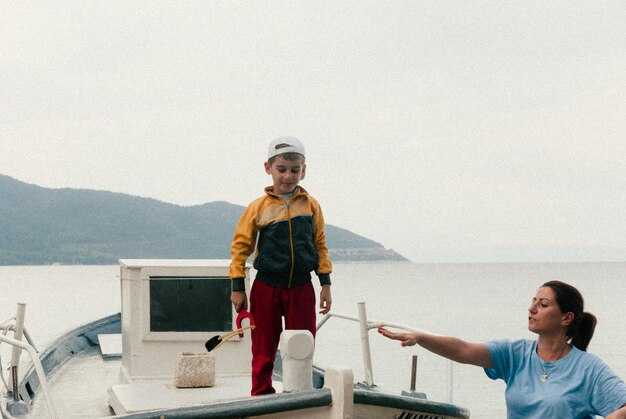
Plan short hops of 2–4 hours between sheltered anchorages, aiming to reach a marina or calm place before lunch. Choose days with steady wind around 8–12 knots and small waves, and stay off fast routes whenever possible. If a crossing looks rough, shorten the leg and reposition toward a nearby cove while you regroup.
Create a simple, repeatable routine you can follow every day: pre-check weather and tide, secure the lifejacket for kids, check the line and winch, include a quick snack, and assign a small task to each traveller. Use this structure whilst underway to reduce surprises and to let the kids feel secure.
Build shore time into each leg: plan 1–2 hours on land for a walk, a playground visit, or a quick shore-cleanup. This helps childrens needs by giving them space to move, observe kinds of sea life, and simply be in a different place.
Gear check: ensure lifejacket fits everyone, keep a spare on deck, and attach a durable line for docking. If you bought a mahina lifejacket or other gear, verify fit before departure and test it in the marina’s calm water.
Travelling with kids means packing compact activities: a few small books, chalk, cards, and a nature guide. Bring books for calm moments and the occasional fish-spotting page. On calm days you can literally sit with the kids watching waves and the ocean, sometimes spotting dolphins at a distance.
On marina days, plan for hydrated water, snacks, and a shaded rest area. Use a simple checklist to confirm water, electricity, and waste stations are available. Keep a light bag with essentials to avoid overpacking. This plan meant to reduce stress by keeping kids engaged.
This approach will make travelling with kids smoother and lets you become more confident at sea. Keep notes in a small log and gradually adjust hops as the crew grows. This plan will allow you to adjust hops as needed.