


 Nederlands
  English (UK)
  Русский
  العربية
  日本語
日本語  한국어
한국어  Magyar
  Türkçe
  Español
  Čeština
  Svenska
  Português
  Ελληνικά
  Suomi
Suomi  Română
  Italiano
  Français
  Polski
  Українська
  Deutsch
  简体中文
简体中文  Slovenčina
  One Week Sailing the Aeolian Islands – Lipari, Vulcano &">

Begin je week door bij zonsopgang het anker te laten zakken in de beschutte haven van Lipari, een vaste koers uit te zetten richting Vulcano en te beginnen met een kalme ochtend op het water.
In Lipari klimt het dorp van de haven omhoog naar smalle straatjes, waar witgekalkte architectuur zeegezichten omlijst en boeien veilige aanlegplaatsen langs de kade markeren.
Vanuit Lipari zeil je tegen de late ochtend naar Vulcano, meegevoerd door een caldera-bries; in de namiddag kun je voor anker gaan bij Cala Vulcanello, naar de krater lopen en een duik nemen in de mineraalbaden voordat je terugkeert naar je boot.
heres een compacte set tips: check dagelijks de weersvoorspellingen, neem een extra anker mee, noteer de zeven boeien rond de vulkanische kust en bevestig de posities van de Bottaro-rots bij de havenmeester voordat je vertrekt.
De avonden brengen rust nu het dorpsplein gloeit; norman bogen omlijsten de havenkerk, terwijl Bottaro's café citrus spritz schenkt en zeelieden ervaringen uitwisselen; bottaro duikt op in het geklets van de lokale bevolking als een favoriete avondstop, en u moet plannen voor rustige nachtelijke ligplaatsen en veilige vertrekken.
Het filmachtige licht boven land en zee geeft elke gezeilde etappe een beslissend gevoel; zijn niet alle dagen even kalm, en toch verzamel je, terwijl je de archipel rondvaart, zeven hoofdstukken van de kust van Sicilië.
Met flexibele planning pas je routes aan op wind, getij en schaduw; de Eolische eilanden van Sicilië belonen oplettende kapiteins met rustige baaien, helder water en verse vis bij elke stop, een combinatie die zich absoluut terugbetaalt.
Zeilplan Eolische Eilanden
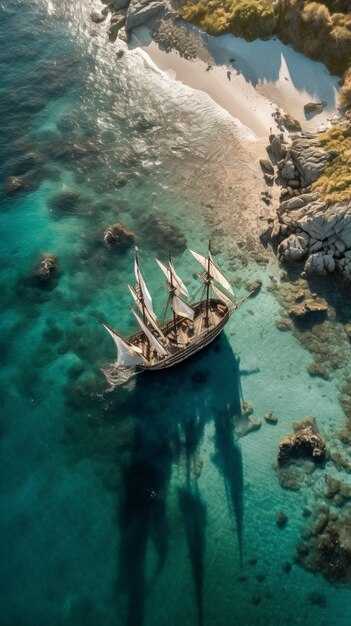
Zorg voor veilige ligplaatsen in Lipari voor de eerste nacht en plan een lus met de klok mee via Vulcano, Panarea, Stromboli, Salina, Filicudi en Alicudi voordat je terugkeert. Dit plan is gebaseerd op een zevendaagse route, met 4-6 uur zeilen per dag plus tijd voor het verkennen van havens, zwemmen en maaltijden. Afmeren fees variëren per haven en seizoen, doorgaans 30–60 EUR per nacht; contant geld meenemen voor de kade hours en officiële controles. Gebruik achterlijntrossen om de boot vast te leggen, en genoeg water in te pakken voor dagenlang varen. Je bent klaar om te genieten van een prachtig stuk langs sicily‘de noordkust.
Dag 1 – Lipari: Based in Lipari, zoek een veilige ligplaats in beschutte havens in de buurt van Marina Corta of Porto Pignataro en zet achterlijntrossen voor een stabiele nacht. Bevoorrading aan land is eenvoudig, en een restaurant is gemakkelijk te bereiken. Een korte wandeling naar de zimmari-streek biedt een rustig voorproefje van het eilandleven, gevolgd door een zonsondergang vanaf het terras.
Dag 2 – Vulcano: Zeil naar Vulcano, beroemd om volcanic landschap en zwarte zandstranden. Begin met een ochtend krater wandel voor koelere lucht, en zwem daarna in warme bronnen voordat je terugkeert naar je ligplaats. Bezoek 's middags een haven restaurant voor de lunch en controleer de hours van het vulkanische park, zodat je een zeiltocht bij zonsondergang terug naar kalm water kunt plannen.
Dag 3 – Panarea: Korte oversteek naar Panarea; aanleggen in de haven van San Pietro is eenvoudig en achterlijntrossen veilige. De witte straatjes en intieme winkels van Panarea bieden een wonderful in tegenstelling tot Vulcano. Als de wind gunstig is, anker dan in de buurt van de zimmari en geniet van een avond aan land met een lichte maaltijd in een restaurant.
Dag 4 – Stromboli: Het vulkanische eiland domineert de horizon. Ligplaatsen in de binnenhaven beschermen je tegen windstoten; neem deel aan een begeleide kraterwandeling in de late namiddag om de gloed tegen de nachtelijke hemel te zien. Dineer na terugkomst in een restaurant in de haven. restaurant. Monitor fees en laatste inschrijvingstermijnen om vertragingen te voorkomen.
Dag 5 – Filicudi of Alicudi: Afhankelijk van de wind, vaar naar Filicudi voor zeegrotten en helder water, of naar Alicudi voor een rustigere, meer traditionele sfeer. De haven van Filicudi biedt betrouwbare ligplaatsen en wandeltoegang tot een paar eetgelegenheden; fees in dezelfde bereik vallen. De kust nodigt uit verkennen per sloep en een zonsondergang boven het water.
Dag 6–7 – Terugreis richting Lipari: Stop bij de Morto-zandbank als de omstandigheden een rustige zwemtocht toelaten en om de week af te sluiten met een laatste blik op de sicily kustlijn. Keer terug naar Lipari met een vol kombuis en herinneringen aan een prachtige week reizen door de Eolische eilanden.
Dagelijks reisschema: Lipari, Vulcano, Panarea
Anker in Lipari's Marina Corta voor een betrouwbare basis, slenter dan omhoog naar het Castello en het Eolisch Museum om je te oriënteren. We hebben geleerd dat een compacte dorpslus – steegjes, kade, belvedère – vol aanvoelt zonder te haasten. 's Avonds bezorgt de postbode nog steeds briefjes bij de haven terwijl je verse pesce eet in een taverna aan de kade.
Vanuit Lipari, vaar naar Vulcano en meer af nabij Porto Levante voor snelle toegang tot de krater La Fossa. Maak de behoorlijke wandeling de kraterrand op voor weidse uitzichten en milde zwaveldampen; plan 60–90 minuten per enkele reis. Week daarna in de warmwaterbronnen bij Vasche di Venere en spoel af in de zee om af te koelen. Het onderwaterzicht langs de kust van Vulcano is meestal helder genoeg voor een korte snorkeltocht in de buurt van door lava gevormde riffen, met kleine vissen rondom de rustigere plekken.
Vervolgens wacht Panarea: anker voor San Pietro en begin met het verkennen van het kleine havenstadje van Panarea. Voor een compact avontuur huur je een kleine boot om de nabijgelegen eilandjes Basiluzzo, Dattilo en Spinazzola te bekijken, en vaar je vervolgens naar Cala Junco voor een korte wandeling langs de ruige kust. Panarea biedt drie baaien en een ontspannen tempo waar toeristen de voorkeur aan geven, met witgekalkte straatjes en een paar bakkerijen waardoor de stop authentiek aanvoelde.
Dag vier stuurt je richting méér Panarea: snorkel rond Cala Junco en de Diomedee-eilandjes, en klim vervolgens naar Punta del Corvo voor een adembenemend uitzicht op de kust vanaf een klif. De Eolische eilanden noemen de nabijgelegen eilandjes de Diomedee, en je kunt ook een tweede charter regelen om Basiluzzo en Dattilo te bezoeken als de wind het toelaat, waardoor drie kanten van de kustlijn van Panarea zichtbaar worden.
Keer voor dag vijf terug naar Lipari met een basis in de noordelijke haven. Kies een kustwandeling richting Quattro Strade, waarbij je landinwaarts trekt over een pad dat licht klimt en aan de andere kant terugkeert met uitzicht op zee. De route benadrukt Lipari's aardkleurige lavasteen, struikgewas en kleine baaien waar je even kunt stoppen om te zwemmen. Voor een toeristisch evenwicht kun je de wandeling ook combineren met een lunch in een café aan de haven en een wandeling door de oude stad.
Dag zes staat in het teken van de onderwaterwereld en een ontspannen nautisch tempo. We hebben een ochtendsnorkeltocht gepland langs de beschutte baaien van Lipari, gevolgd door een tocht naar een nabijgelegen aanlegplaats voor de lunch aan dek. Het netwerk van aanlegplaatsen maakt het inchecken eenvoudig, en de kalme zee stelt u in staat om uw volledige aandacht te richten op de zeebodem – kleurrijke vissen, zee-egels en door lava gevormde spleten. Neem ook een lichte camera mee om de zon op het water en de silhouetten van het eiland vast te leggen.
Sluit dag zeven af met een bezoek aan het museum van Lipari en een laatste wandeling langs de kust voordat je terugvaart. De kleuren van de aarde, van basalt tot witte puimsteen, voelen weer levendig aan terwijl je langs de haven door lava gevormde rotsen bekijkt. We hebben genoten van zeven dagen ontdekken, wind en zout, en de route kan gemakkelijk veranderen in een memorabele afsluiter voor de laatste nacht op het water.
Havenopties en aanlegprocedures in Lipari en Panarea
Boek een ligplaats in Marina di Lipari voor een volledig scala aan diensten, inclusief water, elektriciteit en faciliteiten aan de wal; voor lagere kosten en meer flexibiliteit kunt u gebruikmaken van boeien in de buitenhavens wanneer de wind gunstig is voor de open wateren.
- Lipari – Marina di Lipari: modern, bemand en dicht bij de stad. Het biedt water, stroom, een brandstofsteiger, douches en noodhulp. De havens hier behandelen zowel vaste ligplaatsen als passantenhaven; een paar ligplaatsen blijven open tijdens de tussenseizoenen, waardoor het een populaire keuze is voor cruisers die betrouwbaarheid en snelle toegang tot de kust nodig hebben.
- Lipari – Porto di Lipari (buitenste/oude havengebied): gastenpontonnen en boeienvelden zijn er voor wie een goedkopere optie zoekt of een snelle stop wil maken. Gebruik een voorlijn naar een boei en een achterlijn naar een stevige ring; breng altijd stootwillen aan en houd uw bemanning paraat voor snelle aanpassingen als de deining toeneemt.
- Panarea – Porto di Panarea en het nabijgelegen boeienveld: een compacte haven met beperkte diensten en duidelijke toegang tot de faciliteiten aan land in het dorp. Meerboeien zijn hier gebruikelijk; plan een kort verblijf als de kade druk is, en wees voorbereid op eenvoudige toilet- en zoetwatervoorzieningen aan land.
Procedures and practices to follow on both islands ensure smooth mooring and quick departures, especially during the peak season when seven-day charters rotate through harbours and bays.
- Prepare in advance: confirm vessel length, draft, and clearance. Check the seven-day forecast and observe crystal waters around the coast for smooth entries; the shore and vegetation along the island are particularly scenic in the afternoon light.
- Contact the Harbour Master on VHF channel 16 to request entry, confirm available buoy space or a slip, and obtain any local instructions. Those who appear at the quay with proper paperwork are released to a mooring promptly.
- Choose your mooring type: buoy or quay. Buoys typically offer lower fees and easier departures; quay berths provide direct shore access, but require precise line handling and longer preparations.
- Approach carefully: follow channel markers, keep a safe speed, and stay clear of fishing operations. Position the bow toward the buoy or dock as directed by shore staff; avoid repeating sharp turns that could damage hulls or fenders.
- Secure correctly: attach a bow line to a cleat or bollard, add a stern line to a secure point, and deploy two spring lines if space allows. Use durable lines and ample fenders; if surge increases, adjust tension steadily rather than jerk the lines.
- Pay and obtain receipts: finalize mooring fees at the marina office or through the harbor authority; keep the receipt until departure and note the required cancellation window for a later stop.
- Waste and discharge rules: use designated waste disposal points and never discharge bilge water or residues into the waters that surround the islands; crystal water conceals how close the coast is to magma below and highlights the volcanic scenery around volcanoes and stromboli in the distance.
- Departure plan: signal your release to the Harbour Master when ready; untie lines carefully, pull in fenders, and proceed outward with a short, controlled turn to avoid other vessels or moorings. Never leave a mooring unattached without proper authorization.
For a side trip, stromboli is a popular add-on; plan the excursion for the afternoon when the volcanoes appear dramatic against the sky and the waters become even more stunning. Lipari remains the largest hub and provides the most options, while Panarea offers a tiny, charming harbour with a dramatic backdrop–both harbours deliver beautiful access to the island’s coast, its crystal waters, and the unique atmosphere of this volcanic group.
Weather windows and wind patterns for inter-island hops
Target a dawn departure from Lipari to panarea to reach the next destinations within a light breeze and calm seas. This time window supports 8–15 knots, keeps seas beautiful, and the panoramic light as the sun rises over the volcanoes guides your first hops.
In the aeolian archipelago, wind patterns follow a diurnal rhythm: mornings bring light easterlies or northerlies, giving way to sea breezes by afternoon. If a forecast shows 12–18 knots in the morning, you can cruise Lipari → panarea comfortably; plan shorter legs to sheltered bays tucked along the coast when winds shift. If you sailed these waters before, you know how the wind can shift with the day. Watch for sirocco gusts from the south on hot days, which can bubble up quickly and slow you down. For reliable connections between destinations, keep the time of day in mind and use the quiet morning window to start a leg to Vulcano or Stromboli.
Seasonal guidance: The best season for inter-island hops is late spring through early autumn when the seas stay responsive and the air is clear to explore and film. From the birth of Aeolian navigation, these routes shaped coastal life; today you can visit panarea, Lipari, Vulcano, Stromboli, Filicudi, and Alicudi with a flexible plan. For planning, most legs run 1.5–3 hours Lipari → panarea, 2–5 hours panarea → Stromboli or Vulcano, and 1–2 hours for short hops around Lipari. If you prefer exploring the entire arc, set aside 5–7 days and allocate time to stop in sheltered coves, sample foods, and enjoy the viewpoints. The entire route rewards cruising with a mix of wind and sunshine, revealing a beautiful, panoramic coastline seen best at sunrise, when the sea remains calm and the bubbling vents around Vulcano provide a visual treat for your film crew or your own memories.
Practical takeaways: We suggest starting with Lipari → panarea to lock in the simplest window. Take the most stable window and avoid racing into a shift; have 2–3 alternate legs ready, so you can reach all your destinations even if a front arrives. From Lipari you can loop through panarea, Vulcano, Stromboli, Filicudi, and Alicudi, and still return to Lipari if weather holds. Your plan should reserve time for exploring anchorages tucked along coves, tasting foods in harbor tavernas, and recording your trip for a season film collection. If you lose a day, use it to linger in a beautiful bay and watch the volcanic activity, and adjust your itinerary accordingly. The aeolian winds rise and fall with the seasons, so staying flexible is the best strategy for cruising the entire week along the coast.
Anchoring spots, depth notes, and approach tips around Vulcano
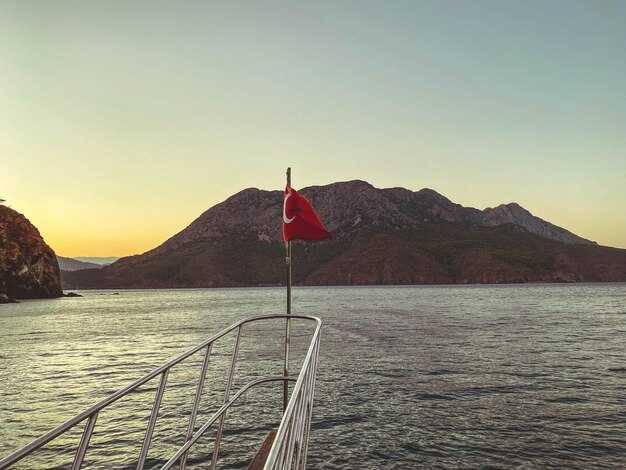
Anchor just outside the Vulcano Porto moorings in 7–9 m, sandy bottom with patches of ash. Use 30–40 m of chain and a stern line to shore if winds push from NW; this keeps you clear of the ferry lane and makes the early evening more relaxing.
Spot A – West of the volcanic village: depth 8–12 m, bottom sand with lava gravel. Holding is solid in winds from the NE to SE; if gusts reach 20–25 knots, add a second anchor 40–50 m away to keep the swing within a sheltered arc. Approach from 045°, stay clear of the rock stacks, and keep at least 60 m from the shore where the streets and bars begin. From here you enjoy incredible sunsets and can stroll the village afterward, creating memories that last hours and days.
Spot B – Southeast shelf near the caldera rim: depth 12–18 m, bottom mud and sand with sporadic lava patches. Current is usually gentle, but set up with a 60–70 m Rode to limit swing. Drop anchor in 10–15 m during slack water for the easiest settle, then drift a few meters if you need to reposition. The coast here offers fantastic views of the volcanic coast from the boat, a great place to plan a short hike the next morning.
Approach tips: enter from the open water on a NE to E course to stay clear of lava outcrops and reef. Once you reach the outer shelf, ease to 8–12 m and drop the primary shot, testing holding by a soft reverse after set. Keep VHF Channel 16 in use to monitor traffic, ferries, and local guidance. Leave ample space for other boats and don’t rush the maneuver; a careful approach saves hours and reduces risk when conditions swell.
Moorings and logistics: there are a handful of buoys outside the harbor used by day charters; if you see active moorings, tie off for a quick reset or swap to a spare anchor when the wind shifts. In the village you’ll find relaxing shoreside options, where you can wander the coast, catch a drink at a bar, and explore the narrow streets. After a windy afternoon, a nighttime walk along the coast creates memories the entire crew will recall for days, and the volcanic village feels welcoming from the moment you step ashore until night falls, when the harbor lights theatrically frame the bay and the waves add a soundtrack to your stay.
Gear, provisioning, and budgeting for a week afloat
Start with a concrete plan: seven days afloat demand a compact provisioning kit for two, covering six breakfasts, seven lunches, seven dinners, plus snacks. For least disruption, rely on 60% long-life staples and 40% fresh produce, with a 2–3 day reserve in a cooler. If you are a first-time cruising pair, keep meals simple and use on-board cooking to stay flexible after nights at anchor on winding coastlines. When you shop, ashore trips on foot let you refill bread, fruit, and veg at named markets without slowing cruising progress.
Onboard gear and provisioning essentials: two PFDs per person, a sturdy anchor with 50 m of nylon line, 4 fenders, a 10 L potable water can, a compact stove with spare gas canisters, a first-aid kit, a waterproof dry bag for shore trips, and a reliable torch for nights. Pack a small tool kit, spare impeller, duct tape, and a bilge pump. Bring a navigation chart, a whistle, and a waterproof pouch for your phone plus a power bank. Carry a reusable bottle and a water filter bottle to keep crystal water onboard; a bubbling mud visit on Vulcano can become part of your memories ashore. For cruising Lipari and Vulcano, choose gear that stows quickly when a squall calls you back to the boat and you want to stay comfortable during long days of explore.
Budgeting for seven days below reflects two people, with options for anchored stays or marina nights: provisioning for dry goods and fresh items, fuel, mooring or anchorage, and a small reserve for extras. Plan at least a 10–15% buffer for price shifts in peak season and for spontaneous refills after long hikes along the coastlines.
| Category | Aanbevolen omvang | Estimated cost (EUR) | Opmerkingen |
|---|---|---|---|
| Food and beverages | Dry staples for seven days; fresh produce for 3–4 days; coffee/tea | 200–260 | Two people, self-catering; include 2–3 on-board meals that are quick to prepare |
| Water and ice | Drinking and cooking water | 15–25 | Tap filters or bottled water as backup |
| Fuel and stove fuel | Propane/butane canisters; stove轴 | 16–25 | 1–2 canisters cover a week for two; check stove compatibility |
| Safety and spares | PFDs, flares, first-aid supplies, basic tools | 40–80 | Keep a spare impeller and tape for quick fixes |
| Mooring and port charges | Anchoring free; marina nights if chosen | 60–180 | Depends on nights in slips; some bays allow free anchorage |
| Diverse | Charts, maps, guidebooks, small comforts | 20–40 | Lightweight items that improve routine and safety |
With this plan, you reach a balance between on-board meals and ashore refills, keeping costs predictable. The allure of the seven days lies in days spent cruising calm sea, nights under stars, and the chance to explore ruins and cliff-backed coves along coastlines. You’ll return back with memories of crystal water, black rock silhouettes, and first-time discoveries that appear almost theatrically vibrant against the earth-toned shore.