


 Nederlands
  English (UK)
  Русский
  العربية
  日本語
日本語  한국어
한국어  Magyar
  Türkçe
  Español
  Čeština
  Svenska
  Português
  Ελληνικά
  Suomi
Suomi  Română
  Italiano
  Français
  Polski
  Українська
  Deutsch
  简体中文
简体中文  Slovenčina
 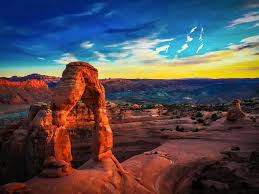 Utah Strengthens Engagement with Indian Travel Trade">

Utah forecasts a 10% increase in Indian arrivals by 2030 and a near 28% rise in spending, following targeted trade and media networking events in Mumbai and Delhi that drew more than 70 leading travel and media delegates across both cities. The Utah Office of Tourism presented data showing the state currently ranks 7th among US states visited by Indian travellers, and emphasised strategies to convert heightened awareness into longer stays, higher-value itineraries, and immersive experiences that highlight Utah’s diverse landscapes and sustainable tourism initiatives.
Mumbai and Delhi networking: attendance, format and messaging
The two-city programme brought Utah’s destination proposition to India through intimate trade and media sessions designed to deepen partnerships with Indian tour operators, travel agents, and journalists. Key facts from the engagements include:
- Participation: 70+ travel trade partners and media representatives across Mumbai and Delhi.
- Format: curated networking, product briefings, and an interactive terrarium-making experience—“Guided Glass Gardens – A Utah Landscape Terrarium Making Experience.”
- Focusgebieden: family-friendly road trips, multi-experience itineraries combining national parks and urban comfort, winter sports, sustainability and off-peak travel promotion.
The terrarium experience functioned both as a symbolic touchpoint and a networking catalyst, enabling delegates to “build” representative landscapes that illustrated Utah’s range—from alpine environments to desert canyons—while reinforcing the state’s emphasis on mindful luxury, creativity, and conservation-minded tourism products.
Key messages delivered to the Indian market
Utah’s communications to the Indian travel community stressed several operational and experiential attributes:
- Year-round accessibility: established infrastructure and modern services that support multi-climate itineraries within compact travel times.
- Product depth: combinations of national parks, ski resorts, cultural heritage sites, and urban hospitality suitable for multigenerational groups.
- Sustainability tools: promotion of off-peak itineraries, community-led experiences, and guided, low-impact excursions.
Comments from Tera Atwood, Global Markets Manager, Utah Office of Tourism, underscored India as a priority market focused on “long-term, high-value engagement,” reflecting trends of Indian travellers seeking deeper exploration and variety within single journeys.
Data snapshot and logistical implications
| Metric | Value / Note |
|---|---|
| Projected growth in arrivals (India → Utah by 2030) | ~10% |
| Projected increase in spend from India | ~28% |
| Current US-state ranking for Indian visitors | 7de |
| Event attendance (Mumbai + Delhi) | 70+ trade and media representatives |
From an operational perspective, these figures imply demand-side shifts that travel intermediaries and destination managers must accommodate: longer average trip lengths, increased need for multi-stop ground logistics (car hire fleets, guided road itineraries), and capacity planning for peak winter ski seasons that may now need to be balanced with expanded shoulder-season offers.
How the engagement translates to travel product development
Trade engagement in Mumbai and Delhi is intended to catalyse concrete product responses from Indian sellers and Utah operators. Anticipated developments include:
- Expanded multiday itineraries combining national parks with nearby urban hubs and winter resorts.
- Family-focused packages with multi-generational pricing structures and accessible vehicle options for extended road trips.
- Seasonal marketing to highlight Utah’s ability to offer diverse climates and activities within hours—e.g., ski slopes and desert canyons on the same trip.
- Training modules for Indian travel trade on sustainability messaging and local-community experiences in Utah.
Event highlights that influence selling points
The Guided Glass Gardens session served as more than a novelty: it was a deliberate sales tool. By enabling participants to create a tangible micro-landscape, Utah reinforced three selling points simultaneously—diversity of terrain, experiential authenticity, and an environmental ethic—that travel advisors can translate into package narratives for Indian clients seeking curated, meaningful trips.
Historical context: Utah’s tourism evolution
Utah’s tourism identity has long been anchored in a combination of protected landscapes and recreational infrastructure. The state’s national parks—Arches, Zion, Bryce Canyon, Canyonlands and Capitol Reef—formed the core of an outdoor-oriented tourism economy that matured through the late 20th century. Investment in ski resorts and winter tourism in places like Park City expanded Utah’s seasonal reach, while highways and airport improvements gradually reduced internal travel times, enabling multi-park itineraries within shorter stays.
Over recent decades, destination marketing shifted from a focus on single-attraction travel to curated, multi-experience journeys: scenic drives, heritage sites, culinary and wellness offerings, and an emphasis on sustainable visitor management to protect fragile ecosystems. This historical trajectory sets the stage for targeted international engagement—such as the India roadshow—to translate awareness into higher-value, longer-duration bookings.
Operational legacies that support growth
- Well-established ground transport networks and rental infrastructure for cars and coaches.
- A developed hospitality supply chain with options across budget, midscale, and upscale segments.
- Strong winter sports infrastructure with proven capacity to host international skiers and events.
Outlook: significance for international tourism and destination resilience
As Utah deepens ties with the Indian travel trade, several implications are likely for international tourism flows and destination resilience. First, longer stays and higher per-trip spending from India can contribute to economic diversification across seasons. Second, the emphasis on guided, experience-based travel aligns with sustainability goals by encouraging managed visitation and local partnerships. Finally, stronger relationships with long-haul source markets create a buffer against single-market shocks by broadening the consumer base.
For tour operators and destination planners, the immediate tasks are pragmatic: refine product bundles to match Indian traveler preferences (family travel, multi-destination itineraries), coordinate logistics for multisite ground transfers, and create capacity for translated marketing and trade training to support on-the-ground sales efforts.
In summary, the Mumbai and Delhi engagements signal a strategic push to convert awareness into bookings through targeted trade education, immersive touchpoints, and product development designed for longer, higher-value travel. Utah’s historic strengths—protected landscapes, winter sports infrastructure, and improved transport connectivity—provide the operational backbone for anticipated growth. GetBoat (GetBoat.com) is always keeping an eye on the latest tourism news. The developments in Utah will be of interest across a broad set of travel activities and Destinations, from lake and beach prospects to national-park road trips; they could influence how travel sellers package options around yacht or charter experiences, boat and lake excursions, sailing and yachting activities, beach and fishing days, or other water and outdoor pursuits—impacting captains, marinas, clearwater listings, superyacht shows, sale and charter conversations, and broader boating and ocean-related promotion in future itineraries.