


 Nederlands
  English (UK)
  Русский
  العربية
  日本語
日本語  한국어
한국어  Magyar
  Türkçe
  Español
  Čeština
  Svenska
  Português
  Ελληνικά
  Suomi
Suomi  Română
  Italiano
  Français
  Polski
  Українська
  Deutsch
  简体中文
简体中文  Slovenčina
 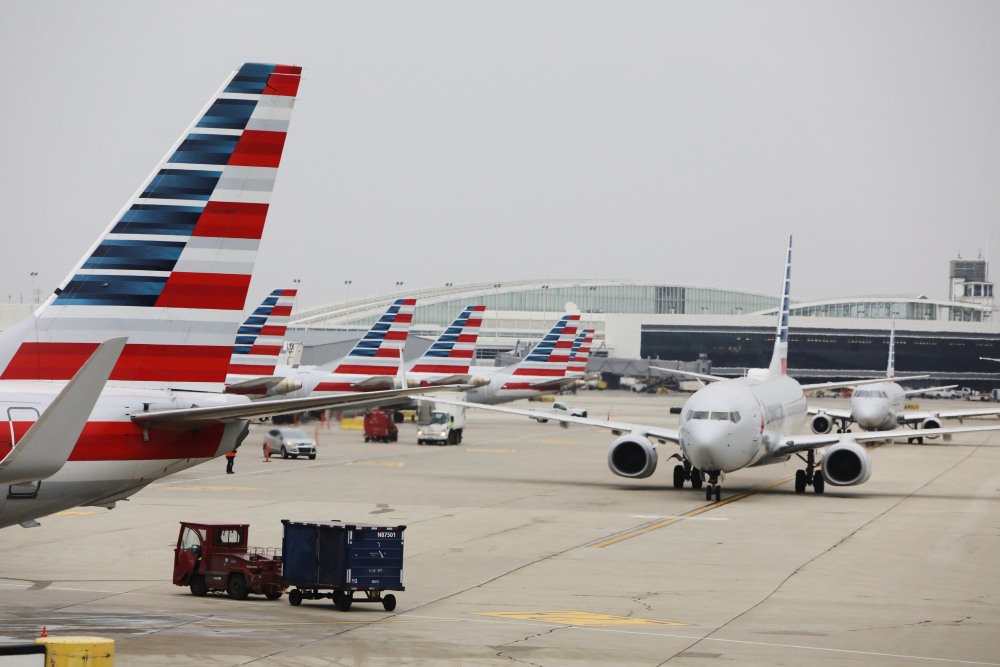 Hoe American Airlines de hubservices op Dallas Fort Worth transformeert">

Upgrades at Dallas Fort Worth Strengthen Passenger Experience and Efficiency
American Airlines is rolling out significant improvements to its Dallas Fort Worth (DFW) hub, aiming to elevate both operational efficiency and customer satisfaction. As the airline’s largest and most pivotal airport, DFW handles over 700,000 daily travelers and serves as a major connecting point for flights worldwide.
Why DFW Holds a Central Role in Air Travel
Dallas Fort Worth International Airport stands as a cornerstone in American Airlines’ global network. With more than 30% of the carrier’s daily connecting passengers and their luggage passing through, the airport’s performance directly influences the efficiency of flights across the entire system. The initiatives underway at DFW strive to smoothen travel processes, reduce delays, and support more timely connections—even during high-traffic periods or challenging weather.
Key Operational Enhancements Introduced
Revised Flight Scheduling for Flexibility and Reduced Congestion
One major change scheduled for April 2026 involves moving from a nine-bank to a 13-bank flight schedule. This means there will be more departure windows spread throughout the day, reducing tight connection windows that often cause passenger stress and flight delays.
- Increased early-morning departures offer improved options for passengers catching early flights.
- Tighter connection times are relaxed, providing travelers with reduced anxiety and higher chances of catching the next flight.
- Business travelers benefit from more precise and reliable connecting schedules.
Enhancing On-Time Departures and Baggage Handling
Optimizing block time—the duration from gate departure to gate arrival—is a key focus to boost punctuality. By refining this timing, American Airlines expects fewer delays and better alignment of baggage arrival with passenger travel.
- On-time flight departure rates are anticipated to improve significantly.
- Baggage connection processes are enhanced to ensure luggage reaches its owner promptly, cutting down on lost or delayed bags.
Reducing Travel Disruptions and Improving Connection Flow
The new scheduling approach also minimizes rushed and short connection windows, allowing passengers to switch flights with greater ease. Additionally, increased baggage handling capacity and improved airspace efficiency will contribute to less disruption and smoother journeys.
- More bags are expected to arrive on time and at the correct destinations.
- Streamlined air traffic control reduces flight interruptions and congestion.
Infrastructure Investments Target Long-Term Growth
Beyond scheduling, American Airlines is investing heavily in physical upgrades to DFW’s facilities that will accommodate growing passenger volumes and enhance the travel environment.
- Terminal expansions: Additional gates in Terminals A and C, and the forthcoming Terminal F by 2030, will increase capacity while reducing passenger congestion.
- Advanced baggage systems: Cutting-edge technology will accelerate luggage processing, reducing mishandling risks.
- Upgraded premium services: Enhanced lounges and dedicated check-in areas will cater to premium passengers seeking exclusivity and comfort.
Security at DFW is also being modernized with touchless identity verification via facial recognition, developed in partnership with the TSA. This technology is aimed at expediting passenger screening and minimizing wait times.
Strengthening Operational Resilience Against Weather Challenges
DFW is prone to weather disruptions like thunderstorms, which can hamper operations. The airline is implementing remote deplaning capabilities to maintain service flow even during severe conditions.
- Storm recovery procedures will allow quick resumption of operations and minimize flight diversions.
- The new scheduling design enhances resilience to adverse weather, leading to faster passenger recovery and less inconvenience.
Optimizing Traffic Flow Around the Airport
Supporting the internal airport upgrades are improvements to the surrounding transportation network, focusing on vehicle traffic management. These enhancements intend to reduce road congestion and smooth transitions from parking to terminals.
- Improved pre- and post-flight traffic planning decreases navigation time through airport facilities.
Historical Context of DFW and American Airlines
Dallas Fort Worth Airport has long been integral to American Airlines’ operations, representing more than just a transit point but a major hub that feeds routes globally. Founded from the merger of various airlines in the early 20th century, American Airlines grew steadily into an international carrier stretching across multiple continents. The evolution of major airports like DFW has mirrored the airline’s expansion, evolving from basic terminals to complex facilities capable of handling millions of travelers annually.
Technological advances, service innovations such as frequent flyer programs, and strategic alliances have shaped the airline’s continued growth. Investments in infrastructure have been vital in keeping pace with rising demand and enhancing the brand’s customer promise.
The Future Impact of Upgrading DFW on Travel and Tourism
With air travel being a critical component of international tourism and business, the upgrades at DFW promise ripple effects beyond just smoother flights. Enhanced connections and reduced delays make multi-destination trips more feasible and enjoyable. This, in turn, supports economic growth in serviced regions, helping drive both leisure and business tourism.
For those interested in maritime travel and coastal tourism, the seamless integration of air travel hubs like DFW improves access to prime sailing and boating destinations. Efficient flight connections facilitate quicker arrivals to ports and marinas, creating new opportunities for yacht charters, sailing adventures, or beach vacations.
Summary Table of Key Improvements at DFW
| Area of Improvement | Main Benefits |
|---|---|
| Flight Scheduling | More departures, less congestion, improved connection times |
| On-Time Performance | Reduced delays and improved passenger satisfaction |
| Baggage Handling | Faster, more reliable luggage delivery matching passenger arrivals |
| Airport Facilities | Terminal expansions, advanced luggage systems, premium lounge upgrades |
| Security | Touchless ID verification speeds screening processes |
| Weather Resilience | Remote deplaning and recovery procedures reduce disruption impact |
| Traffic Flow | Improved road system management eases passenger arrival and departure |
Conclusie
American Airlines’ substantial upgrades at Dallas Fort Worth International Airport demonstrate a forward-thinking commitment to meet future travel demands while enhancing the everyday experience of millions of passengers. From expanded flight schedules and on-time improvements to smart security and infrastructure modernization, the comprehensive plan ensures DFW remains a critical and efficient hub in the global air transport network.
For travelers looking to explore destinations accessible via DFW or seeking adventures on the water, these transportation enhancements translate into easier connections to vibrant yachting hotspots, beaches, lakes, and marinas. Sailing enthusiasts and boaters can look forward to smoother transitions from air travel to their chosen water-based activities, supported by better organized airport operations.
If you want to explore how these travel developments open doors to stunning marine destinations, check out GetBoat.com—a premier marketplace for renting sailing boats, yachts, and superyachts worldwide. Whether it’s a leisure charter or a fishing trip on serene waters, GetBoat offers options for every taste and budget, perfectly complementing the enhanced travel experience at global hubs like DFW.