


 Nederlands
  English (UK)
  Русский
  العربية
  日本語
日本語  한국어
한국어  Magyar
  Türkçe
  Español
  Čeština
  Svenska
  Português
  Ελληνικά
  Suomi
Suomi  Română
  Italiano
  Français
  Polski
  Українська
  Deutsch
  简体中文
简体中文  Slovenčina
 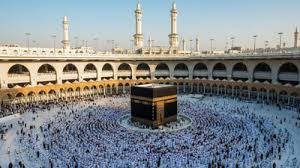 Saudi Arabia Limits Pre-Entry Umrah Visa Validity to One Month">

Key Changes to Umrah Visa Validity and Entry Rules
The Saudi Ministry of Hajj and Umrah has introduced a significant adjustment to the validity period of the Umrah visa’s pre-entry phase, shortening it from three months to just one month. This new regulation, effective from next week, includes an automatic cancellation clause if the visa is not used to enter the Kingdom within 30 days of issuance.
While the pre-entry validity is curtailed, the permitted duration of stay remains at three months after entry, ensuring pilgrims still have enough time to complete their religious rites and other activities within Saudi Arabia.
Objectives Behind the New Visa Policy
Authorities aim to handle an anticipated surge in pilgrim arrivals after the summer season, which historically sees cooler weather in Mecca and Medina and thus increased pilgrimage activity. The new visa framework seeks to improve crowd management, reduce overcrowding risks in the holy cities, and enhance the overall pilgrim experience by streamlining arrival flows.
According to officials, this adjustment aligns with strategic measures designed to maintain safety and operational efficiency amidst record-breaking Umrah visa issuance that already exceeds four million since June of this year.
What the New Rules Mean for Pilgrims
- Visa validity before arrival reduced to 30 days.
- Failure to enter Saudi Arabia within this period results in automatic visa cancellation.
- Post-entry stay duration remains 90 days.
- Mandatory tighter scheduling for pilgrims planning their visit.
The Evolution of Umrah Visa Regulations
The approach to Umrah visa issuance has seen several changes over the years, often reflective of the Saudi authorities’ attempts to balance spiritual tourism’s growth with logistical and safety demands. Originally, longer visa access periods allowed pilgrims more flexibility in travel planning. However, rising numbers of visitors have necessitated sharper control measures.
The Kingdom’s efforts resemble broader global trends where visa facilitation policies are carefully tuned to promote tourism while managing resources and security. Visa rules, as a crucial aspect of international travel, impact the flow and behavior of visitors and are frequently adapted following patterns of demand, capacity, and administrative capability.
| Year | Previous Visa Validity | Current Visa Validity | Purpose |
|---|---|---|---|
| Before 2024 | 3 months pre-entry | N/A | Flexible travel planning |
| 2024 onwards | N/A | 1 month pre-entry with auto cancellation | Improved crowd management |
Visa Policies and International Tourism Trends
Visa requirements are often pivotal in tourism competitiveness. Facilitating streamlined yet secure visa procedures encourages travel and supports destination development, while restrictions can dissuade visitors and complicate planning.
Worldwide, tourism-dependent destinations continuously adjust visa regulations to balance economic incentives with issues like immigration control and infrastructure strain. Saudi Arabia’s recent Umrah visa reduction fits into this pragmatic approach of aligning policies with expected peaks in visitor numbers and enhancing overall operational effectiveness.
Forecast of Visa Policy Impact on Religious Tourism
The reduction of the Umrah visa entry validity period signals a more managed pilgrimage environment which could become a model for other heavily visited spiritual sites globally. The management of pilgrim flows and improved scheduling might lead to safer, more enjoyable visits, though it does pressure travelers to adhere closely to planned dates.
With international pilgrimage tourism on the rise, especially in the post-pandemic era, such regulations will likely become increasingly common as countries seek to maintain the delicate balance between welcoming visitors and safeguarding host communities and infrastructures.
Table: Expected Outcomes of the New Umrah Visa Rules
| Aspect | Anticipated Impact |
|---|---|
| Visitor Flow | Reduced last-minute arrivals; better scheduling |
| Crowd Management | Less congestion in holy sites |
| Pilgrim Experience | Smoother arrivals and controlled environment |
| Visa Enforcement | Automatic cancellations encourage timely entry |
Implications for Marine Tourism and Sailing Activities
Although the Umrah visa policy changes focus on religious travel, they also carry indirect implications for tourism sectors connected to Saudi Arabia’s ports and coastal activities. For regions near the Red Sea and Persian Gulf, known for hosting yachts, boats, and sailing charters, the influx and management of international visitors impact local tourism infrastructures, marinas, and marine services.
Enhanced control over visitor timing can influence the scheduling of boat rentals, yacht charters, and other water-based leisure activities in adjacent coastal cities. Innovations in managing pilgrim arrivals could inspire similar systems for maritime tourism, where crowding at marinas and waterfronts also demands efficient handling.
Connecting Pilgrimage Travel with Boating Tourism
- Ports servicing pilgrim arrivals may experience fluctuating demand.
- Improved visitor management can support better coordination of marine transport and boat rentals.
- Local businesses offering water sports, fishing, and sailing charters could benefit from clearer tourism flows.
- Marinas might see increased opportunities for seasonal adaptations aligned with pilgrimage peaks and troughs.
As religious tourism in Saudi Arabia grows, regions with access to coastlines and natural water bodies that attract yachting or boating enthusiasts will need to integrate land-based and sea-based visitor management strategies, creating a more harmonious tourism experience overall.
Conclusie
The reduction of the Umrah visa entry validity to one month is a strategic move by Saudi Arabia to address growing numbers of pilgrims with enhanced crowd control and administrative efficiency. While maintaining the existing length of stay, this policy change demands tighter travel planning and offers benefits in terms of safety and smooth logistics at entry points.
This transformation reflects global trends in visa regulation adaptation for sustainable tourism growth, balancing openness with order. For coastal destinations linked to the pilgrimage flow, especially those with yachting and boat rental activities, the new rules present opportunities for improved tourism planning and enhanced service offerings.
For those interested in exploring the Red Sea waters or cruising along the Persian Gulf, keeping an eye on such international travel changes can help in planning the perfect yacht or sailing charter during and after pilgrimage seasons.
Discover more about yacht charter options, boat rentals, and marine destinations connected to this evolving tourism landscape by visiting GetBoat.com – an international marketplace offering a wide array of boats, suiting every taste and budget.