


 Nederlands
  English (UK)
  Русский
  العربية
  日本語
日本語  한국어
한국어  Magyar
  Türkçe
  Español
  Čeština
  Svenska
  Português
  Ελληνικά
  Suomi
Suomi  Română
  Italiano
  Français
  Polski
  Українська
  Deutsch
  简体中文
简体中文  Slovenčina
 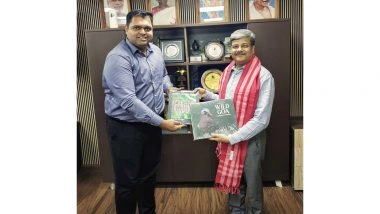 Goa and Madhya Pradesh Collaborate to Enhance Heritage and Wildlife Tourism">

New Tourism Partnership: Embracing Heritage, Wildlife, and Culture
Goa and Madhya Pradesh are embarking on a collaborative venture aimed at enriching their tourism landscapes through a strong focus on heritage, wildlifeen cultural tourism. This approach seeks to create synergistic opportunities that promote travel between the two states and offer tourists a deeper connection with India’s diverse historical and natural heritage.
The Departments of Tourism from both states recently convened to discuss formalizing this partnership. The key theme revolves around mutual promotion, with Madhya Pradesh inviting Goan visitors to explore its rich heritage sites and wildlife sanctuaries, while Goa showcases its own cosmopolitan tourism spectrum beyond its famous beaches.
Strategic Goals of the Collaboration
This cooperation aims to expand tourism circuits by linking heritage and wildlife experiences with cultural narratives, thus broadening the appeal and depth of travel itineraries to these Indian states. Local communities and stakeholders are encouraged to participate actively, fostering sustainable and responsible tourism development focused on quality visitor experiences.
Exploring Heritage and Wildlife Tourism
Heritage tourism in India often involves visiting ancient monuments, temples, palaces, and cultural sites that reflect the country’s millennia-old civilization depth. Madhya Pradesh’s historical richness—ranging from ancient temples like those in Khajuraho to its famed national parks such as Kanha—complements Goa’s cultural vitality and laid-back coastal retreat offerings.
Wildlife tourism plays a significant role, particularly in Madhya Pradesh, where national parks and tiger reserves are major attractions. These protected areas allow for immersive nature-based activities, including safaris, bird watching, and photography, appealing to ecotourists and adventure seekers alike. Together, both states aim to amplify visitor access and satisfaction.
Key Areas of Cooperation
- Joint product development focusing on heritage-culture circuits.
- Knowledge sharing between tourism bodies to improve industry standards.
- Exchange visits by tourism stakeholders to enhance planning and networking.
- Community involvement to promote responsible tourism and preserve local culture.
Historical Context and Tourism Development in India
India has a long-standing legacy of travel dating back thousands of years, historically rooted in pilgrimages and educational journeys. The concept of tourism here blends spiritual pursuits with the desire for leisure and cultural exploration. Over the decades, multiple Indian regions have evolved as key tourism destinations, especially those rich in history, nature, and traditional arts.
The country is home to a vast array of natural and cultural sites, including over 100 national parks, several UNESCO World Heritage sites, and thriving wildlife sanctuaries. States like Goa have been traditionally associated with coastal tourism and beach resorts, while Madhya Pradesh offers inland cultural treasures and wildlife experiences. This diversity forms a multifaceted tourism product that appeals to a broad range of traveller interests.
Table: Highlights of Heritage and Wildlife Attractions in Madhya Pradesh and Goa
| Attraction Type | Madhya Pradesh | Goa |
|---|---|---|
| Historical Sites | Khajuraho Temples, Orchha, Gwalior Fort | Old Portuguese Churches, Fort Aguada |
| Wildlife Reserves | Kanha National Park, Bandhavgarh Tiger Reserve | Bhagwan Mahavir Wildlife Sanctuary |
| Cultural Events | Tribal fairs, classical dance festivals | Carnival, traditional music and dance festivals |
| Nature-based Activities | Jungle safaris, birdwatching | Beach activities, water sports |
Forecasting The Impact on Indian Tourism
This partnership heralds a promising chapter for domestic and international tourism in India. By pooling their unique offerings, Goa and Madhya Pradesh stand to attract a more diverse traveler base, increasing not only visitor numbers but also extending the length and variety of stays. The emphasis on heritage and wildlife adds an enriching layer to the travel experience, moving beyond traditional sun-and-sand vacations.
As tourism preferences globally shift towards more authentic and sustainable experiences, combining cultural heritage with natural exploration provides strong appeal. The collaboration could also inspire similar initiatives among other Indian states, fostering regional tourism networks that support economic growth and conservation efforts.
Uitdagingen en overwegingen
- Ensuring infrastructure development keeps pace with tourist inflow.
- Maintaining ecological balance and protecting heritage from overtourism.
- Engaging local communities while safeguarding their traditions.
- Marketing cross-regional circuits effectively across diverse markets.
Conclusion: Navigating New Waters in Tourism
The evolving partnership between Goa and Madhya Pradesh exemplifies how states with distinct yet complementary tourism profiles can come together to enhance visitor engagement through heritage, wildlife, and cultural experiences. This cooperative model promotes sustainable travel, cultural appreciation, and economic benefits for local communities.
For sailing enthusiasts and boating aficionados, destinations like Goa continue to offer beautiful seaside escapes, while the inland circuits invite exploration of India’s rich cultural tapestry and natural reserves. Whether on the open waters by a rented yacht or discovering hidden inland gems, travellers can now enjoy a richer Indian tourism tapestry shaped by this collaborative initiative.
For those eager to chart their own course around these vibrant destinations, GetBoat.com provides access to a wide selection of sailing boats and yachts for rent, perfectly suited to enhance any vacation with unforgettable waterborne adventures amidst stunning natural and cultural backdrops.