


 Nederlands
  English (UK)
  Русский
  العربية
  日本語
日本語  한국어
한국어  Magyar
  Türkçe
  Español
  Čeština
  Svenska
  Português
  Ελληνικά
  Suomi
Suomi  Română
  Italiano
  Français
  Polski
  Українська
  Deutsch
  简体中文
简体中文  Slovenčina
 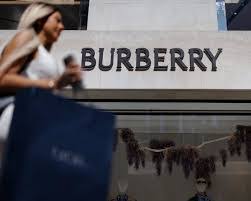 Burberry zet zich in voor de terugkeer van belastingvrij winkelen om wereldwijde toeristen aan te trekken">

The Push for Reinstating Tax-Free Shopping in the UK
Burberry executives have made a strong appeal to the UK government to bring back a tax-free shopping scheme for international tourists. They argue that reinstating the value-added tax (VAT) refund system could boost tourist spending, drawing visitors back to London’s luxury shopping scene and enhancing economic growth.
The VAT refund for overseas visitors, which was abolished in late 2020, had briefly returned in 2022 but was quickly discontinued. Burberry’s leadership points out that since the removal of this scheme, many shoppers from regions like the US, Middle East, and Asia are choosing other European fashion hubs such as Paris and Milan over London. This shift impacts the UK’s retail sector, particularly high-end brands that rely heavily on international customers.
Economic Arguments and Market Impact
Burberry notes that less than 10% of its global revenue currently comes from UK sales, but this figure has the potential to climb significantly if the tax-free shopping program is revived, effectively incentivizing more tourist shopping activity on British soil. Such policies could stimulate the broader visitor economy, including jobs and growth in retail and hospitality sectors.
The company’s Chief Executive emphasizes the importance of aligning the UK’s VAT policies with other European countries to remain competitive in the luxury shopping market. Improving this aspect could serve as a magnet for tourists who prioritize shopping as a key part of their travel experience.
Burberry’s Current Business Outlook
The firm is witnessing positive trends after a period of challenges. Comparable store sales rose by 2% in the second quarter, marking the first increase in two years. Moreover, operating losses narrowed, showcasing progress in the brand’s ongoing restructuring plan.
This turnaround includes significant cost-cutting measures, with job reductions planned worldwide to enhance profitability. Specific steps involve ending the night shift at a factory in West Yorkshire. Despite a restructuring charge related to these changes, the firm forecasts stronger profits and healthier cash flow in the near future.
The Role of Tax Policies in Tourism and Retail
Shopping tourism has evolved into a vital segment of international travel, often driving visitor choices about destinations. Tax incentives such as VAT refunds create an appealing environment for tourists who seek luxury goods at competitive prices.
Without such incentives, destinations risk losing out on valuable tourist spending to rivals offering more favorable retail conditions. This is particularly relevant in metropolitan hubs where luxury shopping forms a pillar of the tourism experience.
How Tax-Free Shopping Influences Tourist Behavior
Tax-free shopping not only boosts retail sales but enhances the overall attractiveness of a destination. Tourists are often motivated by the prospect of purchasing exclusive brands while saving money, integrating shopping into their travel activities alongside sightseeing and dining.
Destinations that provide seamless tax refunds can expect higher visitation rates from affluent travelers, especially those interested in luxury shopping, which ultimately benefits local economies and employment.
Historical Overview: Tax-Free Shopping and Tourism
Tax-free shopping schemes are not new and have historically been used by countries to stimulate international tourism spending. Many European countries have sustained such programs, attracting travelers who incorporate shopping as an important part of their journey.
The UK’s experimental approach—with stops and starts in VAT refunds—reflects the delicate balance governments try to maintain between tax revenue and promoting inbound tourism. The global economic shifts and changing consumer behaviors post-pandemic have intensified debates about reinstating such incentives.
Global Trends in Shopping Tourism
Worldwide, shopping has become a leading motivation for tourists, ranging from browsing local products to pursuing luxury goods in highly developed retail environments. Destinations that blend cultural attractions with compelling shopping experiences tend to boost repeat visitation and overall satisfaction.
Many cities have capitalized on this by establishing mega-malls, duty-free zones, and shopping festivals, further enhancing their appeal. For example, places like Hong Kong, Tokyo, and New York have successfully leveraged tax-free shopping policies to increase tourist expenditure.
Forecast and Implications for International Tourism
Reinstating tax-free shopping in the UK could mark a strategic move to revive London’s status as a prime destination for luxury shopping within the global tourism market. It might also encourage longer stays, higher spending, and greater involvement in cultural and leisure activities.
The ripple effects would likely benefit many sectors beyond retail, including transportation, accommodation, and entertainment— all integral parts of a thriving tourism ecosystem.
Potentiële uitdagingen en overwegingen
While tax incentives are powerful, they must be balanced against government revenue needs and administrative costs. Moreover, ensuring awareness and ease of use for tourists is crucial; complicated refund processes can deter shoppers from engaging fully.
Nevertheless, aligning tax policies with those of key European competitors could help the UK regain market share lost in recent years and adapt to evolving traveler expectations.
Summary and Outlook for Sailing and Boating Tourism
For regions linked to marine tourism hubs such as London’s marinas or coastal areas easily accessible from the city, increased tourist spending can have positive spillovers into the boating and yachting sectors. Luxury shopping and leisure attract affluent visitors who often seek diverse activities including sailing, boat charters, and yachting adventures.
With vibrant tourism activity, demand for high-quality boat rentals, superyacht charters, and related water-based experiences often rises, offering business opportunities along the coast and inland water destinations.
Marinas and waterfront shopping districts benefit from increased foot traffic, creating a lively environment rich in activity and economic vitality. Thus, policies that boost luxury tourism spending bolster adjacent sectors like boating, fishing charters, and sailing experiences.
As the UK contemplates tax policy reforms, stakeholders in the marine tourism and yachting spheres stand to gain from any increase in international visitor numbers and spending.
Takeaway
Reintroducing VAT refunds could make London a more competitive global shopping destination, spurring economic growth and revitalizing sectors that include retail and marine tourism. As visitors return in greater numbers with higher expenditure power, the benefit to marinas, sailing charters, and related activities will be significant.
For those interested in exploring luxury shopping alongside yachting adventures or boat charters in the UK and beyond, the international marketplace for renting sailing boats and yachts at GetBoat.com provides access to a wide range of options to suit every taste and budget.