


 Nederlands
  English (UK)
  Русский
  العربية
  日本語
日本語  한국어
한국어  Magyar
  Türkçe
  Español
  Čeština
  Svenska
  Português
  Ελληνικά
  Suomi
Suomi  Română
  Italiano
  Français
  Polski
  Українська
  Deutsch
  简体中文
简体中文  Slovenčina
 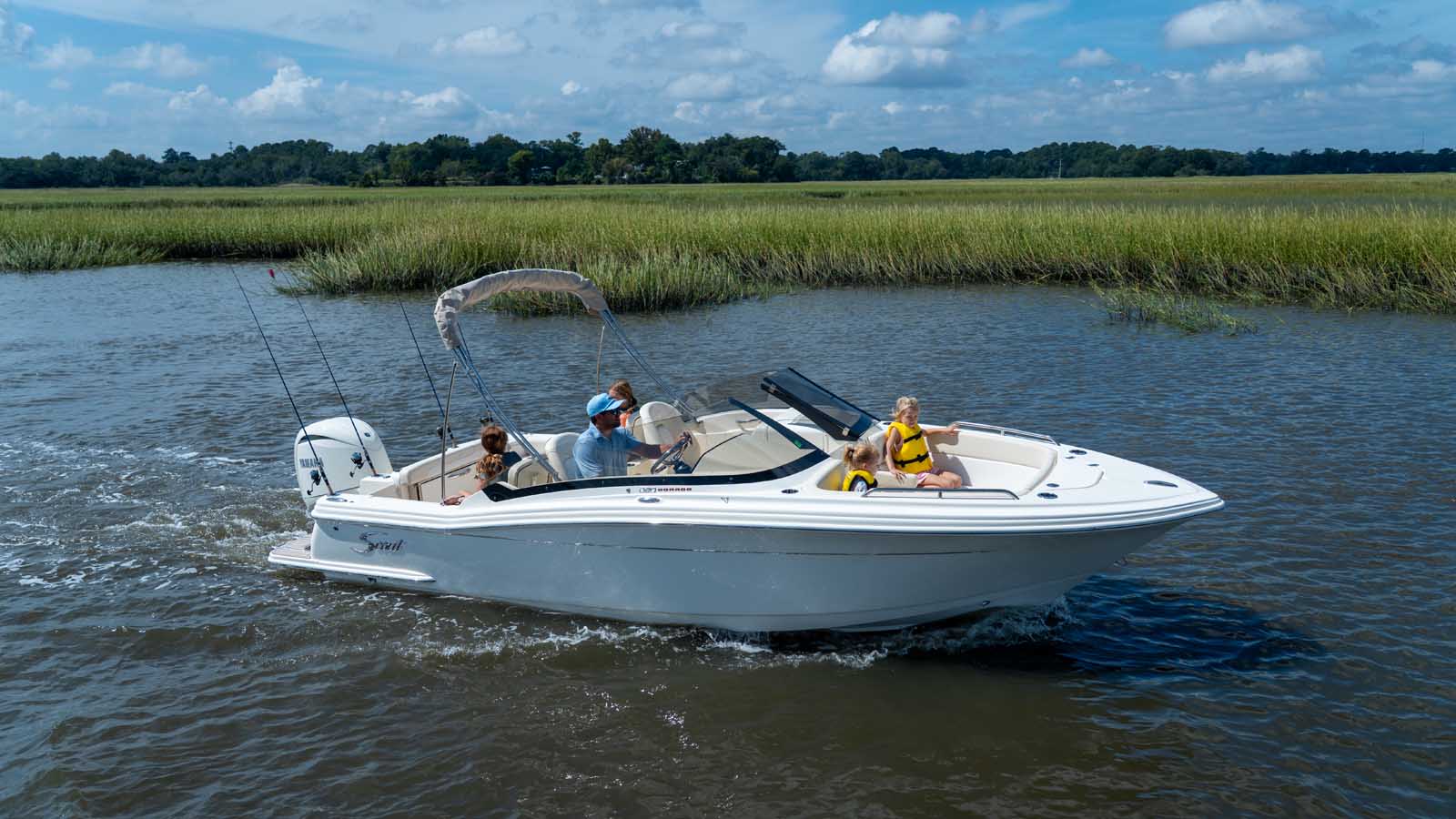 H.R.7222: Renteaftrek op bootleningen">

H.R.7222 would allow borrowers to deduct up to $10,000 of interest annually on loans used to purchase American-made recreational boats by extending the existing No Tax on Car Loan Interest provision to marine financing, potentially lowering annual after‑tax financing costs for many buyers.
Key provisions and stakeholder reaction
The bill, introduced to expand interest-deduction rules, targets loans for domestic recreational watercraft and aims to make boat ownership more affordable amid rising financing costs. Industry groups including the NMMA and the Marine Retailers Association of the Americas (MRAA) have framed the measure as a tool to protect jobs in marine manufacturing and to stimulate local sales.
Matt Gruhn, President of the MRAA, noted that adding American-made recreational boats to the recent car-loan interest relief framework would allow many buyers—particularly those earning under $100,000 annually—to deduct interest on loans, thereby making ownership more attainable for working-class Americans and encouraging greater participation in recreational boating.
How the deduction changes purchasing math
Average consumer boat loans commonly run into the tens of thousands of dollars. Interest paid over the life of a loan can add substantially to total cost of ownership. Allowing a deduction of up to $10,000 reduces the effective interest burden and can change monthly and annual affordability calculations for prospective buyers.
| Stakeholder | Potential Benefit | Short-term Effect |
|---|---|---|
| Buyers | Lower after-tax finance cost | Improved affordability, quicker purchase decisions |
| Fabrikanten | Increased domestic demand | Higher production, job protection |
| Dealers & Lenders | Stimulated sales; larger financed volumes | More loan originations; potential expansion of offerings |
Regional economic notes
Representatives from coastal states emphasize local impacts. As a spokesperson for South Carolina’s 1st Congressional District, Mace underscored how the state’s marine sector forms a backbone of its coastal economy and how tax fairness for American-made boats would support coastal livelihoods and manufacturing networks.
Market context and legislative outlook
New powerboat retail sales have softened amid higher interest rates and economic uncertainty. Industry observers point to financing costs as a central deterrent to discretionary purchases like recreational boats. If enacted, the deduction could partially offset higher borrowing costs and revive stalled demand, although the bill must pass committee scrutiny and both chambers of Congress before reaching the president’s desk—and no firm timeline is available.
- Immediate fiscal effect: Reduced effective cost for qualifying buyers.
- Supply-side response: Broader domestic demand could encourage manufacturers to boost production.
- Market ripple: Dealers may see upticks in retail activity and lenders may expand marine loan products.
Why this matters for boating, charters and rentals
While the proposal clearly targets owners and buyers, secondary effects touch the charter and rental segments. Greater private ownership can expand the pool of boats available for peer-to-peer rentals or local charter operations. Conversely, if more consumers choose to buy rather than rent, short-term charter inventory could tighten, raising charter rates. Operators, marinas, and captains should watch sales trends to anticipate shifts in demand for moorings, maintenance, crew, and charter services.
Practical considerations for prospective buyers
Prospective owners should evaluate their financing scenarios and consult tax professionals on eligibility and documentation required to claim interest deductions. Key variables include loan purpose, the boat’s origin (must be American-made per the bill’s text), and income thresholds. Even with a deduction, buyers should model total cost of ownership—insurance, berth fees, maintenance, and crew if applicable—before committing.
Historically, incentives tied to financing have influenced not only sales volumes but also secondary markets: increased first‑hand purchases often enlarge the used-boat pool, affect pricing, and alter marina utilization.
Implications for sailing and seaside vacations
For those in the charter, yachting, and boat-rental sectors, policy that reduces acquisition cost can translate into more options for holidaymakers over time. A larger domestic fleet can mean more affordable day charters, more varied yacht and sailboat models for rent, and a richer set of cruising Destinations—from sheltered gulfs and clearwater lakes to open ocean passages. In short, shifts in ownership incentives ripple into the marinas, captains’ employment, and the variety of experiences available to visitors seeking sun, water, fishing, or leisurely cruising.
Supply chains and logistics are also relevant: increased manufacturing demand could pressure parts suppliers and transport networks, affecting delivery lead times for new builds and refit projects—details captains and charter operators should monitor when planning peak-season activities.
GetBoat always keeps an eye on news related to sailing and seaside vacations, as we truly understand what it means to enjoy great leisure and love the ocean. The GetBoat service values freedom, energy, and the ability to choose your own course. The service places no limits on a good life, allowing clients to find a vessel that suits their preferences, budget, and taste. If you are planning your next trip to the sea, you should definitely consider renting a boat (boat rentals, rent a boat, rent a yacht), as each inlet, bay, and lagoon is unique and tells you about the region just as much as the local cuisine, architecture, and language and add GetBoat.com
Forecasting the broader travel map, this legislation is more likely to have a regionaal economic impact—concentrated where recreational boating and marine manufacturing are significant—rather than immediately reshaping global tourism. However, it remains relevant to customers and operators because even modest changes in affordability can alter demand patterns seasonally. To stay informed and plan with confidence, consider the convenience and reliability of modern boat-rental platforms when arranging your next seaside trip.
In summary, H.R.7222 aims to extend a familiar auto-loan tax relief mechanism to recreational boat loans, potentially deducting up to $10,000 of interest for qualifying buyers. Industry groups such as the NMMA en MRAA believe the change would support domestic manufacturing, protect coastal jobs, and make ownership more accessible—effects that may indirectly influence the charter and rental market, marinas, captains, and service providers. While passage is uncertain and the bill’s timeline is unclear, the conversation highlights how fiscal policy, financing logistics, and consumer behavior intersect in the marine sector. For sailors, charterers, and anyone planning beach and boating activities, monitoring these developments can help with decisions about buying, renting, or chartering yachts, boats, and sailboats. GetBoat.com provides a transparent, user-friendly global platform to book or buy vessels and supports unforgettable experiences across yachts, charters, beaches, marinas, and destinations—offering clarity on make, model, ratings, and pricing so you can choose the right boat, captain, or activity for your next sea adventure. Set sail with confidence.