


 Nederlands
  English (UK)
  Русский
  العربية
  日本語
日本語  한국어
한국어  Magyar
  Türkçe
  Español
  Čeština
  Svenska
  Português
  Ελληνικά
  Suomi
Suomi  Română
  Italiano
  Français
  Polski
  Українська
  Deutsch
  简体中文
简体中文  Slovenčina
 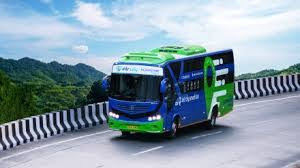 India’s Intercity Bus Sector Sees Rapid Expansion with 140 Million Passengers in H1 FY26">

Surging Growth in India’s Intercity Bus Industry
The intercity bus industry in India has experienced remarkable growth, transporting over 140 million passengers between April and September 2025, marking a 25% increase from the previous year. This impressive rise is fueled by expanding route networks, digital innovations in ticketing, and a growing preference for comfortable travel options such as air-conditioned and sleeper buses.
The sector’s dynamism reflects broader shifts in consumer behavior and infrastructure improvements across India’s vast landscape. As connectivity deepens beyond major metropolitan hubs, smaller towns and rural areas now contribute significantly to demand, redefining the fabric of domestic travel patterns.
Expansion of Routes and Regional Connectivity
The industry’s backbone lies in its vast and growing network. More than 670,000 unique routes linked over 11,000 towns within just six months, demonstrating extensive penetration into previously underserved regions. Smaller cities and towns now generate over 60% of bus bookings, indicating that affordable and accessible bus travel has become a vital mobility option beyond India’s urban centers.
Long-distance travel is particularly on the rise, with approximately 65% of bus routes exceeding 250 kilometers. This points to an increasing number of travelers opting for buses for cross-state journeys over shorter local trips, showcasing the versatility of bus services in bridging vast distances at approachable prices.
Comfort and Passenger Preferences
The preference for modern, comfortable travel modes is clear. Among all journeys, 85% involve sleeper or hybrid buses, and 71% of available seats are in air-conditioned vehicles. This shift towards premium features highlights passengers’ emphasis on convenience and reliability, elevating the perception of bus travel from a basic necessity to an increasingly attractive transport choice.
Key Regional Markets and Occupancy Rates
| Region | Share of Bookings | Average Occupancy |
|---|---|---|
| Maharashtra & Goa | 16% | 79% |
| Tamil Nadu | 15% | — |
| Andhra Pradesh & Telangana | 13% | 84% |
| Karnataka | 11% | — |
| Madhya Pradesh & Chhattisgarh | — | 63% |
Maharashtra leads as the largest bus-travel market, showing a higher-than-average ticket price and occupancy. Meanwhile, the southern states are also strong performers, with Andhra Pradesh and Telangana showing the highest utilization rates, indicating a healthy demand and efficient use of available capacity.
Digital Adoption Fueling the Revolution
The adoption of digital platforms for ticketing and scheduling has transformed the sector, making bookings more accessible and efficient. About 61% of bookings come from non-metro cities and towns, illustrating the deepening penetration of digital connectivity in India’s hinterlands. Meanwhile, 33% of bookings originate from the six largest metropolitan areas, showcasing a balanced mix of urban and rural demand.
The majority of travelers booking via apps belong to the younger demographic, ages 18–36, who value convenience and seamless digital experiences. Male passengers account for roughly 65% of total travelers, reflecting current travel trends in India’s youth-driven mobility market.
Table: Growth Drivers and Digital Impact Overview
| Factor | Impact |
|---|---|
| Route Expansion | Broad reach covering 11,000+ towns |
| Digital Ticketing | Boosted bookings from smaller towns |
| Comfort Features | High demand for AC and sleeper buses |
| Long-Haul Travel | Increase in trips over 250 km |
| Youth Engagement | Dominance of young travelers in bookings |
Historical Context of Intercity Bus Travel
Road transport has long been a key enabler of regional mobility, especially in areas where rail or air options are less developed. Historically, coach and bus travel provided an affordable and flexible way to reach diverse destinations. While early bus travel primarily catered to short- and medium-distance trips, its rise was essential in connecting remote towns in countries like India, where vast distances and varied terrain posed challenges to other transport forms.
Over recent decades, advancements in infrastructure and regulatory changes have propelled the sector forward, encouraging private operators to innovate with comfort and digital tools. The systematic introduction of digital booking systems has further increased passenger convenience, revealing how technology reshapes traditional transportation.
The Role of Digital Transformation in Tourism Mobility
Digitalization within transport corresponds with broader themes in the tourism industry, where convenience and accessibility dictate traveler choices. The integration of digital ticketing platforms mirrors transformations seen globally in travel behavior, aiding operators in reaching wider audiences and offering competitive services.
As road travel becomes more passenger-centric, with a focus on comfort and reliability, it complements air and rail travel by providing flexible, cost-effective alternatives. Such development is crucial in a country like India, where both regional tourism and commercial travel depend heavily on accessible transport.
Forecast: Impacts on Domestic Tourism and Beyond
With projections estimating over 900 million passenger journeys annually by 2030, intercity bus travel is poised to become a cornerstone of India’s domestic mobility network. It not only supports commuter and tourist flows but also enhances economic linkages between regions, stimulating trade and local tourism.
This growth can be expected to foster new regional tourism circuit developments, encouraging exploration of lesser-known destinations across India. Moreover, expanding comfortable and digitally enabled bus travel options might influence traveler decisions to opt for greener and more efficient travel modes, aligning with sustainable tourism goals.
Conclusion: A Bright Path Ahead for Intercity Mobility in India
India’s intercity bus sector is riding a wave of expansion, boosted by infrastructural investments, digital innovation, and evolving passenger expectations. The growth driven by tier-2 and tier-3 towns underscores a shifting landscape where mobility is becoming truly inclusive and wide-reaching. This expanding network not only caters to millions daily but also plays a vital role in linking destinations, thereby promoting economic vitality and regional tourism activity alike.
For travelers who enjoy discovering new places, sailing through the diverse waters and scenic coastline of India’s marinas, the enhanced intercity connectivity opens pathways to coastal and lakeside retreats. Efficient bus networks can complement boat charters and yacht rentals by easing access to seaside hubs and enabling exciting land-and-sea travel combinations.
For those eager to explore the seas, the GetBoat.com platform offers an excellent gateway to rent sailing boats, yachts, and embark on memorable boating adventures along India’s vibrant coastlines. Keeping abreast of developments like the robust growth in road transport offers insights into travel trends that shape the opportunities for sea and water-based leisure activities.