


 Nederlands
  English (UK)
  Русский
  العربية
  日本語
日本語  한국어
한국어  Magyar
  Türkçe
  Español
  Čeština
  Svenska
  Português
  Ελληνικά
  Suomi
Suomi  Română
  Italiano
  Français
  Polski
  Українська
  Deutsch
  简体中文
简体中文  Slovenčina
 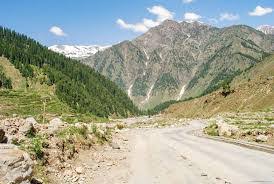 Silk Road Tourism Revival Spurs New Travel Trends Across Central Asia">

Sailing Through the Revival of Silk Road Tourism
Central Asia is experiencing a remarkable surge in tourism, resurrecting the historic Silk Road as a vibrant corridor for modern travelers. This renaissance is driven by improved flight connections, multi-destination itineraries, expanding nature tourism, and innovative technology transforming trip planning.
The Central Asian Tourism Renaissance Unveiled
Recent insights from the 30th Tashkent International Tourism Fair shed light on how tourism across Central Asia and the South Caucasus is accelerating well beyond pre-pandemic numbers. Countries spanning this region have united to showcase expanding multi-country travel loops and the infusion of cultural heritage and natural attractions into compelling itineraries.
Uzbekistan stands out with its impressive tourism growth. Official figures show foreign visitor arrivals soaring from over 2 million in 2017 to more than 10 million last year. This growth is not just about more visitors; tourists are now seeking extended trips weaving through multiple cities and countries, savoring longer, richer experiences of the region.
Multi-Country Tours: A New Travel Trend
Travelers increasingly prefer longer stays, embarking on journeys lasting seven to nine nights that cross borders and immerse them in diverse cultures and landscapes. This shift toward integrated regional tours offers a fresh lens for exploring Central Asia, from historical cities to mountain villages rich with tradition.
Flight Connectivity: The Wind in Tourism’s Sails
The backbone of this growth is enhanced air mobility. Regular daily flights connect key hubs such as Tashkent and Baku. For example, over 50,000 Uzbeks traveled to Azerbaijan this year alone—a 35% increase year-on-year. Visitors are attracted to regional attractions including thermal springs, spa resorts, and weekend getaways.
Promotional efforts now emphasize shared multi-city routes rather than single destinations, creating a web of connected experiences that entice travelers to explore further and stay longer. Such connections between destinations also open avenues for exploring nearby lakes, marinas, or rivers by watercraft, adding a nautical dimension to the travel experience.
Nature and Adventure Tourism: Beyond the Urban Borders
Nature tourism is blossoming, with regions like Uzbekistan’s Namangan mapping out mountain and cave adventures. Local authorities collaborate with alpinist groups to develop eco-friendly adventure trails, attracting visitors looking for authentic outdoor activities and immersive natural landscapes.
Communities in villages such as Chodak and Nanay are benefiting from increased tourist footfall during summer months, hinting at the potential for integrating water-based activities like fishing or lake excursions into regional tourism development plans.
Structured Nature Itineraries and Seasonal Travel
Long-distance travel planners from Japan and Europe tailor tours with keen attention to seasonal changes and educational components, including trips designed for a wide range of age groups. These itineraries often focus on cultural and ecological education, enriching the tourism experience with deeper understanding of Silk Road heritage and natural wonders.
Craftsmanship and Cultural Tourism: The Soul of Silk Road Visits
Tourism growth in the region is also fueled by a resurgence of traditional crafts. Artisans specializing in local materials such as lapis lazuli, jade, and jasper have found new global audiences eager to bring home unique, handmade souvenirs that carry the essence of their origin.
Participation in major international fairs solidifies the role of craftsmanship in tourism, ensuring that visitors can connect tangibly with the culture through authentic objects made by skilled hands—a meaningful contrast to mass-produced trinkets.
Innovations in Travel Planning: AI as the New Captain
Technology is streamlining travel planning in ways that were previously unimaginable. Artificial intelligence-powered services enable instant tour searches around the clock, responding to inquiries via popular messaging platforms like Telegram and WhatsApp. This instant accessibility removes traditional hurdles of slow planning and offers travelers personalized, quick responses based on real-time review analyses.
Investing in Tourism Talent and Education
The sustainability of this booming sector hinges on a skilled workforce. Universities dedicated to tourism and cultural heritage, operating fully in English and providing both local and international internship opportunities, are preparing young professionals to manage and innovate in this fast-growing industry.
Table: Key Drivers of Silk Road Tourism Revival
| Driver | Description |
|---|---|
| Flight Connectivity | Expanded daily and weekly flights linking major hubs improve access and facilitate multi-destination tours. |
| Multi-country Itineraries | Travelers increasingly seek multi-city tours lasting a week or more, crossing borders to experience diverse cultures. |
| Nature and Adventure Tourism | Development of eco-tourism trails and adventure routes outside urban centers attract diverse traveler segments. |
| Local Handicrafts | Artisan products based on traditional methods bolster cultural tourism and provide authentic souvenirs. |
| AI Reisplanningstools | AI-enabled instant booking and information access simplify trip preparation and enhance the tourism experience. |
| Tourism Education | Institutions focusing on tourism prepare future leaders to maintain and grow the sector sustainably. |
A Brief Historical Perspective on Silk Road Tourism
The Silk Road, an ancient trade network dating back over two millennia, connected East and West with routes weaving through Central Asia’s deserts, mountains, and cities. Originally a conduit for silk, spices, and ideas, it also fostered exchanges that shaped civilizations.
Modern tourism along these historic routes revives this heritage, inviting visitors to step into a living museum of cultures, religions, and natural wonders. The resurgence manages to blend the allure of ancient paths with modern comforts, enriched by educational programs and cultural immersion tours.
Challenges and Opportunities for the Future
As Silk Road tourism grows, it faces challenges including the need for sustainable infrastructure, skilled workforce development, and balancing modernization with cultural preservation. However, the integration of digital tools, improved connectivity, and increased international cooperation point to a promising future.
The region’s burgeoning interest in adventure and eco-tourism suggests potential for expansion into boating activities on rivers and lakes that dot the landscape, offering new avenues for sailing enthusiasts and maritime explorers.
Looking Forward: The Impact on International Tourism
The revival of the Silk Road as a travel corridor is poised to impact international tourism substantially. By encouraging travel across multiple countries, the region offers a unique multi-destination experience that contrasts traditional single-destination holidays.
With its blend of natural beauty, cultural heritage, and innovative travel technology, Central Asia is carving out a niche that could transform perceptions of the region. This evolution underscores the importance of integrated travel services, including maritime and land transport options, for a seamless tourist journey.
Conclusion: Navigating the Silk Road Boom with Nautical Adventures
Central Asia’s Silk Road corridor is more than a historical echo—it’s a lively route attracting many eager to explore its rich landscapes, cultures, and crafts. The surge in multi-country tourism fueled by upgraded flight routes, an emphasis on nature and adventure tourism, growing interest in local crafts, and cutting-edge AI travel tools paints a vibrant picture of growth and opportunity.
For those seeking to experience this region from a waterborne perspective, integrating sailing and boating into their explorations opens up a refreshing way to connect with the landscape and local communities. Whether by yacht charter along rivers or lakes or combining seafaring with land tours, opportunities abound for combining aquatic adventures with cultural immersion.
As the Silk Road continues to attract international curiosity, GetBoat.com stands ready to offer the best choices in yacht and sailing boat rentals, suiting every taste and budget. Exploring this historic route by sea or lake promises an unforgettable journey through time and terrain, blending the spirit of adventure with the comfort of modern boating.