


 Nederlands
  English (UK)
  Русский
  العربية
  日本語
日本語  한국어
한국어  Magyar
  Türkçe
  Español
  Čeština
  Svenska
  Português
  Ελληνικά
  Suomi
Suomi  Română
  Italiano
  Français
  Polski
  Українська
  Deutsch
  简体中文
简体中文  Slovenčina
 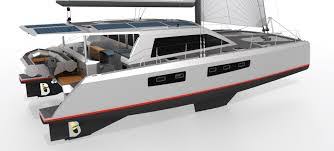 Delos 2.0 Hatch Install and Ventilation Upgrade">

Shipping dozens of large anodized aluminum hatch assemblies from Rutgerson’s Swedish facility to the construction yard required specialized freight handling: oversized crate dimensions, roll-on/roll-off stowage planning, and updated customs paperwork to reflect marine-grade fittings and CE marking for export. Cargo weight distribution and crane lift specs were documented in the delivery manifest to avoid on-site bottlenecks during the install.
Hatch selection and why it matters
The build team selected Rutgerson hatches for their corrosion-resistant aluminum frames and integrated drainage channels. On an aluminum catamaran like Delos 2.0, hatch choice affects more than looks: it influences ventilation, natural lighting, watertight integrity, and the vessel’s center of gravity. In retrofit or new-build projects these variables intersect with logistics, cost, and charter-readiness.
Key performance priorities
- Airflow: Cross-ventilation paths to reduce reliance on powered ventilation in tropical moorings.
- Daylight: Increased internal light for comfort on long passages and while charter guests are aboard.
- Water-shedding: Frame profiles and gasket systems to resist spray and heavy weather.
- Serviceability: Ease of access for routine gasket replacement and hinge lubrication.
Installation day: flow, fit and a few surprises
On install day the yard scheduled sequential deck cutouts and temporary supports to keep hull plating stresses within acceptable limits. Cranes lifted each hatch into place while technicians verified alignment with underlying deck stiffeners. A few hatches required minor flange truing due to previous lamination tolerances, which is common when scaling hatch quantity on an aluminum catamaran.
Checklist used during fit-out
- Verify hatch part numbers against manifest and mark orientation.
- Dry-fit to check margin to deck furniture and handrails.
- Apply marine sealant and torque fasteners to sequence to avoid deck distortion.
- Test drainage channels and condensation paths before final bedding.
Technical snapshot
| Item | Spec | Note |
|---|---|---|
| Manufacturer | Rutgerson | Aluminum frames, marine-grade seals |
| Typical size | 400–800 mm | Custom sizes for saloon and forward cabins |
| Weight (per unit) | 3–12 kg | Varies with glazing thickness |
| Primary benefit | Lighting & airflow | Low-profile modern aesthetic |
Practical implications for charter and rentals
From a charter operator’s perspective adding more hatches can be a double-edged sword. More natural light and ventilation improve guest comfort and reduce generator hours for air-conditioning — attractive selling points for a yacht listed for rent. Conversely, increasing the count of deck penetrations raises maintenance cycles and spare-parts inventory, which affects operating costs and provisioning for long-term cruising or a busy charter schedule.
Care, maintenance and service logistics
Routine maintenance items include gasket replacement schedules, hinge lubrication, and periodic re-torquing of fasteners. For a vessel that visits multiple marinas or charters across regions, keeping a small inventory of common seals and fasteners is a logistics win: less downtime between charters or fewer wrench hours for a cruising captain on a remote gulf trip. In short, plan spares the way you plan fuels—don’t leave port without them.
Installation lessons learned
- Schedule the hatch deliveries to match crane availability to avoid costly layovers in marinas.
- Confirm glazing lead times; custom glass can add weeks to the build schedule.
- Document cutout templates and keep digital backups for future refits or replacements.
How the hatch decision ties into overall yacht value
Beyond immediate comfort gains on deck and below, the hatch strategy affects resale and charter appeal. Bright, airy interiors can transform a standard catamaran into a sought-after charter platform or increase the asking price at sale. On the other hand, poorly specified or badly installed hatches will show up as maintenance entries on a pre-purchase survey, eroding buyer confidence.
To borrow an old sailor’s line: a stitch in time saves nine — in this case, getting the right hatch, right the first time, saves both sweat and coin down the road. The Delos 2.0 decision to prioritize lighting and airflow, sourced from Rutgerson and executed with careful logistics planning, illustrates how fitted components can shape a yacht’s operational footprint and charter-readiness.
Summary: The Delos 2.0 hatch program combined targeted logistics, quality hardware from Rutgerson, and careful installation to boost natural lighting, ventilation, and onboard comfort. These changes influence charter appeal and rental economics, increase servicing needs and spare-part planning, and ultimately affect yacht resale and guest experience. Whether fitting a Delos Explorer 53 for sale, prepping a superyacht for Destinations, or setting up a charter-ready boat for the beach and lake markets, hatch choices matter for sailing, boating, marinas, captains, and owners alike—think yacht, charter, boat, rent, lake, sailing, captain, sale, Destinations, superyacht, activities, yachting, sea, ocean, boating, gulf, water, sunseeker, marinas, clearwater, fishing.