


 Nederlands
  English (UK)
  Русский
  العربية
  日本語
日本語  한국어
한국어  Magyar
  Türkçe
  Español
  Čeština
  Svenska
  Português
  Ελληνικά
  Suomi
Suomi  Română
  Italiano
  Français
  Polski
  Українська
  Deutsch
  简体中文
简体中文  Slovenčina
 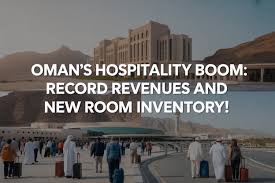 De Omaanse gastvrijheidssector bloeit met stijgende inkomsten en bezoekersaantallen">

Impressive Growth in Oman’s Hotel Revenues and Occupancy
The hospitality industry in Oman has witnessed a significant surge, with hotel revenues climbing by more than 18% year-on-year in the first nine months of 2025, reaching OMR193.4 million (approximately US$505 million). This robust performance highlights the country’s expanding appeal as a travel destination and the ongoing growth within its tourism infrastructure.
During the same period, room revenues increased nearly 21%, while hotel occupancy rose 13%, signaling stronger demand. Visitor numbers grew by 9%, and employment within the hospitality sector also expanded by 5.3%. These statistics reflect both domestic and international travelers’ enthusiasm for Oman as a year-round destination.
Expansion of Hotel Facilities and Room Inventory
By the end of September 2025, Oman operated 36,300 hotel rooms, with an additional 1,000 rooms expected to come online before year’s end. Planning and development continue, with approximately 3,000 new rooms slated for completion by the end of 2027, pushing the total room inventory close to 40,300. This expansion corresponds with the country’s strategic efforts to accommodate increasing tourist volumes and diversify its hospitality offerings.
Government Support and Marketing Efforts
The Ministry of Heritage and Tourism is actively supporting the sector with substantial investments, including OMR100 million (around US$260 million) in usufruct agreements covering hotels, resorts, and integrated developments. Coupled with ongoing marketing campaigns, these initiatives bolster Oman’s visibility and competitiveness in international tourism markets.
Tourism Dynamics and Visitor Profile
Focusing on 3-5 star hotels, Oman welcomed approximately 1.7 million guests between January and September 2025, up from 1.5 million in the same period in 2024. The Khareef season—a monsoon-inspired natural phenomenon attracting regional tourism—played a role in boosting visitation during the summer months.
| Metric | Value | Year-on-Year Change |
|---|---|---|
| Hotel Revenues | OMR193.4 million (US$505 million) | +18% |
| Room Revenues | Not specified | +21% |
| Occupancy Rate | ~53% | +13% |
| Hotel Guest Numbers | 1.7 million guests | +9% |
| Employment in Hospitality | Not specified | +5.3% |
The average daily room rate hovered at OMR45.3 (approximately US$117), representing a modest 1.3% increase from the previous year. This suggests a focus on optimizing occupancy rather than aggressively raising prices, striking a balance between affordability and revenue generation.
Visitor Nationality Breakdown
Omani nationals made up the largest share of hotel guests, accounting for 38.1% of all travellers. European visitors came in second, representing nearly 25%, followed by Asian tourists with 14.4%. Visitors from Gulf Cooperation Council (GCC) countries and other regions also contributed to the mix, reflecting Oman’s growing international appeal.
Air Travel and Accessibility
Oman’s airports accommodated around 11.2 million passengers in the first three quarters of 2025, a slight 0.7% increase over the same period the previous year. Muscat International Airport remained the dominant hub, handling 87.4% of air traffic with 9.8 million travelers passing through. Salalah International Airport played a vital secondary role, serving 1.4 million passengers, with over one-fifth of this traffic generated by the Khareef season visitors.
Historical Context and Tourism Development in Oman
Oman’s tourism journey has been marked by steady progress over the past two decades. Beginning with a strategic national tourism plan adopted in 2001, followed by the enactment of tourism laws and the establishment of the Ministry of Tourism, the country steadily positioned itself as a culturally rich and naturally diverse destination.
Oman boasts a combination of ancient history, clean beaches, and desert landscapes, alongside the majestic Hajar Mountains and unique natural phenomena like the annual Khareef season. This geographic variety—featuring turtle nesting sites, renowned diving spots in the Daymaniyat Islands, and expansive deserts—makes Oman a distinctive destination for adventure and nature lovers alike.
The government’s commitment to strengthening tourism infrastructure has been pivotal. Investments aimed at expanding Muscat International Airport, repurposing Port Sultan Qaboos into a hub for tourism, and developing advanced convention and exhibition centers align with the push towards elevating Oman as a multi-faceted travel destination. These infrastructural expansions provide critical support for future growth, including in sectors related to boating and beach activities which can complement yacht and sailing tourism.
Looking Ahead: Oman’s Tourism Potential and Maritime Opportunities
Oman’s continued investments and marketing initiatives are expected to fuel tourism growth beyond 2025, with diversification and resilience being key themes. The steady rise in hotel inventory, visitor arrivals, and airport traffic point to a strong upward trajectory for the hospitality sector. These trends present exciting opportunities for developing additional coastal and marine tourism activities, vital elements for destinations aiming to attract sailing enthusiasts and yacht charter customers.
As Oman’s coastline and marine environment are key tourist attractions, expectations are that the yachting and boating industries will benefit from the overall growth in tourism. Expansion of marinas, development of waterfront resorts, and increasing leisure travel could foster an environment favorable to yacht charter businesses and sailing events, thereby enriching the tourism portfolio.
Summary and Key Takeaways
- Hotel revenues in Oman surged by over 18% in the first nine months of 2025, reaching a nine-month record.
- Key performance metrics such as occupancy (53%) and room revenues also saw notable increases, reflecting high demand.
- The country’s hotel infrastructure is expanding with thousands of new rooms planned by 2027.
- Government investment and marketing are central to Oman’s strategy for promoting tourism year-round.
- Visitor demographics show a strong domestic base complemented by significant European and Asian guests.
- Airport traffic, led by Muscat International, confirms Oman’s role as a growing international gateway.
- The blend of Oman’s rich culture, diverse geography, and infrastructural growth enhances its appeal for varied tourism experiences.
- Marine and boating activities stand to gain from this tourism boom, providing fresh avenues for yacht charter and sailing adventures.
For those looking to explore Oman’s waterbound charms, sailing and boat rental opportunities are expected to grow alongside broader tourism development. To find the ideal yacht or sailing vessel for an unforgettable journey along Oman’s stunning coastline, the GetBoat.com marketplace offers an extensive range of boats and superyachts suited for every taste and budget. Whether seeking peaceful sailing excursions, luxury charters, or fishing adventures, Oman’s evolving hospitality scene is opening new horizons for maritime travelers.