


 Nederlands
  English (UK)
  Русский
  العربية
  日本語
日本語  한국어
한국어  Magyar
  Türkçe
  Español
  Čeština
  Svenska
  Português
  Ελληνικά
  Suomi
Suomi  Română
  Italiano
  Français
  Polski
  Українська
  Deutsch
  简体中文
简体中文  Slovenčina
 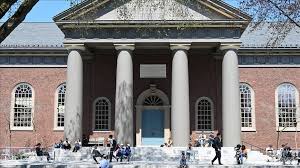 US Colleges See Sharp Drop in New International Student Enrollment">

Significant Decline in International Student Enrollment in US Colleges
This fall, a noticeable 17% decrease in the number of newly enrolled international students at US colleges and universities has been reported, with visa complications and travel restrictions playing leading roles. The decline is especially prominent among Indian students, who constitute the largest international student group in the US. Such reductions not only affect the financial health of educational institutions but also ripple through the broader economy.
Factors Behind the Drop
According to data collected from over 800 US higher education institutions, visa-related worries were cited by 96% of schools experiencing enrollment drops. Additionally, 68% pointed to travel restrictions as a deterrent for prospective international students.
Policies aimed at scrutinizing legal immigration, including stricter visa caps and social media account disclosures, have compounded the challenge. Delays in visa issuance and sometimes revocations have further frustrated students. These hurdles have contributed to growing uncertainty around enrollment among foreign applicants.
Economic Consequences for US Higher Education
International students, who often pay full tuition due to ineligibility for financial aid, have been a crucial revenue stream for many American colleges. This income supports operational costs, balances declining domestic enrollment, and offsets reduced government funding.
In the 2024-2025 academic year, about 1.2 million international students were studying in the US, injecting close to $55 billion into the economy. Therefore, any significant decline risks financial stresses on educational institutions and associated sectors.
Historical Context of International Education in the US
International education has long been a pillar of US colleges, bringing diversity and cultural exchange to campuses while creating economic benefits nationwide. Over decades, the US has been a top destination for students seeking advanced degrees in technology, business, and sciences.
India has historically been a major source of international students, fueling enrollment growth and expanding cultural ties. However, shifts in visa policies and global competition have periodically influenced these trends. The current decline is one of the most pronounced in recent history.
Evolution of Visa Policies Affecting Students
Student visa programs in the US have undergone tightening over the years, with administrations periodically revising regulations to balance national security concerns and economic interests. Enhanced screening measures, such as social media reviews and interview intensifications, aim to vet applicants more thoroughly.
While intended to safeguard interests, these policies sometimes create barriers for legitimate students, inadvertently affecting US colleges’ global appeal.
Impact on International Travel and Tourism
International student movement also ties into wider international tourism patterns. Student arrivals contribute to travel-related sectors such as accommodation, transport, and local businesses. Hence, visa hurdles not only reduce student numbers but also affect tourism flows.
Looking Ahead: Implications for Global Education and Tourism
Should the current trends continue, US institutions might see protracted impacts in their international student populations. This may prompt universities to re-strategize recruitment efforts, possibly enhancing virtual learning or expanding collaborations abroad.
On a global scale, shifts in student flows could alter destination preferences, affecting countries competing for international students and changing educational tourism dynamics. Nations that simplify student visa processes may gain an edge, attracting more youthful travelers and bolstering their local economies.
Potential Strategies for Reversing the Trend
- Streamlining Visa Procedures: Reducing bureaucratic delays and increasing transparency could restore confidence among prospective students.
- Strengthening International Collaboration: Universities might partner with foreign institutions to facilitate credit transfers and dual degrees, making study abroad more accessible.
- Expanding Financial Support: Offering scholarships or financial aid targeted at international students can offset costs and appeal to a broader demographic.
Tables: Enrollment Changes and Key Factors
| Enrollment Change | Percentage of Institutions | Key Contributing Factors |
|---|---|---|
| Increase in International Enrollment | 29% | Less impacted by visa restrictions, regional variations |
| Steady Enrollment | 14% | Maintained student recruitment strategies, diversified sources |
| Decline in Enrollment | 57% | Visa application challenges, travel restrictions |
Visa Application Concerns Among Institutions
- 96% cited visa application problems as a primary cause of declines.
- 68% highlighted travel restrictions.
- Additional delays and denials impact student confidence.
Conclusie
The 17% decrease in newly enrolled international students at US colleges reflects complex challenges tied to visa policies and international travel restrictions. This decline not only undermines educational diversity but threatens significant economic contributions to higher education and the broader economy.
Historically, the US has served as a major hub for global students, particularly from India, whose decrease largely drives current enrollment drops. Looking ahead, adapting immigration policies and enhancing welcoming frameworks for international students will be crucial to reclaiming the US’s position as a top study destination.
For regions that thrive on maritime activities and coastal tourism, such as popular sailing destinations, changes in international travel and student mobility may influence seasonal visitor numbers and related leisure industries. The evolving international education landscape could intertwine with broader travel and tourism markets, including boating and sailing activities in key destination areas.
For tailored yacht and sailing boat rentals in prime maritime locations, the international marketplace GetBoat.com offers a range of options suited to every budget and taste. As tourism and student travel patterns adapt, GetBoat remains ready to serve adventurers seeking sea or lake experiences across renowned boating destinations worldwide.