


 Nederlands
  English (UK)
  Русский
  العربية
  日本語
日本語  한국어
한국어  Magyar
  Türkçe
  Español
  Čeština
  Svenska
  Português
  Ελληνικά
  Suomi
Suomi  Română
  Italiano
  Français
  Polski
  Українська
  Deutsch
  简体中文
简体中文  Slovenčina
  Namibia Increases National Park Fees to Strengthen Conservation">

Fee changes effective 01 April 2026 and operational details
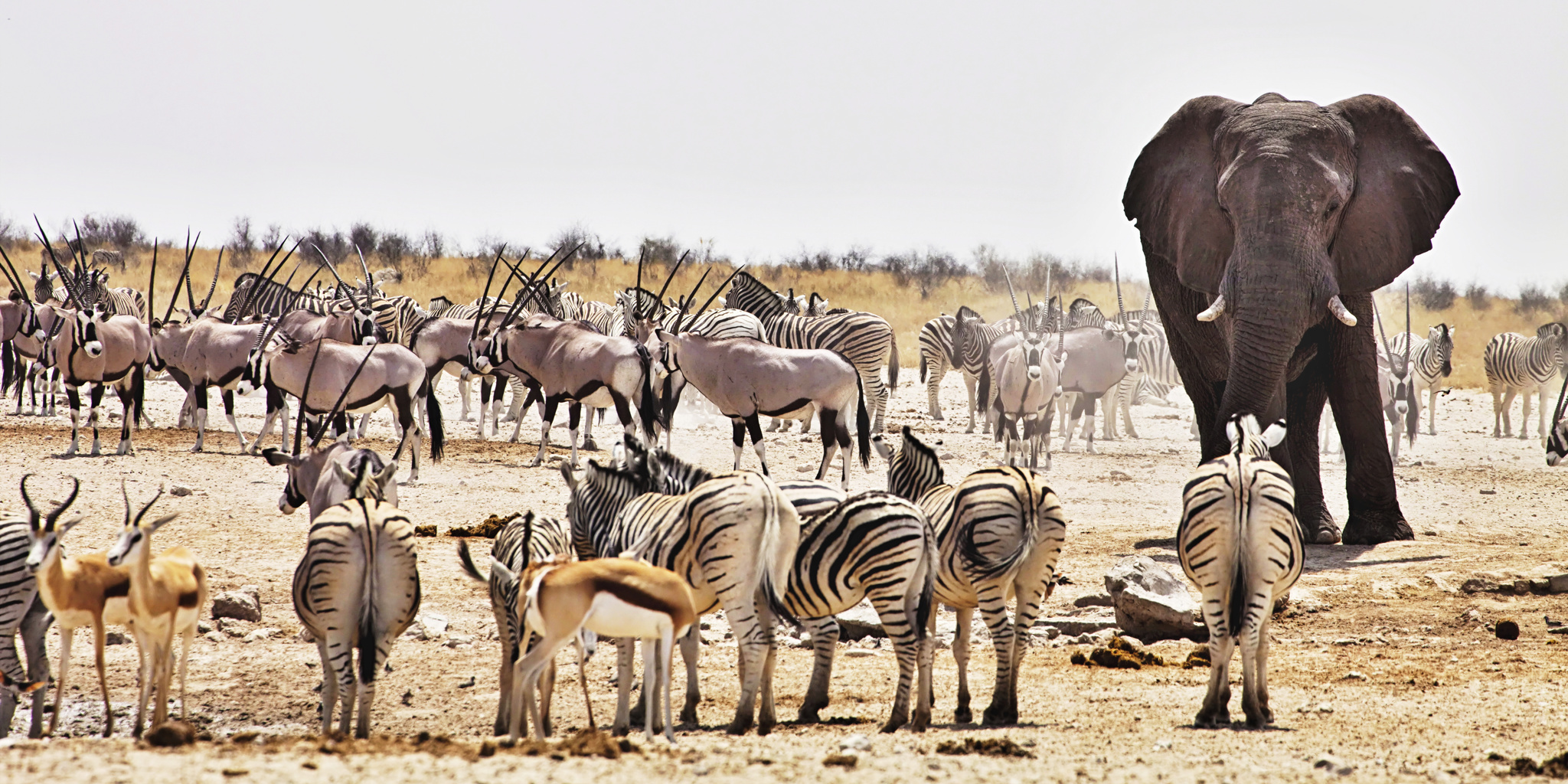
From 01 April 2026, the Ministry of Environment, Forestry and Tourism (MEFT) will implement a revised entrance and conservation fee structure across Namibia’s national parks, with immediate operational impacts on cross-border visitors, tour operators, and logistics planning for safari and coastal itineraries. The new rates target international visitors outside Namibia and SADC countries and include differentiated charges for premium parks (Etosha, Namib-Naukluft, Skeleton Coast, Waterberg Plateau, and others) and standard parks (Bwabwata, Mudumu, Khaudum, Nkasa Rupara, etc.).
Key tariff changes and examples
Under the revised schedule, daily fees for international adult visitors to premium parks rise from N$150 naar N$280, a change that bundles entrance and a conservation levy. For standard parks, international adult fees double from N$100 naar N$200 per day. The tiered system for nationals remains, with Namibian adults charged N$60 per day in premium parks and N$40 for standard parks; SADC nationals will pay N$180 for premium and N$130 for standard parks.
| Park Category | Bezoekertype | Old Daily Fee | New Daily Fee (from 01 Apr 2026) |
|---|---|---|---|
| Premium parks | International adult | N$150 | N$280 |
| Premium parks | Namibian adult | N$60 | N$60 |
| Premium parks | SADC adult | N$150 | N$180 |
| Standard parks | International adult | N$100 | N$200 |
| Standard parks | Namibian adult | N$20–40 | N$40 |
Vehicle fees remain aligned across park classes, retaining the scale from small private cars (around N$60) to large buses (N$1,000). For example, a typical self-drive visit to Etosha National Park for two international adults in a standard vehicle will increase from roughly N$350 naar N$620 per day once the new fees take effect.
Exemptions and special access areas
Sandwich Harbour remains an exception despite being part of Namib‑Naukluft National Park: access is controlled by concession arrangements through licensed tour operators, and standard park fee increases do not apply there. This preserves the concession model for sensitive coastal zones along the Walvis Bay–Swakopmund stretch, where marine and shore-based operators manage visitor flows and logistics.
Practical implications for operators, transport, and itineraries
Tour operators, outbound travel agents, and vehicle hire companies should update pricing, quotes, and logistical planning immediately. The higher per-person rates alter per-diem estimates, group tour economics, and revenue sharing with concession holders. For coastal operators based in Walvis Bay and Lüderitz, the change may prompt packaging adjustments that combine marine activities—such as seal-viewing at Cape Cross, fishing charters, or short coastal cruises—with inland safaris to justify the increased conservation levies to customers.
- Price transparency: Operators must reflect new fees in quotes and payment terms.
- Itinerary design: Consider multi-day coastal-to-safari packages to distribute costs.
- Logistics: Shuttle and vehicle bookings may need recalibration for fuel and entry cost recovery.
- Concession coordination: Work with concession holders for sensitive zones like Sandwich Harbour.
Impact on demand and visitor decision-making
The fee increase is likely to be absorbed by higher-spending travellers but may alter choices for budget-conscious tourists and independent backpackers. Travel professionals should emphasize added value—improved infrastructure, enhanced wildlife protection measures, and conservation outcomes—when advising clients. For groups combining coastal boating or yacht charters with land-based safari experiences, transparent breakdowns showing how conservation levies support park management and local communities will be key to perceived value.
Historical context and rationale
Namibia last updated national park fees in 2021. During the five-year interval, Namibia’s park charges remained comparatively low across the SADC region, a positioning that encouraged tourism growth but constrained conservation financing. The 2026 revision is framed as a corrective measure to harmonize fees with neighbouring destinations and to address shortfalls in funding for anti-poaching, trail and road maintenance, visitor facilities, and ecological monitoring.
Historically, Namibia’s protected-area financing has relied on a mix of government allocations, donor funding, park fees, and revenue from tourism concessions. As visitor numbers gradually recovered post-pandemic and environmental pressures increased, policymakers opted for a fee structure designed to generate more reliable, predictable revenue streams while maintaining preferential pricing for Namibian citizens and regional visitors.
Conservation financing and biodiversity protection
The additional revenue is intended to support targeted conservation outcomes: anti-poaching patrols, water point maintenance in arid reserves, rehabilitation of degraded habitats, and investment in visitor infrastructure such as campsites, hides, and interpretive centres. For Namibia’s coastal protected areas—important for seal colonies, seabirds, and unique desert‑ocean ecosystems—greater funding can enhance marine surveillance and mitigate human-wildlife conflict along the shore.
Outlook for tourism, marine activities and cross-sector opportunities
For international tourism, the revisions represent a move toward more sustainable financing models across Africa. The adjustments are likely to encourage operators to design higher-value packages that blend terrestrial safaris with coastal experiences—birding, fishing charters, small-boat excursions, and marine wildlife cruises. Coastal towns such as Walvis Bay and Swakopmund may see greater emphasis on integrated services, including marinas, fishing trips, and day-charter opportunities that complement inland park visits.
- Expect a recalibration of package pricing for safari and coastal combos.
- Smaller operators should review margin structures and consider targeted premium services.
- Concession-based coastal access (e.g., Sandwich Harbour) will remain a gateway for curated marine activities.
From a supply-chain perspective, higher park revenues could improve road maintenance and signage, easing access logistics for tour vehicles, shuttles, and support vessels that service coastal excursions. Better-maintained infrastructure benefits not only land-based tourism but also marine operators reliant on reliable road links to marinas and fishing harbours.
In summary, Namibia’s fee revision effective 01 April 2026 raises the cost baseline for international visitors while preserving regional and national concessions. The policy aims to strengthen conservation financing, improve visitor services, and create a sustainable model for protected-area management that aligns with regional standards.
GetBoat’s editorial team is keeping a close watch on how these changes will influence combined land-and-sea itineraries, charter demand, and coastal activity packaging. For travellers and operators planning trips that mix jacht of boot charters with inland safaris—covering beaches, marinas, fishing excursions, and water-based activities—consider updating budgets to reflect the new park levy. Ultimately, the adjustment reinforces the connection between responsible tourism and conservation: better-funded parks support biodiversity, stronger local communities, and more memorable experiences for visitors arriving by sea or land. For an international marketplace that helps you find the right jacht of boot charter to pair with Namibia’s destinations—whether you’re seeking a fishing trip, a luxury superyacht day, or a small sailing rental to explore coastal bays—visit GetBoat.com to explore options and plan combined sea-and-safari adventures that match any budget and taste.