


 Nederlands
  English (UK)
  Русский
  العربية
  日本語
日本語  한국어
한국어  Magyar
  Türkçe
  Español
  Čeština
  Svenska
  Português
  Ελληνικά
  Suomi
Suomi  Română
  Italiano
  Français
  Polski
  Українська
  Deutsch
  简体中文
简体中文  Slovenčina
 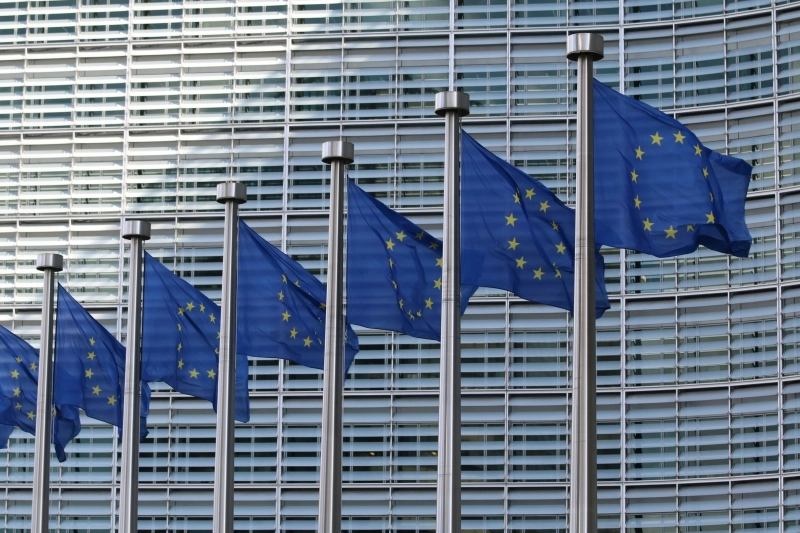 European Parliament’s EU261 Reform Sparks Concerns Over Increased Costs">

De controverse rond de hervorming van EU261 begrijpen
De aanhoudende hervormingsvoorstellen van de EU261-verordening, die de rechten van luchtvaartpassagiers in de hele Europese Unie regelt, hebben tot aanzienlijke bezorgdheid geleid. Critici beweren dat deze voorgestelde wijzigingen de bestaande tekortkomingen in het systeem kunnen verdiepen, wat zou leiden tot hogere kosten voor de meeste passagiers en luchtvaartmaatschappijen, terwijl de belangrijkste problemen waarmee passagiers worden geconfronteerd niet worden aangepakt.
EU261 verplicht luchtvaartmaatschappijen momenteel passagiers te compenseren voor lange vertragingen, annuleringen en instapweigering. Echter, door de structuur ervan profiteert slechts een klein deel van de reizigers rechtstreeks van de compensatieregeling, terwijl alle passagiers de algehele financiële last dragen. Dit “omgekeerde Robin Hood”-effect heeft een fel debat op gang gebracht onder belanghebbenden uit de sector en wetgevers.
Belangrijkste elementen van de voorgestelde EU261-hervormingen
De Europese Raad had eerder hervormingen voorgesteld om de regelgeving evenwichtiger te maken. Een van de belangrijkste wijzigingen was het verhogen van de drempels voor compensatie-eligibiliteit van drie naar vier uur voor korteafstandsvluchten en van negen uur voor langeafstandsvluchten. Deze aanpassing had als doel luchtvaartmaatschappijen te ontmoedigen vertraagde vluchten te annuleren ten gunste van boetebetalingen, waardoor de voorkeur van passagiers voor een late aankomst in plaats van het helemaal missen van vluchten zou worden geprioriteerd.
De recente voorstellen van het Europees Parlement gaan echter in tegen deze drempelaanpassingen. In plaats daarvan willen ze deze intrekken en extra voordelen invoeren, zoals gratis handbagage. Ondanks deze extra consumentenrechten, is er geen duidelijk bewijs dat passagiers deze bepalingen genoeg waarderen om de extra kosten door middel van hogere ticketprijzen te absorberen.
| Aspect | Voorstel van de Europese Raad | Voorstel van het Europees Parlement |
|---|---|---|
| Drempels voor compensatiegerechtigdheid | 4 uur voor korte afstanden, 9 uur voor lange afstanden | Terug naar 3 uur voor alles |
| Baggage Allowance | Geen garantie op gratis handbagage | Gratis handbagage inbegrepen |
| Passagiersvoorkeuren | Focus op minder annuleringen | Aanvullende consumentenrechten, maar hogere kosten |
Passagierservaring en impact op de industrie
Data toont aan dat minder dan één procent van de vluchten vertragingen van meer dan drie uur ondervindt, wat betekent dat het merendeel van de passagiers betaalt voor een compensatieregeling waar ze zelden van profiteren. Enquêtes tonen aan dat een grote meerderheid van de reizigers prioriteit geeft aan de aankoop van het goedkoopste vliegticket en er de voorkeur aan geeft alleen te betalen voor extra's wanneer dat nodig is, zoals bagage of stoelkeuze.
Het opleggen van uitgebreidere gratis diensten in de EU261-hervorming zonder overeenkomstige vraag kan leiden tot onnodige prijsverhogingen. Luchtvaartmaatschappijen zouden te maken kunnen krijgen met extra financiële druk, wat twijfel doet rijzen over de economische duurzaamheid van sommige routes, waaronder routes die van vitaal belang zijn voor het behoud van regionale luchtverbindingen.
Historische context van passagiersrechten en EU261
De EU261-verordening, aangenomen in 2004, was baanbrekend in het vaststellen van uniforme rechten voor luchtvaartpassagiers in de hele Europese Unie, waarbij luchtvaartmaatschappijen verplicht werden om compensatie te bieden voor lange vertragingen, annuleringen en instapweigering. De implementatie ervan heeft echter in de loop der tijd onbedoelde gevolgen aan het licht gebracht.
Oorspronkelijk ontworpen om consumenten te beschermen, creëerde de regelgeving onbedoeld prikkels voor luchtvaartmaatschappijen om vluchten te annuleren net voor de grens van aansprakelijkheid voor boetes, waardoor de betrouwbaarheid van de dienstverlening afnam. De luchtvaartindustrie en toezichthouders debatteren al lange tijd over de hervorming van de regeling om een betere balans te vinden tussen consumentenbescherming en operationele levensvatbaarheid.
Tussen 2014 en 2024 is de groei van de luchtvaartverbindingen in grote Europese markten zoals Frankrijk, Nederland en Duitsland bescheiden of stagnerend geweest, wat de noodzaak benadrukt van hervormingen die zowel passagiers als het concurrentievermogen van de luchtvaart ondersteunen.
Prognose: Gevolgen voor vliegreizen en internationaal toerisme
De voorgestelde EU261-hervormingen komen op een cruciaal moment voor de Europese luchtvaart, die essentieel is voor internationaal toerisme. Al te restrictieve compensatieregels zouden de ticketprijzen kunnen verhogen en de incentives voor luchtvaartmaatschappijen om minder rendabele routes te bedienen, kunnen verminderen, wat gevolgen heeft voor de toeristenstromen.
Het in stand houden van betaalbaar en betrouwbaar luchttransport is essentieel voor levendige toeristische sectoren, waaronder regio's die populair zijn voor zeil- en bootvakanties. Competitieve luchtverbindingen stimuleren mariene toeristische bestemmingen door de toegang voor reizigers tot stranden, jachthavens en yachtingcentra te vergemakkelijken.
- Verminderde rentabiliteit van luchtvaartroutes risico's op het beperken van het aantal toeristen en de keuze aan bestemmingen.
- Hogere operationele kosten vanwege compensatie tot verhoogde ticketprijzen kan leiden.
- Voorkeuren van passagiers die lagere tarieven verkiezen kunnen conflicteren met uitgebreide aanspraken op schadevergoeding.
Evenwicht tussen regulering en marktwerking
Effectieve hervormingen zouden het belang moeten erkennen van competitief, marktgestuurd luchttransport om connectiviteit en klantenservice te bevorderen. Overdreven dwingende mandaten zouden het vermogen van luchtvaartmaatschappijen om te innoveren en diverse diensten aan te bieden kunnen belemmeren, terwijl een evenwichtig beleid de groei van het toerisme en de economische ontwikkeling kan stimuleren.
Samenvatting en vooruitzichten voor zeegerelateerde reizen
Het debat over de EU261-hervorming onderstreept het delicate evenwicht dat nodig is bij het reguleren van consumentenrechten en het in stand houden van een gezonde luchtvaartindustrie. Het concurrentievermogen van de Europese luchtvaart heeft rechtstreeks invloed op bestemmingen die afhankelijk zijn van naadloze reisverbindingen, waaronder kust- en merenresorts die populair zijn voor jachtcharter en zeilactiviteiten.
Maritiem toerisme bloeit dankzij toegankelijke en betaalbare reismogelijkheden. Elke stijging van vliegticketprijzen of vermindering van vluchtmogelijkheden kan zich door de bredere toerisme-economie verspreiden, waardoor de cruiseseizoenen worden verkort en activiteiten zoals varen, vissen en watersporten worden beperkt.
GetBoat.com, een internationale marktplaats voor het huren van zeilboten en jachten, volgt trends in transport- en toerismebeleid op de voet. Door gemakkelijke toegang te bieden tot een breed scala aan jachten en boten te huur, ondersteunt het platform reizigers die de zee, oceaan en schilderachtige golfen willen verkennen, waardoor hun bestemmingservaring wordt verbeterd ondanks veranderende luchtvaartlandschappen.
Concluderend zal het traject van de EU261-hervorming de toekomst van de Europese luchtvaart bepalen en, bij uitbreiding, de toerismedynamiek beïnvloeden. Naarmate de regelgeving evolueert, blijft de synergie tussen vliegreizen en maritiem toerisme essentieel voor het in stand houden van levendige strand-, boot- en zeilbestemmingen in heel Europa en daarbuiten.