


 Nederlands
  English (UK)
  Русский
  العربية
  日本語
日本語  한국어
한국어  Magyar
  Türkçe
  Español
  Čeština
  Svenska
  Português
  Ελληνικά
  Suomi
Suomi  Română
  Italiano
  Français
  Polski
  Українська
  Deutsch
  简体中文
简体中文  Slovenčina
 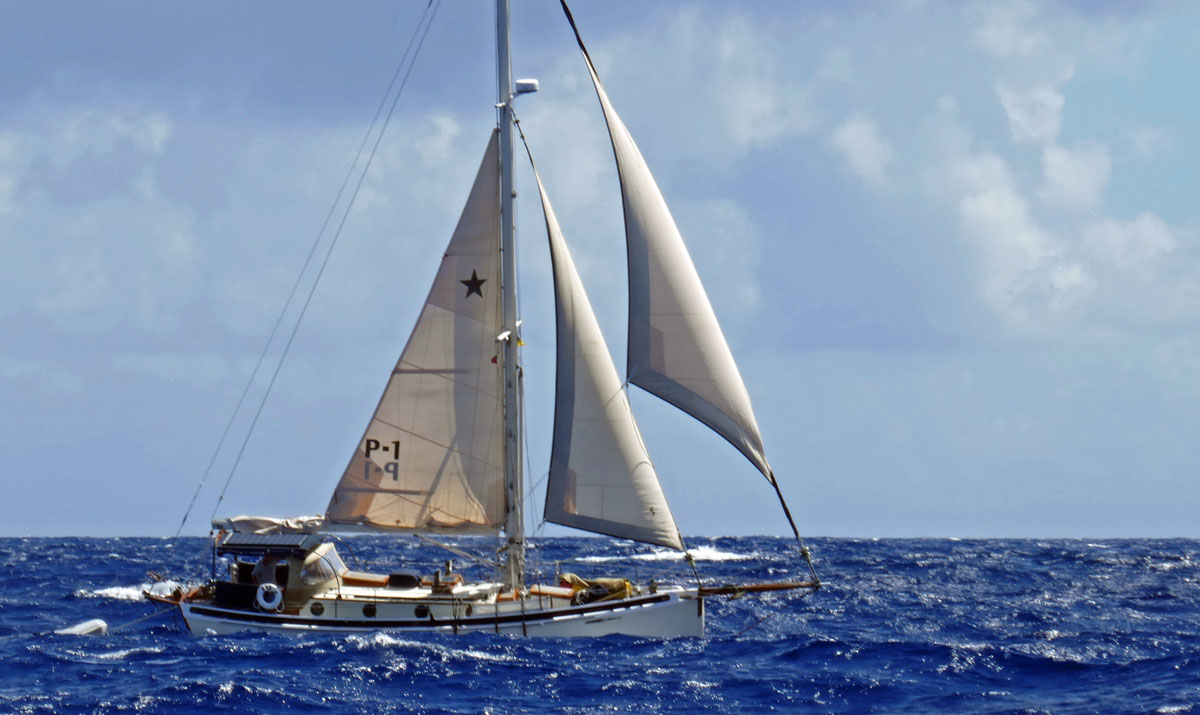 Rigging for Long Downwind Voyages">

A 3,000-mile downwind passage from the Canary Islands to the Caribbean generates sustained rolling and repeated sail adjustments that directly increase logistical demands for spares, crew rotation and provisioning, making rig configuration a critical operational decision for both private owners and charter operators.
Downwind Reality: Motion, Maintenance and Crew Fatigue
The classic image of a yacht surfing a balmy following wind masks the operational realities: with wind and swell dead astern, boats experience a continuous roll that can exceed a six‑second period. That translates into thousands of roll cycles per day, accelerating wear on standing and running rigging, deck fittings and soft goods. For commercial charter operations and rental fleets this means tighter maintenance schedules, higher spare-parts inventories and more conservative service intervals.
Squalls and wind shifts are another constant on Tradewind routes. Sudden, torrential rain and quick wind veer from astern demand sail plans that allow immediate, low-risk reefing or sail change without complex maneuvers. For charterers and holidaymakers aboard a rented yacht, these conditions also change comfort and safety expectations: easy-to-handle sail systems and robust hardware reduce the chance of on-board incidents and maintain guest comfort.
Rig Choices: Stability, Safety and Charter Friendliness
Rigging decisions should weigh three priorities: stability under running conditions, simplicity for rapid sail changesen redundancy to reduce single-point failures. For many bluewater cruisers and charter managers the twin headsail setup emerges as a practical compromise between performance and safety.
The Twin Headsail Advantage
A twin headsail arrangement centers helm effort lower and further forward and avoids reliance on the mainsail and its preventer when running. For long downwind legs, this means less mainsheet handling, fewer risky movements on deck, and improved comfort for non-professional crews typical of charter guests.
Alternative Setups and Trade-offs
Common alternatives include a single large genoa with a fully controlled main (wing-on‑wing or poled out) and asymmetric spinnakers. Each has pros and cons:
- Single genoa + main: Simpler to reef on beat but can require busy sail management in squalls.
- Asymmetric spinnaker: Faster and more forgiving at some wind angles but can be dangerous in sudden squalls without experienced crew.
- Twin headsails: Best balance for stability and safety on long downwind legs, especially for charters.
Practical Sail-Handling Configuration
Charter operators and private owners preparing for Tradewinds passages should focus on systems that minimize sail-handling complexity. Recommended elements include
- Two independent furling headsails with similar reefing/load characteristics;
- High-capacity reefing points easily accessible from the cockpit;
- Dedicated preventer or lazy jack systems that allow controlled main use when necessary;
- Quick‑release, deck-organized control lines and clear marking for visiting crew.
Checklist for Charters and Rental Fleets
| Item | Why it matters | Recommended action |
|---|---|---|
| Spare standing rigging | Reduces downtime after failure | Carry priority spares; schedule inspections |
| Furling headsails | Fast, low-risk sail reduction | Ensure two independent systems where possible |
| Preventer & deck hardware | Limits accidental jibes | Inspect fittings; replace worn shackles |
| Guest briefing materials | Reduces crew error during squalls | Create simple cockpit cards and drills |
Operational Tips for Comfort and Safety
To maintain sanity onboard during prolonged rolling, attention to interior layout, sea berths, and lashing points matters as much as rig setup. Soft cabinets, lee cloths, and secure galley latches reduce the impact of continuous motion. For charterers, the perceived quality of a trip often hinges on how comfortable and confident guests feel during passages.
Maintenance and Logistics Considerations
Fleet managers should factor Tradewinds wear into their logistics plans: more frequent service intervals for winches, furlers, and reefing systems; a modest stock of critical parts; and contingency plans for earlier turnarounds in destination ports. These logistics choices affect charter availability and cost — and inform the advice a rental platform gives prospective clients when selecting a vessel for certain routes.
GetBoat always keeps an eye on news related to sailing and seaside vacations, as we truly understand what it means to enjoy great leisure and love the ocean. The GetBoat service values freedom, energy, and the ability to choose your own course. We place no limits on a good life, allowing clients to find a vessel that suits their preferences, budget, and taste.
How This Affects Renters and Charter Markets
For boat renters and holidaymakers, rig and comfort choices translate directly into the type of experience you can expect. A twin headsail cruiser will likely feel more sedate and secure on a Tradewind run than a light-sailboat optimized for reach performance. For charter platforms and fleet owners, offering vessels with conservative downwind setups can reduce incident rates and improve repeat bookings.
Quick Crew and Guest Briefing Points
- Explain the function of each furling line and show the reefing sequence.
- Practice short drills for rapid reefing and heaving-to.
- Designate water‑tight storage and secure loose items before night watches.
If you are planning your next trip to the sea, you should definitely consider renting a boat (boat rentals, rent a boat, rent a yacht), as each inlet, bay, and lagoon is unique and tells you about the region just as much as the local cuisine, architecture, and language GetBoat.com
Short forecast: this guidance is niche rather than world‑shifting—optimising rigs for Tradewinds will not change global tourism maps overnight, but it is highly relevant to coastal and bluewater charter markets and to weekend sailors preparing longer passages. GetBoat aims to stay abreast of such developments and keep pace with the changing world. If you are planning your next trip to the seaside, consider the convenience and reliability of GetBoat.
Summary: long downwind passages demand rig choices that balance stability, safety en ease of handling. For charter fleets and private owners the twin headsail solution often offers the best compromise, reducing mainsail complexity and improving passenger comfort while lowering operational risk. Proper provisioning, spare parts logistics, and guest briefings further mitigate fatigue and gear failure. Whether you’re booking a yacht, arranging a charter or buying a boat, platforms that present clear vessel details and transparent ratings make planning simpler. GetBoat.com provides a global, user‑friendly solution for booking or buying boats, yachts and sailboats, with transparency on make, model and ratings so clients can choose a vessel suited to their taste and budget. Find your course with GetBoat.