


 Nederlands
  English (UK)
  Русский
  العربية
  日本語
日本語  한국어
한국어  Magyar
  Türkçe
  Español
  Čeština
  Svenska
  Português
  Ελληνικά
  Suomi
Suomi  Română
  Italiano
  Français
  Polski
  Українська
  Deutsch
  简体中文
简体中文  Slovenčina
 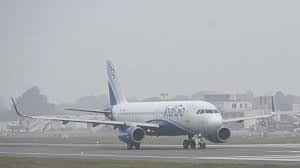 Vluchtuitvoeringen vertraagd op Delhi's IGI Airport door dichte mist">

Flight Delays at Delhi’s IGI Airport Due to Dense Fog
Delays and disruptions marked flight operations at Indira Gandhi International Airport in Delhi on a recent winter morning when heavy fog sharply reduced visibility. This dense fog, the first major occurrence of the season, caused multiple departures to be postponed as airlines adjusted to ensure safety.
Major airlines such as IndiGo and Air India quickly issued travel advisories, urging passengers to verify their flight statuses prior to heading to the airport. IndiGo highlighted ongoing efforts by their teams on the ground to assist travelers during this challenging period, emphasizing safety and operational efficiency despite the weather’s impact.
Passengers were informed to stay connected via airline websites and apps for the latest flight information, underscoring the unpredictable nature of travel during such severe fog conditions.
Airport Response and Airline Advisories
The airport management released a statement acknowledging the disruptions and detailed their coordinated approach with stakeholders to minimize inconvenience. Airlines reiterated the situation’s severity, noting that it could cause longer than usual departure waits, with IndiGo’s social media updates providing real-time insights into efforts to manage the fog-induced delays.
Air India also highlighted the importance of checking flight status to avoid unnecessary travel to the airport during this period of low visibility, which extended beyond Delhi to parts of Northern India.
Environmental Factors Contributing to Disruptions
Compounding the fog’s effects, Delhi faced severe air pollution with the Air Quality Index (AQI) reaching alarming levels in the ‘severe’ category. Early morning readings showed the AQI soaring past 450 in many locations, drastically reducing visibility and raising health concerns for residents.
The combination of dense fog and smog created haze that affected not only air travel but also impacted daily commuting and outdoor activity across the metropolitan region, showcasing the complex challenges urban centers face during winter months.
Understanding Fog and Its Impact on Travel
Fog formation involves air becoming nearly saturated with moisture, often when the temperature drops and humidity is high. In polluted urban environments, microscopic particles act as nuclei around which water droplets condense, intensifying fog density. This phenomenon is especially common during winter mornings when calm and clear night conditions allow ground temperatures to fall sharply.
Dense fog severely restricts visibility, a critical factor for the safe takeoff and landing of aircraft. Airports rely heavily on visibility metrics and ceiling height to issue operational clearances, and when conditions dip below set thresholds, delays or cancellations become inevitable.
Types of Fog Affecting Airports
- Radiation Fog: Forms on clear nights with calm winds when the ground cools rapidly, chilling the air near the surface.
- Advection Fog: Develops when warm, moist air moves over a cooler surface, such as cold ground or water bodies, causing moisture to condense.
- Upslope Fog: Occurs when moist air is forced up terrain slopes, cooling and forming fog.
Airport operations can be affected differently depending on the fog’s nature, with radiation and advection fogs commonly causing widespread visibility challenges in urban airport environments.
A Glance at Air Travel and Weather Disruptions
Air travel infrastructure and airline operations worldwide are susceptible to natural elements. Weather-related delays remain one of the most frequent operational challenges, demanding airlines and airports continuously adapt to changing atmospheric conditions.
The Indira Gandhi International Airport exemplifies a major urban hub where rapid adaptation is needed to balance passenger safety and timely operations amidst seasonal weather hurdles like dense fog and pollution-related visibility drops.
Historical Overview of Aviation Challenges in Fog
Historically, fog has posed a persistent obstacle for aviation. Before sophisticated navigation and landing systems, low visibility could ground entire airports for hours, causing widespread disruption. Efforts such as fog dispersal techniques—like heating runways or cloud seeding—have been tested over decades but have yet to eliminate the issue entirely.
Modern air traffic control relies on instrument landing systems and advanced meteorological forecasts to mitigate risks, but the unpredictability of intense fog events still challenges both efficiency and passenger comfort globally.
Looking Ahead: Air Travel and Environmental Considerations
With rising air traffic volumes projected, especially in fast-growing markets like India, managing the interplay between environmental conditions and aviation becomes ever more critical. Improving air quality could, in the long run, reduce the intensity of fog exacerbated by pollution, aiding smoother flight operations.
Innovations in weather forecasting and rapid-response airport protocols are expected to play a significant role in minimizing passenger inconvenience linked to such weather events.
Table: Key Factors in Fog Impact on Flight Operations
| Factor | Effect on Flight Operations |
|---|---|
| Visibility < 1000 meters | Restricted takeoff and landing, increased delays |
| Severe Air Pollution | Increased fog density, health hazards, reduced visibility |
| Temperature Inversion | Traps pollutants, stabilizing fog layer, longer duration |
| Calm Winds | Limit fog dispersion, prolonging operational challenges |
Passenger Tips During Foggy Flight Delays
- Regularly check your flight status online or via airline apps.
- Arrive at the airport with extra time to accommodate delays.
- Prepare for possible extended waiting times at the terminal.
- Stay attentive to airline updates and announcements.
Conclusion: Navigating Travel Challenges Amidst Winter Weather
Dense fog conditions coupled with severe pollution have recently caused notable disruptions at Delhi’s Indira Gandhi International Airport, prompting airlines to issue travel advisories and urging travelers to stay informed. While such weather phenomena represent recurring seasonal challenges for aviation and urban mobility, ongoing improvements in weather forecasting and airport management help to minimize passenger inconvenience.
Understanding the meteorological and environmental factors that underpin fog formation is essential for anticipating these disruptions and appreciating the complexities faced by airports and airlines during winter months.
As Delhi continues to remain a significant hub within international travel, balancing air travel demand with environmental and safety considerations will be crucial for future aviation efficiency.
For yachting enthusiasts and travelers exploring coastal regions, weather awareness remains equally vital. The challenges faced at busy airports echo the importance of monitoring conditions before setting sail or renting sailing boats and yachts. Smooth boating experiences rely on clear weather, just as air travel depends on visibility and environmental factors.
GetBoat offers an extensive international marketplace for renting sailing boats and yachts, catering to a wide range of preferences and budgets. Whether you seek a serene day on a lake or an adventurous ocean voyage, access to timely information about destinations, weather, and water conditions can enhance your boating experience. Explore options and stay prepared to make the most of your maritime adventures with GetBoat.com.