


 Nederlands
  English (UK)
  Русский
  العربية
  日本語
日本語  한국어
한국어  Magyar
  Türkçe
  Español
  Čeština
  Svenska
  Português
  Ελληνικά
  Suomi
Suomi  Română
  Italiano
  Français
  Polski
  Українська
  Deutsch
  简体中文
简体中文  Slovenčina
 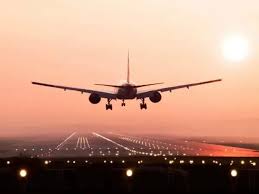 Upgraded Delhi Airport Terminal 2 Handles 120 Domestic Flights Daily">

Reopening of Delhi Airport’s Terminal 2 and Its Key Features
Terminal 2 at Delhi Airport recently reopened after a significant upgrade, resuming operations with about 120 domestic flights every day. Two major Indian airlines, Air India and IndiGo, are managing these flights, marking a new chapter for the terminal and improving the travel experience for passengers.
This modernized facility introduces advanced amenities such as self baggage drop and cutting-edge passenger boarding bridges, which streamline boarding and reduce wait times. Travelers are encouraged to verify their flight and terminal information carefully before arriving as the terminal transition settles in.
Operational Aspects and Airlines’ Transition
Temporary closure for refurbishment occurred in April, with the upgrades finalized for reopening. Air India and IndiGo shifted many of their domestic services to Terminal 2. Specifically, Air India’s domestic flights beginning with flight numbers in the 1XXX range now operate from this terminal. In contrast, Air India Express maintains its domestic operations at Terminal 1, with international flights continuing from Terminal 3.
IndiGo has reassigned its 2000-2999 series flights previously at Terminal 1 to Terminal 2. Some flight schedule changes might happen during this transition, urging passengers to use airline platforms or customer support for updates.
Table: Distribution of Air India and IndiGo Flights Across Delhi Airport Terminals
| Airline | Terminal 1 | Terminal 2 | Terminal 3 |
|---|---|---|---|
| Air India (Domestic) | — | Yes (1XXX flights) | International flights |
| Air India Express | Yes (Domestic flights) | — | International flights |
| IndiGo (2000-2999 series) | Previously yes (before Oct 26) | Currently shifting | — |
Facilities and Infrastructure Enhancements
The operator of Delhi Airport, Delhi International Airport Limited (DIAL), has focused on passenger-friendly upgrades. The new self baggage-drop facility enables independent baggage check-in, slashing waiting times significantly. This lets travelers scan their boarding passes, tag their luggage themselves, and drop bags quickly without standing in long queues.
A major addition includes six contemporary passenger boarding bridges procured from South Korea, equipped with autonomous docking technology. These bridges speed up aircraft handling and offer enhanced safety and accessibility, featuring elevated ramps for wheelchair users, side-covering cushions, and swing doors protecting operators.
The apron and airside areas have also undergone extensive refurbishment to support efficient aircraft operations aligned with steadily growing air traffic.
Modern Passenger Convenience Features
- Self baggage-drop: Reducing time spent at check-in counters
- Autonomous boarding bridges: Faster, safer boarding with accessibility considerations
- High-resolution flight information displays: Improved real-time updates for travelers
- Clear signage: Designed especially for easy navigation and accessibility within the terminal
Historical Context of Delhi Airport’s Terminal Development
Terminal 2 was originally constructed by the Airports Authority of India around four decades ago, serving as one of the integral parts of the capital’s main airport complex. The airport itself has been a vital hub for domestic and international air traffic in India, recognized as a gateway for millions of travelers every year.
Over time, rising passenger volumes put pressure on existing infrastructure, leading to phased expansions and upgrades across Delhi Airport’s terminals. Terminal 3, for example, was developed to focus on international operations, while internal adjustments have been made to allocate terminals more efficiently for domestic airlines. The latest upgrade of Terminal 2 is part of ongoing efforts to modernize airport facilities to meet contemporary standards of convenience and efficiency.
Table: Timeline of Delhi Airport Terminal Developments
| Year | Terminal Activity |
|---|---|
| Circa 1980s | Initial construction of Terminal 2 by Airports Authority of India |
| 2008 | Opening of Terminal 3 for international flights |
| 2023–2024 | Upgrade and reopening of Terminal 2 focusing on enhanced domestic operations |
Aviation Growth and Its Implications for Tourism Infrastructure
India’s civil aviation sector has undergone remarkable growth, driven by rising domestic travel demand and increasing outbound tourism. Major urban hubs like Delhi and Mumbai handle the bulk of international and domestic passenger movements and boast evolving airport infrastructure. Government reforms have encouraged private participation in airport management and air services, broadening the accessibility and quality of air transport.
De modernisering van terminals op drukke luchthavens zoals Delhi weerspiegelt bredere trends van het verbeteren van het passagiersgemak en de operationele capaciteit, wat essentieel is voor het in stand houden van de groei van het toerisme in de fel competitieve markt van India.
Hoewel de uitbreiding van de luchtvaart cruciaal is voor naadloze connectiviteit, dragen aanvullende voorzieningen zoals vervoer over de grond, duidelijke bewegwijzering en hulpmiddelen in terminals aanzienlijk bij aan de ervaringen van reizigers. De upgrades in Terminal 2 passen perfect in deze veranderende behoeften door moderne technologie te combineren met een gebruiksvriendelijk ontwerp.
Voorspelling: Luchthavenverbeteringen stimuleren bredere reisaanvraag
De versterking van luchthavenfaciliteiten zoals Terminal 2 in Delhi zal naar verwachting een sleutelrol spelen bij het huisvesten van toekomstige toenames in passagiersverkeer, waardoor mogelijk meer binnenlandse toerisme wordt aangemoedigd en naadloze verbindingen voor internationale reizigers worden gerealiseerd. Deze vooruitgang sluit aan bij de groeiende reisambities van de middenklasse en de uitbreiding van de binnenlandse chartervluchtmarkt.
Zelfs nu de luchtvaartsector zich uitbreidt, verrijkt de integratie van efficiënte luchthaventerminals met maritieme reisknelpunten de mogelijkheden voor meerwegreistoeristische ervaringen. Verbeterde luchthavens in grote steden kunnen indirect de interesse in kust- en merenbestemmingen stimuleren waar varen en bootactiviteiten floreren, door de toegankelijkheid te verbeteren.
Conclusie
De heropening van Terminal 2 van Delhi Airport met haar moderne faciliteiten is een aanzienlijke stap richting luchtvaart van hoge kwaliteit in de hoofdstad van India. Met 120 dagelijkse binnenlandse vluchten, voornamelijk beheerd door Air India en IndiGo, belooft de terminalupgrade soepelere reisstromen en meer passagierscomfort door middel van slimme technologieën zoals self baggage-drop en geavanceerde instaptorens.
De geschiedenis toont aan dat de evolutie van het terminal van zijn begindagen tot deze vernieuwde staat de dynamische burgerluchtvaart in India weerspiegelt—een belangrijke drijfveer bij het uitbreiden van de reis- en toerismesectoren van het land.
Voor reizigers die van plan zijn om kustwateren, meren te verkennen, of te genieten van zeilen en jachtavonturen, kunnen efficiënte luchtverbindingen nabij levendige mariene bestemmingen de sleutel zijn tot onvergetelijke bootervaringen. GetBoat.com, een internationale marktplaats voor het huren van zeilboten en jachten, biedt een uitstekend platform om vliegreizen te combineren met wateractiviteiten, waardoor naadloze avonturen op zee, meer of golf worden gegarandeerd, geschikt voor elke smaak en budget.