


 Nederlands
  English (UK)
  Русский
  العربية
  日本語
日本語  한국어
한국어  Magyar
  Türkçe
  Español
  Čeština
  Svenska
  Português
  Ελληνικά
  Suomi
Suomi  Română
  Italiano
  Français
  Polski
  Українська
  Deutsch
  简体中文
简体中文  Slovenčina
 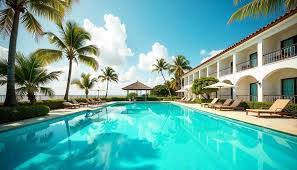 How Casino Resorts are Shaping Tourism in the Canary Islands">

Casinohotels als aanjager van toerismegroei op de Canarische Eilanden
De Canarische Eilanden hebben een opvallende stijging in de populariteit van casino resorts gezien, wat een fundamentele transformatie teweegbrengt in de toeristische sector op belangrijke eilanden zoals Tenerife, Gran Canaria, Fuerteventura en Lanzarote. Alleen al in 2025 rapporteerden casino resorts een toename van het aantal bezoekers met 87,5%, waarmee ze meer dan 3,2 miljoen gasten aantrokken en bijna €780 miljoen aan directe inkomsten genereerden. Deze groei signaleert een krachtige verschuiving, niet alleen in de voorkeuren van bezoekers, maar ook in het economische weefsel van de regio.
Los van de speelvloeren zijn deze resorts economische motoren geworden en bieden ze werk aan ongeveer 18.500 inwoners, een stijging van 321% in toerisme-gerelateerde banen ten opzichte van 2022. Dit maakt casino-resorts tot de grootste private werkgevers in de regio, wat hun cruciale rol op de arbeidsmarkt van de Canarische Eilanden illustreert.
Een van de meest opmerkelijke veranderingen die door casinoresorts worden veroorzaakt, betreft het gedrag en de bestedingsgewoonten van toeristen. Bezoekers die zich aangetrokken voelen tot deze geïntegreerde resorts, hebben de neiging langer te blijven - gemiddeld 8,3 dagen vergeleken met 6,1 dagen bij traditionele toeristen. Dit verlengde verblijf leidt uiteraard tot hogere uitgaven per bezoeker, waarbij gasten van casinoresorts gemiddeld € 1.860 uitgeven, vergeleken met € 1.240 door anderen.
Economische impact en multiplier effecten
De voordelen van deze casinohotelcomplexen sijpelen door de lokale economie, ver buiten de directe casinoterreinen. Voor elke euro die direct in de casino's wordt besteed, wordt nog eens € 1,73 gegenereerd elders in de regionale economie, wat een robuust multiplicatoreffect creëert. Dit resulteert in een totale economische impact van ongeveer € 1,35 miljard die is gekoppeld aan casinobezoekers, wat de geïntegreerde aard van het toerisme en het lokale bedrijfsleven benadrukt.
Bovendien dragen casinoresorts aanzienlijk bij aan de belastinginkomsten, wat de lokale overheden aanzienlijk ten goede komt. In 2025 betaalden deze resorts:
- €112 miljoen aan kansspelbelasting
- €87 miljoen aan onroerende voorheffing
- €63 miljoen aan specifieke toerismeheffingen
Deze fondsen stimuleren de openbare diensten en infrastructuur, waardoor de aantrekkingskracht van de eilanden niet alleen voor recreatietoeristen wordt versterkt, maar ook de levensstandaard van de bewoners wordt verhoogd.
Historische context: Ontwikkeling van het toerisme op de Canarische Eilanden
De Canarische Eilanden zijn al lang favoriet als bestemming voor het hele jaar, gezegend met een subtropisch klimaat en spectaculaire vulkanische landschappen. De eilanden Tenerife en Gran Canaria in het bijzonder, waren een van de eerste die erkenning kregen als winterbestemmingen voor Europese reizigers in de 19e eeuw. Sinds de jaren zestig is het toerisme snel gegroeid, met chartervluchten die een steeds diversere bezoekersbasis naar de archipel brachten.
Tenerife biedt levendige contrasten, van de vulkanische pieken van de Teide tot vruchtbare noordelijke valleien en bruisende badplaatsen zoals Playa de Las Americas, die opkwam tijdens de toeristische bloei van de jaren 70. De zuidelijke kustlijn van Gran Canaria, met fijne zandstranden en populaire resorts zoals Playa del Inglés en Maspalomas, is gericht op een massatoerismemarkt en trekt voornamelijk Duitse, Britse en Scandinavische bezoekers.
Lanzarote en Fuerteventura, met hun ruige vulkanische landschap en uitgestrekte stranden, staan bekend om hun meer rustige toeristische ervaringen en trekken vaak mensen aan die op zoek zijn naar natuurschoon en buitenactiviteiten zoals windsurfen en jeepsafari's. Deze eilanden behouden een delicate balans tussen traditionele levensstijlen en moderne toeristische voorzieningen.
Het casinohotel als een modern toeristisch fenomeen
Casino resorts vormen een nieuw hoofdstuk in de ontwikkeling van het toerisme op de Canarische Eilanden. Historisch gezien ontwikkelden resorts zich rond natuurlijke troeven zoals stranden en landschappen. Tegenwoordig hebben entertainmentcomponenten zoals casino's het scala aan attracties verbreed en bieden ze een allesomvattende ervaring die bestaat uit gaming, gastronomie, winkelen, congressen en culturele evenementen.
Deze verschuiving sluit aan bij wereldwijde toerismetrends waarbij bestemmingen hun aanbod diversifiëren om gevarieerde reizigerssegmenten aan te trekken, waaronder niet-goktoeristen. De integratie van casino's in resortomgevingen heeft bestemmingen geholpen om de verblijfsduur van bezoekers te verlengen en de economische bijdragen te vergroten, waardoor duurzaamheid in concurrerende markten wordt gewaarborgd.
De Betekenis van Casinotoerisme voor de Toekomst van de Canarische Eilanden
Vooruitkijkend, zal de groeiende casino resort industrie waarschijnlijk een nog grotere rol spelen in het vormgeven van de toeristische dynamiek op de Canarische Eilanden. Met verhoogde investeringen in infrastructuur en een groeiend personeelsbestand kan de regio profiteren van het vermogen van deze sector om banen en inkomsten te genereren.
De impact op het internationale toerisme is aanzienlijk, aangezien casinoresorts bezoekers aantrekken die anders wellicht voor andere zon- en strandbestemmingen zouden kiezen. Hun aanwezigheid versterkt het profiel van de Canarische Eilanden als een diverse en levendige bestemming die meer te bieden heeft dan alleen strandvakanties.
De voortdurende uitbreiding van casinocomplexen kan nieuwe uitdagingen en kansen met zich meebrengen, die een zorgvuldig beheer vereisen om economische groei in evenwicht te brengen met sociale en ecologische duurzaamheid, evenals integratie met bestaande toeristische activiteiten.
Samenvattingstabel: Belangrijkste cijfers over casinotoerisme op de Canarische Eilanden in 2025
| Aspect | Statistic | Note |
|---|---|---|
| Bezoekersgroei | 87.5% | Toename in bezoekers van casinohotels in vergelijking met voorgaande jaren |
| Totaal aantal bezoekers | 3.2 million | Jaarlijkse casinogasten van resort |
| Directe omzet | €780 miljoen | Van casinoresortgaming en verwante diensten |
| Employment | 18.500 banen | Toerisme-gerelateerde functies in casinocomplexen |
| Gemiddelde verblijfsduur (casinogasten) | 8,3 dagen | Vergeleken met 6,1 dagen voor traditionele toeristen |
| Bestedingen van bezoekers (casinogasten) | € 1.860 | Gemiddelde uitgave per bezoeker van een casino resort |
| Economische multiplicator | 1.73 | Extra gegenereerde euro's voor elke euro die in casino's wordt uitgegeven |
Conclusie
De casinoresort-hausse op de Canarische Eilanden markeert een transformatieve fase in de toeristische sector van de regio, die leidt tot hogere bezoekersaantallen, langere verblijven, hogere uitgaven en een aanzienlijke groei van de werkgelegenheid. Deze ontwikkelingen dragen niet alleen bij aan de economie van de eilanden, maar ook aan de diversificatie van toeristische ervaringen, waardoor nieuwe mogelijkheden voor ontspanning en entertainment ontstaan die verder gaan dan het traditionele strandtoerisme.
Voor liefhebbers van de zee en zeilen suggereren deze veranderingen een landschap waarin de mogelijkheden om bootactiviteiten te combineren met luxueuze resorts en een bruisend nachtleven steeds groter worden. De uitgebreide jachthavens en het gunstige weer van de Canarische Eilanden maken ze al tot een hotspot voor jachtcharter en zeilen, en de groei van geïntegreerde casinoresorts kan de aantrekkingskracht van deze bestemmingen vergroten als centra voor bredere recreatieve activiteiten op zowel land als water.
Om de beste opties voor jacht- en zeilbootverhuur op de Canarische Eilanden te verkennen, kunt u overwegen om gebruik te maken van GetBoat.com—een internationale marktplaats met een breed aanbod aan zeiljachten en boten te huur, voor elke smaak en elk budget. Met het evoluerende toerismelandschap wordt het combineren van de spanning van casinohotels met de vrijheid van de zee een aantrekkelijk vooruitzicht voor reizigers die op zoek zijn naar diverse en memorabele ervaringen.