


 Nederlands
  English (UK)
  Русский
  العربية
  日本語
日本語  한국어
한국어  Magyar
  Türkçe
  Español
  Čeština
  Svenska
  Português
  Ελληνικά
  Suomi
Suomi  Română
  Italiano
  Français
  Polski
  Українська
  Deutsch
  简体中文
简体中文  Slovenčina
  Boeing versterkt ruimtevaartcapaciteiten door overname Spirit AeroSystems">

Overview of Boeing’s Acquisition of Spirit AeroSystems
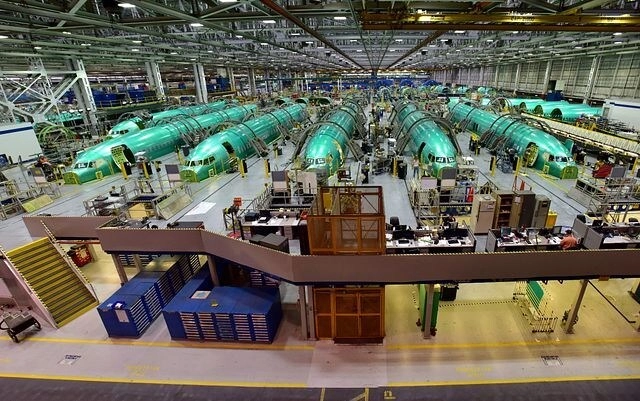
Boeing has recently completed the acquisition of Spirit AeroSystems, a significant move to integrate key aerospace manufacturing and aftermarket operations. This acquisition encompasses Spirit’s production of fuselage components for the Boeing 737, 767, 777, and 787 Dreamliner aircraft models, as well as fuselages for military aircraft like the P-8 Poseidon and KC-46 Pegasus aerial refueling tanker.
Alongside the manufacturing assets, Boeing has brought Spirit AeroSystems’ aftermarket services under its wing. These services include spare parts supply, maintenance, repair, and overhaul (MRO) operations, broadening Boeing’s capabilities in aircraft lifecycle support.
Geographic and Workforce Impact
The acquisition involves a considerable workforce of about 15,000 employees spanning multiple facilities in Wichita (Kansas), Dallas (Texas), Tulsa (Oklahoma), and Prestwick (Scotland). These sites will be absorbed into Boeing’s existing operational structure. Meanwhile, Spirit’s Belfast operations in Northern Ireland will continue under the new independent subsidiary named Short Brothers, a Boeing Company.
Additionally, Spirit Defense will maintain its status as a separate entity serving defense clients, ensuring operational independence while aligning strategically with Boeing Defense, Space & Security for financial and enterprise support.
Strategic Benefits and Operational Enhancements
This acquisition is more than a simple transaction; it’s designed to bolster Boeing’s commercial production and enhance supply chain stability. Integrating Spirit AeroSystems’ expertise allows Boeing to expand its global footprint in MRO services and diversify offerings in rotable, lease, and exchange service portfolios.
It is a strategic strengthening of Boeing’s market position, particularly in Kansas, an aerospace manufacturing heartland. The collaboration is expected to cultivate a tighter alliance between Boeing facilities in Seattle and Wichita, forming a powerhouse in aerospace innovation and production.
Ensuring Smooth Integration and Continued Excellence
Boeing emphasizes maintaining operational stability throughout the integration to ensure continuous delivery of aircraft and support services. The strategic move also aligns with Boeing’s broader goals to streamline operations and meet the evolving demands of its worldwide customer base with superior quality and efficiency.
Historical Context of Aerospace Manufacturing and Acquisitions
The aerospace industry has long been shaped by advances in technology and waves of corporate mergers and acquisitions aimed at consolidating strengths and expanding capabilities. Historically, aerospace manufacturing has shifted from small workshops in the early 20th century to vast global networks of specialized firms.
Early aircraft production relied heavily on skilled craftsmanship using wood and fabric, evolving later to incorporate metal fuselages and complex systems. The industry saw significant transformation post-World War II, with demand for large-capacity jetliners sparking extensive innovation, typified by Boeing’s launch of the 747 Jumbo Jet in 1970.
Over the decades, strategic mergers allowed aerospace companies to weather the challenges of fluctuating defense funding and market competition, better positioning themselves to undertake costly research, development, and production programs.
Specifically, partnerships and acquisitions such as Boeing’s own merger with McDonnell Douglas in 1997 played pivotal roles in shaping the current aerospace landscape. The acquisition of Spirit AeroSystems fits into this pattern of consolidation designed to enhance competitive edge and operational resilience.
| Period | Industry Development | Key Companies | Notable Events |
|---|---|---|---|
| Early 1900s | Wood and fabric aircraft manufacturing | Boeing, Curtis, Wright | Wright brothers’ first flight (1903) |
| Post-WWII | Metal airframes, jet engines, mass production | Boeing, Douglas, Lockheed | Introduction of Boeing 747 jumbo jet (1970) |
| Late 20th Century | Mergers and acquisitions surge | Boeing, McDonnell Douglas, Rockwell | Boeing merges with McDonnell Douglas (1997) |
| 2023 | Spirit AeroSystems acquisition | Boeing, Spirit AeroSystems | Completion of deal and expanded aerospace operations |
Future Outlook for Aerospace Manufacturing and Implications for Tourism
The aerospace sector continues evolving amid growing demand for efficient, sustainable air travel and defense technologies. With this acquisition, Boeing aims to secure its supply chain and amplify production capabilities to support upcoming aircraft programs. As commercial aviation is a vital component of international tourism, advancements in aerospace manufacturing ripen opportunities for global travel.
While this particular acquisition focuses on the aeronautical manufacturing industry, its impact indirectly resonates with travel destinations worldwide. Enhanced aircraft production and maintenance support strengthen the reliability and availability of air transportation which, in turn, benefits tourism sectors, including marine and coastal destinations popular with travelers arriving by air.
Connecting Aerospace Growth and Sailing Tourism
For coastal and island destinations where yachts and sailing enjoy high demand, improved aerospace manufacturing can facilitate increased passenger volumes via air travel. This expansion helps attract tourists who combine air travel with boating and sailing activities, making marinas and water-based recreation vibrant hubs of activity.
Furthermore, robust supply chains and maintenance networks for aircraft could inspire similar efficiency and innovation in the marine travel industry, potentially leading to advancements in servicing and charter operations for yachts, sailboats, and superyachts.
Summary and Conclusion
Boeing’s completion of the Spirit AeroSystems acquisition marks a meaningful advancement in aerospace manufacturing and service integration. This move merges key fuselage production capabilities and aftermarket services under Boeing’s umbrella, focusing on operational synergy and supply chain firmness. The acquisition strengthens regional aerospace hubs, especially in Kansas, and aligns with Boeing’s strategy to enhance product delivery on a global scale.
The aerospace industry’s long history of technological evolution and strategic consolidation sets the stage for this development, underscoring its ongoing resilience and innovation. While centered on aircraft manufacturing, the acquisition plays into the broader connectivity that supports international travel and tourism.
In regions where sailing and yachting flourish as popular leisure activities, this boost in aerospace capacity can enhance access and appeal, supporting a holistic experience for tourists combining air and sea adventures.
For those seeking to explore the world’s oceans, lakes, and marinas aboard yachts or sailing boats, the broader dynamics of global transport and manufacturing, as seen in Boeing’s strategy, highlight a future enriched with diverse travel and boating activities.
Explore more related developments and find the perfect yacht or sailing boat to rent with GetBoat.com – the international marketplace offering boat rentals tailored to every taste and budget.