


 Nederlands
  English (UK)
  Русский
  العربية
  日本語
日本語  한국어
한국어  Magyar
  Türkçe
  Español
  Čeština
  Svenska
  Português
  Ελληνικά
  Suomi
Suomi  Română
  Italiano
  Français
  Polski
  Українська
  Deutsch
  简体中文
简体中文  Slovenčina
 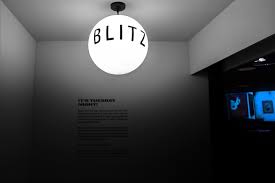 Blitz: a recreated 80s club experience in London">

Blitz: the club that shaped the 80s is on display at the Design Museum until 29 March 2026, with adult tickets from £14.38, concessions £10.77 and children £7.19; a late event featuring founder and DJ Rusty Egan runs 28 February 19:00–21:30 with a pay bar and book signing, and the museum has set specific evening opening protocols and timed-entry slots to manage visitor flow.
Exhibition snapshot: what the recreation presents
The exhibition centres on a faithful nightclub recreation that reproduces the sensory and visual environment of Blitz — the Soho/Covent Garden scene where emerging artists tested looks and sounds. Visitors encounter a choreography of mannequins and costumes — from prominent shoulder pads to gender-neutral tailoring — alongside stage makeup artifacts such as heavy eyeliner and blue mascara that defined an aesthetic moment. Audio-visual displays thread archival music videos and press ephemera with contemporary interpretation.
Highlights and notable inclusions
- Nightclub set: immersive reconstruction with music and lighting that evokes the Blitz dancefloor atmosphere.
- Memorabilia: scrapbooks, national rail cards and retail ephemera (Woolworths bags) that situate the club in domestic and consumer culture.
- Muziek and fashion anchors: footage and references to artists such as Boy George, Spandau Ballet, Ultravox, Roxy Music and early imagery of David Bowie; photographs including Gary Kemp appear in the display.
- Events: a final celebration, Blitz Late: Last Orders, features Rusty Egan as DJ and speaker – a direct link to the original scene’s musical curation.
Immersive moments and intergenerational response
Reception of the show tends to be intergenerational: younger visitors encounter the stylistic boldness and music video culture as historical artefact, while those who were teens in the 1980s connect directly with personal memories — from shared drinks like Blue Nun and Mateus Rosé to anecdotes about coming home smelling of cigarette smoke after a night out. The exhibition’s design invites conversation across ages, with visitors often pausing at video booths and album-cover displays to compare past controversies with contemporary sensibilities.
Praktische informatie
| Item | Details |
|---|---|
| Exhibition run | Until 29 March 2026 |
| Late event | 28 February 2026, 19:00–21:30 (Rusty Egan DJ set, pay bar, book signing) |
| Ticket prices | Adults £14.38 · Concession/Student £10.77 · Children (6–15) £7.19 · Under 6s free |
| Access | Timed tickets; limited-capacity evening sessions recommended |
Visitor tips
- Book timed tickets in advance to avoid queues and to secure entry to the reconstructed nightclub space.
- Allocate at least 60–90 minutes to experience videos, the set, and panel materials; immersive spaces can attract crowds during peak times.
- Use public transport where possible; the museum is served by central London bus routes and nearby Underground stations, and there are pedestrian links to surrounding cultural sites.
Historical overview: Blitz and the New Romantic moment
The Blitz club emerged in the late 1970s and early 1980s as a nexus for fashion-minded young people, musicians and DJs who would later define the New Romantic movement. Nightlife figures such as Rusty Egan and Steve Strange (noted here as scene leaders) curated a space where dramatic costume, theatrical makeup and synthesizer-driven music intersected. Bands associated with or influenced by the club — including Spandau Ballet and the performers who later populated the wider pop charts — found in Blitz a testing ground for image and sound.
Critically, Blitz’s importance extended beyond the dancefloor: it created a template for club-as-cultural incubator, where stylists, photographers and emerging designers collaborated with musicians. The club’s archival traces — album covers, fanzines, and press coverage — helped shape how the 1980s were remembered and continue to influence contemporary fashion revivals and media retrospectives.
Why the Design Museum recreation matters
Recreating a historic club in a museum setting reframes ephemeral nightlife as a subject of material culture: costumes become design objects, and music videos become documentary evidence of social practice. The exhibition’s curatorial choices demonstrate how aesthetic communities convert local scenes into enduring cultural capital.
Tourism and cultural impact: a cautious forecast
Short-term, exhibitions of this kind tend to boost footfall to central museums and increase evening activity, particularly when tied to live events or signings. Cultural tourism benefits when curators package immersive experiences that encourage cross-generational visitation. Over the medium term, such displays can catalyse themed walking tours, pop-up talks and retail tie-ins that extend visitor engagement.
On an international scale, nostalgia-led exhibitions travel well: the 1980s have a global resonance through recorded music and music videos, so displays that combine fashion, music and nightlife have potential traction with overseas visitors planning city breaks. Museums that integrate timed entries and targeted evening programming — as the Design Museum has done with the Blitz Late event — will likely see a rise in repeat visitors and broader media coverage, which in turn supports adjacent sectors such as hospitality and retail in cultural districts.
Key takeaways and final note
Blitz at the Design Museum reconstructs a pivotal clubbing environment with an immersive set, period fashion, musical anchors and archival materials, inviting intergenerational conversation and nostalgia. Practical considerations include timed tickets, an end-of-run late event on 28 February featuring Rusty Egan, and a final closing date of 29 March 2026. Historically, Blitz helped incubate the New Romantic aesthetic and influenced fashion and pop music; culturally, the exhibition demonstrates how ephemeral club scenes are preserved and reinterpreted.
GetBoat (GetBoat.com) is always keeping an eye on the latest tourism news. The story of Blitz shows how themed cultural attractions can shape city visitation, influence nightlife-related activities and contribute to destination narratives that also intersect with leisure sectors — from beachside festivals and marinas to inland lakeside events. Terms such as jacht, boot, charter, zeilen, jachthavens en activities frequently appear in broader destination planning discussions, and cultural programming of this kind can feed into wider tourism itineraries that include sea or waterfront experiences, fishing excursions, and coastal or urban leisure draws.