


 Nederlands
  English (UK)
  Русский
  العربية
  日本語
日本語  한국어
한국어  Magyar
  Türkçe
  Español
  Čeština
  Svenska
  Português
  Ελληνικά
  Suomi
Suomi  Română
  Italiano
  Français
  Polski
  Українська
  Deutsch
  简体中文
简体中文  Slovenčina
 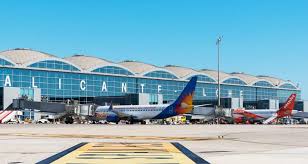 Grote renovatie van de luchthaven Alicante–Elche Miguel Hernández om het reizen voor Britse reizigers te vergemakkelijken">

Massive Upgrade at Alicante Airport to Enhance Passenger Flow
Alicante–Elche Miguel Hernández Airport, one of Spain’s busiest gateways, is undergoing an extensive renovation worth £1.1 billion to improve processing for British tourists and all international travelers alike. This major revamp comes in response to the implementation of the European Union’s new Entry-Exit System (EES), a biometric identification protocol that records facial images and fingerprints of non-EU passengers to track their entries and departures across the Schengen Zone.
The new facilities will feature cutting-edge technology aimed at handling the significant flow of British passengers who use Alicante Airport, a popular entry point favored by millions each year. With over 6 million British travelers recorded last year, the airport is expanding its capacity and enhancing its operational efficiency to keep pace with increasing demand.
Key Features of the Upgrade
- Entry-Exit System Integration: Construction of a dedicated area equipped with EES machines facilitating biometric data collection such as fingerprinting and photographs.
- Advanced Security Equipment: Baggage inspection technology allowing liquids and electronic devices to be scanned without unpacking, accelerating the security process.
- Terminal Expansion: The terminal space will increase by nearly 30%, replacing the outdated terminal building with a new structure designed to accommodate up to 26 million passengers annually.
- Modern Amenities: Enhanced passenger experience with automated conveyor belts, expanded shopping zones, and an exclusive VIP lounge.
- Infrastructuurverbeteringen: Upgrades extending beyond the terminal, including roadways and parking facilities to streamline access and parking capacity.
The renovation effort is set to be completed in phases, with the first section ready by the summer of 2027, and full completion expected by 2031.
Understanding the Entry-Exit System and Its Impact
The Entry-Exit System (EES) came into effect recently as part of the EU’s wider migration and border management strategy. By capturing biometric data—for example, facial recognition and four fingerprints—this system registers every non-EU visitor’s entry and exit from Schengen countries, including prominent travel destinations such as France, Croatia, and Greece. Alicante Airport’s upgrade is a direct response to the operational needs posed by this new system, ensuring smoother movement for millions of travelers, especially British nationals, who frequent this hub.
| Feature | Details |
|---|---|
| Passenger Volume (2023) | Approximately 26 million annually after upgrade |
| British Passenger Count | More than 6 million in 2022 |
| Terminal Expansion | Increase by nearly 30% |
| Completion Timeline | First phase by Summer 2027, full by 2031 |
Historical Growth and Significance of Alicante Airport
Alicante–Elche Miguel Hernández Airport has grown steadily alongside Spain’s flourishing tourism sector. Situated in the vibrant Costa Blanca region, it serves as a critical hub for travel between the United Kingdom and Spain, two of Europe’s premier holiday markets. Traditionally catering to sun-seekers, beach lovers, and cultural tourists, the airport’s ongoing expansion reflects the broader trend of increased cross-border travel between these nations.
Historically, Alicante Airport’s rise in passenger numbers has paralleled Spain’s evolution into one of Europe’s top travel destinations. The region’s appeal stretches beyond its famous beaches, offering sailing enthusiasts, yachting fans, and boating aficionados access to the Mediterranean’s inviting waters and scenic marinas. Over the decades, air connectivity improvements have played a key role in destination accessibility, supporting the growth of nautical tourism alongside traditional vacationers.
Milestones in Alicante Airport’s Development
- Initial establishment fueled by Mediterranean tourism growth in the late 20th century.
- Gradual capacity enhancements to accommodate rising European and international passenger traffic.
- Integration of advanced technologies and services, including past security and convenience upgrades catering to leisure and business travelers.
Looking Ahead: Implications for Travel and Boating Enthusiasts
The airport’s revamped infrastructure and expanded capacity signify more than just improved passenger processing. For seasonal travelers and sailing aficionados, Alicante’s modernized gateway will facilitate smoother access to the Mediterranean’s attractive yachting and boating destinations, stimulating local marinas and water-based activities. Enhanced connectivity also supports the broader tourism ecosystem, which relies on efficient transport hubs to attract visitors and catalyze regional economic growth.
Moreover, the upgrade paves the way for greater inclusion of leisure travelers interested in nautical tourism—whether they charter yachts along the nearby coast, explore hidden coves by boat, or enjoy fishing and sun-drenched beaches. This infrastructure overhaul represents an investment in sustaining and growing Alicante’s reputation as a dynamic maritime and holiday destination.
Potential Future Trends
- Increase in charter boat bookings as easier access boosts tourist inflow.
- Growth of premium services including superyacht arrivals demanding efficient airport and marina synergy.
- Expansion of related tourism services such as guided sailing expeditions, fishing tours, and water sports.
- More international tourists attracted by the ease of travel and enhanced airport experience.
Conclusie
The ongoing £1.1 billion refurbishment of Alicante–Elche Miguel Hernández Airport speaks volumes about the region’s commitment to welcoming British tourists and international visitors with improved facilities and expanded capacity. By integrating advanced biometric systems and modern amenities, the airport is set to become a leading European travel hub with the ability to handle up to 26 million passengers annually.
This development holds particular promise for tourists interested in nautical activities, sailing, and boating along Spain’s sunnier coasts. Alicante’s improved infrastructure enhances the gateway to marinas, beaches, and clear waters that attract yacht charters and sailing enthusiasts year-round.
For travelers seeking seamless access to Mediterranean sailing destinations, Alicante’s transformation is a beacon of better connectivity, security, and comfort. To explore charter options and find yachts or sailing boats to rent in the region, the international marketplace GetBoat.com is an excellent resource. It offers a wide selection of boats and yachts to suit every taste and budget, making the most of the upgraded airport experience and vibrant local waterways.