


 Nederlands
  English (UK)
  Русский
  العربية
  日本語
日本語  한국어
한국어  Magyar
  Türkçe
  Español
  Čeština
  Svenska
  Português
  Ελληνικά
  Suomi
Suomi  Română
  Italiano
  Français
  Polski
  Українська
  Deutsch
  简体中文
简体中文  Slovenčina
 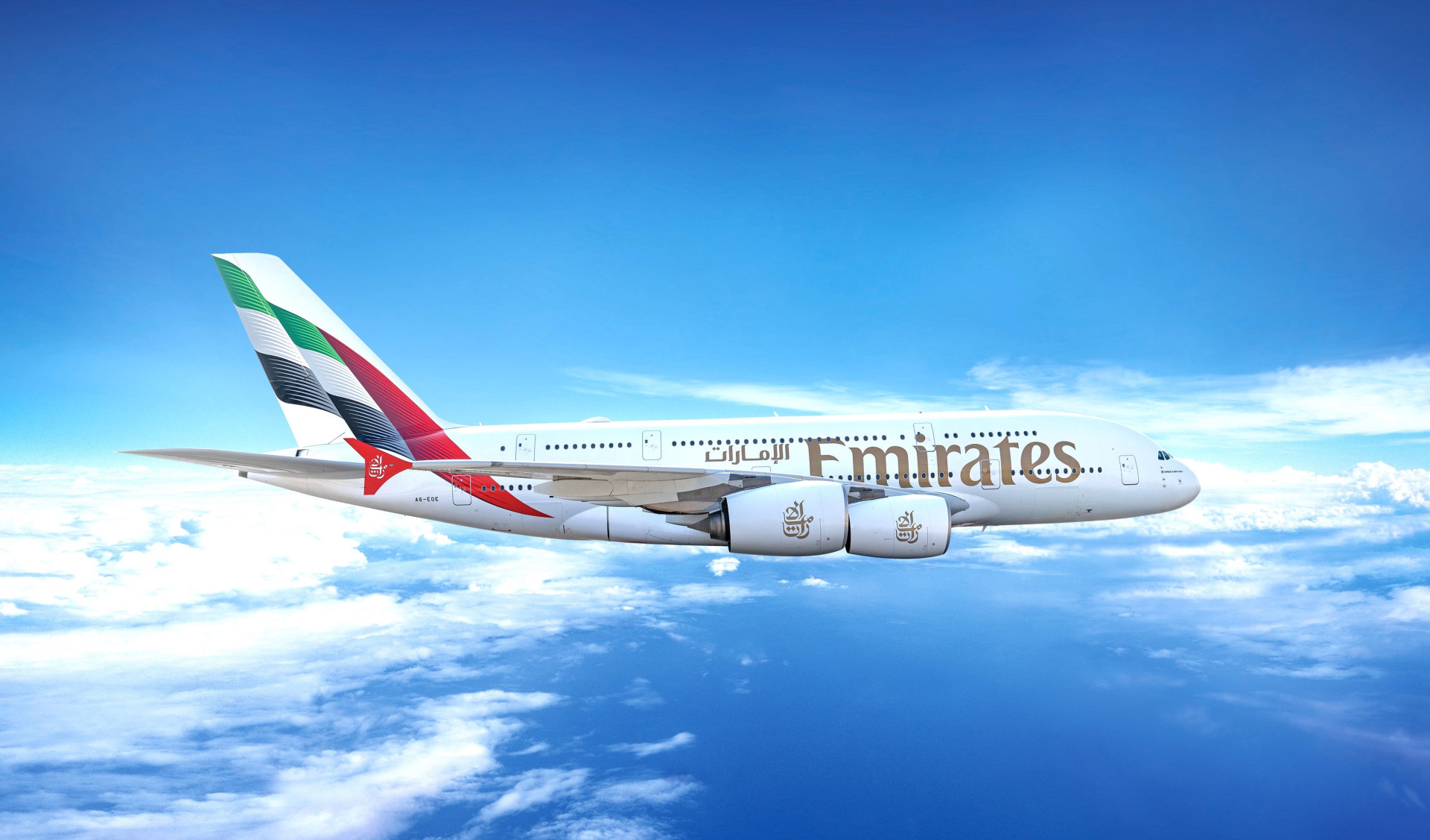 Expanded Emirates and Air Peace Interline Routes">

Operational details and route scope
Passengers can now book single-ticket journeys with through-checked baggage across select Emirates and Air Peace services, integrating Air Peace’s regional feeds with Emirates’ international network via the Dubai hub. The enhanced agreement preserves Emirates’ access to 13 Nigerian cities through Air Peace and adds connections to Banjul en Dakar via Abidjan, even indien Freetown en Monrovia via Accra. London gateways included in the interline scope are Londen Heathrow, Gatwicken Stansted, enabling direct ticketing and smoother transfers between West and Central Africa, the Verenigde Arabische Emiraten, and the United Kingdom.
Expanded connectivity: route matrix
| Feeder Origin | Regional Hubs | New Long-Haul Links via Dubai | Service Feature |
|---|---|---|---|
| Lagos (via Air Peace) | Abidjan, Accra | Dubai → London Heathrow / Gatwick / Stansted | Through-checked baggage, single-ticket itineraries |
| Banjul (via Abidjan) | Abidjan | Dubai and onward markets | Seamless transfers to Emirates long-haul |
| Dakar (via Abidjan) | Abidjan | Dubai → Europe / Middle East | Improved connectivity for passengers and cargo |
| Freetown, Monrovia (via Accra) | Accra | Dubai and beyond | Regional feed into Emirates’ global network |
Key operational impacts
- Seamlined check-in and transfers: Single-ticketing reduces re-check requirements and shortens connection complexity for interline passengers.
- Network reach: Air Peace’s regional schedule now functions as a feeder system into Emirates’ long-haul operations, expanding market access for passengers across West and Central Africa.
- Commercial effects: Travel agents and tour operators can package integrated itineraries spanning regional and intercontinental legs, increasing commercial product variety.
- Passenger experience: Access to Emirates’ onboard product on long-haul sectors (including First Class on select flights) complements regional connectivity provided by Air Peace.
Passenger experience and aircraft deployment
On Emirates’ Dubai–Lagos rotation, the airline deploys the Boeing 777-300ER, offering a premium onboard cabin mix with regionally inspired menus, a wide beverage selection, and more than 6,500 entertainment channels via the ijs system — features likely to appeal to high-yield leisure and business travellers. Emirates remains one of a small number of carriers providing First Class service into Nigeria, a differentiator for passengers seeking comfort and privacy on long-haul connections.
Benefits for Air Peace
For Air Peace, the interline expansion is a strategic lever to position its network as a continental connector. Feeding passengers into Emirates’ Dubai hub creates new onward opportunities to major international markets and strengthens Air Peace’s role in facilitating trade, business trips, and leisure travel from secondary West and Central African cities.
Background and regional context
Emirates was established in 1985 and has progressively extended services across Africa, using Dubai as a global transit hub to link regional markets with Europe, Asia, and the Americas. Air Peace, launched in the 2010s, has built an extensive West and Central African footprint, serving numerous domestic and regional points within Nigeria and neighbouring countries. The two carriers’ interline cooperation follows a wider industry trend of network collaboration designed to increase catchment areas without duplicating capacity on thin long-haul routes.
Why interline matters in Africa
Interline agreements are particularly valuable in markets where point-to-point demand is variable and where ground infrastructure and frequencies to major hubs are limited. By combining regional reach with long-haul scale, partnerships can unlock smoother passenger flows, improve load factors on long-haul flights, and stimulate inbound and outbound tourism, business travel, and cargo movements.
Short-term implications and forecast
In the near term, the expanded interline arrangement should increase seat connectivity and itinerary options for travellers in West and Central Africa, supporting stronger inbound links to Dubai and onward connections to Europe and Asia. Travel agents will be able to offer more integrated products, and corporate customers may find improved scheduling flexibility for multi-leg journeys.
Medium- to long-term outlook
Over the medium term, sustained cooperation between a major global carrier and a regional operator can drive capacity growth if passenger demand materialises. Potential outcomes include frequency increases on feeder routes, code-share upgrades, or more formal commercial partnerships if bilateral traffic warrants. The agreement also signals confidence in Africa’s role as a growing source and destination market for global travel flows.
Risks and operational considerations
- Regulatory and bilateral constraints could limit deeper commercial tie-ups.
- Ground handling, baggage transfer reliability, and schedule synchronisation are operational dependencies that must be managed to protect the passenger experience.
- Economic volatility and uneven demand across feeder cities may require dynamic capacity management.
In summary, the expanded Emirates–Air Peace interline delivers concrete connectivity gains: single-ticket itineraries, through-checked baggage, new route access to Banjul, Dakar, Freetown, and Monrovia, and enhanced links to London’s major airports via Dubai. The move strengthens Air Peace’s role as a continental feeder while reinforcing Emirates’ long-term commercial commitment to Africa. For travel professionals and passengers, the arrangement offers more seamless options for business and leisure travel, with commercial and operational implications that could evolve into deeper collaboration if demand supports it.
GetBoat is always keeping an eye on the latest tourism news; for those tracking how aviation shifts influence broader travel Destinations and activities — from beach and lake gateways to marinas and coastal clearwater spots where yachting, boating, and fishing attract visitors — these connectivity changes matter. Improved air links can expand access to sun-drenched gulf and ocean resorts, benefit superyacht and yacht servicing hubs, and indirectly affect tourism flows that support marinas, captains, and local boating economies. For updates on aviation, tourism, and how routes shape Destinations and activities, visit GetBoat.com.