


 Nederlands
  English (UK)
  Русский
  العربية
  日本語
日本語  한국어
한국어  Magyar
  Türkçe
  Español
  Čeština
  Svenska
  Português
  Ελληνικά
  Suomi
Suomi  Română
  Italiano
  Français
  Polski
  Українська
  Deutsch
  简体中文
简体中文  Slovenčina
  Lake Toya Winter Adventures – A Complete Guide to Snow, Ice, and Hot Springs">

Book a lakeside onsen stay to begin your Lake Toya winter adventures. Mount Usu glows on the far shore as steam rises from the hot springs, and a crisp breeze makes the evening perfect for a stroll. They visited the southern side of the lake for vibrant colors at sunset, then turned toward the promenade lined with trees dusted in frost.
Choose a listed property near Toyako Onsen and book a package that includes hot springs, a simple breakfast, and easy access to the lakefront. The best options deliver a clean room, quiet nights, and quick shuttle links to Noboribetsu for a day of hot springs there. From shinjuku, many travelers reach New Chitose or Sapporo first, then continue by train or bus to Toyako; the website‘s itineraries make planning smooth.
In winter, snow and ice create striking panoramas. Join a guided snowshoe walk through the forest for a 20min loop, admiring the frost on several trees and the still water of shallow pockets. If conditions allow, you may see a thin rim of ice along the lake edge, and guides keep the route safe while you focus on the views.
Plan a practical day: lunch on the lakefront, perhaps a bowl of hearty miso ramen or a grilled fish meal, then a soak to relax before the evening. For a broader experience, arrange a half-day trip to noboribetsu to visit the volcanic valley, then return to toyako for a night walk along the shore.
Tips to maximize your trip: pick best times for photography–early morning or dusk–prioritize places with lake views, and book ahead during weekends. Use the website to compare places and read recent visitor reviews that mention accessibility, parking, and the quality of the onsen. Pack warm layers, waterproof shoes, and a compact snack for forest time; a simple plan helps you relax and enjoy the scenery.
Lake Toya winter activities and Tokyo day-trips: a practical, step-by-step plan
Book a guided day-trip from Tokyo that pairs a quick train ride with Lake Toya experiences, including a volcanic panorama, soaking in warm waters, and a traditional Japanese meal.
Step 1: Choose and book a guided tour from Tokyo. Look for a package that lists rail, coach transfers, and Lake Toya activities, with a small-group option for smoother logistics. They usually depart from Tokyo Station or Shinjuku and return by evening.
Step 2: Arrive and gear up. The itinerary lands at Toya Station or the Toyako Onsen area. Pack light, but bring very warm layers, waterproof boots, gloves, a hat, and a compact drawing pad to sketch trail views. The gear keeps you comfortable during long shore walks and quick hikes.
Step 3: Start with a warm-up walk along the shore. Snow-dusted scenery frames Lake Toya’s dazzling views. If you want a cultural touch, pause at a small ebisu charm near the trailhead and learn about local legends.
Step 4: Try a short, guided hiking loop near the Mt Usu area. If weather and safety allow, they offer a long, gentle ridge option with clear views of the volcanoes and the lake. Check real-time volcanic activity before you go; plans shift with the conditions.
Step 5: Include a boat or island stop when possible. Some tours arrange a short boat cruise to Nakajima Island or highlight islands around the lake for varied scenery. The next stop sometimes brings you to the islands’ shore for photos and brief hiking stops.
Step 6: Soaking and a warm meal. After the outdoors, choose an onsen resort for soaking and a footbath to soften tired feet. Finish with a hot Japanese meal at a lakeside resort, then take a long break to absorb the scenery. The options are very curated, with several resorts located along the shore, offering long veranda views.
Step 7: Return to Tokyo and plan the next stage. Trains from Toya Station run back to Tokyo, with a possible stop at Shinagawa or Tokyo Station depending on the package. For a same-day option, depart early and return by night; for a slower pace, stay overnight at a lakeside resort and unwind after a day of very active winter activities.
Step 8: Further ideas if you have more time. Add Noboribetsu or Jozankei hot springs to extend your Japanese winter experience, or plan a summer add-on to hike, swim, or boat around Toya’s tranquil scenery. In years past, travelers have returned with a new drawing and stories, and they often note how the resort atmosphere helps them recharge for city life.
Snowshoe routes around Lake Toya and Mount Usu: where to go and how long
Begin with the Lakeside Toya Shore Loop from Toyako town center. It covers about 3.5 km, takes 1.5–2 hours, and stays easy enough to warm up quickly while you soak in southern caldera views. Rent gear in town or at local onsens if you want to test snowshoes; your foot steps a steady rhythm as you breathe crisp winter air.
Toyakos residents and visitors alike will find these routes approachable, with gear rental available in town.
The Toya Caldera Forest Circuit runs 4–5 km and takes 2–3 hours. It winds through spruce and birch, with clearings facing the lake. japanese tourist and visitors alike will appreciate the blend of forest quiet and dramatic views.
Mount Usu Rim Trail is 6–7 km and 3–4 hours. Start near the Usu Ropeway; the route climbs through snow and pine, offering views across the lake and toward Showa Shinzan, with right-facing panoramas rewarding careful pace. Bring traction devices and warm layers; you can warm up at the ropeway cafe after.
Showa-dake Ridge Loop covers about 5 km in 2.5–3 hours. It includes a short ascent and several viewpoints facing the town and lake. Non-guests can rent gear in town, and the experience pairs well with a soak at one of the onsen for relaxation after the snow.
| Route | Difficulty | Afstand | Time | Beginpunt | Opmerkingen |
|---|---|---|---|---|---|
| Lakeside Toya Shore Loop | Easy | 3.5 km | 1.5–2 h | Toyako town center | Gentle grade, caldera views, ideal for foot-friendly pace; great for first snowshoe day. |
| Toya Caldera Forest Circuit | Easy–Moderate | 4–5 km | 2–3 h | Toyako Onsen area | Forest mix, wind-prone rims, traction advised; relax with forest ambience. |
| Mount Usu Rim Trail | Moderate | 6–7 km | 3–4 h | Near Usu Ropeway | Elevated views, switchbacks; prepare for winter weather; warm-up at the base cafe if needed. |
| Showa-dake Ridge Loop | Moderate | 5 km | 2.5–3 h | Showa Shinzan area | Lookouts over the lake; gear rental in town; pair with a soak for relaxation. |
Ice experiences on the lake: safety, gear, and rental options for visitors
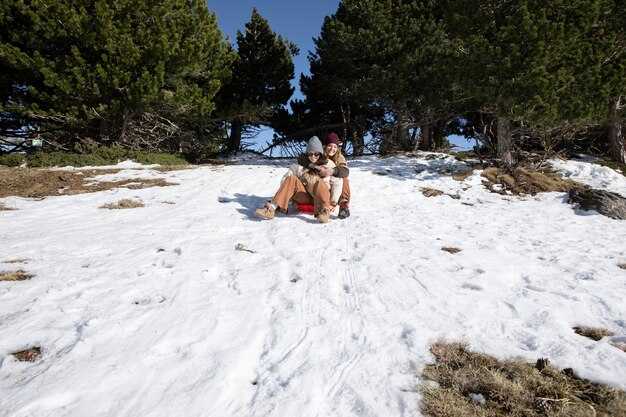
Check ice thickness at your chosen spot before stepping onto the lake and book a hosted tour if you’re unsure. For a single person, aim for at least 10 cm (4 inches) of clear blue ice; for a small group or when carrying gear, target 15–20 cm (6–8 inches). Avoid white or slushy patches, and stay away from shorelines, inlets, and current zones where thin ice can form. If you hear cracking or see water seeping, retreat and reassess with a guide. Carry a buoyant throw rope and a whistle, and establish a plan with your group.
In Toya, safety is reinforced by clearly marked routes and on-site guides who know the waterfront areas, including water inflows and tunnels beneath the ice. Absolutely follow local instructions and stay within fully supervised sections during your stay.
Gear you should bring or rent
- Layered clothing: base, mid, and outer shell, plus insulated gloves and a warm hat.
- Waterproof boots with good grip and thick socks to keep feet warm on snow-covered ice.
- Ice cleats or crampons for extra traction on slick surfaces.
- Ice picks and a compact throwing rope for self-rescue and to help others.
- Light rescue gear: a small spade to clear slush, a whistle, and a dry bag with emergency essentials.
- Thermos with hot tea or cocoa to stay warm during short strolls along the waterfront.
Rental options and experiences
- Full gear packages offered by local operators: insulated suit, boots, gloves, hat, ice cleats, and safety gear, fully ready for a day on the lake.
- Ice fishing gear rental: rods, reels, lines, lures, tip-ups, shelters, and portable stoves; operators can guide you to productive spots and help you set up a sheltered fishing area.
- Ice huts and shelters: spacious, snow-covered tents with stoves, seating, and weather protection for longer sessions and fika breaks.
- Snowmobile or ATV access to explore wider zones on the lake; guided routes ensure you avoid weak spots and stay on marked tracks.
- Guided walks and strolls along the waterfront: you’ll learn safety basics, hear local stories, and enjoy the scenery as the lake transforms under a white blanket.
- Fishing and tasting packages: combine a short ice fishing session with a taste of wakasaimo and other local snacks while you take in the views.
- Helicopter add-ons: for a thrilling aerial view of the snow-covered lake and surrounding scenery, book a short flight from a Toya-area operator.
- Booking tips: choose a hosted, fully arranged option when you want reassurance on safety, gear, and coverage of hot drinks and warm shelter, and ask about bundled experiences that include toya area highlights.
Practical tips for a smooth day
- Plan for shorter sessions early in the day when daylight is ample and ice is firmer; use the daylight window to take a waterfront walk or to enjoy a guided stroll.
- Stay close to shore when you’re new to lake ice; follow marked routes and listen to your guide’s safety briefing.
- Avoid ice near tunnel outlets or visible currents, which can create weak spots; always test thickness in multiple spots before proceeding.
- Reserve in advance, especially on weekends or during festival periods when tourist demand peaks; this ensures gear, guides, and shelter are ready for you.
- After activities, unwind with a hot snack featuring wakasaimo while waterfront views glow in the sunset–this is a popular highlight for visitors.
- Driving to Toya for ice experiences is convenient when you check parking and access points near the promenade; some operators offer shuttle pickup from the waterfront.
Onsen picks near Toya: best hot springs and etiquette tips
Start with Toyako Onsen on the lakeside for a snow-covered dawn soak; the waterfront baths offer breathtaking views and the right tone for your winter trip.
Nearby places to consider are Toyako Onsen’s lakeside facilities and Noboribetsu Onsen, both highly regarded for mineral-rich waters and outdoor baths in crisp air; this reliability helps beginners decide that they can visit these places with confidence, and both are known for friendly etiquette.
For a guided lake excursion, Nakajima island trips circle the snow-covered islands; the journey reveals volcanic scenery above the water and ends with a stop at a cafe along the waterfront, like those on the lakeside, where you can warm up before your next soak.
Along the shore you’ll find toyas–cozy farm inns and simple cafes–where you can sample local snacks and rest before or after a soak; some places even showcase Ainu crafts and Ebisu-inspired decor near the waterfront.
Etiquette tips for beginners: rinse thoroughly before entering, keep towels outside the bath, enter and exit slowly on the side, and keep voices low; in japans onsen culture, respect the rules and follow posted signs, this serving guidance helps you enjoy safely and comfortably, ensuring every place you visit feels welcoming.
Packing, weather, and daily timing: plan a winter itinerary with realistic timelines
Recommendation: lock two main outdoor experiences and one hot springs session each day, then add 60 minutes for parking, meals, and flexible gaps. This keeps you comfortable and lets you explore these areas without rushing.
Packing checklist: base layers (three sets), a warm fleece, a windproof shell, and a down jacket; insulated, waterproof boots and thick socks; gloves, a hat, and a scarf; compact rain layer; thermos for hot drinks; hand warmers; sunscreen for bright days on snow; a small towel for onsen visits; a power bank and charger lead; cash for parking and small shops; a lightweight daypack to move between attractions; don’t forget any required prescription meds and a map or offline guide from the official website for reference.
Weather and daylight: temperatures in the Toya area typically hover between -6°C and 3°C; wind from the lake can feel colder, especially along the southern shore and open viewpoints. Expect short daylight hours in peak winter (roughly 08:00–16:30). Start outdoor segments after sunrise and wrap outdoor time before 16:00 to avoid dusk cold. For onsen days, plan a late-afternoon soak when the lights begin to glow over the water.
Two-day timing framework: schedule a balance between scenic outdoor moments, cultural spots, and warm springs. Keep total daily activity under 6–7 hours of active time and reserve breaks every 1.5–2 hours to maintain energy. Check the website of the area for current attraction hours and parking rules, and use the forecast to adjust plans if a heavy snow comes in. If you dont want to chase every minute, build in a 60–90 minute buffer at the end of the day for spontaneous pauses in local areas en cafés.
Dag 1: Lake Toya lus en bronnen07:30 wakker; 08:00-08:20 parkeren nabij Toyako Onsen; 08:20-09:50 korte, gemakkelijke wandeling langs de zuidelijke ligging van het meer voor rustige zonsopgangfoto's en scenic perspectieven; 10:10-11:15 breng een bezoek aan een lokale attractie met een beetje history achtergrond; 11:30-12:15 lunch met wakasaimo en een lichte boso traktatie; 13:00-15:00 ervaring in een openbare onsen faciliteit (kies een plek met buitenduiken zodat je de lucht en stoom kunt genieten); 15:15-16:30 eindig met een korte stop bij een winkel voor winter snacks en een warme drank, en keer dan terug naar het hotel. Dit schema houdt de beweging gestaag en geeft tijd om te genieten van het wonderland vibe rond het meer.
Dag 2: Verken de omgeving areas en een rustige rit08:00-08:30 koffiepauze, dan 09:00-10:30 paard deze of een koetsrit langs een beschutte route in Zuid-Toya hokkaidos instellingen; 11:00-12:00 bezoek een locatie of museum met de focus op geschiedenis om je te verdiepen in je experience; 12:15-13:15 lunch met wakasaimo of een andere lokale specialiteit; 13:30-15:00 sneeuwschoenwandeling in de open lucht of een korte winterwandeling in de natuur om de scenic setting and places je nog niet hebt gezien; 15:30-16:30 een laatste heet bad of een bad-en-snack stoppen bij een nabijgelegen bronfaciliteit; 17:00 terugkeer naar je basis. Deze tweede dag draait om zachte bewegingen, authentieke smaken zoals wakasaimo, en een dieper inzicht in de history van het Toya-gebied.
Practical tips: gebruik parkeerfaciliteiten die nabij populaire attracties zijn aangegeven en controleer de website voor bijgewerkte openingstijden en eventuele winterrestricties; als een locatie gereduceerde winteropeningstijden publiceert, vertrouw dan niet op verouderde lijsten—controleer dit vooraf. Voor these excursies, neem een lichtgewicht, opvouwbaar statief mee voor nachtopnamen en houd je telefoon opgeladen voor snelle experience foto’s. Om het comfort te maximaliseren, houd een flexibele instelling en pas het tempo aan de energie van uw groep aan; de landschap is scenic maar het belangrijkste is een gestaag tempo en voldoende warme pauzes, vooral na buitenactiviteiten. Door hier rekening mee te houden places and their parking regels, zul je genieten van een soepele en gedenkwaardige Toya winterexperience.
Voedsel notitieprobeer wakasaimo vers van lokale boerderijen en zoek naar kleine cafés die desserts of snacks op basis van boso serveren; deze kleine ontdekkingen worden vaak de favoriete herinneringen van uw reis. De setting en het rustige tempo rond Lake Toya maken het gemakkelijk om verken in je eigen tempo en om een winterdag om te toveren in een onvergetelijke experience.
Harajuku naar Ebisu wandeling: een praktische route met transit details en snack stops
Begin bij Harajuku Station, neem de JR Yamanote Line twee haltes naar Ebisu voor een snelle rit, of rek het uit tot een wandeling van 20 minuten langs Meiji Dori door Omotesando om te genieten van besneeuwde etalages en de tokyose winter sfeer.
Transit details: Van Harajuku naar Ebisu met de JR Yamanote, twee haltes en ongeveer 7 minuten. Treinen rijden elke 4–6 minuten. De tarieven met een IC-kaart liggen rond de 170–210 yen. Voor toeristen maken Suica of Pasmo het gemakkelijk; er bestaan volledige passen voor korte stadsdagen, en je kunt reistijden in realtime verifiëren op de officiële website.
Snack stops: Begin op Takeshita Street met een snelle crepe of warme taiyaki; ga verder naar Omotesando voor een warme chocolademelk of gebakje; in Ebisu, zoek naar wakasaimo – een wintersnack met banden met noboribetsu. Deze snelle hapjes stellen je in staat om bij te tanken zonder het tempo van de lus te vertragen.
Kleding en tempo: Kleed je in lagen en draag volledig waterdichte laarzen met goede grip. Pak handschoenen, een sjaal en een compacte paraplu in; houd een waterfles en een kleine camera bij de hand. Let op dieren zoals vogels en eekhoorns in parken langs de route. Hier maakt comfortabele uitrusting de wandeling aangenamer, zelfs bij frisse weer.
Begeleide opties en outfitters: Indien gewenst, bieden begeleide stadswandelingen met outfitters korte wandelingen door Tokyo die transit aanwijzingen en snack stops omvatten; deze omvatten een volledig kaartoverzicht en een lokale gids om vragen ter plekke te beantwoorden.
Link naar Lake Toya Winter Adventures: deze stedelijke wandeling past in een breder plan dat Noboribetsu en het omliggende merengebied omvat. Vanuit Tokyo kun je de Shinkansen of vluchten naar Hokkaido nemen, en vervolgens resorts, warmwaterbronnen en vulkanen in het Noboribetsu-gebied verkennen. Wakasaimo en andere snacks zijn goed te bewaren, waardoor je een smakelijke overgang maakt tussen de stadsstraten en een winterse ontsnapping.