


 Nederlands
  English (UK)
  Русский
  العربية
  日本語
日本語  한국어
한국어  Magyar
  Türkçe
  Español
  Čeština
  Svenska
  Português
  Ελληνικά
  Suomi
Suomi  Română
  Italiano
  Français
  Polski
  Українська
  Deutsch
  简体中文
简体中文  Slovenčina
  Jon Boat Buying Guide – Best Lightweight Aluminum Fishing Boats">

Choose the best lightweight jon boat: a 12-14 ft aluminum model with a split hull and a double-hull option designed for stability. This model is built by a respected company, offers straightforward maintenance, and keeps the bones lightweight for easy car-topping. Boaters who need efficiency find that the main benefits are stability and fuel performance. Therefore, this option already delivers solid performance on lakes and calm rivers.
Focus on a hull that balances weight and stiffness: a split hull or double-hull design improves stability and reduces drag, therefore boosting performance and fuel efficiency. A compact overall height helps with portability and handling during launches and navigation across shallow ramps. Look for boats that are ontworpen with durable riveted or welded seams, and that keep deck height accessible for standing or sitting while casting.
Choose models from a company that offers solid warranty coverage and parts availability beyond the initial sale. For boaters, inspect the main seating layout, deck rigidity, and the transom height, as these things influence balance and mounting options for a small motor. Ensure the boat is designed to perform reliably in your typical waterway, and confirm the dealer network can support updates to navigation and routine service.
Bottom line: pick a model with highly portable design, proven performance, and a dealer network you can rely on for parts and service. Revisit your list against payload needs, navigation ease, and height constraints before you sign. If you start with three best options, you can validate real-world stability, fuel consumption under load, and steering feel during a quick pond test with your gear.
Assessing the Lowe 1648M: core specs for practical fishing use
Get the Lowe 1648M if you want a nimble, practical platform for fishing on lakes and calm rivers. At about 16 ft long and 48 in wide, the all-aluminum hull keeps weight manageable while delivering a large cockpit. It shows built-in storage compartments and bench seats, with pedestal mounts that let you switch to a solo or family setup quickly. With a single outboard, getting under way is simple, and the total package always stays easy to trailer. In a recent review, owners note stable navigation on rocks and in shallow water, making it a reliable lake companion. Decide here if durability, space, and straightforward maintenance fit your needs, and you’ll see why many buyers rate its value highly.
Core specs you’ll count on include a roughly 16 ft length, a 48 in beam, and all-aluminum welded construction shown in the factory sheets. The cockpit offers a large, open deck with a majority of seats in a two-bench arrangement and optional pedestal seats for a flexible fishing or family setup. The design provides built-in storage pockets under the bow and behind the stern, plus a large total dry area for tackle, line, and personal items. It’s designed for a single outboard, keeping balance and response predictable when navigating shallow lakes or river shoals.
Practical fishing uses come down to layout and flexibility. For duck season or quiet backwater hunts, the flat deck and shallow draft let you move light gear without a lot of ballast. The bench seats can be removed to create room for a duck blind or a small gear rack, and pedestal mounts let you swap to elevated seating when you need better line of sight. For a family outing, the seating and built-in storage keep tackle, snacks, and rain gear tidy, so you switch from rods to refreshments quickly and maintain a stable payload. If you carry backup gear, the ample pocketing still keeps everything within reach. Navigation remains straightforward, even when you veer toward shoreline rocks or wind shifts.
Whether you’re after a family day on the lake or a dedicated duck-boat for backwater settings, the Lowe 1648M delivers solid value. The majority of owners report a smooth ride and straightforward maintenance, while the rating tends to be favorable for its simplicity and resale value. Before you pull the trigger, check your typical loadout and lanes you’ll run; if you keep gear light and plan to use pedestal seats for different setups, you’ll maximize storage and performance without sacrificing maneuverability.
In short, the Lowe 1648M is a versatile, lightweight option for lake and backwater fishing, with built-in features that support practical gear management and flexible seating. It shows a strong balance of price, performance, and durability, making it a reliable choice when you need something you can trust day after day across seasons.
Weight, capacity, and payload limits for the 1648M
Keep total payload under the transom plate limit; target 750–900 pounds total to preserve stability and efficiency on flat-bottom handling with this hull.
- Dry hull weight: 110–140 pounds, depending on gauge and added accessories.
- Max load rating: 900–1,100 pounds listed on typical 1648M plates; always read the exact specification on your vessel’s transom plate.
- Motor weight: add 90–180 pounds for a common 20–40 HP outboard plus mounting hardware; larger power adds more weight and changes balance.
- Fuel: 6–12 gallons; at about 6 pounds per gallon that adds 36–72 pounds of fuel on board.
- Gear and gear boxes: plan 100–250 pounds for typical fishing or hunting setups; hunters often bring decoys, traps, and extra clothing as part of the load.
- Trailer and towing: consider trailer weight in the total when selecting a tow vehicle; ensure the axle rating and hitch can handle the combined vessel, motor, fuel, and gear.
- Conditions and distribution: place heavier items toward the center of the vessel and keep weight low; wide, even distribution helps edge stability and handling in moderate chop.
- Limits vs. needs: customized setups (additional seats, racks, or storage) can push the payload toward the upper end; assess those changes against the plate rating and trailer capacity.
Examples illustrate typical scenarios for those balancing comfort and performance.
In an example with two adults (about 340 pounds total) plus gear (100 pounds) and 8 gallons of fuel (48 pounds), the load is around 528 pounds, leaving ample margin on a 900–1,100 pound rating. For those planning trips with three adults (around 510 pounds), extra gear (150 pounds), and 8 gallons of fuel (48 pounds), the load approaches 708 pounds, still within safe margins. An extreme case with four adults (roughly 640 pounds), plus heavy gear (180 pounds) and 12 gallons of fuel (72 pounds) lands around 892 pounds, which remains under many ratings but leaves less reserve for changes in gear or fuel. If you add more than this, the hull becomes limited in performance and handling.
Edge stability depends on proper weight distribution; a wider beam helps balance loads, but always respect the rated capacity. For those who plan longer runs or frequent use with heavy gear, consider a larger model or lighter gear selection to maintain suitable handling. Rights and warranties stay aligned with the manufacturer’s limits, so sales literature and the plate should guide every loading decision. Those who are new to this vessel should build a loading plan that accounts for gear, fuel, and occupants, then test in calm water to confirm stability under your typical conditions.
Stability and handling: evaluating hull shape, beam, and planing
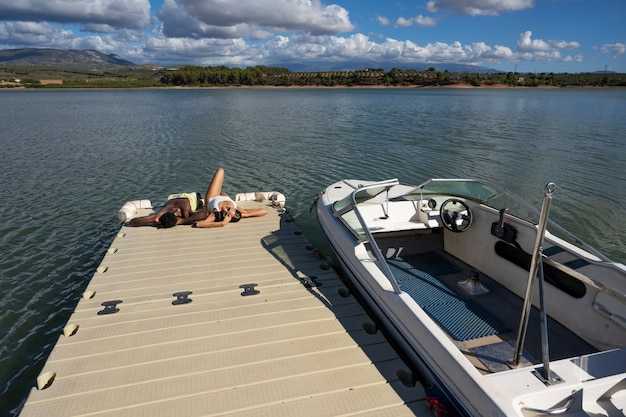
Choose a wide-beam hull (about 4.5–5.5 feet) for stable handling. The majority of stability comes from the beam, so aim for a footprint of 54–66 inches to reduce wobble when you move between decks or seats. This width provides plenty of margin for two adults plus gear, and it helps you stay upright when youre loading gear and moving to fishing spots on ponds.
Hull shape matters most when you’re moving. Flat-bottom designs feel stable at rest but pound in tough chop, while shallow-V and rounded profiles cut through waves more smoothly and track between them. Among the options, a shallow-V with a small deadrise (roughly 3–6 degrees) balances stability and handling. Lund models often show a slightly beveled bottom that tightens tracking without sacrificing deck space; between those and others, pick the one that keeps you planted as you reach shorelines. Whatever you choose, the shown specs should indicate the deadrise and chine design; this doesnt wander in chop.
Planing performance matters. For light 12–16 ft jon boats, planing typically starts around 12–15 mph when lightly loaded; at capacity, you’ll need 15–20 mph, depending on weight and prop. Once on plane, tracking becomes steadier and spray is reduced, which helps on adventures and long runs. To keep stability on plane, maintain a simple weight-distribution system: place the jack, batteries, and heavy storage boxes across the main centerline, roughly halfway between the bow and stern. A balanced load yields a stable feel that doesn’t require constant correction from you.
Practical checks: inspect the beam width shown on the spec sheet, then confirm the actual sizes in feet and inches and compare between models from Lund and others. Check decks and seats for solid mounting and dry storage compartments; ensure there’s space for plenty of gear. Verify the capacity rating matches your planned crew and that you can accommodate life jackets and tackle without crowding. Do a test ride on ponds or calm water; note how the hull behaves in a light chop and in small waves. Use the источник for data and keep your choice simple and easy to compare, then pick the best fit for your local conditions and adventures. Just remember: stability comes from a solid base, the right beam, and a hull shape that aligns with your plans.
Material durability: aluminum grade, corrosion resistance, and finish
Recommendation: Choose marine-grade aluminum in the 5xxx-series (5052-H32 or 5083-H116) for the hull to ensure excellent corrosion resistance, consistent ductility, and solid fatigue strength. This alloy forms the bones of your boat and performs best in open water, whether you run a flat-bottom or tri-hull layout, where load paths and flex differ, better than common grades. With this base, youll enjoy longer hours on the water and fewer repairs than with non-marine grades. Read the label to confirm marine-grade specs, youll feel more confident in your choice.
Afwerking is belangrijk: breng een beschermlaag en een tweecomponenten polyurethaan toplak aan om bestand te zijn tegen UV, slijtage en aangroei. Voor zoutwater- of brakwateromgevingen biedt een duurzame geverfde of gepoedercoate afwerking extra bescherming; zorg ervoor dat de afwerking compatibel is met de legering en dat de verbindingen afgedicht blijven. Een solide afwerking vermindert slijtage langs de bodem en de spiegel na lange dagen op het water en helpt de afwerking tot een samenhangende schil te vormen.
Corrosierisico: minimaliseer galvanische corrosie door aluminium te isoleren van stalen bevestigingsmaterialen. Gebruik roestvrijstalen of aluminium-compatibele bevestigingsmiddelen, voeg mariene afdichtingsmiddelen toe en installeer zinkanodes alleen als er in de buurt van zout water wordt gevaren. Inspecteer regelmatig blootliggende randen aan de onderkant en rond fittingen; open onderhoudsmomenten maken preventie gemakkelijker, en u kunt kostbare reparaties beperken door te handelen voordat de schade zich uitbreidt. Dergelijke preventieve maatregelen besparen urenlang gedoe bij het aanmeren.
Duurzaamheid in de praktijk: kies een romp met een zorgvuldige indeling en gelaste verbindingen, en controleer of het frame bestand is tegen uw voorbedrade motor- en motorsteunen. Als u een indeling aanpast, vraag dan om versterkte naden in het achterschip en de bodem; controleer de kitnaden en zorg ervoor dat de gewichtsverdeling in balans is voor uw motoren, batterij en uitrusting. Te veel gewicht voor- of achterin kan de manoeuvreerbaarheid belasten, dus plan de indeling en test met een duimtest om het gewicht te voelen.
Praktische controles bij het winkelen: lees de dikte van de bodem en de kwaliteit van de lasnaden, controleer of de afwerking van de romp uniform is en verifieer of de indeling aan uw behoeften voldoet. Voor een aangepaste setup verbeteren versterkte ribben de stijfheid; u wilt stahoogte voor uw voeten en een veilige toegang. Overweeg een kleine krik voor het uitlijnen van de trailer en controleer het gewicht en de mogelijke upgrades. U bekijkt ook de garantierechten en wat ze dekken, en controleert of de beperkte garantie overeenkomt met uw verwachtingen. Plan rond een precies schema, zoals vertrek om 06:00 uu, om ervoor te zorgen dat uw testroutine past binnen uw testuren op open water.
Vermogensopties en brandstofverbruik: de juiste buitenboordmotor kiezen voor een 1648M
Kies voor een 20-25 pk viertakt buitenboordmotor om de stabiliteit en het brandstofverbruik op een 1648M te maximaliseren.
Ze houden de romp onder een bescheiden totaal gewicht, waardoor de breedte van 48 inch behouden blijft, wat een solide platform biedt om op te staan en te werpen. Onder een typische belasting van twee personen blijft een 20-25 pk viertaktmotor gemakkelijk te controleren en betrouwbaar. Ze bieden veelzijdigheid voor de ganzenjacht, het krabben vangen of familie-uitstapjes, met minimale aanpassingen. De draaibare bevestiging en een responsieve helmstok zorgen voor een comfortabele bediening vanaf het achterschip of een verhoogd boegplatform, afhankelijk van uw opstelling. Het idee is om vermogen in evenwicht te brengen met zuinigheid, waardoor er in de open ruimte ruimte overblijft voor uitrusting, een koelbox en een paar benodigdheden zonder de boot te overladen. Lees deze gegevens en u zult zien waarom deze selectie voor de meeste eigenaren werkt; in elke test levert de 20-25 pk viertaktmotor een betrouwbaar brandstofverbruik en een soepele werking. hhmm, deze keuze levert vertrouwen en efficiëntie voor dagelijks gebruik.
| Option | Type | HP | Weight (lb) | WOT rpm | Cruise rpm | Brandstofverbruik (gph) bij WOT | Brandstofverbruik (gph) tijdens kruisvlucht | Pros | Cons |
|---|---|---|---|---|---|---|---|---|---|
| 4-takt, 20–25 pk | 4-takt | 20–25 | 90–110 | 5000–6000 | 3000-3500 | 3–4 | 1.5–2.5 | Stil, soepel, betrouwbaar; makkelijke starts; goede restwaarde | Zwaarder dan 2-takt; hogere initiële kosten |
| 2-takt, 25 pk | 2-takt | 25 | 75-95 | 5500–6000 | 3000–4000 | 6–7 | 3–4 | Lichtgewicht, responsief, lagere initiële prijs | Hoger brandstofverbruik, luidruchtiger, premix vereist |
| 4-takt, 30 pk | 4-takt | 30 | 105–125 | 5000–6000 | 3200–4000 | 4–6 | 2–3 | Meer koppel, betere planing bij grotere ladingen | Zwaarder, duurder, iets meer luchtweerstand |
Denk aan het typische gebruik: als je regelmatig twee volwassenen met uitrusting vervoert en een stabiel, voorspelbaar brandstofverbruik nodig hebt, is de 20–25 pk viertakt de juiste balans. Voor incidenteel lichtere ladingen of kleinere budgetten biedt een 25 pk tweetakt snelle respons en een lager gewicht, maar houd rekening met een hoger brandstofverbruik en meer lawaai. Als je grotere uitrusting of ruwer water verwacht, voegt een 30 pk viertakt koppel toe ten koste van extra gewicht. Test altijd met je uitrusting op het platform en controleer de gecontroleerde besturing onder volledige en gedeeltelijke belasting om ervoor te zorgen dat de combinatie binnen de stabiliteits- en breedtegrenzen van de romp blijft en tegelijkertijd ruimte overhoudt voor de benodigde uitrusting. In alle scenario's kunnen een correct afgestemde propeller en een draaibare beugel de controle en efficiëntie van de boot verbeteren, waardoor de selectie eenvoudiger wordt en je vanaf het begin een betrouwbare, veelzijdige setup hebt.
Opbergruimte voor uitrusting, zitplaatsen en hengelorganisatie: het optimaliseren van de interieurindeling
Gebruik een modulair interieur met schuimgevulde opbergvakken onder de stoelen en een vlakke laadvloer om de veelzijdigheid te maximaliseren. Deze opstelling houdt droge spullen toegankelijk en laat ruimte over voor passagiers, waardoor soepele overgangen ontstaan tussen cruisen op meren en een hele dag vissen. Deze opstelling is gemaakt voor snelle overgangen tussen activiteiten, en let bij het evalueren van modellen op verwijderbare stoelen, geïntegreerde droge opbergvakken en toegankelijke, vooraf bedrade stroompoorten om kleine elektronica op een aangedreven opstelling te ondersteunen.
Organiseer je uitrusting langs de boorden met schuimgevulde kisten en ondiepe bakken zodat je ze tussen runs kunt verwisselen zonder over stoelen te klimmen. Gebruik transparante verdelers en duimgrote afstandhouders om hengels en visgerei zichtbaar en gescheiden te houden, zodat je snel kunt pakken wat je nodig hebt als de meren kalmeren en de wind opsteekt.
De plaatsing van hengels is belangrijk: reserveer een rij hengelhouders langs een vlak gedeelte van de boord of een verwijderbaar rek op een kleine trimaran. Voor boten met een enkele of dubbele romp zorgt een compact, met schuim gevuld buizenrek ervoor dat de toppen niet buigen en beschermd zijn tijdens het varen tussen meren.
De zitindeling moet een goede balans ondersteunen: plaats zwaardere spullen richting de achtersteven en houd het boeggebied vrij om te werpen. Dit helpt om trimverschillen te voorkomen en zorgt ervoor dat de boot op koers blijft op meren. Gebruik voor een echt flexibel plan verwijderbare voetstukstoelen, zodat je kunt upgraden naar een grotere, comfortabelere indeling wanneer je van vissen overschakelt naar cruisen.
Beleid voor belading: beperk het totale gewicht van de uitrusting tot een redelijk bereik en test stapsgewijs. Houd het gewicht binnen een bekende limiet zodat de boot stabiel blijft; noteer het aantal kilo's aan elke kant en pas waar nodig aan. Voer een test uit om hhmm op een kalm meer en evalueer de opstelling na een tewaterlating om te bevestigen dat de plaatsing werkt in echte vaaromstandigheden.
Upgrade-pad: wanneer je voor stroom kiest, neem dan een voorbedraad systeem met een compact paneel en leid kabels langs de boorden. Een kleine batterij onder de achterbank houdt het dek vrij en levert stroom voor verlichting, een fishfinder of een steun. Deze setup maakt ruimte voor diverse configuraties op kleine Lund boten en vergelijkbare modellen met platte dekken die uitnodigen tot hengelrekken en extra opbergruimte.
Herzie en pas aan: na je eerste test op het water, schuif je items rond om de ideale positie te vinden. Maak aantekeningen over de plaatsing en het gevoel, wissel indien nodig en zorg dat de lay-out herhaalbaar is voor toekomstige upgrades. Een doordachte indeling van het interieur haalt het meeste uit de compacte ruimte van je jon boat en verbetert de opslagcapaciteit en de visgereedheid.