


 Nederlands
  English (UK)
  Русский
  العربية
  日本語
日本語  한국어
한국어  Magyar
  Türkçe
  Español
  Čeština
  Svenska
  Português
  Ελληνικά
  Suomi
Suomi  Română
  Italiano
  Français
  Polski
  Українська
  Deutsch
  简体中文
简体中文  Slovenčina
  It’s All in the Planning – Festive Fun in a Floating Home">

Start with a concrete 72-hour plan that covers shopping, prep, and the first timeline. Once you map the steps, you will reconnect with guests the moment they arrive. Consider whether you have a tight marina window or a windy afternoon, and tailor your tasks to stay ahead of weather and tide.
Map the kitchen window and craft a menu so you can cook aboard without crowding the galley. Pick a few cinnamon notes–hot cider, spiced muffins–that travel easily and warmly welcome guests; these treats create a lovely ambience.
Use small decorative accents to define zones around the cabin. Place a compact wreath by a portlight, seashell place cards, and a tidy centerpiece. Keep amenities within reach and set a trolley loaded with snacks to minimize steps and load on the galley.
Build in simple activities so you can switch tempo easily: a birding stroll on the dock, a quick board-game round, or a storytelling break. Schedule each session within two-hour blocks so guests stay engaged and lovely views stay in sight, whether the weather shifts or the sun stays steady.
Lead with safety: ook learners to comply with marina rules and lifting limits. Assign a host to tend the deck, monitor lines, and keep a small kit close so you can respond quickly if wind picks up. This approach protects guests and makes the moment feel calm.
Finally, lock in a rhythm: once you have the flow, the celebration runs smoothly with slow pacing and a plan for load management that keeps the space comfortable. This setup helps everyone reconnect and enjoy the afloat celebration, aboard and ashore alike.
Floating Festive Planning

Choose a calm waterfront mooring and lock in a 3-hour window for the celebration. Set a simple, crowd-friendly plan with a small tree centerpiece, scents of cinnamon filling the air, and a short playlist that keeps everyone happy. If you prepare in advance, you can welcome guests with a cheerful vibe from the first hello.
In the cockpit, post a wall of ideas for stations: snacks, drinks, and a safety checklist. Invite boaters nearby to join the fun and mark two friendly destinations you might cruise to after sunset. This approach makes the event feel inclusive for friends and neighbors alike.
Menu planning centers on approachable bites: pretzel bites, cookie dough bites, or mini pizzas baked on deck. Offer both alcohol options and appealing non-alcohol choices, so the group stays inclusive. Never overcomplicate, and keep a simple dough-based treat ready for dessert. Cinnamon already appears in the air; pair it with hard pretzels and a cinnamon sugar dusting to boost cheer.
Safety first means secure lines, sturdy tableware, and a plan to keep balance when the boat rocks; adjust activities accordingly to wind, crowd, and deck conditions. Include a brief, light exercise sequence to help guests stay balanced as the boat rocks. Keep the deck rock solid with non-slip mats, and place the cocktail station at the rail where guests can refill without crowding the walkway. When the hour strikes, gather near the tree for a quick toast and a final round of cheer.
Looking for ideas, you need a flexible plan that accommodates boaters and shoreline friends, with ideas for variations based on weather. This structure will help you invite more people and keep the mood bright, making memories that last beyond the tide. The setup will be easy to replicate at future waterfront parties; you will be ready for new destinations with a similar routine.
| Step | Action | Time | Opmerkingen |
|---|---|---|---|
| 1 | Choose location and window | Morning of | Waterfront, calm, dock |
| 2 | Decorate with tree; set scents | Pre-event | Cinnamon aroma |
| 3 | Set stations; cockpit board | Day of | Boaters & friends invited; destinations noted |
| 4 | Menu: dough items, bites, drinks | Serving time | Include alcohol options and non-alcohol choices |
| 5 | Safety checks; balance tips | Throughout | Secure lines; non-slip mats |
Choose a Docking Location and Theme
Choose a sheltered coastal area near a station with reliable trolley access to shops, so youve got quick moving gear and smooth meetups with friends for yourself and your boater crew. Pick a location with at least two meters of clearance from gangways and within fifty meters of the marina store for quick restocks.
Set a theme that matches the view and the crew. If the area is busy, lean nautical blues, crisp whites, and wood tones; if calmer, try coastal yellows and seafoam greens. Use one dominant color with two accents to keep things cohesive, which helps guests relax and find seating quickly. Tip: add a few emblems or a small flag to signal the theme across the docking area.
Three practical steps guide the setup. First, define the approach that keeps the bow toward the wind and away from traffic; second, place a compact prep corner with a trolley for restocks and a jacket rack; third, establish a simple signal so friends know when to grab snacks, move down to the deck, or head toward the shops. Comply with marina rules and never block the dock, and require life jackets on the edge.
Arrange seating and service within three steps of the gangway to invite boater friends and family without crowding the area. Encourage those past the slips to join in by offering easy paths to the water and a small sports corner for quick games. This setup will influence the mood and keep your area friendly, organized, and ready for a spontaneous gathering.
Draft a Practical Onboard Schedule
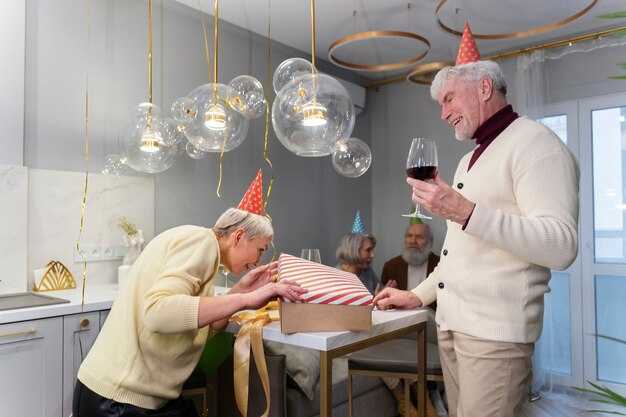
Set three fixed activity blocks and a dinner window, and post them on a small anchor chart. Wake at 07:00, stretch, coffee, and a quick check of water conditions and the forecast. Allocate 90 minutes for prep and maintenance, 120 minutes for festive planning, and a 60-minute buffer between blocks to stay fully in rhythm. This keeps the day predictable yet flexible, so youre not juggling last-minute decisions. This approach has been tested by crews and has proven reliable. It will help you stay calm and organized.
Block one, 08:00–11:00: prep, menu planning, ingredient audit, and oven preheat. Decorate with decorative touches: an ornament on the rail, three pine sticks in a vase, and a string of warm lights. These elements create warmth without clutter and make the cabin feel festive before lunch. If you have artificial snow, dust it lightly around the ornament to add a magical touch.
Block two, 11:00–14:00: deck time and light activities. Captain checks in and adjusts the pace as you move between locations along the waterfront. Capture photos, tidy lines, and move staging items between cabin and deck. Use the decorative touches to set a photo area near the water and refine arrangements as you travel between locations along the waterfront. Crew members have said this approach saves time. Keep safety top of mind near the rail and avoid crowding doorways.
Block three, 15:00–17:30: kitchen focus and dinner prep. Preheat the oven, simmer sauces, and assemble a chocolate dessert using ready-made bases. Plan a simple three‑component dinner: main, side, and warm bread. Set the table ahead and coordinate a dine-at time near dusk.
Evening wrap-up: after dinner, wipe surfaces, store leftovers, and update your plan for tomorrow. Keep a waterproof card with the schedule and a small checklist, and set alarms for wake time and block transitions. Provisions: visit waterfront shops for fresh spices, candles, and snacks; plan three stops at these locations so you stay stocked without backtracking between dock locations.
Plan Food, Drinks, and Compact Storage
Start with a 3-day rotating menu and pre-portion meals into 2-serving containers. This makes cooking on a float easily, even when the vessel moves, and helps you make meals fully with minimal waste. Map ingredients to the fridge sections so you know where to find them, and plan accordingly.
Choose compact gear: a 40–60 liter fridge fits under the counter and runs quietly. Use adjustable dividers and clear bins so you can see contents at a glance. Position the fridge within easy reach of the cockpit area, so you never stretch or spill while steering or navigating.
Plan drinks with purpose: a slim beverage cooler or insulated carafe kit keeps water, juice, and mixers ready. Keep a 1.5–2 liter bottle for guests in the fridge and reserve a small cooler for ice and wine; pre-chill everything so you can serve quickly during adventures or busy evenings. Explore different ways to serve drinks to suit your crew.
Storage: Use stackable, clear containers with airtight lids and label dates. Allocate zones: dry goods on a high shelf, perishables in the lower section, snacks in accessible bins. Add under-seat drawers and wall rails for utensils and small bottles, maximizing every inch within reach. Label everything so you can grab items just as needed.
Shopping: Build a routine with shops near the marina and online options. Buy non-perishables in bulk and repack into uniform containers, and schedule regular trips to drop-off points so perishables stay fresh. When you plan ahead, you can ship bulk items to a marina shop or a nearby warehouse, then pick up on your next pass-by visit.
Food safety: Label containers with dates and contents; store raw proteins separately from ready-to-eat foods; clean and sanitize surfaces after food prep; keep the fridge set between 1–4°C and never overload shelves so air can circulate.
Decor and celebrations: For celebrations, stash a simple kit with ribbons, a few festive snacks, and a compact dessert option. Plan to enjoy treats in the cockpit or on deck while docked in the marina, and time your small fireworks show from a safe location, away from the galley. These tiny experiences create memories without clutter, turning routine meals into adventures.
Experience and adaptation: Review past trips to refine your system: note what you cooked, what you used most, and which storage setups prevented spills. Use those experiences to adjust portions, shelving, and shopping cadence, so your on-board kitchen becomes more reliable with each voyage. Tailor ideas to yourself, trying new flavors and textures.
Checklist and routine: Before departure, run a quick stock check: fresh produce, dairy, meat, and beverages; ensure all items are secured to prevent movement; wear non-slip footwear during prep; keep essential items within sight and within arm’s reach; where possible, store weekly staples near you for quick access.
Prioritize Safety and Comfort on Deck
Put on a life jacket before stepping onto deck and secure the rails; this immediate measure protects every person aboard.
Build a practical routine that blends safety with comfort for both day and night on coastal boats. Use a simple, repeatable pattern to keep everyone aligned.
- Pre-check: Walk the deck to spot wet patches, loose lines, and trip hazards; wipe surfaces dry and log the inspection in a small deck book for quick reference. Captain-led checks set the tone for safety every time.
- Point of passage: Create a clear path from bow to stern and designate zones for walking, lounging, and staging gear; mark the point with a bright ribbon or ornament that won’t shift in rough water.
- Clothing and comfort: Have a sweater handy for cooler coastal evenings and ensure everyone wears non-slip footwear; warm layers keep morale high during long gatherings.
- Hydration and drinks: Use spill-proof cups and place them in stable holders; limit high-alcohol beverages when underway to avoid accidents, especially during tight turns.
- Roles and drills: The captain leads safety drills; assign tasks to both crew and guests so responses are fast and coordinated. David’s tip is to rehearse a simple meeting point in case of sudden weather changes.
- Wellness and atmosphere: Schedule short rests to prevent fatigue; provide fresh air breaks and keep stereo volume moderate to maintain awareness while creating a welcoming mood.
- Decor and spices: Secure ornaments and sachets containing cloves; ensure any decorative elements are tied low and away from railings to prevent snagging or obstruction in motion.
- Toilet and hygiene planning: Establish a straightforward access plan for the deck and cabin toilet; keep the route clean and clearly marked for comfort and discretion.
- Entertainment balance: Keep the stereo at a comfortable level; switch to quieter tunes during night watch to preserve alertness and improve the vibe aboard.
- Advance planning: Review weather patterns and coastal forecasts ahead of time; adjust routes and plans accordingly to avoid rough seas and optimize comfort for everyone on board.
- Platform safety: If you book a crew or rental via Boatsetter, verify their safety brief and share your deck checklist before departure; align on emergency signals and rendezvous points.
- Logistical readiness: Carry a useful, compact first-aid kit, a small notebook for quick notes, and a regular point of contact for emergencies; these items keep the wellness of the group steady from start to finish.
Decor, Lighting, and Sound for a Cozy Glow
Start with a warm, seasonal decor plan: a cohesive palette of ivory, copper, and deep pine, with lovely textures like wool throws and velvet cushions. Place a compact tree in a corner and tuck cinnamon sticks into ribbons for a subtle scent. Avoid ugly decorations that clutter the deck, and plan placements so you can shift between cockpit, saloon, and galley while you prep for holiday parades or a quiet night at anchor.
Lighting is the backbone of a cozy space. Install dimmable LEDs along handrails and shelves so you can adjust mood easily. Use warm white at 2700K for the main areas, and a cooler, frosty accent near portholes to evoke a frosty morning rather than glare. Create lighting zones between cockpit, galley, and saloon; control them with a single smart hub so you can light accordingly for cooking, reading, or social time. Keep fridge lighting integrated into the same hub so small snacks stay visible without creating extra cords. Schedule weekend and weekday scenes to simulate daylight patterns, and include a gentle winter-sun glow near the forward windows to extend daylight visually.
Sound adds texture without crowding the space. Use a compact, marine-grade speaker in the salon with a small USB battery pack so you can play music during weekend adventures or calm evenings. Pick a soft ambient loop for meals, a brighter festive set for parades and gatherings. Keep volume balanced with the boat’s natural hum so conversations stay clear; never let the sound compete with wind and water. These ideas help you tailor sessions for different crew moods.
planning and practicalities go hand in hand. Choose marine-grade fixtures, avoid fragile decor, and maintain a simple storage plan so you can re-create the same look next season without a full reset. Put the tree and ornaments in labeled lockers, and reserve a bin for cinnamon sticks and pine boughs so the scent travels without cluttering vents. Keep the fridge stocked for guests, but ensure lights and speakers are off when you head into the cockpit for night watches. During frosty mornings, let the winter-sun streams soften the space, and rotate lighting to contrast bright breakfast with cozy evenings. With these ideas, weekend trips feel welcoming for parades and adventures alike, and you never lose the planning thread that holds the look together.