


 Nederlands
  English (UK)
  Русский
  العربية
  日本語
日本語  한국어
한국어  Magyar
  Türkçe
  Español
  Čeština
  Svenska
  Português
  Ελληνικά
  Suomi
Suomi  Română
  Italiano
  Français
  Polski
  Українська
  Deutsch
  简体中文
简体中文  Slovenčina
  How to Run Faster – Top 5 Tips to Boost Your Speed">

Begin with a precise baseline and an eight-week plan to boost speed. Measure your current pace with a 1-mile time trial, then set clear, weekly targets to progress. physically, your body adapts to progressive stress, so start with a comfortable mix of easy runs and walking on easier days, building a vers foundation that keeps motivation high as momentum goes and you stay road-ready.
Tip 1: Add targeted speed work. Do 6–8 x 400m repeats at about 90–95% of max, with 90 seconds of easy jogging between reps, twice per week for eight weeks. A meta-analysis of running studies shows these sessions boost pace and tempo efficiency, especially when you pair them with lower-intensity days to manage fatigue.
Tip 2: Build lower-body and core strength for stability. Two strength sessions weekly with squats, deadlifts, lunges and step-ups improve power off the ground and reduce injury risk. A strong posterior chain helps you drive forward on the road with less energy, which means you complete races feeling smoother and more controlled. american runners often report faster times when this work is consistent; keep the reps modest and progress slowly to avoid overdoing.
Tip 3: Refine form and cadence for efficiency. Aim for a quick, light turnover around 170–180 steps per minute with a relaxed upper body. Focus on a tall but not rigid posture, a midfoot strike, and a slight forward lean from the ankles. Proper technique reduces braking on the road and, when it feels smooth, you gain speed without extra fatigue.
Tip 4: Prioritize recovery and injury prevention. Sleep 7–9 hours, stay hydrated, and use easy walking or easy runs after hard days to aid repair. Include mobility work and foam rolling to maintain range of motion, and listen to your body so you can manage pains before they escalate and it feels off. If you notice persistent pain, adjust your plan to determine the cause and keep a healthy pace.
Tip 5: Plan and track progress to maintain momentum. Use a simple log to determine weekly mileage, target paces, and how the pace feels during each run. Keep the plan adaptable to fit your schedule and provide support when needed; complete eight weeks with confidence by reviewing your data and adjusting as you go. Consistency beats bursts, and small, physically sustainable gains add up on the road to faster times.
Structured steps you can apply today
Do 4 x 60 m accelerations today with 2 minutes rest, pair with a partner to count splits, and return to the start with a light jog. Focus on driving the hips and keeping your torso tall for efficient turnover.
-
Sprint activation and pairing: 4 x 60 m accelerations, 2 minutes rest between reps. Pair with a partner to log times so everyone stays accountable. Return to start with a light jog and repeat the cycle, aiming for consistent peak speed in each rep. Then review split times together to refine technique.
-
Mobility and posture: 7 minutes of dynamic prep addressing hips, quadriceps, ankles, and calves. Include leg swings, hip circles, ankle pops, and a short lunge sequence. The goal is to reduce stiffness by 20-30% and maintain a tall, neutral spine through the sprint.
-
Strength anchor with deadlift focus: 3 sets x 5 reps at 75-85% 1RM, with a controlled tempo (2 seconds up, 2 seconds down). If this load is new, start at 60-65% and build. Add 2 sets of Romanian deadlift (6-8 reps) to boost hamstrings and glutes, supporting rapid hip extension throughout a marathon or any long-distance effort. Throughout weeks, increase weight modestly while preserving form.
-
Technique drills to transfer speed: 4 x 20 m bounds and 4 x 20 m A-skips, then 4 x 20 m quick-recovery accelerations. Focus on foot contact under the hips, minimal ground contact time, and hips staying level. This builds sprinting skill and stability. Then return to a light jog after each set to stabilize rhythm.
-
Recovery, monitoring, and progression: prioritize sleep (7-9 hours), protein intake, and hydration. Schedule 3 sprint sessions and 2 strength days per week for 4 weeks. Track 30 m or 60 m times; weve seen gains when you maintain consistency and adapt to human needs. Everyone progresses at a different pace, so adjust volume accordingly. At the end of weeks, re-test and set the next target.
Baseline Assessment: Run a 1-Mile Time Trial to Set Your Starting Point

Start with a precise 1-mile time trial on a flat, measured loop to establish your baseline. Use a track or a long, straight paved stretch marked in distance; confirm the course distance and keep it consistent next time. This starting point anchors your speed plan and makes every week measurable.
Gear up with proper shoes, stay hydrated, and avoid pushing through pain. If you live near francisco, breeze and coastal air can change pace; plan accordingly. You wont rely on rough guidelines–trust measured times as your truth.
-
Ground and conditions
Choose a flat, smooth ground–track is best. If you rely on a road loop, confirm the distance with markers and GPS so you have a true 1 mile. This ground familiarity keeps results consistent and comfortably repeatable. Additionally, check wind, temperature, and surface; these factors can shift results by seconds per mile. francisco-area sessions may have coastal breezes that require pacing adjustments.
-
Warm-up
Warm up 8–12 minutes with easy jog, mobility, and 4 x 20–30 m strides with full recovery. This prepares the muscles and joints, reducing injury risk. This warm-up needs to be consistent across trials to ensure comparable reactions and timings; then you’ll start from a stable baseline.
-
The mile time trial
Run 1 mile at a hard but controlled pace. Use even splits; target pace equals your goal time divided by four for the 4 x 400 m blocks. Start with the first 400 m slightly slower than your target pace to avoid explosive starts; then settle into a sustainable rhythm. If you hit 0.8 miles and feel heavy, adjust to maintain consistency. You wont gain a PR by sprinting out and fading; avoid throwing energy into the final stretch and finish with a controlled cadence. For coaches or partners, share your splits to keep reading honest.
-
Data processing and interpretation
Record total time, 400 m splits, and average pace per mile. Processed data helps you interpret fatigue and effort. Use this as your starting point. The readouts from your watch, treadmill, or app provide a clean baseline. Then you can compare to future trials and see progress. This article describes how to calculate pace and plan adjustments to stay on track.
-
Plan and progression
Four-week progression: four main workouts per week plus a consistent cooldown. Implement step-ups in tempo and interval work: 1–2 days of tempo or intervals, plus one long run and one easy recovery day. The plan makes consistency easier to hold; aim for small weekly gains rather than big leaps. Ensure you keep needs in mind, and adjust when you feel pressure or fatigue. If you want a practical approach, this article can guide you; still, keep it personalized and flexible. Additionally, you can use a kilding cue to remind yourself to stay smooth and efficient.
-
Cooldown and recovery
Cooldown 5–10 minutes and light stretching; rehydrate and refuel after the test. This cooldown helps you recover and reduces soreness. The effort should not leave you collapsed on the ground; you should feel ready for the next session. Then done–your baseline assessment is complete and you’ve set the starting point for speed gains.
Weekly Structure: Build a 12-Week Plan That Fits Your Schedule
Lock a 12-week fixed schedule: 3 running days per week (easy, tempo, long), 2 cross-training/rest days, and one optional short wind session to keep the legs responsive. Also plan two short mobility sessions per week to support recovery and form.
Start with a conservative base: Weeks 1–4 cover 12–20 miles (19–32 km) total. Increase by 5–8% per week, or insert one quality session every two weeks, with a cap of +15% over four weeks. Over the 12 weeks, final volume typically reaches 20–28 miles (32–45 km) per week for most runners, depending on experience and limited time windows. If time is scarce, swap a long run for two shorter runs that fit your schedule while maintaining total weekly load.
Weekly skeleton: Mon easy 4–6 km, Tue tempo 15–25 minutes, Wed rest or cross-train, Thu easy 4–6 km, Fri strength and mechanics work, Sat long run 60–90 minutes, Sun rest. In weeks with a speed block, add 6×400 m at fastest sustainable pace with 90 seconds jog recoveries; in endurance weeks, substitute tempo with a steady 20–25 minute effort. Finish each session with 6–8 minutes of stretching to support mechanics and reduce injury risk. This approach also keeps you moving toward the fastest sustainable pace rather than chasing a single split.
Strength and mechanics: Two weekly strength sessions target hips, glutes, calves, and core. Include squats, lunges, step-ups, single-leg deadlifts, bridges, and hip thrusters. These moves build mechanics and stride economy, and keep you healthier over the long run. Perform 2–3 sets of 8–12 reps with controlled tempo and full range of motion, and always finish with a dynamic stretch to maintain flexibility.
Plateau management: every four weeks, switch one workout to a slightly higher intensity or add wind sprints, for example 4×60 seconds at threshold with full recoveries. This adjustment helps you avoid stagnation and keeps the stimulus fresh. If you feel tired, back off by one session and extend the long run by 10 minutes the following week.
Personal planning and tracking: map your personal schedule to the plan so you can train consistently. If you work with a coaching company francisco or a local club, integrate their notes into your week blocks. Use counting to log weekly mileage, longest run, average pace on tempo days, and sleep hours to gauge recovery. If time is limited, you can drop one easy run and substitute with a brisk 20-minute jog after work without losing overall load. The word plan here is consistency, not perfection, and it keeps you on track.
Sleep and recovery: target 7–9 hours of sleep per night, with a 8–12 minute post-run stretching routine and a hydration plan. Sleep quality predicts performance you’ll notice in Week 6 and beyond. Additionally, keep a short wind-down routine after training to promote actual recovery and readiness for the next session. In this article you’ll find a practical structure you can adapt to your free time and personal priorities, so you can improve steadily and actually see progression.
Speed Work Basics: Intervals, Tempo Runs, and Strides
Begin with one focused speedwork session per week, totaling 20–25 minutes including warm-up and cooldown. This approach gives the most reliable gains with manageable fatigue. For warm-up, jog 8–10 minutes, add dynamic leg drills, then 4 x 20 m strides to prime the legs, and finish with 5 minutes easy jog. During the week, keep easy runs to build stamina and notice your form improving at higher speeds. If youve never done speedwork, start with a 15-minute session and increase by 5 minutes each week. Doing these three types builds a complete speedwork foundation. Speed gains come from consistent, quality sessions.
Intervals: Do 6 x 400m at a crisp pace (about 5K race effort) with 90 seconds of easy jog between reps. The total distance is about 2400m. If you want a lighter option, you can do three x 600m instead. Focus on good form; their pace should stay consistent across reps. Use a 5-minute jog after to stabilize your heart rate and motion; keep hands relaxed and drive the elbows to maintain forward motion. You shouldnt push past your form–if fatigue rises, cut reps.
Tempo Runs: Loop 15–20 minuten op tempolooppas – de inspanning die je ongeveer een uur lang in een wedstrijd vol zou kunnen houden. Doe het als één doorlopend blok of als drie blokken van 5 minuten met 2 minuten rustig inlopen ertussen. Warm 10 minuten op, koel 5 minuten af. Deze sessie bouwt uithoudingsvermogen op en leert je lichaam hoe een constante, krachtige snelheid aanvoelt. Bovendien benadrukken artikelen over hardlopen dat kwaliteit boven kwantiteit geldt, vooral voor langeafstandsdoelen.
Stappen: Eindig met 6–8 x 15–20 seconden strides op ongeveer 90–95% van de maximale snelheid, met volledig herstel tussen de herhalingen (90–120 seconden). Strides verbeteren de snelheid en helpen de snelheid over te brengen naar het wedstrijdtempo. Houd je armen en handen ontspannen; vermijd werpbewegingen met je schouders of het buigen van je rug. Gooi je schouders niet naar voren; houd de beweging in plaats daarvan soepel. Visualiseer een vis die door het water glijdt om de beweging soepel te houden en probeer je core plat en stabiel te houden. Na de set, jog je 2–3 minuten rustig om te herstellen. Deze sessie geeft je een snelle boost zonder zware vermoeidheid.
Loopvorm en Cadans: Verbeter Frequentie, Houding en Voetafwikkeling
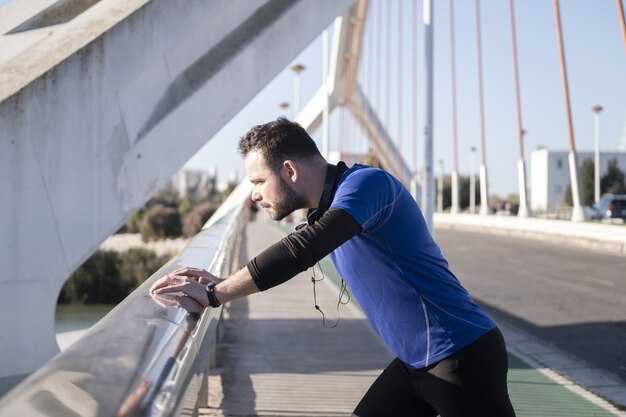
Richt je tijdens de meeste runs op een cadans van 170-180 stappen per minuut en houd deze aan met een metronoom, een tempo-afspeellijst of een smartphone-app. Probeer voor een zachte reset een blok van 5 minuten met een cadans van 70-80 om weer in contact te komen met een lichte, frisse pasfrequentie voordat je het tempo opvoert.
Begin met 5 minuten aan oefeningen om de passen opnieuw in te stellen: 2 herhalingen van 30 seconden elk op hoge knieheffen en 2 herhalingen van 30 seconden op hakkenbillen, plus 4 x 20 m versnellingen op een makkelijke inspanning om de benen wakker te maken. Gebruik kleine herhalingen om consistentie op te bouwen en je overgangen soepel te laten verlopen.
Cadans: houd je stappen kort en licht, land onder je zwaartepunt en vermijd overstrekken. Korte, compacte stappen verminderen het afremmen en verbeteren de efficiëntie; zie je voeten als een drumbeat, niet als een zware hamer.
Houding: houd een rechte romp aan met ontspannen schouders en een lichte voorwaartse helling vanuit de enkels. Je knie moet op natuurlijke wijze buigen bij contact, en je heupen blijven gelijk om de uitlijning te beschermen en verspilde energie te verminderen; weet dat een stabiele basis je helpt om te pushen zonder dat vermoeidheid toeslaat.
Voetlanding: streef naar een vlakke landing op de middenvoet, met de voet onder de knie bij grondcontact. Zachte landingen en een stille voetlanding helpen je soepel af te zetten in plaats van met de hak te klappen; dit vermindert de impact en houdt je cadans stabiel tijdens het accelereren.
Oefeningen: voeg een kleine routine van vormwerk toe: A-skips, carioca, high-knee marches en quick-feet reps, 4 x 20 m voor elke oefening. Combineer deze bovendien met fietsen of andere low-impact activiteiten op rustdagen om de controle op verschillende inspanningsniveaus te versterken.
Kracht en mobiliteit: neem enkelmobiliteit, heupbruggen en eenbenige oefeningen op in je routine om de kniepositie en stijve enkels te ondersteunen. Rekoefeningen na de training helpen om comfort te behouden, het bereik te verbeteren en te voorkomen dat stijfheid de omloopsnelheid vertraagt.
Progressie en tracking: bepaal je basiscadans tijdens rustige loopjes en voeg dan elke twee weken 5-10 spm toe als je je stabiel voelt. Als je vermoeidheid of een afwijkende loopstijl opmerkt, doe dan een stap terug en focus op comfort; oefen geleidelijk en verhoog het tempo pas als je de controle kunt behouden, voorafgaand aan daadwerkelijke snelheidstraining.
Resultaten komen voort uit kleine veranderingen die zich in de loop van de tijd opstapelen. De auteurs suggereren een geduldige, consistente routine: focus op de middenvoetslanding, houd de knie zacht en benoem eventuele fouten in je vorm tijdens de herhalingen. Zoals elke vaardigheid vereist dit oefening en een duidelijke routine, en je weet dat je op de goede weg bent wanneer je voetlanding vlak blijft, je afwikkeling soepel blijft en je houding moeiteloos rechtop blijft.
Voortgang bijhouden: Wat je moet meten en hoe je je plan aanpast
Houd vanaf dag één tempo, afstand, cadans en hartslag bij, en noteer elke sessie met een korte aantekening over bewegingsmechanismen en hoe je je voelde. Gebruik een metronoom om de cadans constant te houden tijdens rustige kilometers, en noteer hoe heuvels de inspanning veranderen. Bewaar gegevens op één plek om sessies snel te vergelijken en een evenwichtig beeld van de vooruitgang te behouden.
Definieer wat je meet en wanneer je aanpast. Een wekelijkse snapshot houdt je een stap voor op kleine verschuivingen en begeleidt beslissingen over trainingen, rust en voeding. Vertrouw niet op één enkele meetwaarde - de dingen die je meet, zoals tempo, hartslag, cadans en ervaren inspanning, vertellen samen het volledige verhaal.
Gebruik deze richtlijnen om je aanpak vorm te geven: stel een ideaal ritme in met een metronoom, houd een drempeltempo aan op tempodagen en voeg heuvels toe om kracht op te bouwen. Noteer bewegingskwaliteit en vormaanwijzingen, en pas vervolgens elke week één gewijzigde variabele toe om te zien wat effect heeft.
Noteer bij het tanken elke maaltijd voor en na de trainingen en hoe deze de energie beïnvloedde. Een consistent maaltijdplan stelt je in staat om met een hogere intensiteit te trainen wanneer dat nodig is, terwijl het herstel onder controle blijft. Eindig met een rustige cooling-down van 5 minuten om te resetten.
Houd je plan flexibel: als je een trend van traag herstel of toenemende vermoeidheid ziet, verschuif dan één dag van hoge intensiteit naar gemakkelijk, pas het totale wekelijkse volume aan, of voeg een lichtere dag tussendoor toe, waarbij je van tevoren een evenwichtige verdeling behoudt.
| Metric | Wat te meten en hoe | Trigger / Target | Aanpassingen |
|---|---|---|---|
| Pace | Registreer het tempo per km/mijl en volg de trend over sessies heen; gebruik een metronoom ingesteld op je huidige cadans voor consistentie. | Binnen +/- 5-7 seconden per km over twee weken; indien daarbuiten, bereid een kleine aanpassing voor. | Verhoog de makkelijke kilometers, vervang één sessie door heuveltraining, of pas het einde van tempodagen aan om in balans te blijven. |
| Afstand en duur | Registreer de totale wekelijkse afstand en tijd van elke loop; let op afwijkingen tussen gepland en daadwerkelijk. | Wekelijks doel binnen 90-110% van plan; afwijking buiten 10% vereist aanpassing. | Herschik de wekelijkse belasting; vervang één training door een makkelijke hersteldag; maak een sessie iets korter of langer. |
| Cadence | Cadans (stappen per minuut) met metronoom-aanwijzingen; let op stijfheid of daling van de cadans op vermoeide dagen. | Houd een cadans van 170-180 spm aan tijdens de meeste runs; een cadans lager dan 165 spm activeert een cadansoefening. | Voeg cadans-oefeningen (3-5 minuten) en heuvelop herhalingen toe om je beenfrequentie te verhogen. |
| Hartslag en drempel | Noteer de gemiddelde HF tijdens tempodagen en schat de ventilatoire drempel; noteer de HF bij constante inspanning. | De hartslag in de hersteltempozone moet onder de drempelwaarde plus 5-10 slagen per minuut blijven voor gestage vooruitgang. | Als de HR omhoog kruipt, verkort dan de duur van de tempo-training of vervang een intensieve dag door een rustige dag. |
| Beweging en mechanica | Beoordeel de vorm: voetafwikkeling, knieheffing, heuppositie; gebruik simpele aanwijzingen en oefeningen om veranderingen te volgen. | Visuele verbetering over 2-3 weken; geen scherpe achteruitgang in vorm op vermoeidheidsdagen. | Integreer vormoefeningen, kortere passen en drill-gerichte warming-ups vóór het hardlopen. |
| Herstel en slaap | Houd de slaapduur en hartslag in rust bij; noteer je stemming en spierpijn. | Slaap >7 uur op de meeste dagen; stabiele rusthartslag binnen 3-5 bpm. | Verhoog het aantal rustige dagen, voeg indien nodig een deload-week toe en hydrateer goed na de trainingen. |
| Brandstof en maaltijden | Noteer pre- en post-workout maaltijden; houd energieniveaus en maagcomfort bij. | Voeding is afgestemd op het type training; energie blijft constant gedurende de sessies. | Pas de maaltijdtiming aan (1-2 uur voor het hardlopen) en de koolhydraatinname rondom dagen met hoge intensiteit. |
| Plan aanpassingen | Use weekly reviews to decide changes to volume, intensity, and rest. | Move one recovery day, or add a short easy run after hard days if needed. | Incrementally adjust by 5-15% of weekly volume; monitor fatigue signs. |