


 Nederlands
  English (UK)
  Русский
  العربية
  日本語
日本語  한국어
한국어  Magyar
  Türkçe
  Español
  Čeština
  Svenska
  Português
  Ελληνικά
  Suomi
Suomi  Română
  Italiano
  Français
  Polski
  Українська
  Deutsch
  简体中文
简体中文  Slovenčina
  Fishing’s Greatest Destinations – A Global Rescue Guide">

Always check weather and tide windows before you cast, and set a plan for moderate seas when planning coastal sessions. This quick check keeps you in control and helps decide whether to pursue offshore breaks or sheltered bays.
patagonia offers rugged coastlines with cold water and broad tides. surfcasters work from exposed beaches, chasing geelstaart en mackerel during favorable fronts. On big days, a steady lead and a reliable knot make the difference when currents shift; guides on the ground often shorten the learning curve for newcomers, and the right rig including fluorocarbon leaders and a full setup of tippets.
in florida’s gulf coast, shallow flats and protected harbors host reliable runs of mackerel en geelstaart near passes. Anglers can fish from piers, boats, or beaches, using compact gear and solid knots. unstable weather can disrupt plans, so have a flexible plan that includes sheltered spots such as estuary mouths in the afternoon.
beyond the u.s. coast, costa rica’s reefs and offshore banks offer warm-water action with migratory species. the best windows come with light-to-moderate winds and clear water; local guides can map banks, reveal knot setups that work with a variety of rigs; include a full supply of hooks, swivels, and lead heads for quick rig changes.
for anglers seeking reliable action, focus on coasts that offer consistent bites during late spring to early fall; keep in touch with local guides to learn knot styles and rig details; always prioritize safety, maintain weather awareness, and respect the water’s power.
Global Rescue Guide for Anglers and Deep Sea Tackle Insights
Always assemble a compact emergency kit: 406 MHz PLB, handheld VHF, spare batteries, signaling flares, a waterproof GPS, and a lightweight life raft or throwable buoy. Keep the kit near the helm and run a quick 5-minute check before each trip. Test the kit today to verify your setup.
Whereas weather can shift quickly, check a 24-hour forecast and plan a safe return to shore if seas climb above two meters. Inshore operations require a PFD for every person and a short tether when moving along the rail. Offshore charters should maintain a formal watch, assign a dedicated lookout, and keep a fixed plan to reach a safe harbor if needed.
Deep-sea tackle insights: Jigging and artificial lures shine near reef edges and kelp patches. For blackfin tuna, use 50-80 lb class rods with braided line and 60-100 lb leaders; typically spool 300-500 yards of braid. Rainbow runners respond to bright colors and fast cadence; use lighter 20-40 lb outfits for open-water jigging. Make cadence adjustments based on current and target species, which keeps the bite active.
Charter boats and guides bring local knowledge of seasons, reef structure, and currents. They carry up-to-date equipment, run safety drills before departure, and coordinate retrieval if something goes wrong. If you need assistance, contact emergency services via VHF channel 16 and share your position with a satellite messenger; charters can coordinate pickup or diversion to a safe harbor.
Post-trip discipline boosts safety: run a quick check of gear, note wear, and update the tackle list with which types of reef or kelp zones produced bites. Maintain a log of days fished, conditions, and results to inform future charters and inshore trips. Typical offshore runs require a marathon mindset, with backup rigs and limited weather margins, and insights you have been compiling.
For days spent targeting blackfin or rainbow, shipmen should question the rigging, test lines in the morning, and confirm the coast’s current before you cast; from reef to coast, different types of structure demand tailored setups and precise jigging rhythms. Today’s practice is making safety second nature, not add-ons.
Pre-Trip Safety Basics: Local rescue resources and communication plans
Recommendation: secure a satellite messenger with SOS and two-way messaging, test it on land, and again offshore to confirm coverage. designate katherine as primary contact and two alternates, and store the contact list in the open storage as well as in your phone notes. youre team should review the plan before every departure and after any schedule change.
- Two-tier plan: assign a captain, a lookout, and a medic, with clear duties for each leg of the trip. Use a written open checklist you can locate quickly in the storage cabinet. Include a fallback route in case of bad weather, and rehearse the man-overboard and hasty-return steps in calm waters first.
- Local emergency resources and response points: map the closest harbor masters, regional emergency services, and the main coast guard offices along the route, especially near the peninsula and the most exposed open-water stretches. Note the hours of operation for clinics in the southern ports and the regional hospital capable of on-water transfers.
- On-board signaling and signaling redundancy: keep an EPIRB or PLB, a handheld VHF radio, spare batteries, and a whistle. Confirm that the VHF radio is tuned to channel 16 for hail and switch to a working channel (e.g., 68 or 69) for routine coordination with a nearby port or charter base. Have the satellite device configured to ping a fixed location every 30 minutes during offshore legs.
- Booking and training prerequisites: book a safety briefing with the charter company, enroll in a basic first-aid/CPR course, and practice a quick rescue drill and a recovery drill with the crew. Keep a copy of the training certificates in the storage and a digital version in your email.
- Drills and maintenance cadence: run a weather-brief check, a radio-check, and a short MOB drill the day before the trip. Inspect flares, lights, and signaling gear; replace expired items. Maintain a small log that records checks and updates, and share it with your home base.
- Species-specific planning and route awareness: whether chasing halibut, sheepshead, amberjack, pompano, or trout, have a plan to locate safe anchorages or sheltered bays in case of a sudden shift in wind. Know the most reliable shelters near the southern coastline and be ready to alter course if weather aligns with Himalayan-like squalls. Keep the gear organized so you can drop gear quickly and move to safety without delay.
- Example operational flow: before you leave, mark key points along the coastline and on your chart, including the closest open ports. If conditions become feisty or visibility drops, switch to a pre-designated shelter and contact the harbor master for a safe berth. This approach helps you earn time for a weather check and ensures you can relocate to an accessible port in minutes.
- Crew communication and reference points: spell out how you’ll signal trouble (light, radio, device alert) and where to meet if you lose radio contact. Ensure there is a reliable means to locate the vessel on radar or AIS if visibility reduces, and confirm that the open-water route aligns with the most efficient rescue access points along the route.
There you go: a practical framework that keeps you protected during offshore forays targeting those prized catches–halibut, sheepshead, amberjack, pompano, and trout–while staying ready to summon real-world help without delay.
Emergency Gear by Sea State: EPIRB, VHF, life raft, flares, and first aid
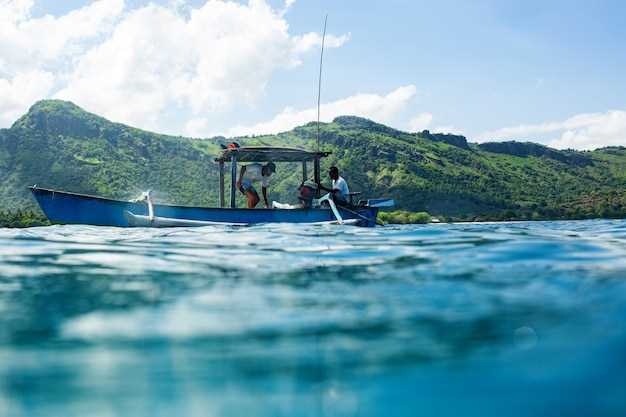
Install a registered EPIRB in a quick-release bracket, test with the national distress service, and replace the battery every five years. Keep it dry, within arm’s reach, lining the cockpit so you can trigger it with one hand if spray hits the console. In vogue terms, this kit prioritizes speed and simplicity. Bottom line: this beacon accelerates response when you’re far from shore, and most crews rely on it as their first line of support.
Calm to light chop (0-1 m): VHF is your main link. Clip a handheld radio to the lining of a life jacket for fast access, keep it elbow-height, and preprogram channels 16 for hails and 70 for DSC. Verify EPIRB status, antenna integrity, and battery age. The life raft should stay in its cradle with painter attached and hydrostatic release serviced. Carry two handheld red flares and two parachute flares for visibility, day or night. Check the first-aid kit: sterile dressings, antiseptic wipes, scissors, tape, and pain relief, with medicines stored in a dry bag to resist salinity. In this zone you’ll find grass along the coastline, diverse marine life, and activity around pollock and skipjack–feisty species that keep anglers busy and hunter instincts of pollock drive the action. If a fish is hooked, ease the line and avoid snagging the kit.
Moderate chop (1-3 m): Ensure liferaft inflation is reliable and can be deployed within 60 seconds. Verify painter line length and secure points, keep VHF on standby, and confirm you can reach the distress service if needed. Add a spare battery for VHF/EPIRB, and keep signaling gear accessible; consider extra flares for extended waits. Maintain a well-managed first-aid kit with wound-care items, burn gel, and electrolyte sachets. This approach suits the coasts of africa and patagonia, with a variety of seas and climates demanding readiness for deep-water operations. For anglers, maintain a steady cast rhythm during drills so the crew can join a distress broadcast quickly if required.
Heavy seas (≥3-4 m): EPIRB and VHF must stay powered and monitored; liferaft deployment is reserved for abandon-ship or major flooding. Ensure every crew member wears a PFD with a visible badge, and keep a continuous radio watch on 16 with DSC ready. Flares remain essential, but use them in concert with a beacon signal. First-aid supplies stay dry and accessible; include water purification tablets and a compact trauma kit. In deep water, keep the group together and maintain line of sight for a response team. Worth noting, this marathon-style scenario tests discipline; patagonia’s southern seas and africa coastlines require readiness to avoid entanglements and to stay within signaling range until help arrives. Regularly check bag lining, tighten straps, and monitor salinity exposure on gear, so you stay ready to cast when the moment comes.
Tackle Selection for Deep-Sea Gamefish: Rods, Reels, Lines, and Leaders
Start with a 50–80 lb offshore outfit: a slender 7 ft fast-action rod paired with a high-capacity reel such as a baitcaster or a robust lever-drag. Spool with 80–100 lb braided line and attach a 60–90 lb fluorocarbon leader. This setup delivers solid hook sets, resists reef strikes, and handles long runs offshore.
Line choices and knots: mainline 60–100 lb braid, leader 60–120 lb fluorocarbon. Use isabels braided line where available for abrasion resistance. Tie leaders with a FG knot or improved Albright; for quick changes, keep pre-tied uni-to-uni connections. While looking for the right fit, ensure a smooth transition from line to leader to minimize chafe.
Reels and safety: select reels with precise drag and durable gears; start drag at 25–30% of line rating and adjust during the fight; verify spool tension and capacity. involve crew briefing on line-handling and safety, and carry a current badge or license on board. Use certain drag settings for fighting big fish and inspect line wrap on the spool to prevent bird nesting.
Tactics and targets: offshore trolling spreads cover pelagic species like tuna and marlin; whereas reef and wreck pursuits demand stout leaders and slower retrieves near structure. Snook congregate around mangrove and grassy edges in southern zones; use a shorter leader with streamer lures to provoke bites when looking along edges. Speckled reef dwellers respond to bright streamers and spoons; african waters show similar patterns but require regional tackle tweaks. Amazing bite windows occur when current and moon phases align.
Technologieën en regionale aanwijzingen: moderne sonar, lijnentellers en corrosiebestendige coatings verhogen de betrouwbaarheid. Informatie van de vloot bepaalt de keuze van hengel en molen per jaar en regio. Veiligheid blijft van het grootste belang bij elke reis, met training en een zichtbare badge en nalevingscontroles. Tackel aanpassingen omvatten zwaardere voorslagen voor rifvissen en lichtere opstellingen voor open water, terwijl veiligheid en efficiëntie in evenwicht worden gehouden.
Inscheepsopstelling en onderhoud: Knopen, tuigage en reserveonderdelen voor ruwe zeeën
Houd een speciale reserveonderdelenset aan boord en inspecteer deze voor elke reis. Redundantie is verplicht op ruwe zee; meer betrouwbaarheid komt van een voorbereide kit. Pak 35-45 kg hoofdlijn en 13-18 kg onderlijnen in, een set veelgebruikte, voorgebonden knopen (Palomar, achtknoop en no-slip lus), krimpkousen, reservewartels en krimps, sluitingen, een kleine multitool en een waterdichte tas ter bescherming. Bewaar in een droge, waterdichte locker in de buurt van de console. Voor kusttochten richting cabo and the mexico kust, een snelle wissel redt de dag, en order reserveonderdelen online vóór reizen. Weve geleerd dat booking ahead vermindert vertragingen voor charters.
Knopen en lijnonderhoud: Oefen deze knopen te leggen voor betrouwbaarheid: verbeterde clinch, achtknoop, Palomar en no-slip lus. Knoop vooraf hoofdlijnstukken van 60-80 lb en leaders van 20-30 lb; label ze elk met kleurcodes en bewaar reservekaartjes. Inspecteer knopen na een vangst en vervang ze als er slippage optreedt. Gebruik voor forel- en makreelopstellingen een snell of lus-naar-snell verbinding en test onder bescheiden belasting voordat u werpt. Controleer bij het aanslaan op slijtage van de lijn en vervang versleten delen; houd reservelijn klaar voor bodemopstellingen.
Tuigage en componenten: Gebruik snelwisselsystemen voor meerdere soorten; zorg voor een kleine gereedschapskist met wartels, krimpen, sleeves, extra haken in de maten 2-6, reserve-snapjes, en aids voor reparaties in het veld. Voor het trollen, gebruik een leader van 60-90 cm met een stevigere wartel; voor de bodem trek je een paternoster-montage met een gewicht omhoog. Gebruik roestvrijstalen hardware om zoutsproeiers te weerstaan; smeer connectoren met olie van maritieme kwaliteit zodat ze klaar blijven. Bewaar reserveklemmen en een krimptang, plus een paar extra sluitingen voor de veiligheid. Houd ook een reservelijn aan dek voor snel opnieuw optuigen wanneer de zee ruw wordt.
Reserveonderdelenset en voorraad: Plan een compacte voorraad: 2-3 spoelen lijn, 2-3 spoelen leader, 6-8 crimps, 4-6 wartels, 6-8 haken (maten 2-6), 2 sets tangen, krimpkous, tape en een klein flesje corrosiebescherming. Label de inhoud en bewaar het in een afgesloten zak. Zorg ervoor dat je deze items mee kunt nemen op internationale charters. booking en online orders; controleer de toegestane hoeveelheden van de luchtvaartmaatschappij voor reserveonderdelen. Indien requested Voorwerpen die tijdens de reis moeten worden toegevoegd, vragen om een simpele checklist en een snel toegankelijk vak voor snelle aanvullingen.
OnderhoudsroutineSpoel de uitrusting na elk gebruik af met zoet water, droog grondig en breng vervolgens een beschermlaag van maritieme kwaliteit aan op de metalen onderdelen. Inspecteer knopen en tuigage op slijtage; vervang lijnen met platte plekken of pluizen. We hebben gemerkt dat goed getimede controles stilstand voorkomen en de levensduur van de uitrusting verlengen. Denk eraan om slijtage te registreren en de voorraad aan te vullen vóór het hoogseizoen. We hebben gezien dat een eenvoudige bottom-up inventarisatie helpt om problemen vroegtijdig op te sporen en je klaar te houden voor overtochten.
Operational planning: Behoud een duidelijke order van onderdelen en coördineer met subscriber bemanningen; voor routes langs de kust, including cabo en mexico, heb een plan voor onderhoud ter plaatse. Als iets is requested, aanwezig available opties met verschillende lijnsterktes en haakmaten. Houd de purposes elke setup en observeer het vangstgedrag (forel, makreel, bodemvis) om de rigs te perfectioneren. Controleer online catalogi voor internationaal zendingen en naleving van de lokale regelgeving waarborgen, inclusief beperkingen op plantaardige verpakkingsmaterialen. Coördineer met zeelands en internationale charters om af te stemmen booking roosters en order van tevoren bestellen.
Reddingsprotocollen en Oefeningen: Man overboord procedures en noodoproepen
Onmiddellijke stap: Gooi een reddingsboei met lijn naar de drenkeling, roep onmiddellijk “man overboord”, en houd visueel contact terwijl de stuurman een gecontroleerde bocht maakt om te naderen. Noteer de MOB-tijd in het logboek, waarschuw de bemanning en wijs een speciale uitkijk aan om de zwemmer te lokaliseren en in zicht te houden. Spring niet; zet drijfmiddelen in en, indien mogelijk, laat de bijboot te water voor een veilige oppikactie. Vergeet niet het doelwit te allen tijde in uw gezichtsveld te houden.
Lokalisatie- en benaderingsprotocol: Identificeer het inslagpunt, lokaliseer de persoon vervolgens door te letten op beweging en te luisteren naar noodsignalen. Gebruik een zoekpatroon dat snelheid prioriteert zonder nauwkeurigheid op te offeren: korte sectoren rond het vaartuig, en vervolgens verbredend om de gebieden benedenwinds en met de stroom mee op te nemen. Houd rekening met zoutgehalte, getijde en wind om de drift te voorspellen; gebruik radar en AIS om de positie te bevestigen en roep coördinaten in een heldere, herhaalde reeks om naar alle teamleden. Noteer het driftgebied en het resultaat van elke passage en houd een logboekbijdrage bij voor toekomstige training.
Drillcadans: Voer maandelijks actiegerichte MOB-oefeningen uit en varieer scenario's om kust-, rivier- en openwatercontexten te dekken. Oefen bijvoorbeeld in de buurt van een lagune-inlaat of een Waiau-rivier monding, en vervolgens in gebieden met ander verkeer om complexiteit te simuleren. De bemanning roteert rollen - roerganger, uitkijkposten en communicatie - zodat ze blootgesteld worden aan realtime besluitvorming. Experts ontwerpen de scripts en na elke oefening wordt een samenvatting van de geleerde lessen in het boek opgenomen voor toekomstig gebruik. Vaak omvatten deze sessies signalering met licht, radio en hoorbare signalen om de reactietijden te verbeteren en de veiligheidsmarges te handhaven.
Noodoproepen: Bij een echt noodgeval, initieer een Mayday-oproep op VHF-kanaal 16 en schakel vervolgens over naar een werkkanaal om positie, naam van het schip, koers, snelheid, drift en het aantal overlevenden door te geven. Spreek duidelijk en in korte stoten om miscommunicatie te voorkomen. Gebruik voorgeschreven zinnen om verwarring te verminderen; herhaal de positie om de nauwkeurigheid te verifiëren; bel de kustwacht of hulpdiensten als het doel het visuele bereik verlaat. Zorg ervoor dat de bemanning rond de brug is uitgelijnd en klaar is om te reageren op signaallichten of claxon signalen.
Review na incident: Nabeschouwing met de bemanning, controleer gegevens van VHF, GPS en het logboek; vergelijk resultaten met het trainingsboek; documenteer verbeterpunten en implementeer veranderingen in de checklists voor toekomstige oefeningen. Voeg een omgevingscontext toe – kustcondities nabij de mondingen van de laguna en de Waiaurivier, regenbooglichtcondities bij zonsopgang, zoutgehalteverschillen en getijdenstromen. Noteer observaties van het zeeleven, zoals schaapskopvis, schelvis en garnalenclusters rond structuren om de reiziger te kalmeren. Gebruik de bossen en kustlijn als referentie voor habitatkenmerken en update het mondiale gereedheidsplan zodat ze vol vertrouwen aan elke reis beginnen.