


 Nederlands
  English (UK)
  Русский
  العربية
  日本語
日本語  한국어
한국어  Magyar
  Türkçe
  Español
  Čeština
  Svenska
  Português
  Ελληνικά
  Suomi
Suomi  Română
  Italiano
  Français
  Polski
  Українська
  Deutsch
  简体中文
简体中文  Slovenčina
  Family-Friendly Fall Activities Aboard Your Blackfin Boat">

Recommendation: start with a two-hour loop that goes at first light, returns before noon, and ends with shore picnics ashore. This setup is designed for families, with a stable deck that supports easy movement for beginners and younger sailors. theres calm water in east coves and access to sheltered shorelines that invite storytelling and quick learning. When the breeze shifts, this plan typically keeps everyone engaged and reduces risk, making it a smart investment in quality time.
Some families hunt for shells along the shore, others watch the migration of waterfowl along east coves, a wonderful spectacle that makes a day on the water memorable. When the sun sits lower, paddleboarding sessions offer a safe, engaging way to explore, with children and adults learning balance and basic strokes. Keep access to shore points clear and define a simple boundary for the kids on deck.
Establish a compact pre-trip checklist to ensure maintenance is up to date and to maximize the vessel’s investment. Having spare parts, a weather radio, and a first-aid kit helps you handle minor issues without derailing the day. The plan will mean fewer surprises and more time for games, storytelling, and play, especially as winter approaches.
Before departure, map a route that includes two anchor stops and at least one ashore area with a shaded picnic spot. This approach keeps teenagers engaged and lets younger crew nap between activities, turning a single outing into a complete itinerary rather than a rushed sequence. Access to sheltered inlets and calm beaches is essential for safe transitions.
Post-season follow-up: document the day with simple notes, then schedule a quick winter maintenance session to rinse salt, inspect lines, and confirm docking points. That habit helps you start the next season ready, with fewer delays and more opportunities for new adventures.
Boat Picnics
Anchor in a sheltered anchorage, lay out blankets, and stock a cooler with cider and sandwiches to kick off a simple, flavorful spread on the water.
There are ideal windows when the breeze remains steady and the color shifts to autumn hues; plan inland explorations and go for a brief canoeing outing, then stop for a relaxed meal and a quick photo there.
To maximize the experience, follow these practical steps:
- Choose a calm, protected spot, drop the hook, and set blankets in a dry patch; keep chairs within reach of shade.
- Pack a cooler with cider, sandwiches, fruit, and snacks; store perishables on ice, and bring reusable cups and plates.
- Prepare a simple menu for some variety: finger foods, cheese, nuts, crackers, including a small sweet treat; grab a spare cutting board and knife.
- Include a kid-friendly activity with prizes; those can be small toys or stickers to reward cooperation.
- Plan a short exploration: if calm, spend time canoeing or paddling along inland shores, stop for a quick photo to capture the color, then return before noon or soon before the sun dips.
- Wrap up by cleaning up, sealing trash in a bag, and heading back to a harbor light, head home with a memory of color and crisp air.
источник: local marina guide notes that keeping things simple makes picnics on the water flow smoothly.
Kid-Friendly Autumn Picnic Menu for the Boat
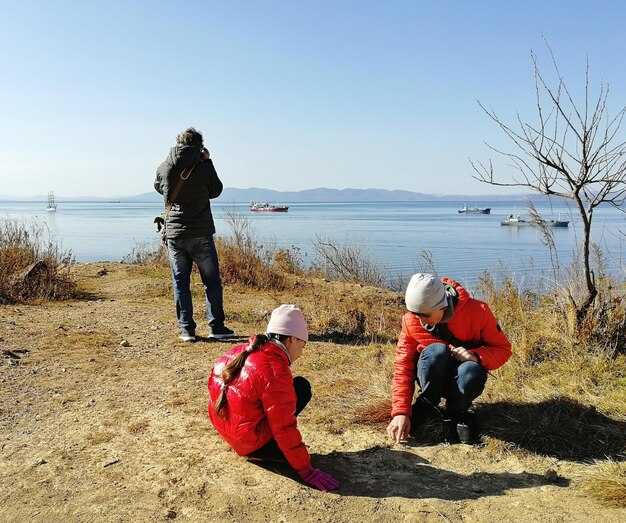
Recommendation: pack two totes–an insulated cooler for cold items and a dry tote for ready-to-eat snacks. This setup provides quick service and reduces mess when the craft moves between anchor points near shore, which keeps kids engaged. Include apple slices with a light cinnamon yogurt dip, turkey-cheese pinwheels, cheese cubes, whole-grain crackers, and a small fruit cup. These items typically travel well, require minimal utensils, and can be served down the deck with a single pass from a designated station.
Menu lineup: apple slices with a cinnamon yogurt dip, turkey-cheese pinwheels, cheddar cubes, whole-grain crackers, carrot coins with hummus, yogurt tubes, and a small fruit cup. For dessert, offer mini muffins with oats and banana; occasional treat that kids enjoy. Pack these items near the cooler to speed service during a quick beachcombing break ashore.
Drinks and nourishment plan: provide water with lemon slices, no-added-sugar juice boxes, and a refillable bottle for pacing. Freeze packs to keep items safely cool during movement, and label portions to stop mix-ups. If a shoreline stop happens, bring binoculars for a light migration view and a small bag for beachcombing shells ashore, which adds history and a party vibe to the day.
Safety and storage: store cold items at or below 4C, use leakproof containers, and shield items from direct sun. Keep wipes handy, use a stable table setup, and have life jackets within reach when near the water. Encourage kids to pace bites and drinks to stay full without overloading, and plan a post-meal stretch on deck to avoid spills or fatigue.
| Item | Prep & packing | Kid-friendly reason | Safety notes |
|---|---|---|---|
| Apple slices with cinnamon yogurt dip | Slice apples; pack dip in small cups | Crisp fruit, familiar flavor | Keep cold; use airtight cups |
| Turkey-cheese pinwheels | Roll slices in spinach tortillas; cut into rounds | Protein for energy | Single-serve portions |
| Cheddar cubes with crackers | Portioned cubes; crackers in a separate bag | Textural variety and sustained fullness | Keep dry to avoid soggy crackers |
| Carrot coins with hummus | Carrots sliced; hummus in dip cups | Nutritious veggie option | Leakproof dip cups required |
| Yogurt tubes | Keep in cooler until serving | Fun, hydrating dairy snack | Check caps and leakage |
| Mini muffins with oats | Portioned in small wrappers | Occasional treat, easy to share | Moisture-proof packaging |
| Water and lemon-infused water | Reusable bottles; lemon slices | Hydration with fresh flavor | Keep capped to prevent spills |
Layering Guide: Clothing, Blankets, and Comfort for Fall on Deck
Start with a three-layer system: base, mid, and outer shell. Choose moisture-wicking base fabrics (Merino wool or synthetic) paired with a warm mid-layer (fleece or lightweight down) and a windproof, water-repellent shell that breathes. For inland passages and river cruising, adjust the stack by ages and activity levels, ensuring each member has heat without bulk. Onboard, this setup will reduce shivering during gusts and keep family members settled for longer trips.
Base layers should sit next to skin and wick moisture efficiently. Opt for Merino wool or synthetic blends and avoid cotton near moisture. For the different ages and needs of a group, provide at least two sets per person and keep a dry spare in a labeled bag. Building a wardrobe around the trip length helps you stay prepared; consult the guidebook to compare items by location and trip length.
Mid-layers offer core warmth and can be layered with the base. Use fleece jackets, insulated vests, or lightweight down pullovers. They should be easily zipped or unzipped to match activity levels. When paired, the base plus mid layer stay comfortable even during a sudden breeze or a quick sprint to the head for a toilet break.
Outer shells must block wind and light rain without trapping heat. Choose a breathable shell with a hood and adjustable cuffs; a waterproof layer for those going ashore or anchoring near spray. The outer piece itself maintains warmth, so select one that’s suitable for most weather shifts. Pair it with gloves and a warm hat; keep this kit onboard so you’re always ready.
Blankets and comfort: pack two travel blankets–a soft fleece and a wool blanket. Put them on laps while cruising or during after-dinner conversations; they also make a quick windbreak if the deck is breezy. When going ashore between coves or during a long-term trip, these blankets become essential for kids and adults alike; they’re lightweight, easy to wash, and used repeatedly.
Deck comfort and safety: choose footwear with non-slip soles, wool socks, and a warm head covering. For family members of all ages, a dry bag by the helm keeps spare gloves or hats accessible. A weather-ready outfit will be suitable for windy evenings on deck when anchoring near inland coves. Be sure to adjust layers as needed to stay cozy and alert.
Packing strategy: create a simple system by location and activity. Include at least one spare base and mid-layer per person, plus a sturdy outer shell. For long-term cruising, rotate items to keep gear dry and ready, and use a guidebook or checklist to keep orders. If renting gear for shore excursions, choose compact, compressible options that pack neatly. Be sure to pack in labeled bags to spend less time searching and more time enjoying the crew’s trip.
Night tips: when the stars emerge, a warm hooded layer and a blanket over the lap keep everyone cozy while you observe. The deck becomes a prime spot for learning constellations, especially when inland skies are clear and the guidebook mentions seasonal highlights. Use a small flashlight with red mode to preserve night vision.
How to Choose Sheltered Picnic Spots and Safe Anchors
Pick a sheltered crescent within a mile of shore where east winds are dampened by land and the water stays smooth; depth 6–15 ft with a sandy or muddy bottom provides the strongest bite; deploy a plow or fluke anchor with a 4:1 scope and back down to set; verify the hold by drifting downwind at idle speed for 10–15 seconds before loosening lines. Here you’ll have room for a long lunch, a cooler with food, and an apple snack to keep energy steady during adventures.
Finding the right spot hinges on wind direction, current, and bottom type. Use a marine app or tide table to compare three options, then choose the one with the least fetch, stable water, and quickest access to shore. Theres ample shade from trees or a low bluff, and the east exposure stays calm when points are rough. Keep this checklist handy for quick decisions.
To maximize safety and enjoyment, build a small plan card you can reference on deck: weather outlook, hold check time, and a quick rescue fallback. This program keeps winter outings comfortable, lets you cook safely, and makes the whole trip more enjoyable for everyone onboard.
Gear and setup details below cover how to find sheltered spots and secure anchors efficiently, with concrete steps you can follow right away.
- Sheltered spot criteria: windbreak from prevailing directions, depth 6–15 ft, bottom sand or mud, easy access to shore for food and fuel, and minimal exposure to waves on the open water.
- Approach notes: choose spots that minimize drift toward rocky bars or kelp beds; check nearby moorings or buoys to avoid conflicts; note there’s always some risk of shifting sand or current–plan fallback options.
- Picnic setup: enough room for a cooler, a cook stove, a compact camp chair, and a hearty spread of snacks (apple slices, cheese, crackers, and protein) for a comfortable, family-friendly break.
- Safety reminders: keep kids away from the bow when the wind picks up; secure all food and utensils to prevent spills; have a flashlight or headlamp ready for dusk.
- Entertainment ideas: bring a football for a quick toss on shore, a small book of camping tips, and simple adventures like tidepool hunting or bird-watching to stay engaged in light, relaxed activities.
- Depth and scope: measure depth at your chosen site; use a minimum 4:1 scope (rope length to depth) and increase to 7:1 in stronger wind or current; add 1–2 ft of chain to the rode to reduce chafe and keep the line stable.
- Anchor selection: sandy or mud bottoms favor plow or fluke anchors; rocky patches require extra caution and perhaps a specialty anchor; avoid weed mats where possible to prevent snagging.
- Set and test: approach slowly, drop anchor, back down to set, then back off to observe if there’s any drag; if drift occurs, let out more rode and adjust angle until hold is secure for 3–5 minutes.
- Rope and hardware: use nylon line for stretch and shock absorption; inspect shackles, stern cleats, and bow roller; keep a spare anchor on hand in rentals or at home dock for contingency.
- Chalk and anchor marks: mark your rode length with a chalk line or buoy so you know how much line is deployed; this helps with quick resets if the wind shifts.
Preparation tips: bring a light building of shade such as a pop-up or improvised sail cover to extend comfort; keep a winter-ready outfit and a heat source ready for late-day cooldowns; pack a dedicated camping kit for longer stays; use a book or app to track how long you’ve been anchored and when to move for changing tides.
Pro tips for an enjoyable outing: check the forecast at least 6 hours ahead; pre-load a few easy meals that cook quickly; hunt for shaded nooks for picnics; plan a short route back to shelter if weather changes; always respect local regulations and private coves, and remember to restore the area after lunch so the next crew finds it welcoming.
Spill-Proof Games and Quick Activities for Busy Kids
Grab a spill-proof cup, a silicone tray, and a compact magnetic fishing game to anchor quick wins; set the kit near the helm and you’ll be ready in under a minute, keeping little hands busy when the current shifts and the marina hum grows.
Include a tackle box with waterproof picture cards for a 2–3 minute memory match, plus a handful of building blocks to assemble a tiny harbor; these fast rounds let kids compete with friends without mess.
Onboard clue-and-seek uses a small flashlight and simple labels; call out where objects are seen along the cockpit and deck; five-minute rounds fit between drills or meals.
Try a tubing relay: string a line of foam rings and let kids blow them along a taped track with a straw; 2–3 minute races keep energy up while you stay close to supervision.
Spooky light storytelling at dusk: a mini ghost tale using a pocket flashlight creates a safe, gentle thrill; switch every few minutes to keep attention high.
Snack-time and drinks can be woven into the fun: quick bites, one- or two-portion meals, and a small tray to prevent spills; plan a future ashore stop, maybe around a friendsgiving vibe.
Where to store and when to switch: reserve a current-friendly space on a built-in surface, rotate three or four options, and set a timer for each; soon you will have a rhythm that makes the time on deck feel wonderful.
Quick Cleanup and Leave-No-Trace on a Blackfin
Start with a 10-minute dock-side cleanup as soon as you tie up: sweep the deck, gunnels, and cockpit for scraps, bottles, and fishing line; bag each item securely and store safely in a dry bin until you reach shore.
Essential kit includes 12 trash bags (two large for general waste, ten small for packaging), two reusable containers for recyclables, gloves, hand sanitizer, wipes, and a compact dry bag to pack damp towels. These ways keep the space organized while you spend time near the lake, and you can pack clothing and gear separately to stay dry.
Clothing and gear management: wear gloves, quick-dry clothing, water shoes; rinse gear in a marine wash-down sink if available, and avoid dumping rinse water into the lake; store used wipes in a sealable bag to prevent leakage.
Leave-No-Trace rule: all waste packed out; if a shore stop is necessary, plan it in advance and dispose properly; keep a short log so current rules stay in view and history of local guidelines is included for future trips.
Make it a scavenger-friendly activity: turn cleanup into a scavenger hunt for some crew members; a quick contest keeps spirits high and reduces spend on disposable items; you should emphasize safety and avoid sharp objects. This helps keep trips party-ready while remaining free of waste, improving the family-friendly experience for everyone.
Snorkeling checks: while cruising to a new spot, skim the waterline for debris; snorkelers can grab lightweight items without diving deep; these checks are excellent for morning outings and help lower pollution along shorelines.
Log improvements: note which items were collected, and which locations yielded the most litter; this fact aligns with current guidelines and supports long cruises by keeping habitats safe for the next guests.
Packaging and waste: aim to spend less by avoiding single-use party supplies; keep a free supply of reusable items; lower footprint by refilling bottles and packing out every fragment you find; add a spooky moment after dusk by sharing a light tale while cleaning up, which keeps spirits high and wildlife undisturbed.