


 Nederlands
  English (UK)
  Русский
  العربية
  日本語
日本語  한국어
한국어  Magyar
  Türkçe
  Español
  Čeština
  Svenska
  Português
  Ελληνικά
  Suomi
Suomi  Română
  Italiano
  Français
  Polski
  Українська
  Deutsch
  简体中文
简体中文  Slovenčina
  Do I Need a License to Rent a Boat? Ultimate Guide to Boat Rental Licensing">

Dit artikel verduidelijkt wat te verifiëren voordat u een motorboot huurt: in veel regio's is een formeel vaarbewijs verplicht voor degenen die een vaartuig besturen. Deze aanpak helpt u om te voldoen aan de lokale regels en boetes te vermijden. De onderstaande richtlijnen laten zien waar u dit kunt controleren, voor welke bootmaten een controle nodig is en hoe u het examen of de training kunt doorlopen als de autoriteit dit vereist.
Waar het op aankomt voor watersporters: de kernvraag is welke status het besturen van een motorboot in uw regio toestaat. Ervaren mensen hebben mogelijk gestroomlijnde controles, terwijl mensen die nieuw zijn op het water doorgaans een examen afleggen of zich inschrijven voor een erkende cursus om hun competentie aan te tonen. Het doel is te bevestigen of u kunt huren en besturen zonder risico voor anderen.
Grootte en waterzones: drempels zijn afhankelijk van de grootte en waar u van plan bent te opereren – kustwateren, havenkanalen of open water. Verstrekte richtlijnen van autoriteiten kunnen voorwaarden stellen aan motoren boven een bepaald aantal pk's of aan degenen die een vaartuig solo besturen. De kustwacht en lokale instanties geven aan wat telt als het vereisen van toezicht.
Stappen om te voldoen: 1) raadpleeg de kustwacht of maritieme autoriteit voor de precieze regels in uw gebied; 2) verzamel documenten zoals identiteitsbewijs en certificeringen; 3) leg het examen af of voltooi de goedgekeurde training indien van toepassing; 4) controleer of de boot die u huurt, beschikt over veiligheidsuitrusting en een actuele registratie; 5) bewaar kopieën van uw aantekeningen en registreer voortdurende oefening.
Waar informatie te vinden is: officiële portalen, havenautoriteiten en jachtclubs zijn de primaire bronnen. De meest recente informatie wordt periodiek bijgewerkt; u kunt discover vereisten per gebied en seizoen. Houd wijzigingen bij om lacunes in de naleving te voorkomen.
Zorg en veiligheid tijdens gebruik: bespreek altijd de veiligheidsregels met de kapitein, zorg ervoor dat de bemanning zijn taken begrijpt en controleer of reddingsvesten, signaleringsapparatuur en navigatielichten aanwezig zijn. Voor degenen die cursussen volgen: oefen scenario's en bestudeer handleidingen; ervaren operators delen vaak tips die helpen om iedereen veilig op het water te houden.
Samenvattend, om een motorboot legaal te besturen, controleer de status bij de autoriteiten, blijf op de hoogte van de laatste informatie en houd de documentatie bij de hand om te voldoen tijdens de huur. Deze aanpak beschermt degenen aan boord en zorgt ervoor dat je binnen de wet blijft.
Richtlijnen voor vergunningen en leeftijd bij bootverhuur
Recommendation: Controleer de minimumleeftijd en vergunningen voordat je een boeking bevestigt; vergunningsregels veranderen per regio en in het buitenland; deze kennis omvat wat de advertentie dekt op recreatieve waterwegen en welke vergunningen of certificaten vereist zijn voor een veilige bediening, en/of er kunnen aanvullende controles van toepassing zijn.
Regio's verschillen sterk. Sommige jurisdicties vereisen dat een operator een specifieke vergunning heeft of een veiligheidscursus volgt; virginia volgt een vaarbewijsplicht voor motorboten, met beperkingen die vaak gelden voor jongere bestuurders; deze regels zijn echter niet uniform en hangen af van het type vaartuig en de locatie. Nauwkeurige informatie vermindert het risico en houdt iedereen veilig, en biedt iets tastbaars om mee te plannen.
Weet wat je bij de hand moet hebben: buiten de VS kan dit minimaal een erkend vaarbewijs of certificaat zijn; sommige aanbiedingen vereisen een lokaal certificaat, terwijl andere internationale kwalificaties accepteren; clickboats biedt een eerste leidraad, maar je dient dit te verifiëren bij de aanbieder en, indien nodig, het voorgeschreven vaarbewijs te behalen vóór vertrek. Deze stappen omvatten de meeste recreatieve activiteiten op het water en houden het plan eenvoudig in plaats van te vertrouwen op onzekere interpretaties; deze website presenteert algemene informatie en/of is geen vervanging voor officiële regels.
Praktische tips: controleer de leeftijdsbeperkingen van de genoemde opties; bevestig of een volwassene toezicht moet houden; zorg ervoor dat alle deelnemers kennis hebben van de basisveiligheid; controleer of de exploitant de benodigde vergunningen heeft; controleer voor buitenlandse reizen de lokale vergunningseisen; draag altijd vergunningen of certificaten bij je op het water; dit website is een samenvatting van richtlijnen om je te helpen plannen, maar de regels verschillen per regio en kunnen door de autoriteiten worden gewijzigd.
Vergunningverlener: wie verstrekt vergunningen en waar aan te vragen
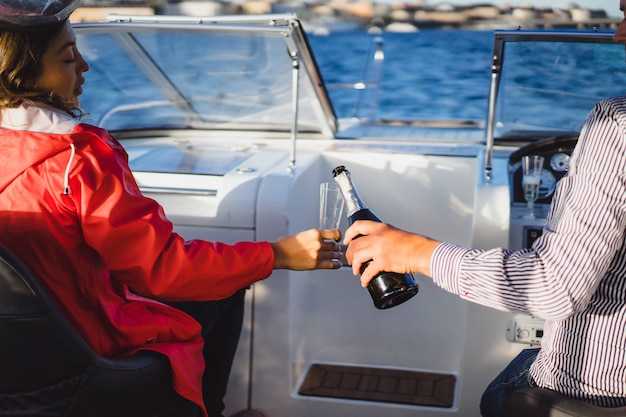
Begin met de door de staat goedgekeurde instantie en bevestig exact welke kwalificatie u nodig heeft om een pleziervaartuig te mogen besturen. Deze focus helpt u nauwkeurig te plannen en zorgt ervoor dat de watersporter zich aan de regels houdt. Het overzicht en de lijst van primaire instanties tonen aan dat de meeste regio's vertrouwen op een NASBLA-gecertificeerd bewijs in plaats van een traditioneel vaarbewijs, en dat dit certificaat het benodigde bewijs is aan boord.
In Virginia valt de stichting onder het Department of Wildlife Resources, dat het Boating Safety Education-programma beheert en een Boating Safety Education Certificate uitgeeft voor gemotoriseerd, recreatief gebruik. Aanvragen kunnen online of persoonlijk worden ingediend en cursusaanbieders verzorgen de eindbeoordeling. Het door de staat goedgekeurde certificaat wordt erkend door handhavings- en jachthavenpersoneel om routinematige werkzaamheden met kleine vaartuigen te autoriseren.
Nalevingstips: houd een actuele accreditatie bij, controleer plekken waar je je kunt aanmelden voor updates en houd wijzigingen in procedures in de gaten – deze stappen helpen je om op de hoogte te blijven en overtredingen te voorkomen. Voor bredere kennis kunnen platforms zoals Boatsetter je helpen om NASBLA-conforme cursussen in de buurt te vinden en de huidige regels in jouw regio te verifiëren.
| State | Issuer | Referentie | How to apply | Opmerkingen |
|---|---|---|---|---|
| virginia | Departement van Natuurlijke Hulpbronnen | Vaarveiligheidsbewijs | online of persoonlijke cursussen; bewijs uploaden of certificaat tonen | vereist voor gemotoriseerde pleziervaartuigen; prijzen variëren |
| california | Departement van Motorvoertuigen | Vaarveiligheidsbewijs | NASBLA-goedgekeurde cursus; gedrukte of digitale versie | door de staat goedgekeurd; vrijstellingen voor niet-ingezetenen verifiëren |
| texas | Texas Parks and Wildlife Department | Vaarbewijs | online of klassikale cursus; kaart bij zich hebben | vaak geldig voor het leven na het behalen |
Het begrijpen van het licentielandschap helpt je om weloverwogen keuzes te maken en boetes te vermijden, terwijl veiligheid centraal staat bij elk uitstapje op het water.
Soorten vaarbewijzen voor bootverhuur: vereiste vergunningen per vaartuigtype en regio
Verifieer altijd de laatste vergunningen met autoriteiten voor uw vaartuigklasse; dien het vereiste formulier in op de officiële website; focus op grootte en regio om de juiste vergunningen te kiezen, en houd digitale kopieën bij de hand voor waar u ook vaart.
-
Kleine vaartuigen (korter dan 6 m)
- Vergunningen: lokaal en door de staat goedgekeurde vergunningen zijn gebruikelijk; in Europa bieden instanties vaak een eenvoudig vergunningenpakket aan voor begeleide activiteiten, terwijl anderen niets vereisen voor puur privé, niet-commercieel gebruik op privéwater.
- Documentatie: bewijs van verzekering, veiligheidsuitrusting en een kapitein met de juiste kwalificaties wanneer bemande activiteiten worden aangeboden; voor diensten zonder bemanning mag de eigenaar toezicht houden, maar je dient te bevestigen wat nodig is.
- Werkwijze: dien het formulier in via de website van de autoriteiten; de meest recente regels kunnen per regio verschillen, en op sommige plaatsen kun je snel vergunningen krijgen, vooral als je binnen de plaatselijke wateren blijft en geen betalende passagiers meeneemt.
-
Middelgrote vaartuigen (6–12 m)
- Vergunningen: vereisen doorgaans formelere licenties of vergunningen; autoriteiten eisen vaak een veiligheidsplan, verzekeringsbewijs en uitrustingscontroles; op veel plaatsen is een kapitein met erkende kwalificaties vereist.
- Documentatie: gegevens van het vaartuig, bemanningsgegevens en een verklaring over wie het bevel voert; door de staat goedgekeurde vergunningen kunnen vereist zijn als de reis aan anderen wordt aangeboden of buiten privéwateren plaatsvindt.
- Werkwijze: controleer de door de staat goedgekeurde route op de officiële website en dien het formulier ruim van tevoren in; reserveer extra tijd in lange doorlooptijden, vooral in Europa waar de regelgeving streng kan zijn.
-
Grote vaartuigen (>12 m)
- Vergunningen: nationale vergunningen zijn meestal verplicht; verwacht havenstaatcontroles en hogere verzekeringseisen; autoriteiten kunnen een bemanning met kapitein en een gedetailleerd veiligheids- en operatieplan eisen.
- Documentatie: uitgebreide bemanningslijsten, medische en trainingsdossiers en een bevestiging dat de kapitein over de juiste kwalificaties beschikt; overige bemanningsleden aan boord hebben mogelijk aanvullende certificeringen nodig.
- Proces: de licentieaanvraag is doorgaans een langdurig traject; raadpleeg de website van de relevante maritieme autoriteit, bereid alle benodigde documenten voor en dien deze ruim voor uw geplande seizoen in om vertragingen te voorkomen.
Bij het plannen van reizen in Europa of daarbuiten, is het een goede aanpak om af te stemmen met de autoriteiten en alle eerdere formulieren die door de staat zijn afgenomen te verzamelen voordat je boekingen aanneemt; houd er echter rekening mee dat de vereisten variëren, en sommige anderen kunnen vrijstellingen of alternatieve routes bieden. Als je de compliance wilt stroomlijnen, gebruik dan een platform zoals Boatsetter om te verifiëren dat kapiteins en vaartuigen voldoen aan de nieuwste licentievereisten, en bewaar altijd documenten die aantonen dat je de juiste licenties hebt ingediend voor de vaartuigen die je gebruikt.
Leeftijdsvereisten voor huurders: minimumleeftijd, toestemming van ouders en regels inzake bestuurders
Controleer altijd eerst de regionale minimumleeftijden; jongeren onder de 18 jaar moeten toestemming van hun ouders hebben en een begeleidende volwassene aan boord indien vereist door staat-goedgekeurde informatie.
Minimum leeftijdseisen variëren per regio en type vaartuig: voor niet-gemotoriseerde vaartuigen is 14-16 jaar gebruikelijk; voor gemotoriseerde vaartuigen is 16-18 jaar of ouder gangbaar. Controleer altijd de specifieke vereisten voor het type vaartuig en de regio aan de hand van de meest recente door de staat goedgekeurde informatie, en raadpleeg de vermeldingen op getmyboat voor specifiekere eisen.
Ouderlijke toestemming: indien onder de drempel, kan een ouder of voogd toestemming geven en optreden als de toezichthoudende bestuurder aan boord; in veel regio's is schriftelijke toestemming vereist die bij de exploitant wordt ingediend.
Regels voor bestuurders: minderjarigen kunnen beperkt worden tot varen onder toezicht van een volwassene of een andere gekwalificeerde schipper aan boord te allen tijde; sommige regio's vereisen een charterkapitein aan boord wanneer een jongere bestuurder aan dek is.
Cursussen en examens: veel regio's vereisen het afronden van een door de staat goedgekeurde cursus; er bestaan online- of persoonlijke cursussen, en een voldoende resultaat geeft toestemming om bepaalde vaartuigen te besturen.
Waar te controleren: platformvermeldingen zoals getmyboat bevatten leeftijdsvereisten die specifiek zijn voor de vermelding; nasbla-richtlijnen worden gebruikt om regio's te harmoniseren, en u dient altijd de meest recente informatie hier te raadplegen.
Virginia en andere regio's hebben hun eigen nuances; in Australië en Europa verschillen leeftijdsgrenzen en toezichtregels per regio, dus raadpleeg de door de staat goedgekeurde informatie en nasbla-compatibele richtlijnen voor de recentste details.
Veiligheidsuitrusting en zorg: draag altijd jassen en zorg ervoor dat ze goed passen voor alle passagiers; informeer iedereen over de veiligheidsregels en houd levensreddende middelen toegankelijk op het vaartuig.
Kortom: plan vooruit, bevestig de leeftijdseisen, verkrijg indien nodig toestemming van de ouders, voltooi en slaag voor eventuele vereiste cursussen en overleg met de verhuurder om een veilige en conforme ervaring te garanderen.
Onboardingdocumenten: wat mee te nemen naar de verhuurbalie
Neem uw door de overheid uitgegeven identiteitsbewijs met foto en actuele vergunningen mee; dit versnelt het inchecken bij de balie.
Belangrijke zaken zijn onder meer een identiteitsbewijs van de overheid, een adresbewijs, een betaalmethode en vergunningen voor operators in uw gezelschap; neem ook eventuele veiligheidscertificaten en uw medische kaarten en duikbrevetten mee indien vereist; meld u aan voor bevestiging en overleg met anderen in uw groep. Deze optie is goed, in plaats van uw plannen uit te stellen.
Platformspecifieke bijzonderheden: als je via Click&Boat een begeleide boottocht met schipper boekt, kunnen ze om een extra pas en bewijs van training in zeilvoering vragen; in de zuidelijke regio's van de wereld zijn de grootste maritieme knooppunten streng in het op de hoogte worden gehouden en het actueel houden van je documenten, en anderen die bij het proces betrokken zijn, zullen dit opmerken. Dit proces vereist dat je alle documenten overlegt.
Om voorbereid te blijven: bewaar digitale kopieën, sla ze op in een beveiligde app en wees klaar om ze bij de balie te tonen; dit helpt je sneller het roer in handen te nemen zonder vertragingen en ondersteunt de startbeleving voor anderen.
Proactief zijn betekent dat jij en andere watersporters in jouw regio snel aan jullie reis kunnen beginnen; blijf, voor lange reizen, op de hoogte van de vereisten, en je documenten zijn up-to-date en gebaseerd op de huidige regels.
Gebruikelijke licentie-uitzonderingen: vrijstellingen en tijdelijke vergunningen per locatie
Controleer bij de lokale autoriteiten om vrijstellingen te bevestigen voordat u actief bent; vrijstellingen variëren per rechtsgebied en zijn afhankelijk van de lengte van het vaartuig, het doel van de reis en wie de reis bestuurt.
In de Verenigde Staten is het kader voor kortstondig, niet-commercieel gebruik op binnenwateren of kustwateren vaak gebaseerd op tijdelijke autorisaties in plaats van een volledige kwalificatie; de details verschillen per staat, dus blijf op de hoogte bij de maritieme autoriteit van de staat en de uitrustingswinkel, omdat informatie kan veranderen en zorg essentieel is. Het begrijpen van de exacte voorwaarden helpt u verrassingen te voorkomen, vooral wanneer u tijdens één reis aangrenzende rechtsgebieden oversteekt.
Voorbeelden uit de regio York en de staat New York illustreren hoe specifieke vrijstellingen van toepassing kunnen zijn; in de wateren van York kan een gemotoriseerde optie een veiligheidscertificaat vereisen voor bepaalde bestuurders, terwijl gasten op begeleide tochten of schepen met een kapitein die in het bezit is van een erkend nationaal of internationaal certificaat binnen een afgebakende zone kunnen blijven. Wees op de hoogte van de exacte situatie in de haven of jachthaven, en zorg ervoor dat de kapitein betrokken is bij de operatie en het certificaat kan tonen wanneer dat nodig is.
In het buitenland of bij het overschrijden van de internationale wateren, bepaalt de vlaggenstaat welke vergunningen of goedkeuringen nodig zijn; er kunnen tijdelijke machtigingen worden afgegeven aan bezoekers, maar u wordt geadviseerd om te bevestigen of uw eigen land deze erkent en welke informatie moet worden meegenomen. Bij het betreden van internationale zones kan een afzonderlijke vergunning en havenvrijgave vereist zijn, dus controleer dit van tevoren.
Tips om te bepalen wat van toepassing is: verzamel informatie van de uitrustingsleverancier, controleer de scheepspapieren en bekijk de specifieke bepalingen van de locatie; wanneer een vergunning van toepassing is, zorg er dan voor dat de kapitein of bestuurder vermeld staat als de verantwoordelijke partij en dat bestuurders voldoen aan alle gestelde voorwaarden. Als u het niet zeker weet, vermijd dan de reis totdat u stappen hebt ondernomen om de vereisten te bevestigen en de nodige informatie schriftelijk hebt.
Om op de hoogte te blijven en risico's te verminderen, geef de voorkeur aan afspraken waarbij de host een duidelijk overgangsplan biedt voor visreizen of kustcharters, zodat je binnen veilige zones blijft en de informatie correct is. Deze aanpak helpt je de lokale regels te begrijpen, boetes te vermijden en met vertrouwen verder te gaan. Het is aan te raden een beknopt informatieblad bij je te hebben met de nationale versus internationale regels en eventuele vereiste stappen voor vertrek.