


 Nederlands
  English (UK)
  Русский
  العربية
  日本語
日本語  한국어
한국어  Magyar
  Türkçe
  Español
  Čeština
  Svenska
  Português
  Ελληνικά
  Suomi
Suomi  Română
  Italiano
  Français
  Polski
  Українська
  Deutsch
  简体中文
简体中文  Slovenčina
 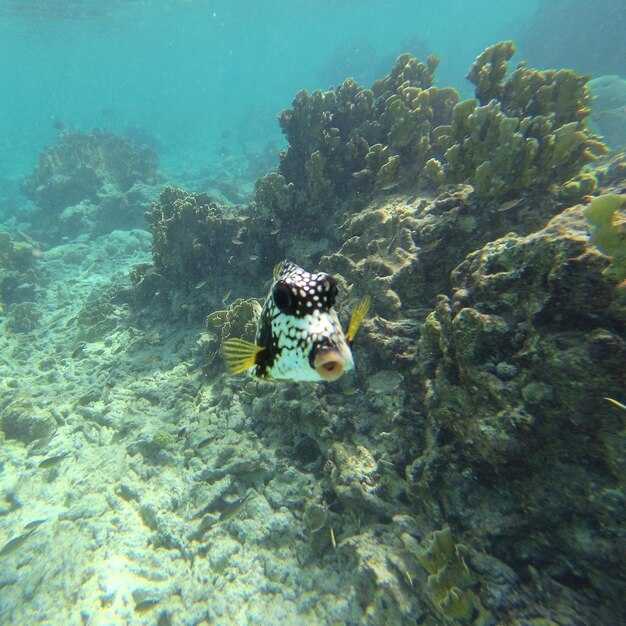 Diving Across Quintana Roo, Mexico – Top Dive Sites & Cenotes">

Begin met vijf cenotes in de eerste week, en breid daarna uit naar riflocaties. Als je een duidelijke intro wilt, ga daarheen, want je leert er over lagoon ecosystems en hoe kalm water een scuba sessie. We ging met een eenvoudig plan en bleef tot zonsondergang, waardoor de kenmerken van de grot zich onthulden, wat de ervaring werkelijk amazing voor een eerste kennismaking met Quintana Roo. In de komende weken bepalen drijfvermogensoefeningen, oppervlakte-intervallen en veerbootverbindingen je ritme.
Van daaruit, vijf kernwaarden in kaart brengen sites langs de kust, elk met een eigen fish actie en koraalstructuren die perfect in evenwicht zijn. A diver zult merken hoe rifranden snappers en papegaaivissen aantrekken, terwijl het binnenland lagoon habitats beschermen jonge soorten en zorgen voor gevarieerde ecosystems. Dankzij de verscheidenheid kun je omgevingen met grotverlichting vergelijken met openwaterzones, terwijl je gefocust blijft op je destinations en herhaling vermijden.
Om je tijd optimaal te benutten, stem de cenotes van Quintana Roo af op de kustlijn. destinations dat kan worden bereikt door ferry routes langs de Riviera Maya. U zult waarschijnlijk vijf hoofdzaken behandelen sites, waardoor de route een lus vormt van grotten in het binnenland naar riffen voor de kust en terug, totdat je een routine vindt die bij jouw tempo past. Voor de diver, the lagoon en grotervaringen vullen elkaar aan en bieden een evenwichtige mix van dingen om te zien en te doen.
Praktisch duiken in Quintana Roo: locaties, cenotes en actuele omstandigheden
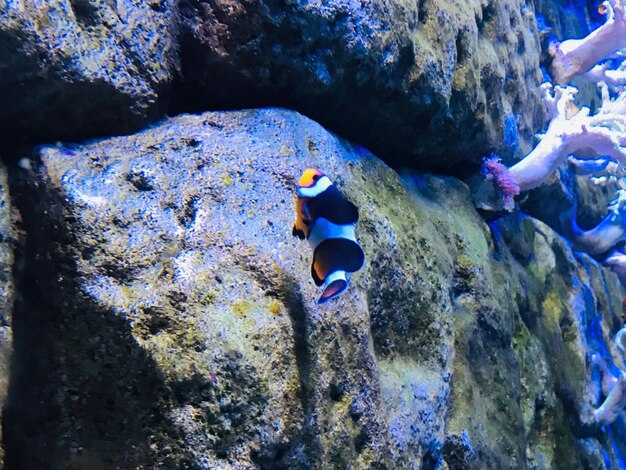
Plan drie actieve dagen: twee cenotesessies in de ochtend en een rifavontuur in het centrum in de middag; deze balans geeft duikers een mix van ondiepe, lichtovergoten passages en diepere koraalriffen, met kans om charismatische wezens te zien. Deze aanpak laat je ook kennismaken met een nieuw type onderwaterervaring. Deze opties omvatten verschillende soorten onderwaterervaringen die duikers waarschijnlijk steeds opnieuw zullen bekoren, en je helpen de momenten te beleven waar je van houdt.
Toplocaties voor een praktisch reisschema zijn onder meer Dos Ojos en Gran Cenote voor toegankelijke, heldere passages met dieptes van ondiep tot gemiddeld; Angelita en Siete Bocas bieden diepere, meer uitdagende secties voor getrainde duikers. Cenotes onthullen werelden van onderwaterleven met zeer helder water, vaak met dramatische lichtstralen. In centraal Quintana Roo bieden de muren van Cozumel langere drifts en een breed profiel van riffen, het best gepland bij een lichte ochtendzee. Controleer altijd lokale operators voor actuele toegang en dieptebeperkingen, en boek een gids voor veiligheidsinstructies.
De watertemperaturen blijven het hele jaar door warm, doorgaans 26-29°C in de zee en rond de 25-30°C in cenotes, dus een wetsuit van 3-5 mm of 5-7 mm is comfortabel; tijdens de droge seizoensweken (november–april) is de zichtbaarheid helderder, vaak 20-40 m op riffen en nog beter in cenotes, hoewel de wind in maart–april kan toenemen. Het orkaanseizoen (juni–november) kan de zichtbaarheid enkele weken na stormen verminderen, maar cenotes blijven zeer helder met dieptes en meer voorspelbare stromingen. Plan voor trips van een week om 2–3 dagen in de buurt van Cancún af te wisselen met 1–2 dagen in de buurt van Cozumel of Riviera Maya.
De huidige omstandigheden in deze regio variëren met het seizoen: wind uit het oosten, zee kalmer in de vroege ochtenden, en het zicht op de riffen verbetert na lichte buien; cenotes blijven warm met constante temperaturen en kristalhelderheid. Mobula migraties bereiken een piek in december–februari langs Cancún en nabijgelegen eilandjes, terwijl voshaaien mogelijk maar waarschijnlijk zeldzaam zijn in diepere offshore kanalen, dus informeer bij operators naar de waarschijnlijkheden. Zorg ervoor dat je de gidsen volgt en hun ruimte respecteert; deze ontmoetingen blijven charismatische hoogtepunten voor duikers en bezoekers.
Controleer vóór elke sessie op zee de voorspellingen, wind- en golfupdates en de veiligheidsbriefing van de operator. Pak een kleine kit in met een reservemasker, rifvriendelijke zonnebrandcrème en een microvezel handdoek; neem een camera mee met een groothoeklens om koralen, kleine wezens en de groene zeegrasvelden vast te leggen die ecosystemen langs de centrale kust beschermen. In Cancun en de centrale Riviera Maya zult u genieten van het warme water, de ondiepe cenotes en actieve riffen – momenten die u keer op keer kunt herbeleven.
Openwaterlocaties per zone: Cozumel, Riviera Maya en Puerto Morelos
Begin in Cozumel bij zonsopgang; warm water van vaak 27–29°C zorgt voor een ontspannen drift langs de wandtopografie. Palancar Reef toont groene koraaltuinen met levendige kleuren; Santa Rosa Wall loopt steil af en biedt dramatische verticale wanden; Columbia Reef biedt een geheime drift door diepere kanalen waar grotere pelagische vissen patrouilleren. Naaktslakken sieren de oppervlakken, stierhaaien verschijnen seizoensgebonden en veel kleine vissen geven kleur aan het geheel. De toegang vanuit San Miguel is eenvoudig en beschermingszones houden deze werelden veilig voor het bestaan en speelse leven – en maken alles weer beter dankzij het zicht in juni.
In de Riviera Maya biedt Tulum Wall een lange, elegante drift langs een richel met zorgvuldige koralen en kleuren op dieptes van 6 tot 24 m; Paamul Reef is een vriendelijker optie met zachte hellingen tussen 6 en 18 m en veel macro-wezens, waaronder naaktslakken. De beste omstandigheden zijn geconcentreerd in mei–juni en opnieuw in september–oktober, wanneer het zicht sterk is en het warme water een levendige topografie nabij de kust ondersteunt. De bereikbaarheid vanaf Playa del Carmen of de stranden van de stad maakt deze regio beter geschikt om te snorkelen en voor gemakkelijke zwemtochten.
Puerto Morelos houdt een rustiger tempo aan met La Bocana en El Bajo. La Bocana biedt een lichter gedobber langs een beschermde rifrand, toegankelijk vanuit het dorp, met maximale dieptes rond de 15 m; El Bajo herbergt grotere pelagische vissen en scholen vis, geweldig in juni en vaak in de herfst, met helder water en speelse schildpadden. Deze locaties liggen in een beschermd gedeelte van het Meso-Amerikaanse Barrièrerif, wat de toegang en bescherming voor toekomstige seizoenen bevordert en het geheime gevoel van de regio bewaart.
| Zone | Site | Access | Max. diepte (m) | Best Time | Signature Feature | Wildlife |
|---|---|---|---|---|---|---|
| Cozumel | Palancar Reef | Boot van San Miguel | 15–30 | May–Sept | Kleurrijke tuinen, doorzwem-tunnels | Groene murenen, papegaaivissen, naaktslakken, verpleegsterhaaien |
| Cozumel | Santa Rosa Muur | Boat | 18–35 | Mrt–Okt | Dramatische verticale wand | Scholen vissen, schildpadden, af en toe stierhaaien |
| Cozumel | Columbia Reef | Boat | 18–50 | Jun–okt | Diepe kanalen, pelagische stroming | Pelagische vissen, baarzen, rifhaaien |
| Riviera Maya | Muur van Tulum | Van Playa del Carmen of Tulum | 6–24 | Maa–Jun | Lange wanddrift, levendige koralen | Barracuda, zeeschildpadden, riffaaihaaien |
| Riviera Maya | Paamul Reef | Paamul Beach | 6–18 | May–Sept | Zachte hellingen, koraalmoerassen | Engelvissen, moerazen, naaktkreeftjes |
| Puerto Morelos | La Bocana | Toegang tot de plaats Puerto Morelos | 6–15 | Jun–Sept | Licht drijft langs de rand van het rif | Zeesterren, moerazenen, schildpadden |
| Puerto Morelos | El Bajo | Toegang tot de plaats Puerto Morelos | 12–20 | Het hele jaar door | Pelagische actie, grote scholen | Manta's, barracuda, tonijn |
Cenotes: selecteren op basis van type grot, diepte en lichtblootstelling
Kies een ondiepe open cenote met helder daglicht, een bereikbare wand en kalm water als uw must-start optie voor het eerste bezoek. Deze setup werkt goed voor mensen, inclusief gezinnen, en hun reactie is vaak positief wanneer uitgangen direct zijn en het oppervlak zichtbaar is vanaf beneden. Als het water aan het oppervlak koud aanvoelt, trek dan een licht neopreen pak aan en neem een geleidelijke aanpak voordat je later dieper gaat.
Drie soorten grotten bepalen de aard van uw dag: open cenotes die overstromen met zonlicht, semi-open locaties met een gedeeltelijk dak en grottenroutes waar licht vervaagt en muren dichterbij komen. Elk type is differentopen sites onthullen koralen en duidelijke lijnen op de wand, semi-open ruimtes balanceren schaduw en kleur, en grottenpaden belonen meticulous navigatie langs een begeleide route. Hun functies helpen je de juiste instelling te kiezen voor activiteiten en comfort, en others in uw groep op hun eigen tempo mee kunnen doen.
Diepte is belangrijk. On diepe zones onder de 8 m laten leerlingen geleidelijk wennen aan drijfvermogen en signalering, middie dieptebereiken 8–20 m onthullen grotere wanden en meer leven, terwijl diepere zakken 20–40 m vereisen meticulous planning, een gecertificeerde gids en aanmelding voorafgaand aan de toegang via het beveiligingssysteem van de site. Controleer altijd de diepte bij de ingang en blijf binnen uw trainingsniveau.
Lichtinval bepaalt stemming en kleur. Helende zon nabij openingen creëert levendige contouren, terwijl diepere of beschaduwde delen een koelere, blauwgroene gloed vertonen die de manier waarop koralen en formaties eruitzien verandert. Plan uw bezoek rond het vroege middaguur of laat in de middag om licht, schaduwen en zichtbaarheid in balans te brengen; dit helpt zowel fotografen als recreatieve bezoekers., again voor een ander lichteffect.
Boek met een gerenommeerde operator; aanmelden garandeert een gestructureerde dag met een directe briefing, een veiligheidssysteem en duidelijke grenzen aan diepte en blootstelling. Naast cenote-tijd kunt u oppervlaktelijke activiteiten toevoegen en nabijgelegen riffen of rifontmoetingen; langs de kust van de Yucatán, waaronder Holbox en andere plaatsen langs de Caribische kust, verbreden deze opties de ervaring en vergroten de kans om haaien te zien wanneer seizoensgebonden omstandigheden het toelaten. Deze evenwichtige aanpak biedt iets voor elke persoon en houdt het tempo comfortabel voor gezinnen en beginners.
Voorbeelden die u zou kunnen overwegen: Dos Ojos biedt uitgebreide passages door grotten en open delen; Gran Cenote presenteert helder water met een helder oppervlak, en Ik Kil levert een dramatische diepe schacht. Deze locaties laten zien hoe diepte en licht samenspelen; hier op het schiereiland vindt u mensen die op zoek zijn naar een verscheidenheid aan ervaringen, waaronder bezoekers van over de hele wereld, en anderen die zich willen concentreren op aandachtige verkenning onder de riffen en cenotewanden.
Seizoensgebonden zichtbaarheid en watercondities per maand
Plan februari tot april voor de helderste zichtbaarheid onder water en comfortabele temperaturen. Verwacht rustigere ochtenden en constante stromingen nabij de randen van riffen, ideaal voor meerdere excursies langs de Riviera Maya en de Cozumel regio.
- January
- Zichtbaarheid: 15–25 m
- Temperatuur: 25–27°C
- Huidige en windcondities: licht tot matig; NE-winden in de ochtend
- Opmerkingen: rifranden zijn meestal helder; ondiepe zones hebben uitstekend zicht
- February
- Zichtbaarheid: 18–30 m
- Temperatuur: 25–28°C
- Huidige en windcondities: licht tot matig; 's ochtends is het meestal kalm
- Notities: oostwaarts georiënteerde riffen vertonen vaak scherpe helderheid; stabiele dagen nabij kustplaatsen
- March
- Zichtbaarheid: 25–35 m
- Temperatuur: 26–29°C
- Huidige en windomstandigheden: over het algemeen mild; beste resultaten na zonsopgang
- Notities: optimale ramen langs Cozumel en de rifcorridor
- April
- Zichtbaarheid: 28–40 m
- Temperatuur: 26–29°C
- Huidige omstandigheden en wind: stabiel; droge periode ondersteunt lange, heldere periodes
- Notities: nabijgelegen zones blijven schoon; plan vroege tijdslots in voor het beste licht
- May
- Zichtbaarheid: 20–32 m
- Temperatuur: 27–30°C
- Huidige omstandigheden en wind: windvlaag neemt toe; kortstondige buien mogelijk
- Opmerkingen: troebelheid kan toenemen na regen; 's ochtends is ideaal
- June
- Zichtbaarheid: 18–28 m
- Temperatuur: 28–30°C
- Stroming en wind: wind steekt op; zee kan woeliger zijn op blootgestelde plaatsen
- Let op: flexibiliteit is handig; check voorspellingen voor routes buiten de kust.
- July
- Zichtbaarheid: 15–25 m
- Temperatuur: 28–31°C
- Stromingen en wind: hoge luchtvochtigheid; frequente buien
- Notities: ochtendramen verbeteren helderheid; riffen ver van de kust blijven productief
- Augustus
- Zichtbaarheid: 15–25 m
- Temperatuur: 29–31°C
- Stromen en winden: warm, vaak winderig; risico op storm neemt toe
- Notities: plan met een flexibel schema; sommige dagen bieden uitstekende helderheid
- September
- Zichtbaarheid: 15–25 m
- Temperatuur: 29–30°C
- Stroom en wind: regenseizoen in volle gang; troebelheid stijgt na regen
- Opmerkingen: cenotes zijn over het algemeen betrouwbaar; kies ochtenden na droge periodes
- October
- Zicht: 20-30 m
- Temperatuur: 28–30°C
- Stroom en wind: stabilisatie na de storm; de ochtenden zijn helderder
- Opmerkingen: vroege planning helpt, vooral voor routes op zee
- November
- Zichtbaarheid: 25–35 m
- Temperatuur: 26–28°C
- Stromen en wind: droogseizoenpatroon begint; winden matig
- Opmerkingen: de regio vertoont sterke helderheid; ondiepe kuststroken bieden stabiele omstandigheden.
- December
- Zichtbaarheid: 20–40 m
- Temperatuur: 25–27°C
- Stroming en wind: noordelijke deining mogelijk; 's ochtends vaak rustiger
- Opmerkingen: eindejaarsplaatsen leveren uitstekend licht en lange zichtlijnen op
Cenotes bieden het hele jaar door betrouwbare helderheid; de temperaturen blijven rond de 20 graden °C, waarbij de ochtenden het beste licht leveren door de dakramen voor fotografie.
Stromingen, dieptes en veiligheidsplanning voor rif- en stromingsduiken
Boek een begeleide, gelicentieerde driftsessie bij een lokale aanbieder die zorgt voor een oppervlakte-markeringsboei, haspel en een duidelijk exitplan. Zorg voor een zorgvuldige veiligheidsinstructie, controleer de actuele weersvoorspellingen en bevestig de exitmogelijkheden voordat u het water ingaat. Als de winter hier kouder water brengt, draag dan een wetsuit van 3-5 mm en wees klaar om uw tempo aan te passen; de meeste driftroutes rond de Yucatán leveren een bucketlist-moment op wanneer u meebeweegt met de gezonde balans van stroming en drijfvermogen, waardoor een memorabele ontmoeting met de natuurlijke wereld en haar soorten ontstaat. De oceanen kunnen kalm maar veeleisend zijn, dus bereid vijf kernstappen voor om paraat en veilig te blijven.
-
Stromen, hoeken en locatiekeuze – In deze regio worden oppervlaktestromen aangedreven door passaatwinden en getijdenwisseling. De meeste rifkanalen hebben een snelheid van 0,5–1,5 knopen op rustige dagen; in rustigere ochtenduren heb je iets meer controle, terwijl de middag sterkere stroming naar het achterrif kan brengen. Zoek naar gecontroleerde toegangspunten en uitstapmogelijkheden die aansluiten bij je plan, zoals kanalen die een voorspelbaar pad terug naar de kust bieden. Houd 'olhos' in de gaten – de ogen van het rifgebied, zoals ze door gidsen worden genoemd – als indicatoren van activiteit en verschuivingen in het zicht; als het water er groen en troebel uitziet, vertraag dan en heroverweeg. Heb altijd een plan voor nooduitgangen en vermijd routes met scherpe kruisstroom.
-
Diepte en bodemtijd – Typische rifsecties bevinden zich rond de 12–18 m, met sommige wandzones die afdalen tot 20–25 m. Plan voor de veiligheid in de driftstrook een bodemtijd van 25–40 minuten bij rustige omstandigheden en voeg vervolgens een veiligheidsstop van 3–5 minuten toe op 5 m. Verkort de bodemtijd dienovereenkomstig als de stroming versnelt en stijg eerder op om een tweede veiligheidsmarge te behouden. De gemiddelde gasreserve moet worden gecontroleerd aan de hand van de geplande tijd en diepte, met als doel de sessie af te sluiten met een comfortabele reserve.
-
Vijf essentiële veiligheidscontroles – Gebruik een korte, nauwgezette checklist voor elke sessie:
- Weersvoorspelling en stromingen: controleer de laatste update en bevestig dat de ontsnappingsroutes nog steeds haalbaar zijn.
- Uitrusting gereedheid: SMB/spoel, fluitje, mes, reserve gas indien beschikbaar, en een drijfvermogenband; bevestig buddy-signalen.
- Drijfvermogen en trim: oefen een lichte, gecontroleerde glijvlucht met minimale vinbewegingen om de impact op de waterkolom te verminderen.
- Situatieplan en hoeken: spreek een primaire route af, een nooduitgang en contactpunten voor het team.
- Gasmanagement: zorg voor reserve, plan de tweede fase van het mengsel en doseer het werk om vroegtijdige uitputting te voorkomen.
-
Veiligheidsuitrusting en communicatie - Draag een oppervlakte markeringsboei, signaalfluit en snijgereedschap; een haspel helpt je om drift te beheersen wanneer de stroming verandert. Communiceer met je buddy via afgesproken handsignalen en houd visueel contact terwijl je potentiële vernauwingen of slibzones nadert. Op rustigere dagen kun je dichter bij groene hellingen verkennen; op drukkere dagen blijf je dichter bij de uitgang en houd je een gestaag ritme aan om de groep in evenwicht te houden.
-
Milieubewustzijn en locatiegerichte keuzes – Respecteer het leven in de zee en houd afstand van kritieke habitats. Kies routes waar u natuurlijk gedrag kunt observeren zonder de wilde dieren te storen, zoals rifspleten of ondiepe richels waar soorten zoals papegaaivissen en engelvisssen zich vaak bewegen. Let op hoe de stroming uw pad vormt over de kelpachtige groene en zanderige plekken; plan opties die het contact met kwetsbaar koraal minimaliseren en de mogelijkheden maximaliseren om kleine natuurlijke handelingen te observeren, zoals visscholen en activiteit van schelpdieren.
Posterieure planning concentreert zich op veilige marges en realistische opties, niet op het verleggen van grenzen. Een goed gekozen route vermindert de druk op je tweede trap en ondersteunt een gezond evenwicht tussen exploratie en veiligheid. Onthoud: de meest memorabele momenten komen voort uit kalme, gecontroleerde bewegingen, doordachte hoeken en een sterk, coöperatief team – hier in de tropische oceanen van Yucatán, waar de wintertemperaturen neigen naar halverwege de 20 graden Celsius en het zaak is om paraat, zorgvuldig en bewust te blijven van de planeet die we delen met talloze soorten.
Checklist voor duikuitrusting en veiligheid voor duiken in Quintana Roo
Voer minstens 30 minuten voor elke duik een grondige pre-entry gear check uit op het strand. Controleer of de regulator en eerste trap, alternatieve luchtbron, trimvest, lood en duikcomputer voldoen aan de specificaties, en bevestig dat een opgeladen reservelamp en reservebatterijen zijn opgeborgen in een waterdichte tas.
Zorg voor een redundante luchtbron, een heldere primaire lamp, een reserve maskerband en een veiligheidslijn of -haspel voor cenotes of riffecties. Er moet een duidelijk plan met je buddy zijn voor contact als het zicht vermindert of de stroming verandert.
Dieptebewustzijn is belangrijk: Open Water-certificering beperkt doorgaans tot 18 m. Voor diepere opties, voltooi een Deep- of Tec-training en ga met een gekwalificeerde gids mee. Plan in cenotes uw maximumdiepte op basis van uw ervaring en volg de instructies van uw gids. Vraag een uitgebreide briefing aan voordat u een zone betreedt.
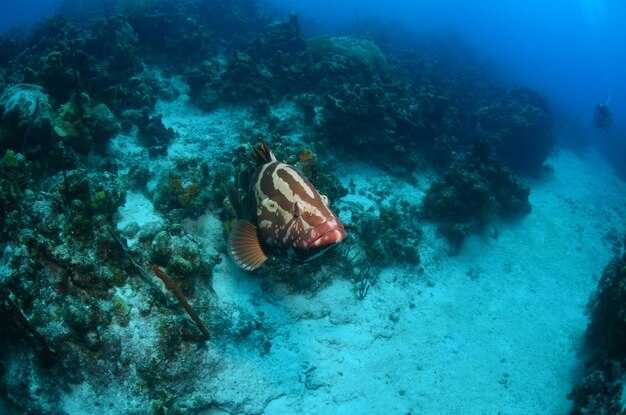
Dieren in het wild en milieu: Caribische riffen herbergen schildpadden en adelaarsroggen; bewaar afstand en jaag ze niet op. Het leven op Caribische riffen wordt vereerd door de lokale bevolking en duikers; observeer het van een respectvolle afstand.
Beschermingsmaatregelen: Gebruik rifvriendelijke zonnebrandcrème op het strand, vermijd het aanbrengen in de buurt van de waterlijn en bescherm het strand en het rif door op de aangelegde paden te blijven en koralen niet aan te raken. Neem een kleine tas mee voor afval en een herbruikbare fles om afval te verminderen.
Opties voor uitrusting en toegang: Quintana Roo biedt huuruitrusting en begeleide trips; Playa del Carmen en nabijgelegen stranden hebben winkels. Er zijn andere opties, waaronder winkels aan de kust en in Cozumel. Als je rijdt, vertrek dan vroeg om files te vermijden en meer tijd te hebben om de uitrusting te controleren. Er zou tijd moeten zijn voor een last-minute check bij aankomst.
Noodplanning en betrouwbare bronnen: neem een oppervlakteseintoestel mee, ken de lokale noodnummers en heb een plan om snel te vertrekken als de omstandigheden verslechteren. De bron van best practices ligt in de jarenlange ervaring die gedeeld wordt door lokale bijdragers; deze bijdragers zijn al jaren actief, begeleiden nieuwe duikers en helpen je vervolgens vol vertrouwen de Caraïben te verkennen. De kennis van ervaren gidsen kan veiligere beslissingen mogelijk maken en je vervolgens helpen om van het tafereel te genieten.